
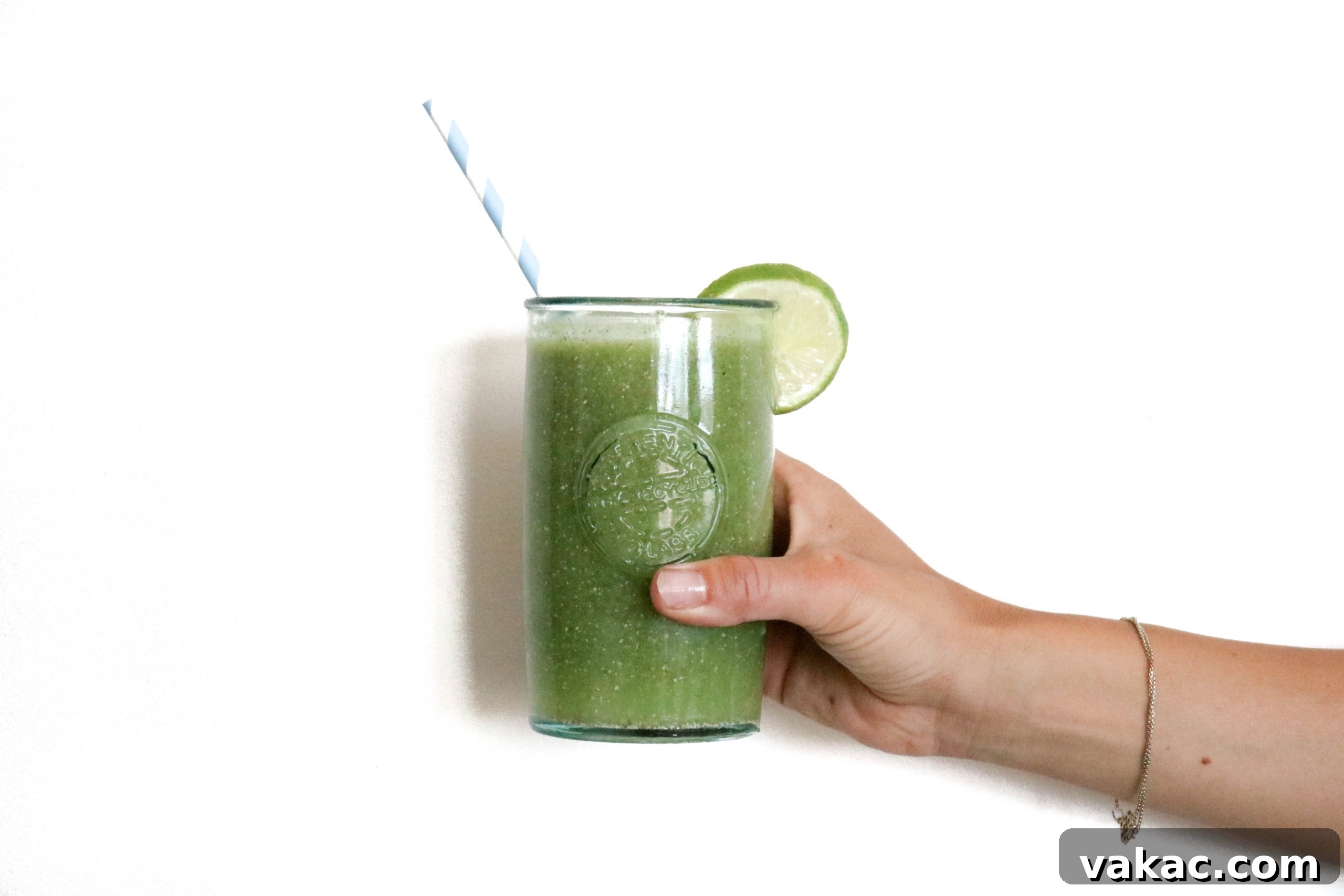
Mastering Hydration: Beyond Just Water for Optimal Well-being
As the sun casts its golden rays and the summer heat intensifies, a persistent thirst often becomes a familiar companion. While we cherish these vibrant, sun-drenched days, the risk of dehydration silently looms, capable of transforming our blissful summer experience into one of irritability and fatigue. Imagine feeling sluggish, ready for an early siesta, even when hours of daylight still promise adventure. This common scenario underscores a fundamental truth: proper hydration is not just about quenching thirst; it’s about sustaining our vitality.
The Crucial Role of Hydration in Our Bodies
Our bodies are extraordinary compositions, with water making up approximately 60% of our total mass. This astonishing fact alone highlights water’s indispensable role in nearly every bodily function. Far from being a mere thirst quencher, water is the silent architect behind our overall health and well-being. It meticulously regulates blood flow, ensuring that oxygen and vital nutrients reach every cell and organ. It’s a key player in aiding digestion, facilitating the breakdown of food and the absorption of nutrients, while also ensuring smooth waste elimination.
Beyond these foundational roles, water is critical for maintaining a stable body temperature, lubricating joints, protecting sensitive tissues, and enhancing cognitive function. When we neglect our fluid intake, the intricate balance within our system falters, leading to a cascade of unwelcome symptoms like headaches, dizziness, reduced concentration, and a noticeable dip in energy levels. Understanding this profound impact makes it clear why giving hydration the attention it deserves is paramount, not just for feeling good, but for optimal bodily performance.
Overcoming Hydration Hurdles: Strategies for Consistent Intake
Unlike meal times, where the absence of food provides an immediate and obvious cue, staying hydrated often lacks a clear, built-in reminder. It’s easy to get caught up in our daily routines and simply forget to drink. Moreover, while water is undeniably essential, consuming glass after glass of plain water can sometimes become monotonous. But don’t despair! Incorporating simple yet effective strategies can transform hydration from a forgotten chore into an effortless habit.
Make Hydration a Priority: Schedule It In
In our increasingly busy lives, scheduling has become a powerful tool for achieving goals and forming new habits. Why should hydration be any different? Treat your water intake with the same importance as any other appointment. Adding periodic reminders to your digital calendar or setting alarms on your phone throughout the day can be surprisingly effective. While it might feel a little peculiar at first, this consistent prompting helps to rewire your brain. Over time, as you swipe away those reminders, the act of reaching for water will gradually transition from a prompted action to a natural, ingrained habit. This proactive approach ensures you’re consistently topping up your fluid levels before significant thirst sets in.
Visual Cues: Keep Water Within Sight
The power of visual cues in influencing behavior is undeniable. One of the simplest yet most effective ways to encourage consistent hydration is to keep a water bottle or a reusable glass perpetually within your line of sight. Placing it prominently on your desk, kitchen counter, or bedside table serves as a constant, gentle nudge. Seeing it there acts as an immediate trigger, prompting you to take a sip without even consciously thinking about it. Choose a bottle you love, perhaps one with a vibrant color or a sleek design, to make the experience even more appealing. A visible water source significantly increases the likelihood of regular sips throughout your day.
How Much Water Do You Truly Need? Understanding Your Body’s Signals
The age-old recommendation of eight glasses of water a day is a familiar one, but the truth about hydration is far more nuanced. When it comes to our bodies’ complex needs, a one-size-fits-all approach rarely applies. The optimal amount of fluids your body requires differs tremendously based on a multitude of factors, making personalized hydration key. Your activity level plays a significant role; intense exercise or manual labor naturally increases fluid loss through sweat. Age, height, metabolism, and even the climate you live in – hot and humid conditions demand more fluids – all contribute to your unique hydration needs.
For the average healthy individual, the most reliable and accessible gauge of hydration status is the color of your urine. This simple visual check offers immediate feedback on whether you’re adequately hydrated. You’re aiming for a very pale, straw-like yellow. If your urine is dark yellow or amber, it’s a clear signal that you need to increase your fluid intake. Conversely, if your urine is completely clear, you might be over-hydrating, which, while generally harmless for most, can lead to more frequent bathroom trips and dilute essential electrolytes. Get comfortable taking a quick glance; it’s an invaluable tool for listening to your body.
Beyond Plain Water: Delicious and Hydrating Alternatives
While plain water is the gold standard for hydration, it’s perfectly fine—and even beneficial—to incorporate other hydrating fluids and foods into your daily routine. The “8 glasses” don’t all have to be strictly water. Here are five fantastic alternatives and creative ways to keep your fluid intake exciting, often bringing additional health benefits along the way!
Photo Credit: Swellbottle.com
1. Kombucha: The Tangy Probiotic Powerhouse
Kombucha, a fermented tea, has soared in popularity, becoming a staple in health food stores and cafes alike. This effervescent beverage is crafted by introducing a SCOBY (Symbiotic Culture of Bacteria and Yeast) to a sweetened tea mixture. During a fascinating fermentation process, the bacteria and yeast consume most of the added sugars, transforming the tea into a distinctively tangy, slightly sweet, and refreshingly fizzy drink. While sugar is essential for the initial fermentation, the final product typically contains significantly less sugar than many conventional sodas.
Beyond its unique flavor, kombucha is celebrated for its probiotic properties. These beneficial live microorganisms contribute to a healthy gut microbiome, which is intrinsically linked to myriad aspects of our health, including immune function, nutrient absorption, and even mood regulation. Proponents suggest that regular consumption of kombucha may aid digestion and potentially lower the risk of chronic conditions like diabetes, certain cancers, and heart disease. While scientific research is still emerging and evolving, many individuals enjoy kombucha not only for its potential health benefits but simply as a delicious, invigorating treat. Exploring different brands and flavors, like the delightful offerings from Hoochy Booch, can turn this probiotic drink into a personal favorite.
2. Cold-Brew Coffee: A Smooth and Refreshing Caffeine Kick
For coffee lovers, especially during warmer months, cold-brew coffee offers a wonderfully refreshing way to stay hydrated and energized. Unlike traditional hot brewing methods that use hot water to extract flavor quickly, cold brew is created by steeping coarse coffee grounds in cold water for an extended period—typically 12 to 20 hours. This slow, cool extraction process results in a distinctively smooth, less acidic, and naturally sweeter coffee concentrate.
The lower acidity of cold brew is a significant advantage, as it can be gentler on the stomach for those prone to acid reflux and may be less harsh on tooth enamel. Served over ice, it’s an incredibly satisfying pick-me-up on a hot day. While delicious on its own, adding a splash of your favorite fortified non-dairy milk (like oat, almond, or soy) can provide an extra boost of essential nutrients such as calcium and vitamin D, both crucial for bone and dental health. Brands like Kicking Horse Coffee offer excellent unsweetened cold brew options, proving that exceptional flavor needs no added sugar. Making cold brew at home is also surprisingly simple, allowing for customization to your perfect taste.
3. Chilled Soups: Nutrient-Dense and Hydrating Meals
Chilled soups are a sophisticated and highly effective way to combat summer heat while simultaneously packing in a remarkable amount of nutrients. These vibrant concoctions go beyond simply quenching thirst; they are liquid meals that nourish your body from the inside out. With an endless array of vegetable and even fruit combinations, chilled soups can become an antioxidant-rich, anti-inflammatory powerhouse. Think of gazpacho, cucumber-dill soup, or even sweet fruit-based soups – the possibilities are limited only by your imagination.
These refreshing soups often utilize raw or lightly processed vegetables, retaining more of their delicate vitamins and enzymes that might be lost during high-heat cooking. The high water content from ingredients like tomatoes, cucumbers, bell peppers, and spinach significantly contributes to your daily fluid intake. They’re fantastic for skin hydration, promoting a healthy, glowing complexion throughout the summer. Recipes such as a Chilled Summer Gazpacho, brimming with spinach, green beans, and avocado, exemplify how these dishes can be both hydrating and incredibly satisfying. They offer a unique blend of fiber, vitamins, and minerals, making them a superior choice compared to many other summer refreshments.
4. Fruits and Vegetables: Nature’s Hydration Packs
With summer bringing an abundance of deliciously fresh produce, snacking on fruits and vegetables is one of the most delightful and natural ways to boost your hydration levels. This strategy offers a dual benefit: not only do these foods contribute significantly to your fluid intake, but their rich fiber content also aids in naturally regulating appetite. Did you know that our bodies can sometimes mistake thirst for hunger? By staying consistently hydrated through water-rich foods, we become better attuned to our true hunger and fullness cues, preventing unnecessary snacking.
Fruits and vegetables exhibit a wide range of water content by weight. Watermelon, a quintessential summer treat, famously boasts about 91.5% water. However, many other produce items hold surprisingly high percentages of water. Spinach, for instance, contains approximately 91.4% water, making it almost as hydrating as watermelon! Other excellent choices include strawberries (91% water), cantaloupe (90% water), peaches (89% water), oranges (87% water), and cucumbers (95% water). Incorporating a variety of these into your diet through salads, smoothies, or simply as snacks, such as a refreshing Watermelon Mint and Feta Salad (perhaps with a handful of spinach for an extra boost), is an excellent way to stay energized and perfectly hydrated.
5. Flavored Water: Simple Infusions for Everyday Enjoyment
Sometimes, all it takes is a little something extra to make plain water more appealing. Naturally flavored water is a fantastic way to elevate your hydration experience without resorting to sugary drinks. Infusing your water with fresh ingredients adds subtle, natural flavors and often a touch of visual appeal, transforming a mundane necessity into a delightful refreshment.
Experiment with a variety of fresh ingredients to discover your favorite combinations:
- Frozen berries: Not only do they add a burst of sweetness and antioxidants, but they also act as natural ice cubes.
- Fresh herbs: Mint, basil, rosemary, or even thyme can impart a wonderfully aromatic and refreshing note.
- Cucumber slices: Known for their cooling properties, cucumbers add a mild, clean taste.
- Citrus fruits: Slices of lemon, lime, orange, or grapefruit provide a tangy, invigorating zest and a dose of vitamin C.
- Shaved cantaloupe or other melons: For a subtly sweet and earthy flavor, shaved melon works beautifully.
A great tip is to prepare a large pitcher of your infused water and keep it chilled in the fridge. This way, you always have a refreshing, healthy drink ready to grab. You can also infuse ice cubes with small pieces of fruit or herbs, popping them into your water bottle before heading out. Lately, combinations like grapefruit and mint, or strawberry and basil have become personal favorites, demonstrating how simple additions can make a huge difference in your daily hydration routine. This simple act of flavoring water encourages greater intake throughout the day, offering a healthier alternative to sugary beverages.
The Year-Round Importance of Staying Hydrated
While the urgency of hydration becomes particularly evident amidst summer’s warmth, its critical importance extends far beyond seasonal considerations. Staying adequately hydrated is a year-round commitment that underpins virtually every aspect of our health. Beyond its vital role in helping our bodies detoxify and supporting robust immune function, proper fluid balance is absolutely crucial for maintaining consistent day-to-day energy levels, enhancing concentration and cognitive sharpness, effectively regulating appetite, and keeping our skin radiant and glowing. The benefits are too significant to ignore.
We hope these ideas have provided you with fresh inspiration to keep yourself feeling hydrated, energized, and vibrant, not just this summer, but throughout every season. Making hydration a mindful and enjoyable part of your lifestyle is one of the simplest yet most impactful steps you can take for your overall well-being.
How do you stay hydrated? Share your favorite tips and tricks in the comments below!
A special thank you to Martha Staus and Carla Centola, aspiring dietitians and UBC Students, for their invaluable assistance in compiling this comprehensive post!
LIKE THIS ARTICLE? SHARE IT WITH SOMEONE YOU KNOW WILL LOVE IT TOO!