
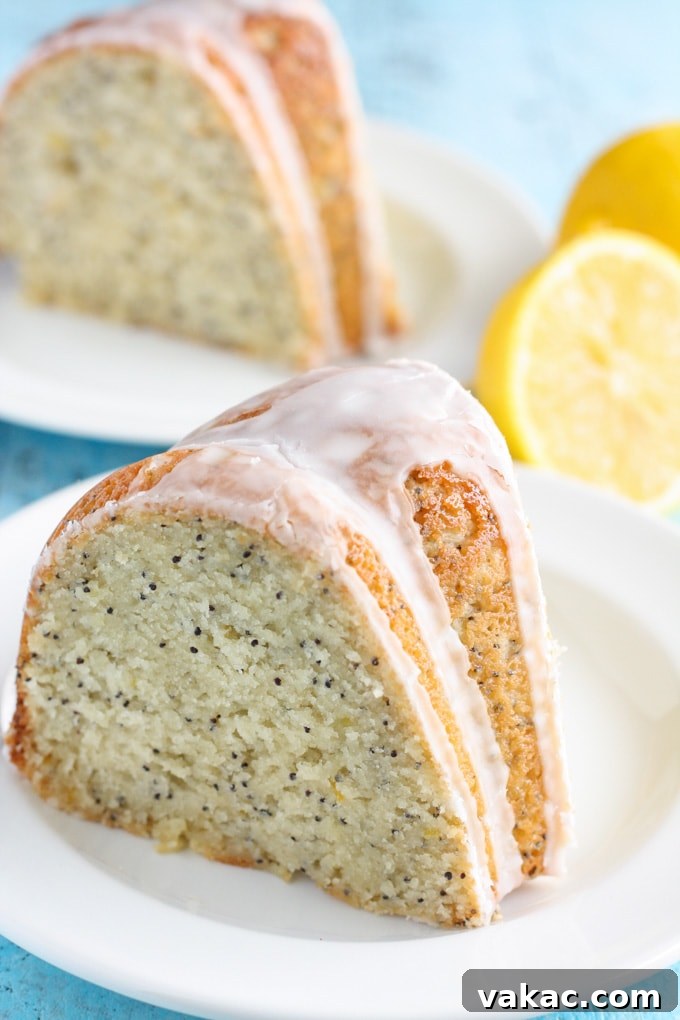
The Ultimate Moist & Zesty Lemon Poppy Seed Bundt Cake with Irresistible Glaze
Prepare to elevate your baking repertoire with this extraordinary Lemon Poppy Seed Bundt Cake! Crafted entirely from scratch, this recipe promises a dessert that is wonderfully moist, perfectly sweet, and bursts with vibrant lemon flavor in every bite. The delicate crunch of poppy seeds adds a delightful textural contrast, all crowned with a luscious, tangy lemon glaze that brings a refreshing zing. Whether you’re an experienced baker or just starting your culinary journey, this foolproof guide will help you create a show-stopping bundt cake that’s ideal for family gatherings, special occasions, or simply to brighten a chilly afternoon with a taste of sunshine.
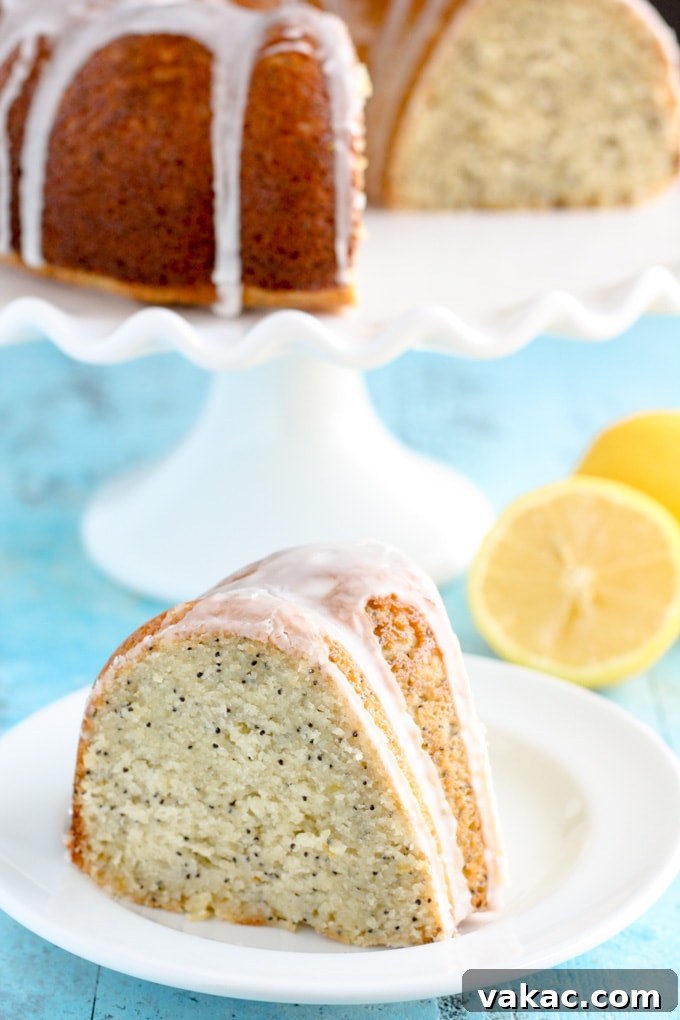
Lemon vs. Chocolate: Embracing the Bright Side of Baking
Are you typically drawn to the rich indulgence of chocolate desserts, or do you gravitate towards the bright, refreshing notes of lemon? It’s a delightful culinary conundrum many of us face, and frankly, making a choice can be incredibly challenging! On one hand, the comforting allure of chocolate holds a cherished spot in countless hearts, offering warmth and decadence. On the other, there’s an undeniable magic to a dessert that can instantly uplift your spirits with its sunny disposition and invigorating zest.
Given the recent focus on more decadent chocolate recipes and the lingering chill of winter days, it feels like the perfect moment to introduce something truly invigorating. Today, we’re shifting gears and embracing the vibrant, fresh side of baking with this incredibly zesty and perfectly balanced lemon poppy seed bundt cake! It’s designed to be an ideal antidote to the winter blues, bringing a much-needed touch of spring and sunshine right into your kitchen and onto your palate. This cake isn’t just a dessert; it’s a mood enhancer, promising a refreshing escape from the everyday.
The Secret to a Perfectly Moist Crumb: Butter, Oil, and Innovation
Crafting the perfect bundt cake—one with an effortlessly tender and incredibly moist crumb—often involves a delicate balance of ingredients and precise techniques. This particular recipe is a thoughtful fusion, drawing inspiration from my reliable vanilla cupcake base (ingeniously doubled for bundt cake proportions) and the sophisticated structural integrity found in Martha Stewart’s renowned lemon bundt cake. My initial attempts with an all-butter formula, while flavorful, consistently yielded a cake that was a bit too dense and, disappointingly, tended to lose its moisture quickly after the first day.
Through dedicated experimentation, I discovered a game-changing adjustment: incorporating a strategic blend of butter and oil. This seemingly small alteration made a profound difference in the cake’s final texture and longevity! The butter still contributes that classic, rich flavor we all adore, but just a quarter cup of neutral-flavored oil (like vegetable or canola) works wonders in enhancing the cake’s tenderness and ensuring it remains incredibly moist for days. The oil coats the flour proteins, preventing excessive gluten development, which is key to achieving a lighter, more delicate crumb. This harmonious blend results in a cake that is both deeply buttery and wonderfully soft—the absolute ideal texture for any bundt cake.
And let’s not overlook the crucial finishing touch: the lemon glaze! While the cake itself boasts a delightful lemon essence, this simple, two-ingredient glaze elevates the citrus flavor to an entirely new dimension. It provides a delightful tart-sweet counterpoint to the cake’s richness and imparts a glossy, inviting finish that makes the cake visually irresistible. Trust me, this easy-to-prepare glaze is an absolute must-have; it’s the “extra pop” of lemon that truly transforms this dessert from merely great to absolutely exceptional, leaving a lasting impression with every slice.
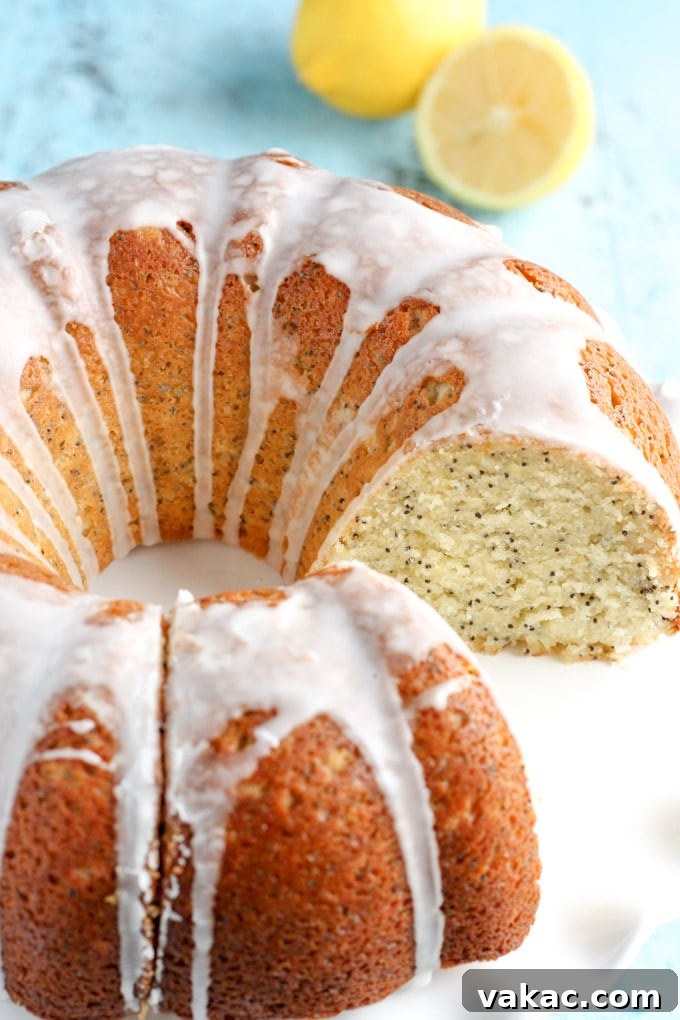
Why This Lemon Poppy Seed Bundt Cake Will Become Your New Favorite
This isn’t merely a cake recipe; it’s an invitation to experience culinary joy and effortless elegance. Here are the compelling reasons why this Lemon Poppy Seed Bundt Cake is destined to become a cherished staple in your baking collection:
- Unrivaled Moisture and Tenderness: Thanks to the ingenious combination of butter, oil, and sour cream, this cake boasts an incredibly moist and tender crumb that defies dryness, staying fresh and delicious for days.
- Vibrant & Authentic Lemon Flavor: Infused with generous amounts of fresh lemon juice and fragrant zest, the cake delivers a bright, natural citrus punch. The addition of the glossy lemon glaze intensifies this flavor, creating an exhilarating taste experience.
- Visually Stunning Presentation: Bundt cakes are inherently elegant. The intricate design of the pan, gracefully highlighted by a generous drizzle of the glistening lemon glaze, transforms this dessert into a true show-stopping centerpiece for any table.
- Perfectly Balanced Sweet and Tart Profile: The cake achieves a harmonious balance, where the sweetness is beautifully complemented by the refreshing tang of lemon. This ensures the cake is never overly sugary, always feeling light and invigorating.
- Delightful Textural Contrast: The subtle yet distinct crunch of poppy seeds, distributed thoughtfully throughout the cake, adds an engaging textural dimension that perfectly complements the smooth, tender crumb without overpowering it.
- Accessible Homemade Excellence: Despite its gourmet feel, this recipe relies on straightforward techniques and readily available pantry ingredients. This makes it wonderfully accessible for home bakers of all skill levels, from beginners to seasoned pros.
- Versatile for Every Occasion: From a casual weekend brunch to a sophisticated dinner party, a festive holiday spread, or even a thoughtful homemade gift, this cake fits seamlessly into any event or celebration.
Essential Ingredients for Your Zesty Masterpiece
One of the most appealing aspects of this exquisite homemade lemon poppy seed cake is its reliance on staple ingredients you likely already have nestled in your pantry. Gather these high-quality essentials to create your magnificent bundt cake with confidence:
- All-purpose flour: The fundamental building block for our cake’s structure. To ensure an accurate measurement and prevent a dense cake, always use the “spoon and level” method: spoon flour into your measuring cup, then level off the top with a straight edge. Never scoop directly from the bag, as this compacts the flour.
- Baking powder & baking soda: These powerful leavening agents are the secret to the cake’s beautiful rise and delicate, airy texture. Baking soda reacts with acidic components like lemon juice and sour cream, while baking powder provides consistent lift throughout the baking process.
- Salt: Far from just adding saltiness, a pinch of salt is vital for balancing the inherent sweetness of the cake and enhancing all the other nuanced flavors in the batter, preventing the final taste from falling flat.
- Poppy seeds: These tiny, intriguing seeds contribute a delightful, subtle crunch and a hint of earthy, nutty flavor that harmonizes wonderfully with the bright lemon. While traditional and highly recommended for this cake, they can be omitted if unavailable, leaving you with an equally marvelous plain lemon bundt cake.
- Unsalted butter: Used softened to room temperature, butter is creamed vigorously with sugar to incorporate crucial air, which is fundamental for a light and fluffy cake. It also imparts a rich, luxurious flavor and contributes significantly to the cake’s tenderness. Using unsalted butter grants you complete control over the total salt content.
- Granulated sugar: Provides the perfect level of sweetness, ensuring the cake is neither bland nor cloyingly sweet. When creamed with butter, the sugar crystals create tiny air pockets, further contributing to the cake’s enviable light and airy texture.
- Large eggs: Eggs are multifunctional in baking; they bind the ingredients, add essential moisture, richness, and play a key role in the cake’s overall structure. Crucially, ensure your eggs are at room temperature, as this allows them to emulsify more effectively with other ingredients, resulting in a smoother, more homogenous batter.
- Pure vanilla extract: Although lemon is the undisputed star of this dessert, a touch of pure vanilla extract enhances and rounds out the overall flavor profile, adding a warm, aromatic depth that complements the citrus notes beautifully.
- Fresh lemon juice and zest: For the most vibrant, authentic, and irresistible lemon flavor, freshly squeezed lemon juice and finely grated zest are absolutely non-negotiable. The zest, containing potent essential oils, delivers intense citrus aroma and taste, while the juice provides the necessary tartness and moisture. Always avoid bottled lemon juice for superior results.
- Canola or vegetable oil: This is our secret ingredient for an incredibly moist cake. Oil, being a liquid fat, helps keep the cake tender and resilient, preventing it from drying out, even several days after baking. It works by inhibiting excessive gluten development in the flour.
- Sour cream: A fantastic addition for ensuring exceptional moisture and a beautifully fine crumb. Sour cream adds richness, a subtle tangy flavor that complements the lemon, and helps to activate the baking soda for a better rise. If sour cream isn’t on hand, full-fat plain Greek yogurt makes an excellent, equally effective substitute.
- Confectioners’ sugar (powdered sugar): The essential base for our quick and effortless lemon glaze. Its incredibly fine texture dissolves smoothly and uniformly, creating a silky, pourable glaze that sets beautifully.
Crafting Your Perfect Lemon Poppy Seed Bundt Cake: Step-by-Step Instructions
Creating this stunning and flavorful bundt cake is a rewarding and surprisingly straightforward process. Follow these detailed, easy-to-understand instructions to achieve a truly remarkable result in your kitchen:

Lemon Poppy Seed Bundt Cake
20 mins
50 mins
1 hr 10 mins
Ingredients
10
slices
Lemon Poppy Seed Bundt Cake:
- 2 and 3/4 cups (345 grams) all-purpose flour (spooned & leveled)
- 1 teaspoon baking powder
- 1/2 teaspoon baking soda
- 1 teaspoon salt
- 3 tablespoons poppy seeds
- 3/4 cup (170 grams) unsalted butter (softened, room temperature)
- 2 cups (400 grams) granulated sugar
- 4 large eggs (room temperature)
- 2 teaspoons vanilla extract (pure for best flavor)
- 1/3 cup (80 ml) fresh lemon juice (do not substitute bottled)
- 2 tablespoons lemon zest (from 2-3 large lemons)
- 1/4 cup (60 ml) canola or vegetable oil
- 1 cup (240 grams) sour cream (full-fat, room temperature)
Lemon Glaze:
- 1 cup (120 grams) confectioners sugar (sifted for smoothness)
- 2 to 3 tablespoons (30 to 45 ml) fresh lemon juice (add gradually until desired consistency)
Instructions
To make the cake:
-
Begin by preheating your oven to a steady 350°F (180°C). In a large mixing bowl, combine and thoroughly whisk together the all-purpose flour, baking powder, baking soda, salt, and poppy seeds. Whisking ensures that these dry ingredients, especially the leavening agents, are evenly distributed throughout the mixture, which is crucial for a uniform rise. Set this prepared mixture aside.
-
In the bowl of a stand mixer fitted with the paddle attachment (or using a large mixing bowl with a robust hand-held mixer), beat the softened unsalted butter and granulated sugar together on medium-high speed. Continue to beat for approximately 3-5 minutes, or until the mixture transforms into a noticeably light, pale yellow color and a fluffy texture. This critical “creaming” step incorporates air into the butter and sugar, which is fundamental for achieving a tender and light cake crumb.
-
Reduce the mixer speed to low. Add the room temperature eggs one at a time, ensuring each egg is fully incorporated before adding the next. Scrape down the sides and bottom of the bowl as needed to ensure everything is evenly mixed. Once the eggs are combined, gently mix in the vanilla extract, followed by the fresh lemon juice, vibrant lemon zest, and the canola or vegetable oil. Mix until these wet ingredients are just fully incorporated; be careful not to overmix at this stage.
-
Now, carefully alternate mixing the reserved dry flour mixture and the sour cream into the wet ingredients. Begin by adding approximately one-third of the flour mixture, mixing on the lowest speed until just combined. Then, add half of the sour cream, mixing gently until smooth. Repeat this process, finishing with the remaining flour mixture. It is paramount to mix only until no visible streaks of dry ingredients remain. Overmixing the batter will develop gluten, leading to a tough, chewy cake rather than a tender one.
-
Generously prepare a 10-cup bundt pan. Spray every nook, cranny, and detail of the pan thoroughly with a high-quality non-stick cooking spray, ideally one that contains flour (or grease meticulously with softened butter or shortening and dust lightly with all-purpose flour, tapping out any excess). This thorough preparation is crucial for a clean release. Carefully pour the prepared cake batter evenly into the bundt pan and use a spatula to gently spread it around and level the top.
-
Bake in your preheated oven for 45-55 minutes. The cake is perfectly done when a long wooden skewer or a thin knife inserted into the deepest part of the cake (typically the center) comes out clean or with only a few moist crumbs attached. If you observe the top of the cake (which will be the bottom once inverted) browning too rapidly during the final 5-10 minutes of baking, loosely tent the entire bundt pan with aluminum foil. This prevents excessive browning without impeding the internal cooking process.
-
Once baked, remove the bundt cake from the oven and allow it to cool in the pan, placed on a wire rack, for exactly 30 minutes. This cooling period in the pan is essential; it allows the cake’s delicate structure to set properly, significantly reducing the risk of it breaking apart when you attempt to remove it. After 30 minutes, carefully invert the cake onto a clean wire rack to finish cooling completely. It is absolutely crucial for the cake to be entirely cool before proceeding with the glaze.
To make the glaze:
-
In a small mixing bowl, combine the confectioners’ sugar (for the smoothest glaze, consider sifting it first to remove any lumps) and 2 tablespoons of fresh lemon juice. Whisk vigorously until the mixture is fully combined and perfectly smooth. If the glaze appears too thick for pouring, gradually add the remaining lemon juice, half a teaspoon at a time, until you achieve a pourable, but not watery, consistency. The ideal glaze should be thick enough to cling to the cake but still flow freely.
-
Once your bundt cake has cooled completely (this is vital, as a warm cake will absorb the glaze rather than letting it set), prepare for glazing. Position a large piece of parchment paper or aluminum foil directly underneath the wire rack. This clever trick will effectively catch any excess glaze that drips off, ensuring your countertop remains clean and mess-free. Evenly pour the prepared lemon glaze over the entire cooled bundt cake, allowing it to artfully drip down the sides. Let the glaze set and harden for approximately 10-15 minutes before serving.
-
Finally, with the glaze set, use a serrated knife to neatly slice your homemade Lemon Poppy Seed Bundt Cake. Serve and savor the bright, zesty flavors and wonderfully moist texture you’ve created!
Notes
Optimal storage: To preserve its incredible freshness and moist texture, store any leftover cake in an airtight container at room temperature for up to five days. This barrier prevents air from drying out the delicate crumb. For extended storage, an unglazed cake can be wrapped tightly in at least two layers of plastic wrap, followed by a layer of aluminum foil, and frozen for up to three months. To enjoy, thaw the cake overnight in the refrigerator, then bring it to room temperature before preparing and applying the fresh lemon glaze. You can also freeze individual slices, wrapped in the same manner, for convenient single servings.
American
Dessert
Danielle Rye
Alternative Pan Sizes: Adapting This Recipe to Your Kitchen
While a beautiful bundt pan undoubtedly enhances the aesthetic appeal and classic charm of this cake, it’s certainly not a mandatory requirement for enjoying this delicious recipe. If you don’t currently own one, or simply prefer a different presentation for your baked goods, rest assured that this recipe is incredibly adaptable! You can absolutely achieve fantastic results by baking this delightful lemon poppy seed cake in two 8×8-inch square cake pans. This will yield two flatter, square-shaped cakes that are perfect for slicing into neat bars or smaller, individual portions, ideal for sharing or gifting.
An Important Baking Precaution: Please be advised not to attempt to bake the entire volume of this batter in a single standard round cake pan (such as a 9-inch round). The quantity of batter in this recipe is significantly too large for one conventional cake pan, and it will almost certainly overflow in your oven, leading to a considerable mess and an unevenly baked cake. If you opt for using two 8×8-inch square pans, remember to keep a close watch on your baking time. These smaller, shallower cakes will likely bake faster than a large bundt cake. Begin checking for doneness with a toothpick inserted into the center around the 30-35 minute mark, adjusting as necessary until the toothpick comes out clean.
Expert Baking Tips for a Flawless Lemon Poppy Seed Bundt Cake
Achieving a bakery-quality bundt cake at home is entirely within reach, especially with a few helpful pointers and expert techniques. Here are some essential baking tips to ensure your Lemon Poppy Seed Bundt Cake turns out perfectly moist, tender, and delicious every single time:
- Maximize Lemon Flavor with Zest: The cake itself possesses a wonderfully subtle lemon flavor. However, if you are a dedicated lemon fanatic (just like me!), you can intensify this citrus explosion by adding an extra tablespoon of lemon zest to the batter. Remember, zest contains the pure, concentrated essential oils of the lemon, which provide intense flavor without introducing additional liquid that could potentially alter the cake’s delicate texture. Conversely, avoid adding more lemon juice directly to the batter, as too much acidity or liquid can negatively impact the cake’s crumb structure and its ability to rise properly.
- Preventing Premature Browning: Bundt cakes often feature intricate designs and exposed surfaces that can brown more quickly than the interior cooks. If you notice the top of your cake (which will become the bottom once inverted) starting to brown excessively in the oven before the center is fully baked, simply and loosely tent the entire bundt pan with a piece of aluminum foil. This clever trick effectively deflects direct heat away from the surface, preventing further browning without hindering the crucial internal baking process.
- Effortless Glaze Cleanup Strategy: Glazing a bundt cake, while visually rewarding, can sometimes result in a few sticky drips. To spare yourself the hassle of a sticky countertop cleanup, simply place a large sheet of parchment paper or aluminum foil directly underneath the wire rack where your cake is cooling and being glazed. This convenient barrier will catch any excess glaze drips, keeping your kitchen surfaces pristine and making cleanup a breeze.
- The Power of Room Temperature Ingredients: For optimal baking results, it is absolutely essential to ensure that your butter, eggs, and sour cream are at room temperature before you begin mixing. Room temperature ingredients emulsify much more effectively with each other, creating a smoother, more uniform batter. This leads directly to a lighter, finer, and more tender cake crumb. Cold ingredients, on the other hand, can cause the batter to be lumpy and may result in a denser, less desirable cake texture.
- The Golden Rule: Do Not Overmix: Once you begin incorporating the dry flour mixture into your wet ingredients, switch your mixer to the lowest speed possible and mix only until the ingredients are just combined. Overmixing is one of the most common pitfalls in cake baking; it aggressively develops the gluten in the flour, which in turn can make your cake tough, chewy, and rubbery instead of wonderfully tender and moist. A few small, faint streaks of flour remaining are far preferable to an overmixed batter.
- Flawless Pan Preparation is Non-Negotiable: Bundt pans, with their beautiful and often intricate designs, demand meticulous preparation to guarantee a clean and effortless release of your baked cake. Generously spray every single nook, cranny, and detailed curve of your bundt pan with a high-quality non-stick baking spray that contains flour. Alternatively, you can thoroughly grease the pan with softened butter or shortening and then dust it lightly with all-purpose flour, tapping out any excess. Pay particular attention to the central tube and any decorative grooves, as these are common sticking points.
- Reliable Doneness Test: To accurately determine if your bundt cake is fully baked and ready to be removed from the oven, insert a long wooden skewer or a thin, sharp knife into the deepest part of the cake (usually the center near the tube). The cake is perfectly done when the skewer or knife comes out clean, or with just a few moist crumbs clinging to it. If you observe wet batter, continue baking in 5-minute increments until the test is successful. An underbaked cake will often sink in the center, while an overbaked one will inevitably result in a dry texture.
- Patient Cooling for Structural Integrity: Resist the tempting urge to invert your bundt cake immediately after taking it out of the oven. Allowing the cake to cool in its pan on a wire rack for a crucial 20-30 minutes allows the cake’s delicate structure to fully set and firm up. This vital step significantly prevents the cake from breaking apart or sticking when you carefully release it from the pan. After this initial cooling period, then invert the cake onto a clean wire rack to cool completely before applying any glaze.
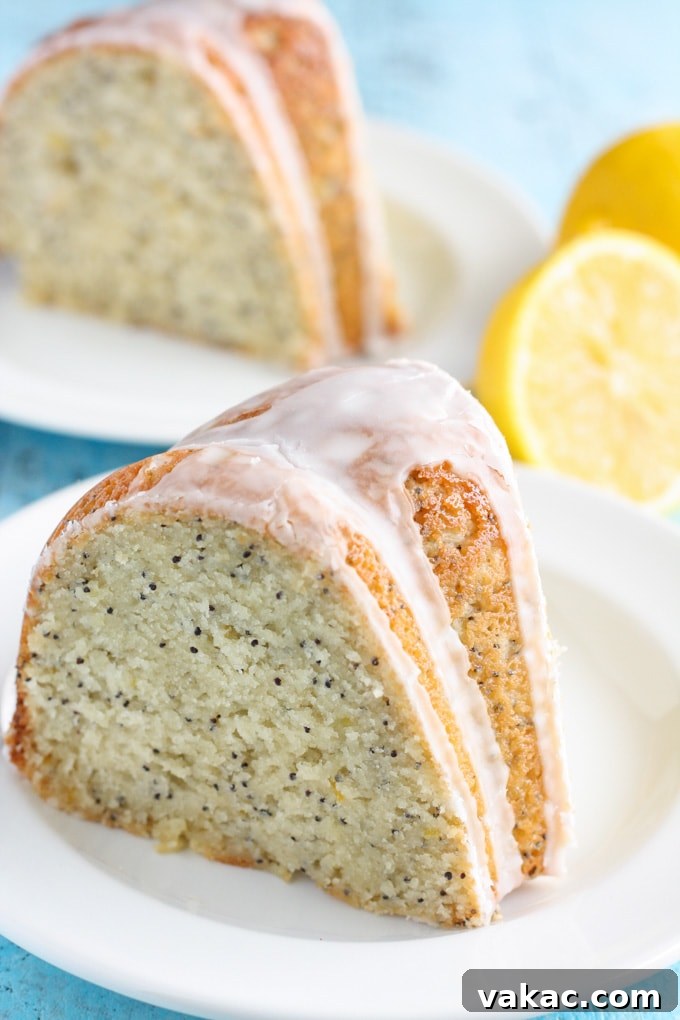
Serving Suggestions & Creative Variations for Your Bundt Cake
This Lemon Poppy Seed Bundt Cake is undeniably delightful and impressive when served simply with its glistening lemon glaze. However, its versatile flavor profile also lends itself beautifully to various serving enhancements and creative recipe variations, allowing you to customize it for any palate or occasion. Here are some inspiring ideas:
Elegant Serving Suggestions:
- Simple & Sophisticated: The cake, with its bright lemon glaze, is truly perfect as is. Serve individual slices with a freshly brewed cup of tea or a robust coffee for a sophisticated dessert or a delightful afternoon treat.
- Fresh Berry Bliss: Elevate the presentation and flavor by garnishing individual slices or the entire cake with a medley of fresh seasonal berries. Raspberries, blueberries, or thinly sliced strawberries add a beautiful burst of color and their natural tartness wonderfully complements the zesty lemon.
- Creamy Indulgence: For an extra layer of decadence, add a dollop of lightly sweetened homemade whipped cream or a scoop of premium vanilla bean ice cream alongside each slice. The creamy texture provides a lovely contrast to the cake.
- Lemon Curd Drizzle: For those who simply can’t get enough lemon, drizzle a spoonful of rich, tangy lemon curd (either homemade or high-quality store-bought) over or alongside each slice. This amplifies the intense citrus notes.
Creative Flavor Variations:
- Blueberry Lemon Poppy Seed Bundt: Gently fold 1 cup of fresh or frozen (without thawing) blueberries into the batter during the final stages of mixing. The blueberries add an extra layer of fruitiness, bursts of juice, and even more moisture to the cake.
- Almond Poppy Seed Twist: Introduce a delicate nutty flavor by substituting half a teaspoon of the vanilla extract with pure almond extract. The subtle almond notes pair exceptionally well with the poppy seeds and lemon.
- Explore Other Citrus: Feel free to experiment with different citrus fruits for a unique flavor profile. Try using lime zest and juice for a zippier cake, or orange zest and juice for a sweeter, more aromatic version. A Blood Orange Poppy Seed Bundt Cake, with its stunning color and distinct flavor, would be an impressive variation!
- Nutty Crunch Addition: For an added textural element and a deeper, nutty dimension, gently fold in half a cup of finely chopped and lightly toasted pecans or walnuts into the batter.
Storing Your Lemon Poppy Seed Bundt Cake for Lasting Freshness
To ensure your homemade Lemon Poppy Seed Bundt Cake retains its incredible freshness, its signature moist texture, and delightful flavor for as long as possible, proper storage techniques are absolutely key. Here’s how to best preserve your delicious creation:
- Room Temperature Storage (Glazed Cake): For the best eating experience, store the glazed cake in an airtight container at room temperature. Placed on your countertop, it will remain wonderfully fresh and moist for up to 4-5 days. The airtight seal is crucial, as it prevents air from circulating and drying out the delicate crumb, keeping it tender and flavorful.
- Refrigeration (Optional): While generally not necessary for baked goods like this, if your kitchen environment is particularly warm or humid, you can opt to store the cake in the refrigerator. However, be aware that refrigeration can sometimes slightly alter the texture of cakes, making them a little denser. For optimal flavor and texture, always allow refrigerated cake to come back to room temperature for at least 30-60 minutes before serving.
- Freezing for Long-Term Enjoyment: This bundt cake freezes exceptionally well, making it perfect for meal prepping desserts or saving for a future occasion! For the best freezing results, it is highly recommended to freeze the cake before it has been glazed. Once the cake has completely cooled to room temperature, wrap it very tightly in at least two layers of plastic wrap, followed by a protective layer of heavy-duty aluminum foil. This double-layer wrapping system is vital to prevent freezer burn and keep moisture locked in. The unglazed cake can be stored in the freezer for up to three months without compromising quality. When you’re ready to enjoy it, simply thaw the cake overnight in the refrigerator, then bring it to room temperature on your counter before preparing and applying a fresh batch of the vibrant lemon glaze. Individual slices can also be frozen, wrapped similarly, for convenient single servings.
Frequently Asked Questions About Lemon Poppy Seed Bundt Cake
My bundt cake stuck to the pan! What typically causes this?
Bundt cakes, with their intricate designs, are notorious for sticking if not properly prepared. The most common culprits include insufficient greasing of the pan, not flouring thoroughly after greasing (or using a non-stick spray without flour), or attempting to remove the cake from the pan before it has had adequate time to cool and set (a crucial 20-30 minute cooling period in the pan). Always use a high-quality non-stick baking spray that contains flour, or meticulously grease with softened butter or shortening and dust with all-purpose flour, tapping out all excess to ensure every crevice is coated.
Can I adapt this recipe to be gluten-free?
While this specific recipe has been developed and tested with traditional all-purpose flour, many home bakers have found success substituting a 1:1 gluten-free baking flour blend (ensure the blend you choose contains xanthan gum, which helps with structure) for the all-purpose flour. Please be aware that results may vary slightly in texture and rise, but it is often a viable option for those with gluten sensitivities. Always follow the specific recommendations for your chosen gluten-free flour blend.
Why did my delicious bundt cake turn out dry?
A dry cake is typically the result of one or a combination of common baking errors. The most frequent reasons include measuring too much flour (always remember to spoon and level!), overmixing the batter (which aggressively develops the gluten, leading to a tough texture), or simply overbaking the cake. To prevent dryness, ensure your flour is accurately measured and bake only until a toothpick inserted into the center comes out clean with perhaps a few moist crumbs, not completely dry.
Is it acceptable to use bottled lemon juice instead of fresh?
For the brightest, most authentic, and undeniably superior lemon flavor, using freshly squeezed lemon juice and freshly grated lemon zest is highly recommended and truly makes a significant difference. Bottled lemon juice often contains preservatives and lacks the vibrant, nuanced, and complex flavor profile of fresh lemons. Furthermore, the lemon zest is absolutely critical for the cake’s robust flavor, as it contains potent essential oils not found in the juice alone.
How can I ensure my sour cream is at the perfect room temperature?
Room temperature sour cream should feel cool to the touch, but it should not be cold and firm directly from the refrigerator. It will have a softer, more fluid consistency than chilled sour cream. To quickly bring it to room temperature, you can gently microwave it in 10-second bursts, stirring thoroughly in between each burst, until it reaches the desired consistency. Alternatively, simply let it sit on your kitchen counter for approximately 30-60 minutes before you begin baking, depending on your kitchen’s ambient temperature.
Discover More Zesty Lemon Dessert Recipes!
If you’ve fallen head over heels for the bright, refreshing, and invigorating flavors of this Lemon Poppy Seed Bundt Cake, you’re in for a treat! We have a curated collection of equally delightful lemon-infused desserts that are sure to satisfy your citrus cravings and keep your taste buds tingling with joy. Explore these other fantastic recipes:
- Glazed Lemon Bread: A simple, moist loaf cake bursting with lemon flavor and topped with a sweet, tangy glaze.
- Lemon Blueberry Cupcakes: Fluffy, moist cupcakes studded with blueberries and crowned with a luscious lemon cream cheese frosting.
- Blueberry Lemon Bread with Lemon Glaze: A delightful quick bread combining the sweetness of blueberries with the tang of lemon, finished with a bright glaze.
- Classic Lemon Bars: The quintessential lemon dessert, featuring a buttery shortbread crust and a perfectly tart, smooth lemon filling.
- Lemon Blueberry Bundt Cake: Another stunning bundt cake, marrying the vibrant flavors of lemon and juicy blueberries in a moist, tender crumb.