
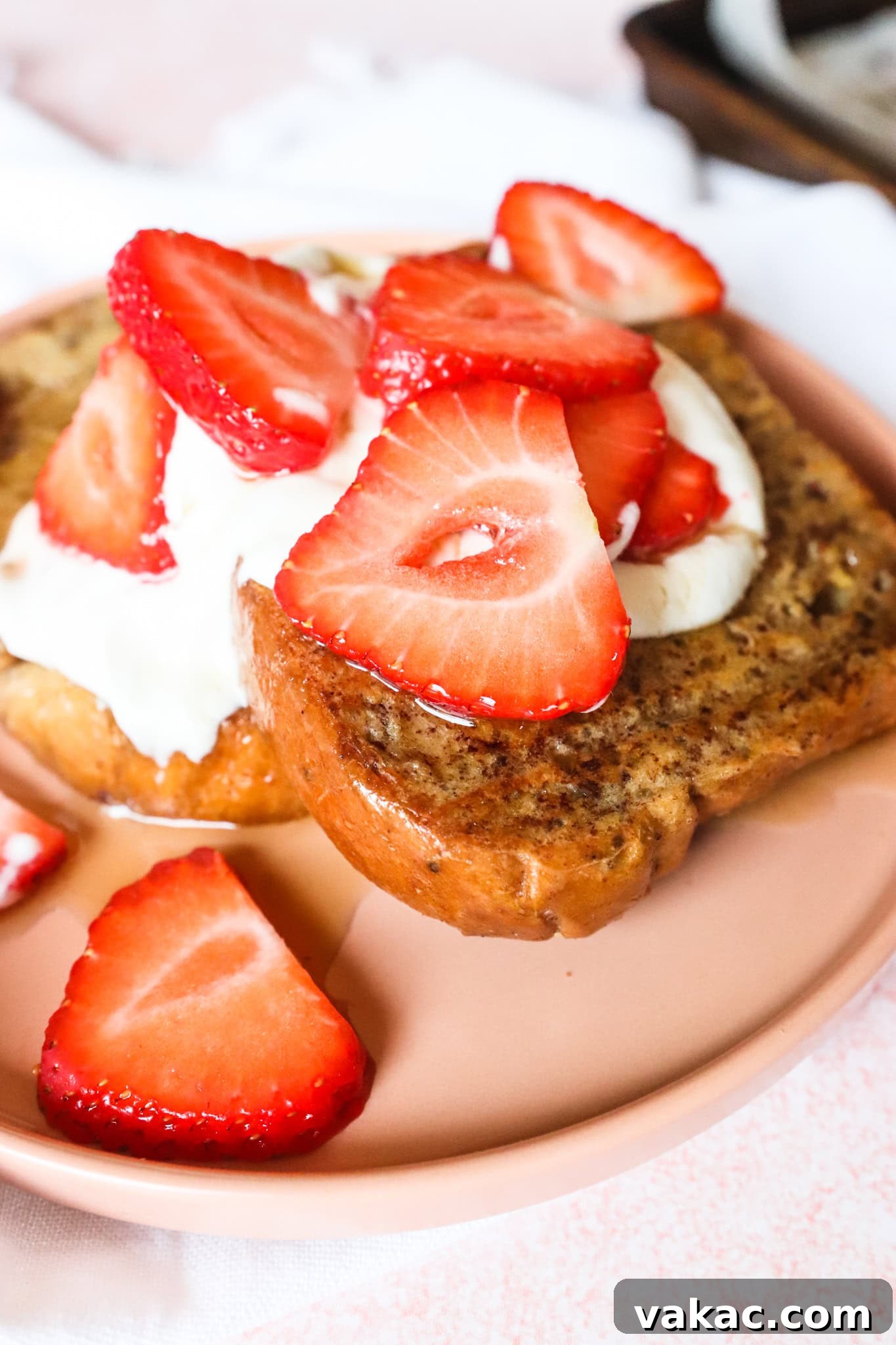
Welcome to the future of breakfast! This incredible Sheet Pan French Toast recipe is about to revolutionize your morning routine. Forget the hassle of standing over a hot stove, flipping slice after endless slice. In just 30 minutes, you can have a batch of perfectly golden, fluffy, cinnamon-spiced French toast, all baked effortlessly in your oven. It’s the ultimate no-fuss solution for busy mornings with kids, relaxed weekend brunches, or even entertaining a crowd. Once you experience the ease and deliciousness of this method, you’ll wonder how you ever made French toast any other way!
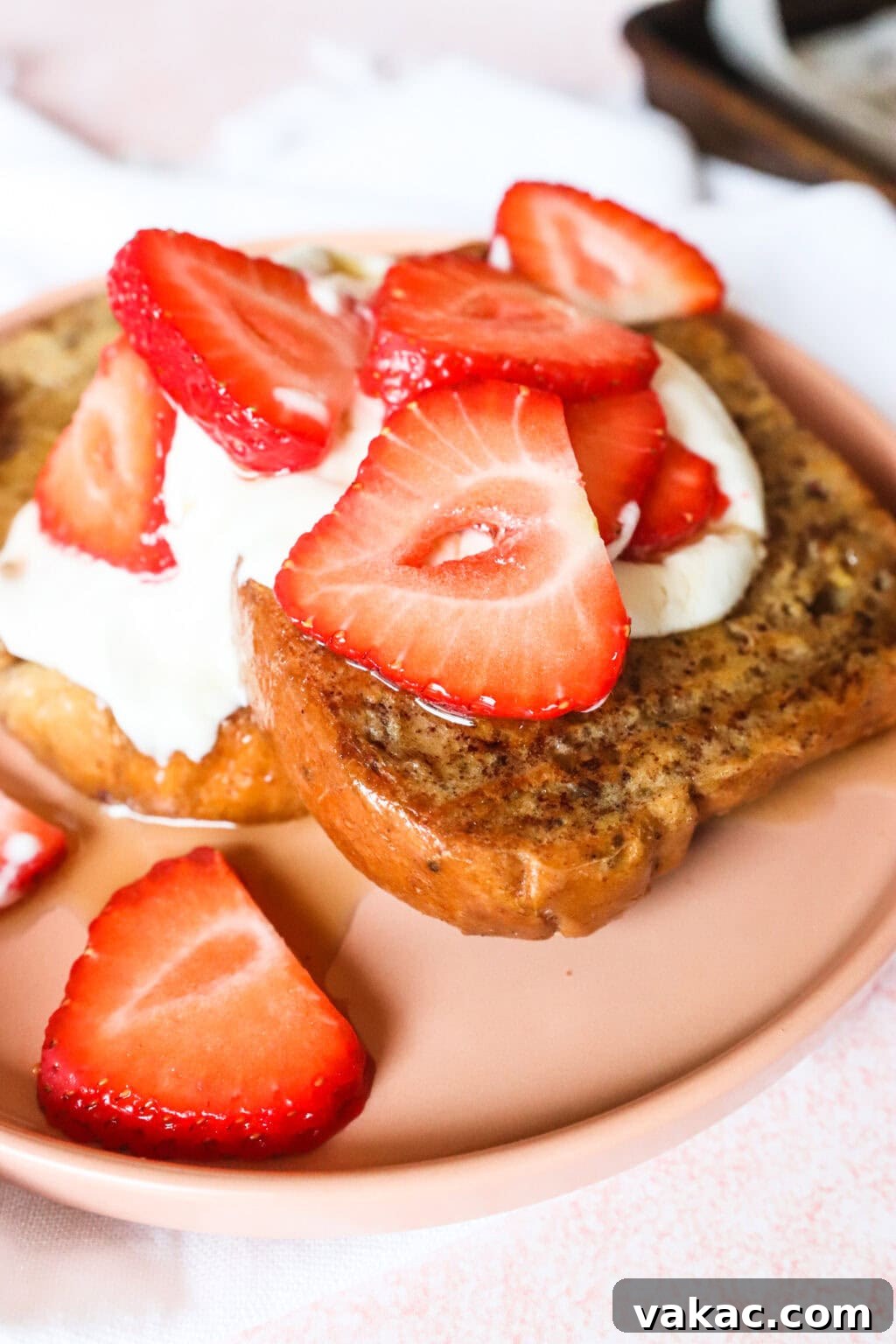
French toast has always been a beloved classic, but its traditional stovetop preparation can be time-consuming and messy, especially when catering to a larger group. That’s precisely why the sheet pan method has become my absolute obsession! Baking French toast in the oven eliminates the need for constant flipping, allowing you to prepare multiple servings simultaneously with minimal effort. This hands-off approach also significantly reduces cleanup, freeing you up to enjoy a leisurely breakfast with your family or mingle with your guests. It’s a game-changer for anyone seeking a delicious, impressive breakfast without the stress.
One of the many charms of this recipe is its remarkable versatility. While I often opt for wholesome choices like whole grain or sprouted bread for a nutritious daily start, providing a valuable boost of fiber and B vitamins, there are times when indulgence calls! For special brunches or when I want to elevate the experience, I love using rich brioche or classic French bread. These options deliver an irresistibly lighter and fluffier texture that truly transforms the dish into a gourmet treat. And as a dietitian, I want to emphasize: not every meal needs to be about nutrition first. If you’re craving that soft, pillowy white bread for this baked French toast, please, savor every bite without an ounce of guilt!
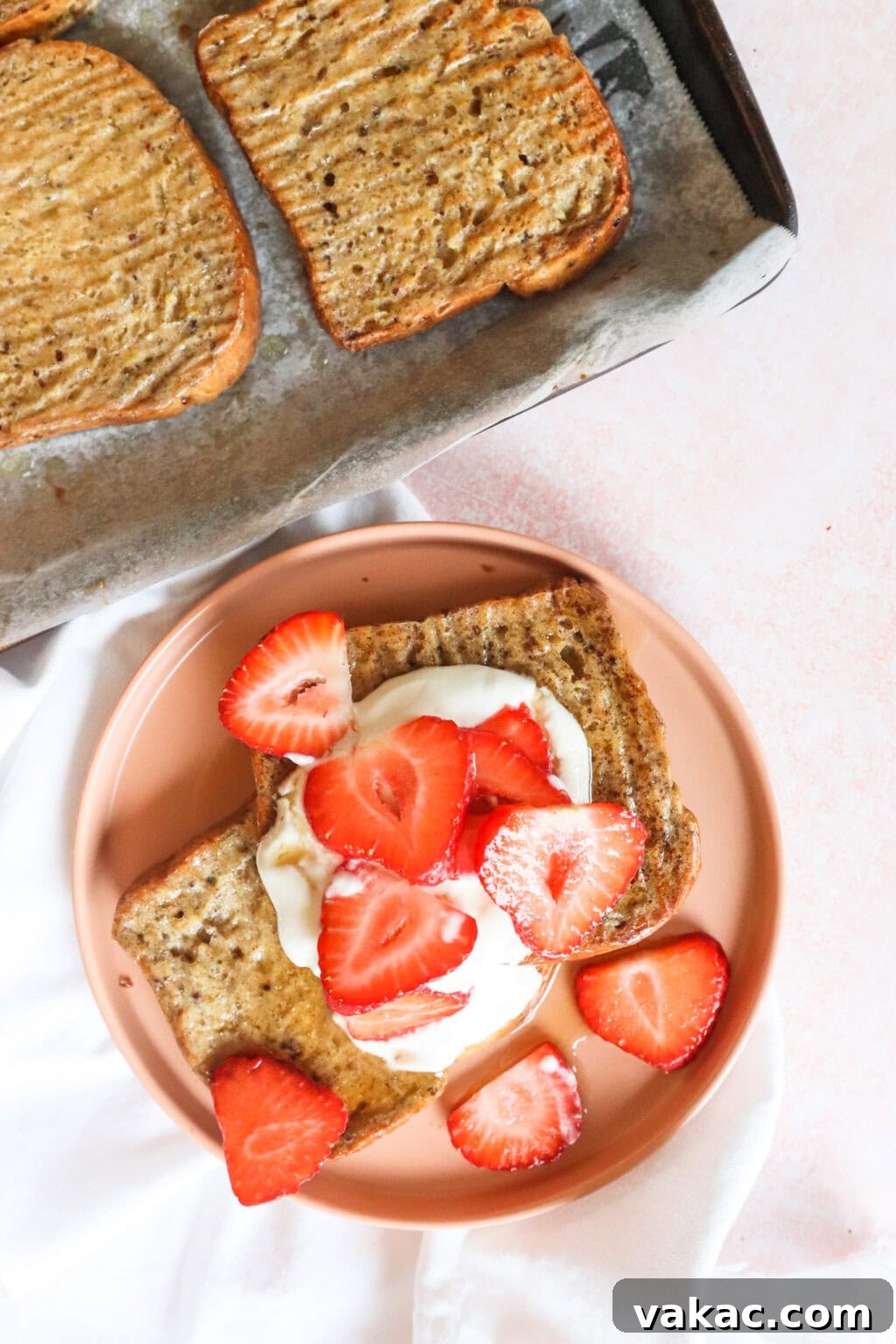
For a truly balanced and delightful experience, I adore topping this French toast with my homemade Whipped Greek Yogurt and a generous scattering of fresh berries. Not only does this combination taste incredible, with the tang of yogurt perfectly complementing the sweet cinnamon and vanilla spices, but it also adds a wonderful nutritional boost, making your breakfast feel satisfying and complete.
Decoding the Deliciousness: Key Ingredients You’ll Need
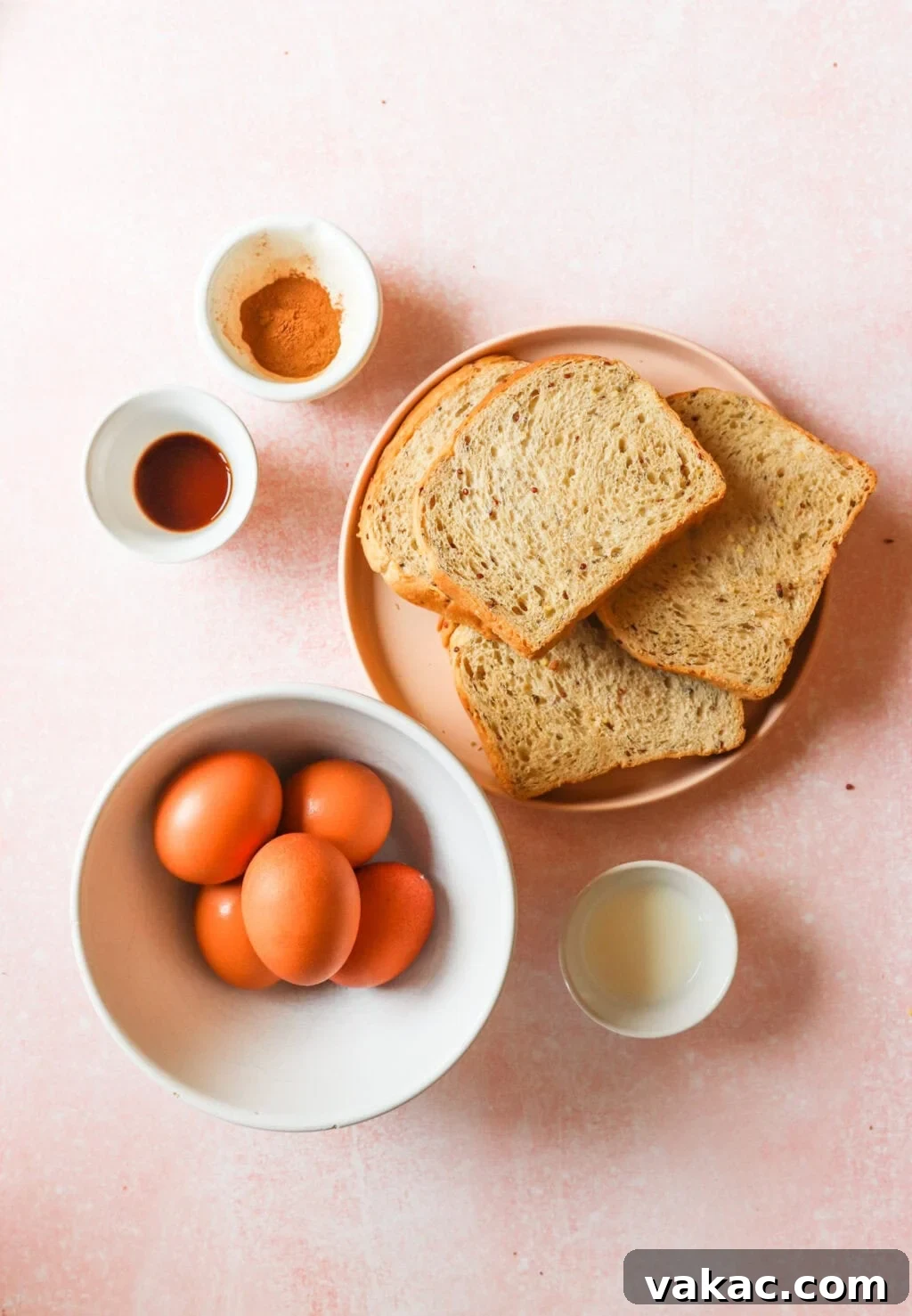
Crafting the perfect sheet pan French toast requires just a few simple, everyday ingredients. Each component plays a crucial role in achieving that coveted golden-brown exterior and custardy interior. Here’s a closer look at what you’ll need and why:
- Bread: The foundation of your French toast! While almost any bread will work, your choice will significantly impact the final texture. Sturdy breads like challah, brioche, or even slightly stale sourdough absorb the egg mixture beautifully without falling apart. For added fiber and nutrients, whole grain or sprouted bread is an excellent option for everyday enjoyment.
- Eggs: The essential binder and flavor enhancer. Eggs provide French toast with its signature rich texture and a healthy boost of protein. They create that delightful custardy interior that makes each bite so satisfying.
- Milk of Choice: Any milk works wonderfully! I typically use 2% milk, but feel free to substitute with whole milk for a richer flavor, or plant-based milks like almond, soy, or oat for a dairy-free option. A vanilla-flavored plant milk can add an extra layer of sweetness and aroma.
- Ground Cinnamon: This warming spice is non-negotiable for classic French toast. It infuses the bread with a cozy, aromatic flavor that truly elevates the dish. For an even deeper spice profile, consider adding a pinch of freshly grated nutmeg.
- Vanilla Extract: A splash of vanilla extract goes a long way in enhancing the overall flavor, adding a subtle natural sweetness and a fragrant bouquet that perfectly complements the cinnamon. Don’t skip this!
- Maple Syrup: A touch of pure maple syrup mixed into the batter adds just the right amount of sweetness, creating a more cohesive flavor profile. I tested this recipe both with and without it and found that a dash really makes a difference. If you plan to serve your French toast without additional maple syrup on top, you might want to increase the amount in the batter slightly to your preference.
- Butter: Essential for greasing the sheet pan, butter ensures a beautiful golden crust and prevents sticking. Melting it directly on the pan in the preheating oven is a clever trick for even coverage and extra flavor.
- Optional Toppings: This is where you can truly personalize your French toast! My favorites include creamy Whipped Greek Yogurt, fresh mixed berries (strawberries, blueberries, raspberries), a drizzle of extra maple syrup, or a dusting of powdered sugar.
Choosing Your Bread: The Foundation of Flavor and Texture
The type of bread you select for your French toast can truly make or break the experience. While the beauty of this sheet pan recipe is its adaptability to almost any bread you have on hand, understanding the characteristics of different varieties will help you achieve your ideal texture and flavor. The key is to choose a bread that is sturdy enough to absorb the egg mixture without becoming overly soggy, yet soft enough to yield a tender interior once baked.
For an everyday, wholesome breakfast, I frequently reach for whole grain or sprouted grain bread. These options not only provide a delightful chew and heartier texture, but they also pack a nutritional punch with extra fiber, protein, and essential B vitamins, keeping you feeling fuller and energized throughout your morning. They absorb the custard well, resulting in a satisfyingly robust French toast.
When the occasion calls for something a bit more luxurious – perhaps a special weekend brunch or when entertaining guests – brioche or challah bread are my top recommendations. These breads are richer, often made with eggs, butter, and milk, which gives them a naturally sweeter flavor and an incredibly light, airy crumb. When soaked and baked, they transform into an unbelievably fluffy, custardy French toast that simply melts in your mouth. Similarly, a good quality French baguette, sliced thickly, can also offer a wonderful light texture.
Even sourdough bread, with its characteristic tang, can be an exciting choice, offering a sophisticated counterpoint to the sweet custard and toppings. The slightly denser crumb of sourdough makes it an excellent candidate for soaking without becoming mushy.
Regardless of your choice, a slightly stale loaf is often preferred. Day-old bread has had some of its moisture evaporate, making it more absorbent and less likely to become soggy when immersed in the egg mixture. If your bread is fresh, you can lightly toast the slices in the oven for 5-10 minutes or leave them out uncovered overnight to achieve this ideal texture.
Experiment with different breads to discover your personal favorite! The wonderful thing about this sheet pan method is that it consistently delivers delicious results, no matter your bread of choice.
Step-by-Step Guide: How to Master Sheet Pan French Toast
This recipe simplifies French toast preparation into a few easy steps, ensuring a delicious outcome every time. Follow along to create a batch of perfectly baked French toast that will impress everyone at your table.
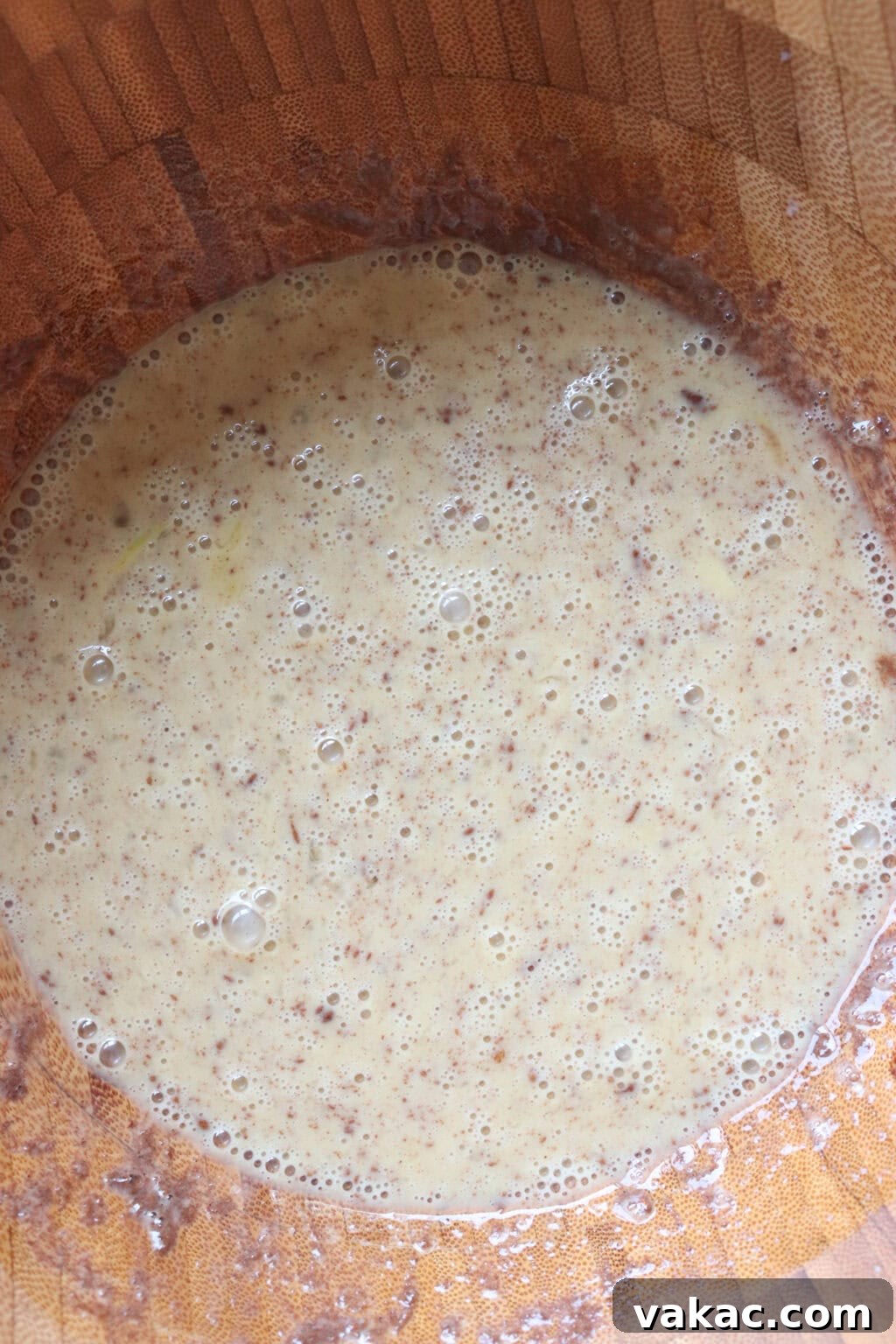
1. Prepare the Custard: In a medium bowl, combine the eggs, milk, ground cinnamon, vanilla extract, and maple syrup. Whisk thoroughly until all ingredients are well combined and the mixture is smooth. Ensure there are no streaks of egg white remaining. This is your flavorful custard.
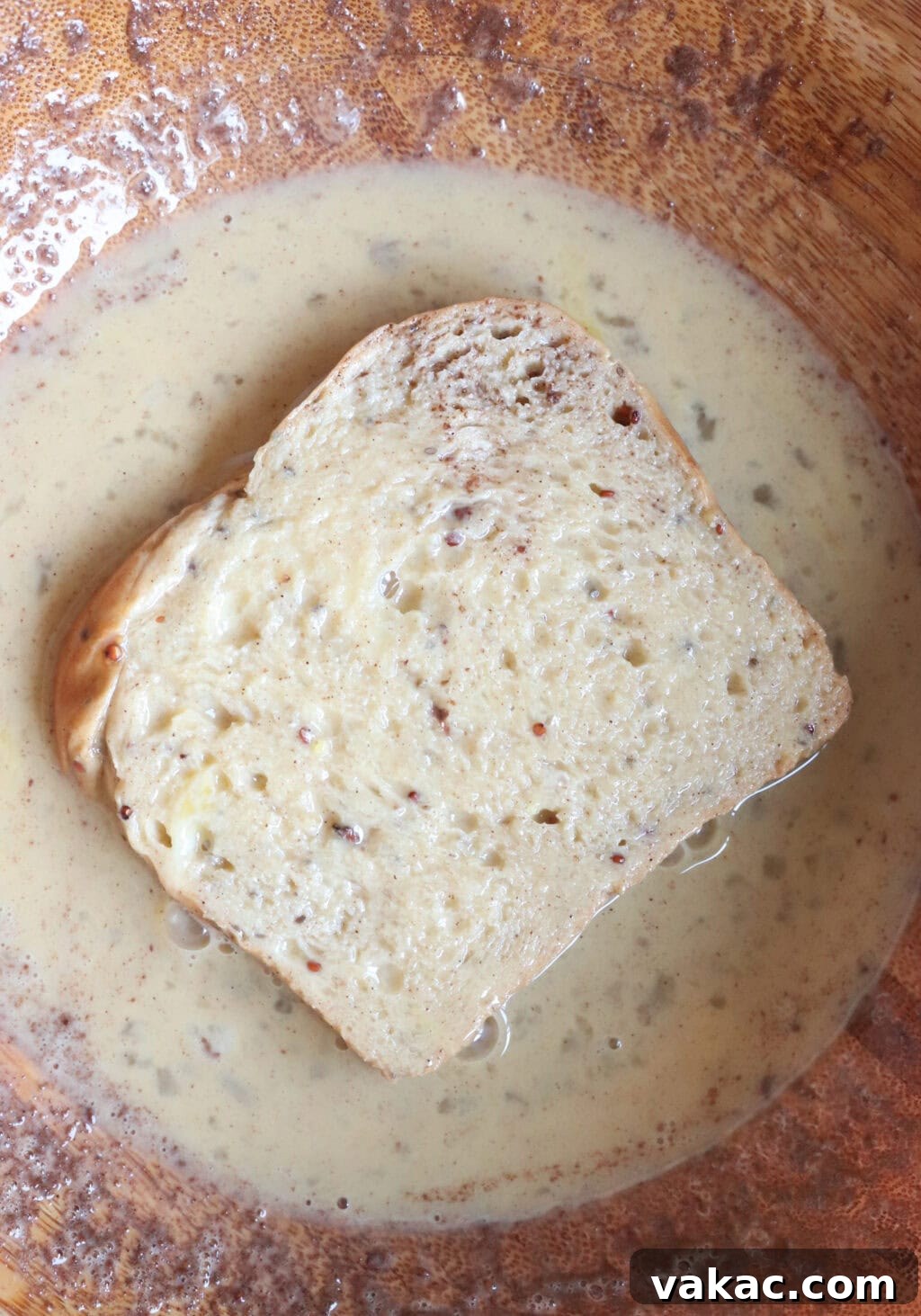
2. Soak the Bread: Working one piece at a time, carefully place a slice of bread into the egg mixture. Allow it to soak for about 10 seconds on each side. The goal is for the bread to absorb enough liquid to become custardy when cooked, but not so much that it becomes saturated and falls apart. If your bread is very dense, it might need a few more seconds.
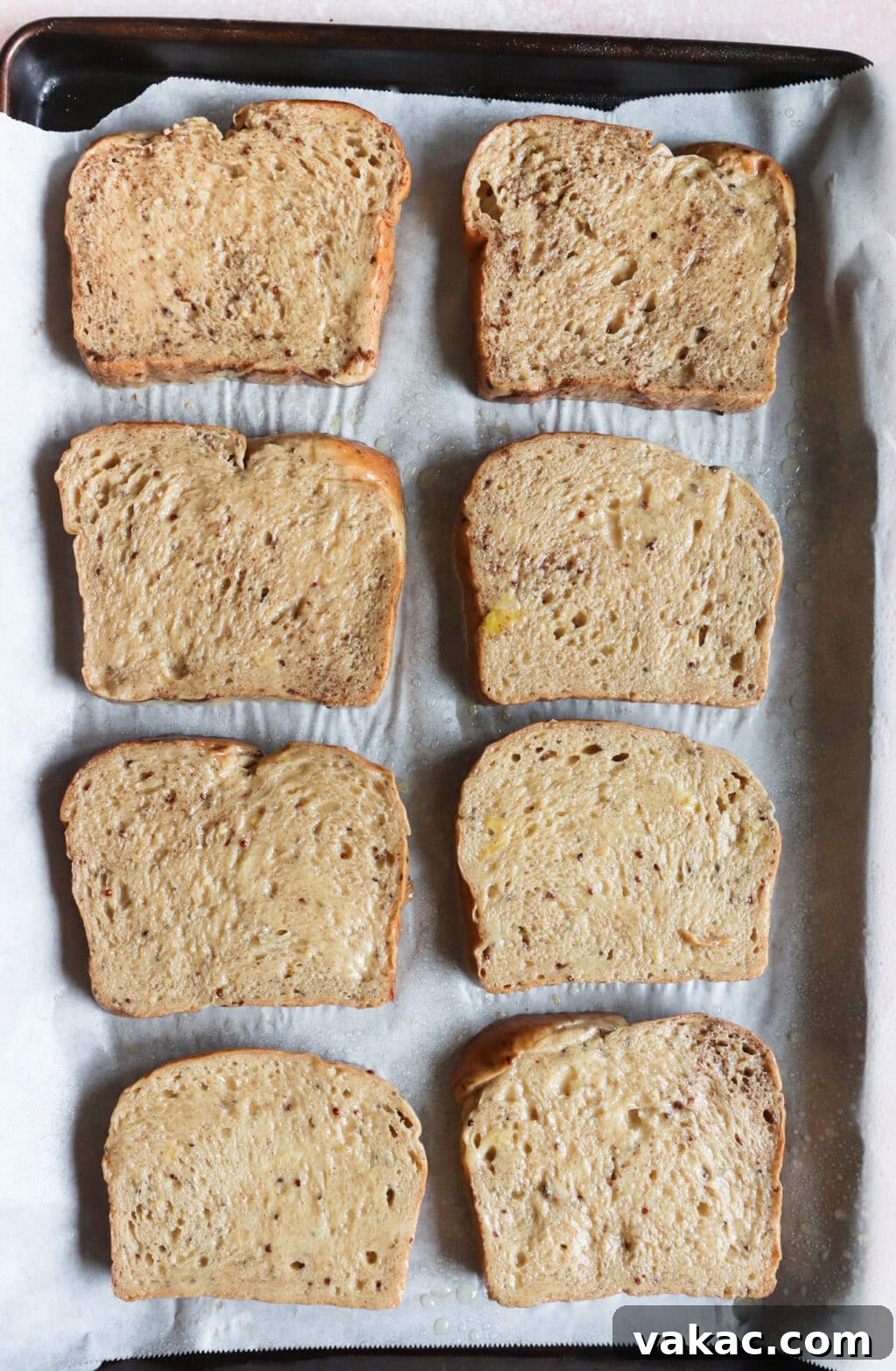
3. Arrange and Bake (First Round): Lift the soaked bread slice, allowing any excess egg mixture to drip back into the bowl. Place the bread onto the prepared baking sheet. Repeat this process with the remaining slices, arranging them in a single layer without overlapping. Bake in the preheated oven for 10 minutes.
4. Flip and Finish Baking: After 10 minutes, remove the sheet pan from the oven. Using tongs or a spatula, carefully flip each piece of French toast to the other side. Return the pan to the oven and bake for an additional 5-7 minutes, or until both sides are golden brown and the French toast is cooked through and fluffy in the center.
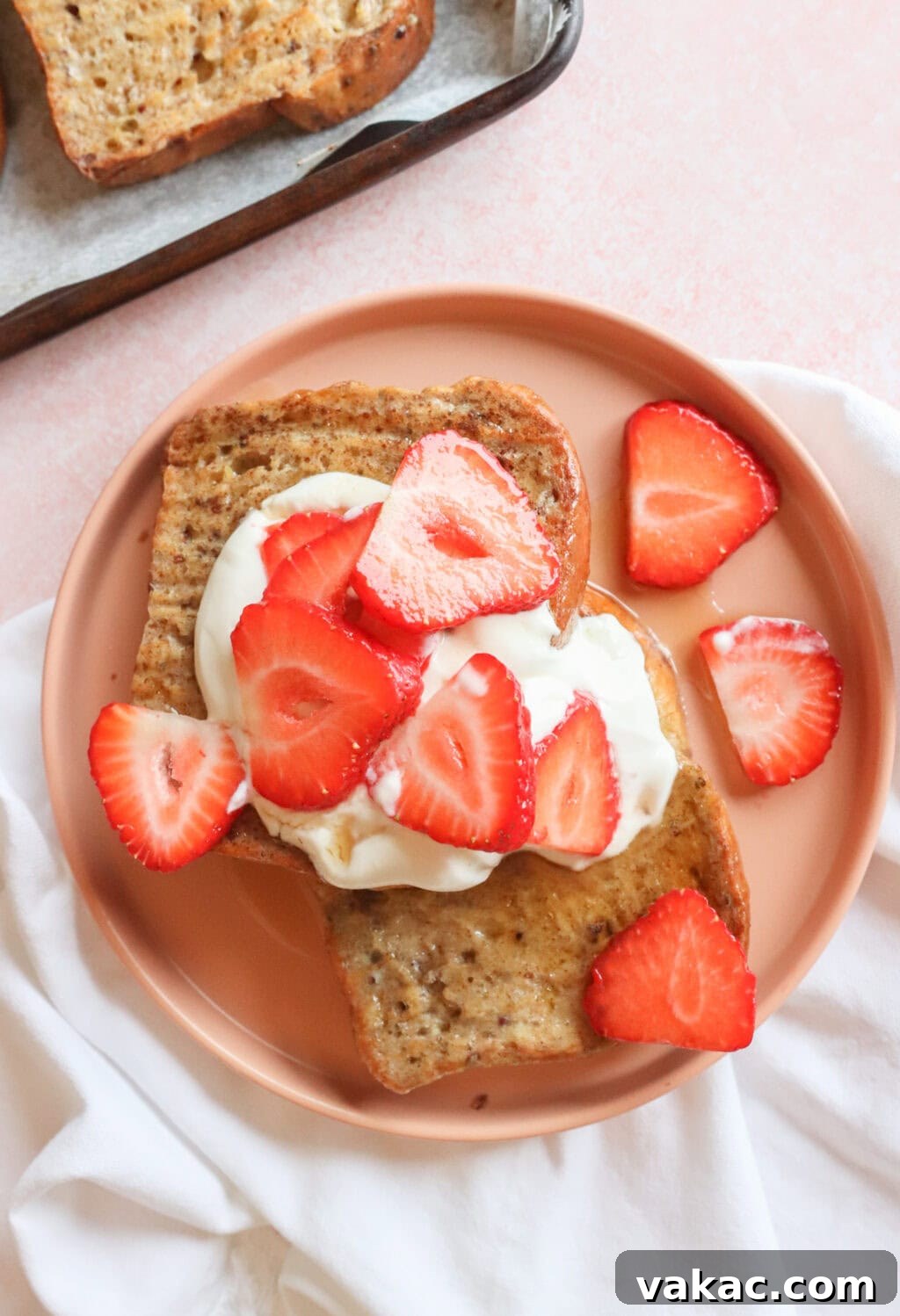
5. Serve and Enjoy: Once baked to perfection, remove the French toast from the oven. Transfer to plates, add your desired toppings, and serve immediately! Enjoy the warm, fluffy, cinnamon-spiced goodness.
Why Sheet Pan French Toast is a Breakfast Game-Changer
Embracing the sheet pan method for French toast is more than just a convenient hack; it’s a revolutionary approach that transforms your breakfast experience. Traditional stovetop French toast requires constant attention, flipping slices one by one, which can be tedious and time-consuming, especially when you’re trying to feed multiple people. The beauty of the sheet pan method lies in its simplicity and efficiency.
Imagine this: instead of hovering over the stove, you can simply arrange all your egg-dipped bread slices on a single sheet pan and let the oven do all the work. This hands-off cooking technique allows you to cook a large batch simultaneously, making it an absolute lifesaver for family breakfasts on busy mornings, or for effortlessly serving a crowd during a brunch gathering. You can truly relax and enjoy your coffee, knowing that perfectly golden, evenly cooked French toast is baking away.
Beyond the sheer convenience, the sheet pan also ensures consistent results. The radiant heat of the oven cooks the French toast evenly, creating a delightfully crispy exterior and a soft, custardy interior every single time. Plus, cleanup is an absolute breeze. By lining your sheet pan with parchment paper, you can simply toss the paper away after baking, leaving you with minimal washing up. This time and effort saved on cooking and cleaning means more precious moments spent enjoying a delicious meal with loved ones, transforming breakfast from a chore into a joyous occasion.
The Secret to Perfect French Toast: Soaking and Baking
Achieving that ideal balance of a crispy exterior and a custardy, tender interior in your French toast hinges on two critical steps: proper soaking and effective baking. Understanding the science behind these processes ensures a consistently delicious outcome.
The Art of Soaking: The goal when soaking bread in the egg mixture (or “custard”) is to allow it to absorb enough liquid to become rich and flavorful without turning mushy. Different types of bread will have varying absorption rates. Denser breads, like challah, brioche, or slightly stale sourdough, can typically handle a longer soak (around 10-15 seconds per side) because their structure is robust enough to hold up. Lighter, softer breads, especially fresh ones, might only need 5-8 seconds per side. Over-soaking will lead to a soggy, disintegrated French toast, while under-soaking will result in a dry, egg-coated slice of bread. The visual cue is key: the bread should feel heavier and appear thoroughly moistened, but still maintain its structural integrity when lifted.
The Magic of Baking: Baking French toast on a sheet pan offers several advantages over stovetop cooking. First, it provides a consistent and even heat distribution, ensuring that every piece cooks uniformly. This eliminates the dreaded “hot spots” of a skillet, where some pieces might burn while others remain undercooked. The dry heat of the oven helps to create a beautiful golden-brown crust on both sides, while gently cooking the interior to a fluffy, custardy perfection. The initial bake time allows the custard to set, and the subsequent flip ensures both sides develop that desirable crispness and color. Furthermore, baking reduces the need for excessive oil or butter compared to pan-frying, resulting in a slightly healthier and less greasy end product. This hands-off method truly transforms French toast from a meticulous task into a delightful, fuss-free breakfast.
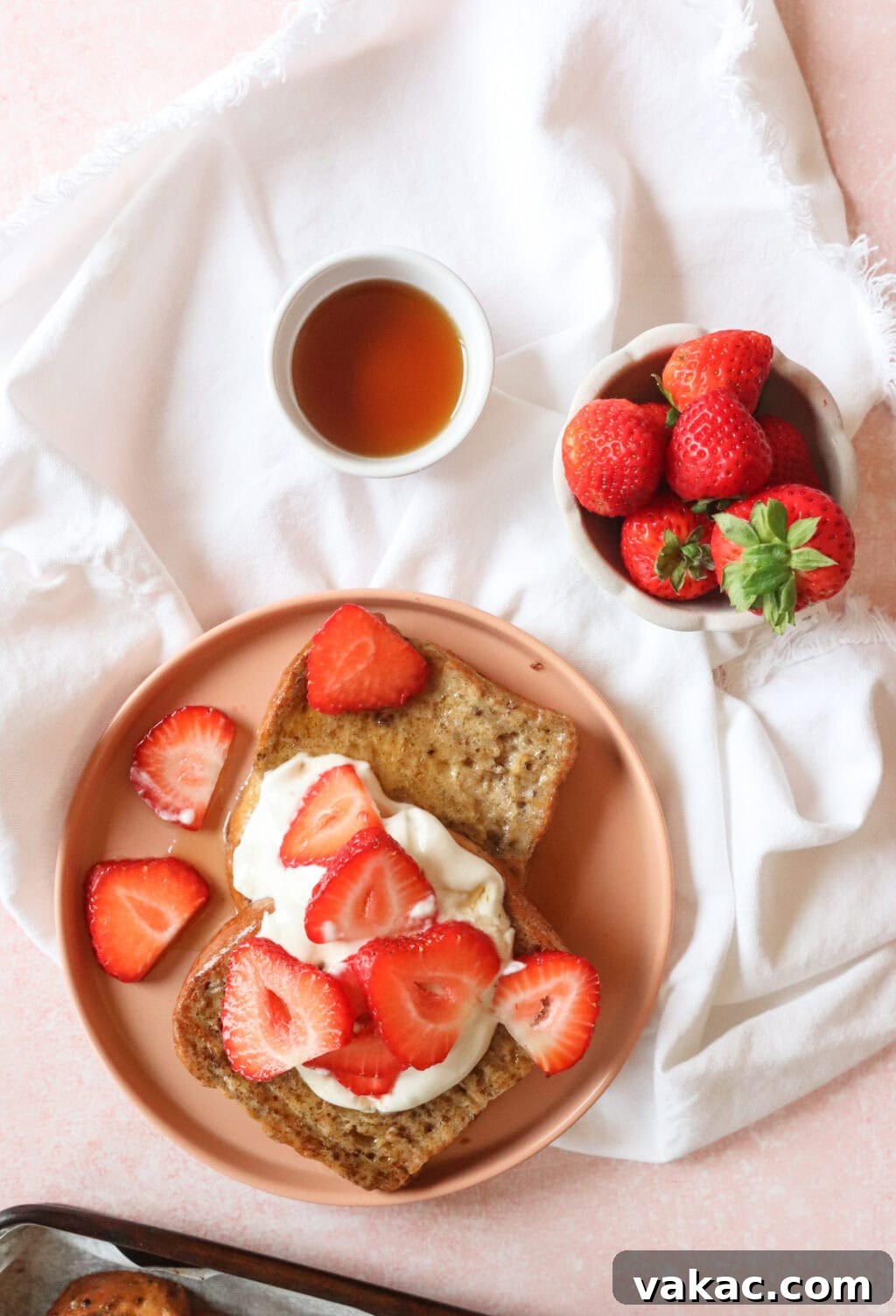
Nutrition Spotlight: Adding Value to Your Breakfast (Nutrition by Addition)
At the heart of a balanced approach to eating is the philosophy of “nutrition by addition” – focusing on what you can *add* to your meals to enhance their nutritional value and enjoyment, rather than just what to restrict. This baked French toast recipe perfectly embodies that concept, offering both incredible flavor and meaningful nourishment to start your day.
Let’s consider the components:
- Eggs: These powerhouses are a fantastic source of high-quality protein, which is crucial for satiety, muscle repair, and overall body function. Beyond protein, eggs are rich in essential micronutrients like Vitamin D, important for bone health and immune function, and Choline, vital for brain health and metabolism. Including eggs in your French toast automatically boosts its nutritional profile significantly.
- Whole Grain Bread (if chosen): Opting for whole grain or sprouted bread over white bread introduces a substantial amount of dietary fiber. Fiber is a true hero for digestion, promoting regularity and supporting a healthy gut microbiome. More importantly, fiber helps to stabilize blood sugar levels, preventing the sharp spikes and crashes often associated with refined carbohydrates. This means you’ll feel fuller for longer and maintain more consistent energy throughout your morning. Whole grains also provide B vitamins, which are crucial for energy production.
- Whipped Greek Yogurt (optional topping): This simple addition is a game-changer! Greek yogurt is packed with protein and often probiotics, further contributing to satiety and gut health. Its creamy texture and tangy flavor not only complement the sweet French toast beautifully but also add calcium and a feeling of freshness. Paired with fresh berries, you’re loading up on antioxidants and additional fiber.
While we highlight these nutritional benefits, it’s always important to remember that not every meal has to be about optimizing nutrition above all else. Sometimes, the primary goal is simply to enjoy a delicious meal that brings you joy and satisfaction. This recipe allows you to achieve both – enjoy the comforting indulgence of French toast while also making mindful choices that contribute to your overall well-being. It’s about finding that delightful balance!
Elevate Your Breakfast: Creative Topping Ideas
While classic maple syrup is always a winner, the beauty of French toast lies in its versatility when it comes to toppings. Here are some fantastic ideas to elevate your sheet pan French toast from simple to spectacular:
- Whipped Greek Yogurt & Fresh Berries: As mentioned, this is my absolute favorite! The creamy, tangy Greek yogurt provides a wonderful counterpoint to the sweet French toast, and fresh berries (strawberries, blueberries, raspberries, or mixed) add a burst of freshness, natural sweetness, and a healthy dose of antioxidants. It’s a beautifully balanced combination.
- Fruit Compotes & Sauces: Beyond fresh fruit, homemade or store-bought fruit compotes are delightful. Think warm berry compote, apple cinnamon, peach, or cherry sauce. A simple lemon curd also offers a bright, zesty contrast.
- Nuts & Seeds: Add crunch and healthy fats with toasted chopped pecans, walnuts, almonds, or a sprinkle of chia seeds or hemp hearts.
- Chocolate Delights: For a more decadent treat, scatter some chocolate chips (milk, dark, or white) over the warm French toast, or drizzle with a rich chocolate sauce.
- Sweet Spreads: A spoonful of hazelnut spread, almond butter, or peanut butter can add a rich, nutty flavor and extra protein. Warm it slightly for easier spreading.
- Powdered Sugar & Spice: A simple dusting of powdered sugar makes French toast look elegant and adds a subtle sweetness. For extra flavor, mix a pinch of cinnamon or nutmeg into the powdered sugar before dusting.
- Citrus Zest: A little grated orange or lemon zest can brighten the entire dish and add a sophisticated aroma.
Don’t be afraid to mix and match! A dollop of whipped Greek yogurt with a sprinkle of toasted almonds and a drizzle of honey creates a layered experience. The possibilities are truly endless, allowing you to customize your French toast to suit any craving or occasion.
Beyond the Basic: Tips, Tricks, and Meal Prep Hacks
Making delicious French toast even easier is possible with these clever hacks, ensuring you can enjoy this delightful breakfast more often, even on your busiest days.
- Double the Recipe: This sheet pan method is ideal for scaling up. Easily double or even triple the recipe to feed a larger crowd without extra effort. Simply use two sheet pans and rotate them in the oven if needed for even cooking. This also makes it perfect for batch cooking and meal prepping for the week ahead.
- Make-Ahead Batter: Whisk together the egg mixture the night before and store it in an airtight container in the refrigerator. In the morning, simply give it a quick whisk and proceed with soaking and baking. This shaves off valuable minutes during the morning rush.
- Freezing for Future Feasts: Sheet pan French toast freezes beautifully! Once completely cooled, layer the cooked slices with parchment paper in between (to prevent sticking) inside a freezer-safe container or reusable freezer bag. When ready to eat, simply pop them directly into a toaster, toaster oven, or reheat in a regular oven until warmed through and slightly crispy. It’s a fantastic way to have a quick, homemade breakfast available any day of the week.
- Use Pre-Sliced Bread: Save precious prep time by buying pre-sliced bread. This also ensures all your slices are of consistent thickness, promoting even soaking and cooking.
- Quick Cleanup: Always line your sheet pan with parchment paper! This simple step makes cleanup virtually nonexistent. No sticky residue, no scrubbing – just toss the paper and enjoy your day.
- Reheating Leftovers: The best way to reheat any leftover French toast (if there are any!) is in a toaster oven or regular oven at 350°F (175°C) for about 5-10 minutes, or until warm and slightly crisp. This helps restore its texture, unlike a microwave which can make it soft.
By incorporating these simple tips and tricks, you can enjoy the incredible flavor and convenience of sheet pan French toast with even greater ease, transforming it into a regular, stress-free indulgence.
Frequently Asked Questions (FAQ) About Sheet Pan French Toast
Here are answers to some common questions about making and enjoying sheet pan French toast:
Q: Can I prepare the French toast ahead of time and bake it later?
A: While the batter can be made ahead and stored in the fridge, it’s best to soak the bread just before baking. Soaking bread too far in advance can lead to a very soggy texture. However, you can bake a whole batch, let it cool, and then freeze it. Reheat from frozen for a quick breakfast.
Q: What if I don’t have a sheet pan? Can I use a baking dish?
A: Yes, absolutely! A large baking dish (like a 9×13 inch casserole dish) will work perfectly. You might need to arrange the slices slightly differently or cook in batches if your dish is smaller. Ensure the butter is melted and brushed evenly to prevent sticking.
Q: My French toast came out soggy. What went wrong?
A: Soggy French toast is usually a sign of over-soaking the bread or using a very fresh, soft bread that absorbs too much liquid too quickly. Try using slightly stale bread, soaking for less time (especially if using soft bread), and ensuring any excess batter drips off before placing it on the pan.
Q: Can I make this gluten-free?
A: Yes! Simply substitute with your favorite gluten-free bread. Be aware that gluten-free breads can sometimes be more delicate, so soak them for a shorter period to prevent them from falling apart.
Q: How long can cooked French toast be stored in the refrigerator?
A: Cooked French toast can be stored in an airtight container in the refrigerator for up to 3-4 days. Reheat using a toaster, toaster oven, or conventional oven for best results.
Q: Can I add extra flavorings to the egg mixture?
A: Definitely! Get creative with spices like cardamom or a pinch of pumpkin pie spice for seasonal twists. A tiny splash of almond extract or orange zest can also add a unique aroma and flavor.
More Crowd-Pleasing Breakfast Recipes You’ll Love
- High Protein Cottage Cheese Pancakes
- Sheet Pan Breakfast Bake
- Meal Prep Burritos
Watch how to make it here!
If you make this Sheet Pan French Toast, it would make my day if you would leave a comment and/or star rating below—I love hearing your feedback! And don’t forget to snap a pic and tag me on Instagram @lindsaypleskot.rd so I can see your versions! It makes me so happy to see these recipes come to life in your kitchens! Xo

The Feel-Good Meal Plan
My Bestselling Cookbook is Now Available!
A fresh take on meal prep with over 100 nourishing recipes to feed your family with ease.
Fluffy Cinnamon Spiced Sheet Pan French Toast
5 Stars
4 Stars
3 Stars
2 Stars
1 Star
No reviews
- Author: Lindsay Pleskot, RD
Prep Time: 10 minutes
Cook Time: 17 minutes
Total Time: 27 minutes
Yield: 4-6 servings
Category: Breakfast
Method: Bake
Cuisine: American
Diet: Vegetarian
Description
This 30-minute sheet pan French toast is the ultimate no-fuss breakfast! Once you try it this way, you’ll never make it in a skillet again. Baked in the oven, it’s perfect for entertaining or busy mornings with kids—no hovering over the stove required. Top it with this Greek yogurt Whip which pairs perfectly with the cinnamon and vanilla spices!
Ingredients
Scale
- 1–2 tablespoons butter
- 8 slices of bread (preferably slightly stale, about ½-inch thick)
- 5 large eggs
- ½ cup milk of choice (whole milk, 2%, or plant-based)
- ½ teaspoon ground cinnamon
- 1 teaspoon vanilla extract
- 1 tablespoon pure maple syrup
- Optional toppings: Whipped Greek yogurt & fresh berries, extra maple syrup, powdered sugar
Instructions
- Preheat your oven to 375ºF (190°C).
- Line a rimmed sheet pan (approx. 13×18 inches) with parchment paper. Add 1 tablespoon of butter onto the pan. Place the pan in the oven as it preheats to allow the butter to melt. Once melted, use a pastry brush to evenly coat the parchment paper with butter.
- In a medium bowl, whisk together the eggs, milk, cinnamon, vanilla extract, and maple syrup until well combined.
- Working one piece at a time, carefully place a slice of bread into the egg mixture. Let it soak for about 10 seconds per side (adjust based on bread density – less for softer bread, slightly more for denser). Allow any excess egg mixture to drip off before placing the bread onto the prepared baking sheet in a single layer. Repeat with all remaining slices.
- Bake for 10 minutes. Remove the sheet pan from the oven and carefully flip each piece of French toast. Return to the oven and bake for another 5-7 minutes, or until both sides are golden brown and cooked through with a fluffy interior.
- Transfer the French toast to plates, add your desired toppings, and serve immediately. Enjoy your effortless and delicious breakfast!