

Are you considering a juice cleanse to effortlessly flush out toxins and boost your health? The promise of cleansing your body with just a glass of fresh-pressed cranberry juice sounds incredibly appealing. But are these marketing claims truly supported by science, or are they just another enticing trap laid by the diet industry that often leads us astray? Today, we take a deep dive into the real facts behind juice cleanses: what they are, whether there’s any truth to their claims of detoxifying the body, their purported benefits versus significant risks, and three practical, sustainable alternatives you can adopt instead.
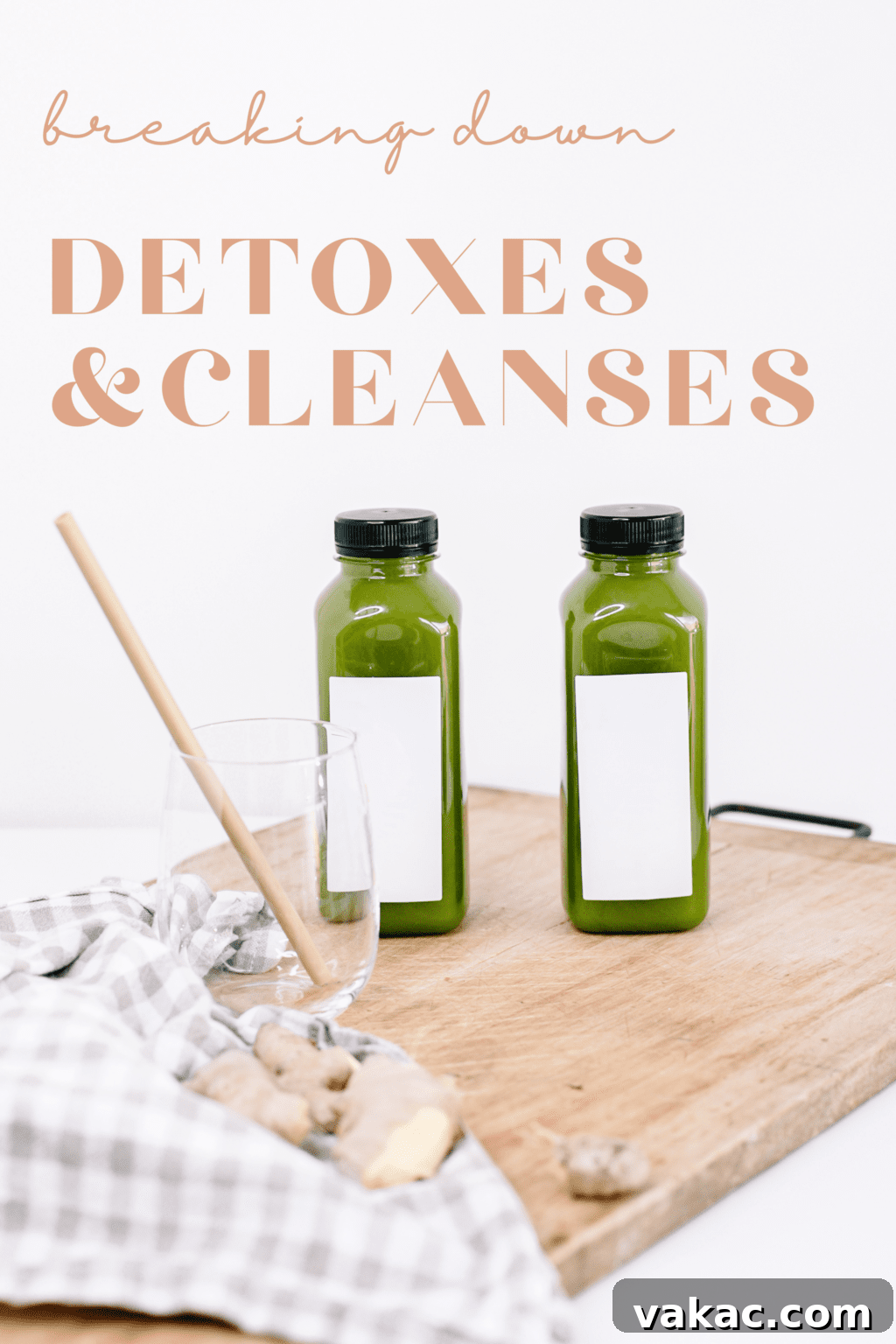
The terms “cleansing,” “purifying,” and “detoxifying” have become ubiquitous in modern wellness discussions. What do these words truly have in common? They have all been subtly co-opted by diet culture to cultivate a belief that you are somehow inadequate, that your body is inherently ‘unclean,’ or even ‘toxic,’ and that immediate, drastic action is required to fix it.
This pervasive obsession with ‘wellness’ is a remarkably effective strategy for the diet industry to line its pockets. It extends far beyond the singular goal of weight loss; it’s about positioning itself as the ultimate solution for purging your body of every perceived ‘bad’ decision you’ve ever made, promising a return to an idealized state of ‘purity.’ And, with uncanny convenience, the ‘solution’ is almost always packaged as an expensive product or a restrictive, short-term regimen.
As an intuitive eating dietitian, my primary goal is to empower you with factual, evidence-based information. I want to equip you with the knowledge to make confident and informed decisions about your eating habits, free from guilt and external pressures. In today’s comprehensive article, we will thoroughly explore what juice cleanses entail, critically examine the scientific validity of their claims about detoxifying the body, outline their often-exaggerated benefits alongside their very real risks, and present three sustainable, health-promoting alternatives that genuinely support your body’s natural wisdom.
What Exactly Is a Juice Cleanse, and How Does It Work?
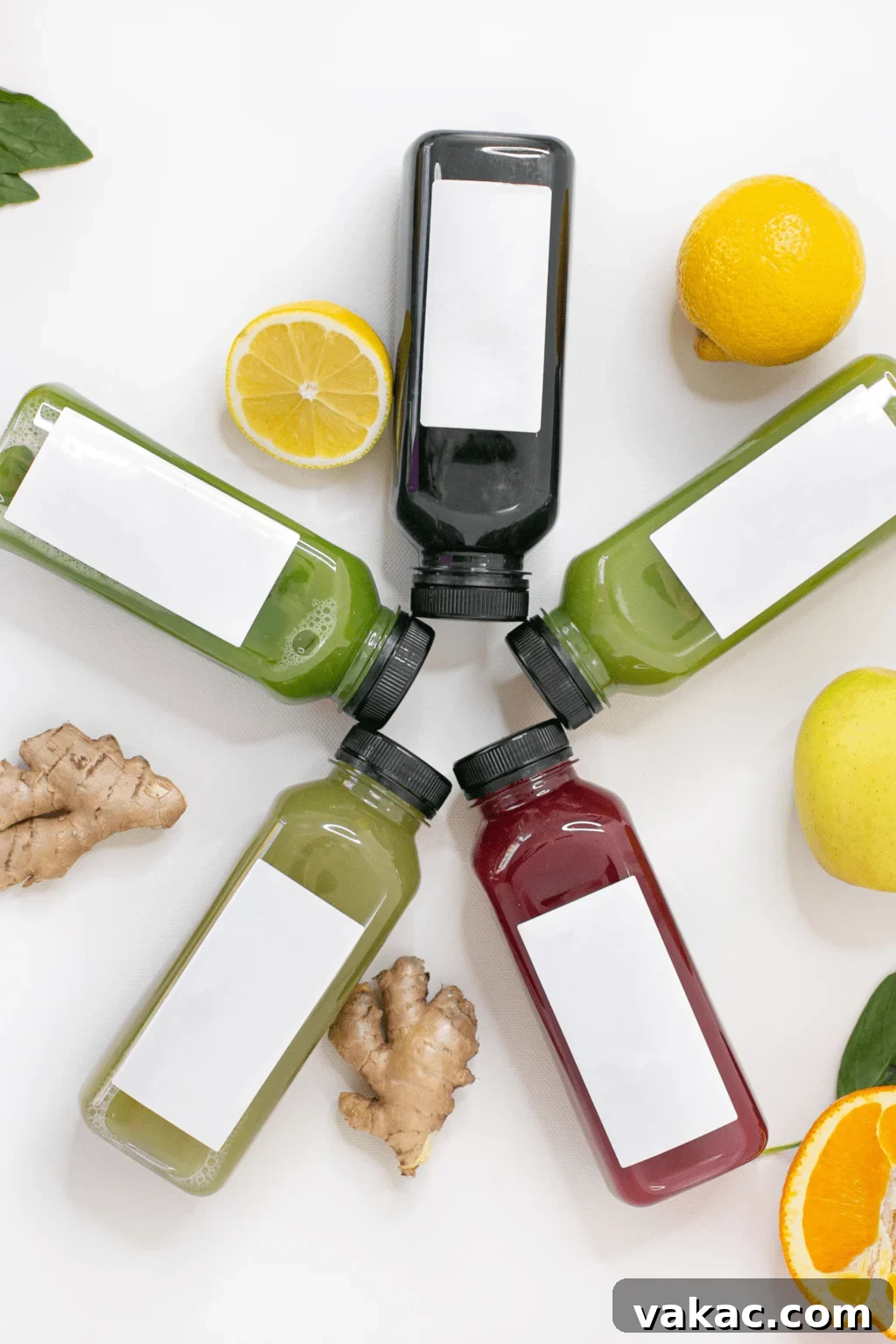
While the specific protocols can vary widely, most juice cleanses share common characteristics: they primarily involve the exclusive consumption of freshly squeezed juices derived from organic fruits and vegetables. The duration of these cleanses is typically restrictive, often ranging from an intense 3 days to several weeks. Beyond just juices, some cleansing programs may also demand the purchase of additional ‘detoxifying’ supplements, specialized teas, or laxatives, all marketed as essential aids to help ‘reset’ the body and enhance the detoxification process.
One particularly famous, and arguably the most popular, juice cleansing protocol of its era was the Master Cleanse, initially promoted by Stanley Burroughs. This highly stringent method required participants to drink nothing but a specific concoction made from lemon juice, purified water, maple syrup, and cayenne pepper for a demanding period of 10 consecutive days, or even longer in some cases. The Master Cleanse gained immense traction, especially among various celebrities, including high-profile figures like Beyoncé and Demi Moore. It was widely endorsed with sweeping claims that it could miraculously purify the body of toxins, dramatically increase energy levels, and significantly improve mental clarity. The allure of such rapid transformations, coupled with celebrity endorsements, propelled its popularity despite a profound lack of scientific evidence to back its extravagant claims.
Can Juice Cleanses Actually Detoxify Your Body? The Scientific Reality.
The prevalent marketing surrounding juice cleanses often paints a dire picture, attributing everything from weight gain and chronic brain fog to complex digestive and hormonal issues to the omnipresent “toxins” in our food system, water supply, and environment. These clever marketing ploys lead us to believe that the only effective way to eliminate these accumulated toxins from our bodies is through rigorous, external flushing mechanisms like juice cleanses or specialized ‘skinny’ teas. But, is there any credible scientific evidence whatsoever to support these bold and often lucrative claims?
A comprehensive review published in the esteemed Journal of Human Nutrition and Dietetics meticulously investigated the scientific backing for various detox diets. Its conclusive finding was unambiguous: despite the explosive growth and increasing profitability of the diet industry, there is remarkably little clinical evidence to support the efficacy or necessity of detox diets for human health. This scientific consensus directly challenges the foundational premise of juice cleanses.
The undeniable truth is that our bodies possess incredibly sophisticated, naturally built-in systems that continuously filter, process, and efficiently excrete toxins and waste products. These remarkable internal mechanisms operate 24/7, without requiring any external ‘cleansing’ intervention from expensive juices or supplements.
Our vital organs – specifically the liver, kidneys, lungs, digestive tract, and even the skin – are the primary contributors to these intricate detoxifying pathways. The liver, often hailed as the body’s master detoxifier, performs a complex two-phase process to neutralize and transform harmful substances into less toxic compounds that can then be safely eliminated. The kidneys work tirelessly, filtering gallons of blood every day to remove waste products and excess water, which are then excreted via urine. Our lungs play a crucial role in expelling gaseous waste products, such as carbon dioxide, while the digestive tract processes food, absorbs nutrients, and eliminates solid waste. For these critical systems to function optimally and perform their detoxifying roles effectively, they require a consistent and adequate supply of calories, essential proteins, healthy fats, and a wide array of micronutrients. Therefore, while you might sincerely believe you are supporting these pathways by following a juice cleanse, the severely restrictive nature of such diets can paradoxically hinder and even harm these delicate systems due to insufficient nutritional input, rather than aiding them.
Ready to Transform Your Relationship with Food?
Moving beyond the ‘what’ to the ‘why’ and ‘how’ you eat is transformative. Explore the emotional and physical patterns that influence your food choices and discover a path to true food freedom today.
Unpacking the Perceived Benefits of Juice Cleanses
Despite the lack of scientific validation for their detox claims, proponents of juice cleanses frequently highlight a few perceived advantages. Let’s examine these proposed benefits and understand the underlying dynamics at play.
1. Can Provide an Easy Way to Increase Fruit and Vegetable Intake (But with Key Nutritional Compromises)
Some individuals find it significantly easier to consume a large volume of fruits and vegetables in liquid form through juicing. Because the juicing process extracts the liquid and removes the fibrous pulp, one glass of juice can indeed contain the nutrient essence of 4-5 servings of produce. Fruits and vegetables are unequivocally packed with an abundance of health-promoting nutrients, including a wide array of powerful phytochemicals, essential antioxidants like beta-carotene (a precursor to vitamin A), vitamin C and E, and vital minerals such as magnesium, zinc, and folic acid. These compounds are crucial for combating oxidative stress and effectively lowering inflammation throughout the body. However, the critical caveat here is the intentional removal of dietary fiber, which is an indispensable component of whole produce and offers numerous benefits that are lost in the juicing process.
2. Proposed Impact on Increased Energy and Mood (Often a Result of Lifestyle Changes or Placebo Effect)
There are countless anecdotal accounts from enthusiastic juice cleanse supporters who claim to feel noticeably better, more focused, and significantly more energized during and after completing a cleanse. While these subjective experiences are genuinely felt by many, it’s vital to consider alternative explanations. Juice cleanses typically strictly forbid the consumption of alcohol, highly processed foods, excessive sugars, and caffeine. For individuals whose regular diets included large quantities of these substances, the mere cessation of these common irritants can lead to a significant, albeit temporary, improvement in overall mood and energy levels. This improvement might be attributed to withdrawal from processed foods or caffeine, rather than any unique “detoxifying” property of the juice itself. Furthermore, the psychological effect of engaging in a perceived ‘healthy’ or ‘cleansing’ activity can trigger a powerful placebo response, contributing to feelings of well-being and improved mental clarity.
3. Short-Term Weight Loss (Primarily Water Weight, Not Sustainable Fat Reduction)
Many individuals report losing a significant amount of weight in a short period by following a juice cleanse. However, this rapid initial weight loss is overwhelmingly attributed to the depletion of water stores, not a sustainable reduction in body fat. When the body undergoes a state of semi-starvation due to severe caloric restriction, as is the case with most juice cleanses, it quickly burns through its glycogen reserves, which are stored in your liver and muscles. Glycogen is the body’s primary mechanism for storing glucose (our immediate energy source) for emergencies, and each gram of glycogen is bound to approximately 3-4 grams of water. As these glycogen stores are utilized, the associated water is released and excreted, leading to a noticeable but purely temporary drop on the bathroom scale.
Moreover, sustaining a juice cleanse for any significant period is incredibly difficult and ultimately unsustainable. So, while you may experience initial weight loss, you are highly likely to regain that weight, and often even more, once you return to your normal eating patterns. This phenomenon is not due to a lack of willpower on your part; it is a powerful and entirely natural biological drive for survival. We delve much deeper into the compelling science behind Why Diets Don’t Work here, explaining how your body’s inherent mechanisms fight against restrictive dieting.
Now On To The Serious Risks: Why Juice Cleanses Can Be Harmful
Embracing any diet that severely limits you to just one food group or drastically restricts essential nutrients carries a multitude of potential health risks that are important to acknowledge.
1. Decreased Metabolism and Muscle Wasting
When you embark on a juice cleanse, you are consciously depriving your body of adequate calories, essential fats, and crucial protein. The cells in your body do not interpret this deprivation as an intentional ‘cleansing’ diet; instead, they perceive it as a threat – a state of famine. Your body is biologically wired for survival, so if it stops receiving a consistent and adequate supply of calories, it will instinctively lower its metabolic rate to conserve energy, becoming far more efficient with the limited fuel it has. This metabolic slowdown can make it significantly harder to manage weight in the long term. Furthermore, inadequate caloric and protein intake can compel your body to break down lean muscle tissue. Muscle is metabolically active, and its breakdown provides amino acids that can be converted into glucose to fuel your brain (as glucose is its primary and preferred fuel source). Without enough amino acids in the diet, the body’s critical muscle repair and maintenance pathways will be severely impaired. Consequently, losing this metabolically active lean muscle tissue may further drive down your basal metabolic rate, making it even more challenging to burn calories efficiently, even at rest.
2. Promotes Disordered Eating Patterns and Harmful Weight Cycling
Beyond the immediate physical discomforts such as fatigue, persistent headaches, and increased irritability, severely limiting your calorie intake can profoundly intensify your preoccupation with food, often leading to obsessive thoughts and behaviors around eating. We discuss in more detail how restriction, both mental and physical, can lead to feeling chaotic and obsessed with food here.
Such extreme restriction is a significant risk factor for the development and perpetuation of various forms of disordered eating, including emotional eating and bingeing. We frequently illustrate how restriction fuels intense cravings and subsequent chaotic overeating by imagining a bow and arrow. The more you pull back on the bow (the more you restrict), the greater the tension and pressure build, until it eventually snaps and shoots to the other side, often resulting in a powerful and uncontrolled binge. If this vivid analogy resonates with you and you’re exhausted by falling into this relentless pattern, we offer 3 powerful ways to break free from the binge-restrict cycle.
Additionally, because juice cleanses are by their very nature extremely difficult to sustain over the long term, this type of crash dieting typically promotes rapid short-term weight loss followed by inevitable rebound weight gain. It’s not uncommon for individuals to regain more weight than they initially lost, creating a harmful pattern known as weight cycling or “yo-yo dieting.” We know that consistently losing weight only to regain it (and often more) is detrimental to our overall health. If this experience sounds all too familiar to you, here are 3 actionable strategies to stop yo-yo dieting immediately and cultivate a more stable, healthy relationship with your body.
3. Increased Digestive Issues and Gut Dysbiosis
Our digestive tract is a complex ecosystem teeming with trillions of beneficial bacteria, collectively known as the gut microbiota. These ‘probiotics’ play myriad crucial roles in supporting our health, including synthesizing essential vitamins, aiding in the digestion and absorption of food, bolstering our immune system, and assisting with the production of vital neurotransmitters (in fact, an astonishing 90% of our serotonin, often referred to as our ‘feel-good’ hormone, is created in the gut). These microscopic allies thrive and multiply by feeding on prebiotics, which are specialized fibers found abundantly in whole, plant-based foods. Embarking on a juice cleanse, by stripping fruits and vegetables of their beneficial fibrous pulp, effectively starves your gut microbiota of the crucial prebiotics it needs to maintain a diverse and robust community. Due to this significant deprivation, many individuals report an increase in gastrointestinal upset, including episodes of diarrhea, constipation, bloating, and general digestive discomfort, reflecting an imbalance in their gut flora.
4. Insatiable Hunger, Intense Cravings, and Blood Sugar Instability
In direct response to any form of food deprivation, our bodies will powerfully initiate biological pathways designed to drive us to seek and consume more food. For example, you may experience dramatically elevated levels of hunger due to your body producing more of the ‘hunger hormone,’ ghrelin, and significantly less of the ‘satiety hormone,’ leptin. Furthermore, because fruit and vegetable juices fundamentally lack the crucial components of fiber, protein, and fat, the natural sugars (glucose) they contain are absorbed into the bloodstream with alarming speed. This rapid absorption leads to sharp spikes in blood sugar, which are then inevitably followed by equally dramatic crashes. This roller-coaster effect of extreme hunger combined with unstable blood sugars creates the perfect storm for intense, overpowering cravings, often for quick-energy, high-calorie foods. If you’ve ever found yourself wondering, ‘Why am I craving carbs so intensely?’, this powerful biological phenomenon of energy depletion and blood sugar dysregulation is very likely the underlying reason.
Effective and Sustainable Alternatives to Nourish Your Body
If genuinely supporting your health through nutrition is a top priority for you, and you’re ready to break free from restrictive mindsets and stop feeling guilty after eating, here are three evidence-based and empowering alternatives to juice cleanses that truly nourish your body from within:
- Embrace Whole Plants in Their Entirety
- There’s simply no question that fruits and vegetables are packed with an incredible array of anti-inflammatory and antioxidant compounds that are absolutely vital for supporting our health. However, the profound benefits truly multiply when we consume these foods along with their naturally occurring fibers. When you eat whole plants, your body reaps the comprehensive benefits of stable blood sugars, longer-lasting, consistent energy, increased satiety (helping you feel full and satisfied), and superior digestive and cardiovascular health. The fiber acts as a natural broom for your digestive tract, feeds your beneficial gut bacteria, and plays a crucial role in regulating cholesterol and blood sugar levels. Make it a practice to incorporate a diverse range of colorful, whole fruits and vegetables into every meal to maximize your nutrient intake and support your body’s natural functions.
- Lean into the Balanced Plate Method
- We are huge proponents of approaching your relationship with food through a positive lens, focusing on abundance and nourishment rather than restriction and deprivation. We highly recommend adopting the balanced plate method as a guiding principle for your meals. This involves consciously asking yourself how you can add more color, fiber, and satisfying crunch to your plate, alongside balanced portions of protein, complex carbohydrates, and healthy fats. By intentionally including all of these essential macronutrients in your meals, you’ll ensure your body is comprehensively supported, promoting sustained energy, deep satiety, and effectively meeting all its micronutrient needs. This method encourages a holistic and flexible approach to eating, allowing for genuine enjoyment and long-term sustainability.
- Opt for Blended Nutrient-Dense Smoothies
- If you’ve come to the powerful realization that juice cleansing won’t deliver the lasting wellness you’re truly after, but you’re still interested in a refreshing, produce-packed beverage, try blending your fruits and vegetables into a delicious smoothie! Unlike juicing, blending retains all the beneficial fiber from the whole produce, offering a convenient and nutrient-dense alternative that provides your body with both vital vitamins, minerals, and essential fiber. To elevate your smoothie into a more balanced and satisfying mini-meal, consider adding a source of protein (such as Greek yogurt, protein powder, or nut butter) and healthy fats (like avocado, chia seeds, or flax seeds) to enhance satiety, stabilize blood sugar, and provide sustained energy. Of course, enjoying a juice occasionally as part of an otherwise balanced diet is absolutely fine; the key is not to rely on it exclusively for your nutritional needs.
- Here are a few delicious and incredibly nutritious smoothie recipes to help you get started on your journey:
- Our Quick 5-Minute Everyday Green Smoothie
- Invigorating Mint Chocolate Black Bean Protein Smoothie
- Creamy Watermelon Banana Smoothie for a refreshing treat
- And if you’re looking for some fantastic meal prep inspiration, explore this comprehensive round-up of 15+ Best Healthy Meal Prep Smoothie Recipes to streamline your healthy eating efforts!
- Prioritize Hydration and Holistic Lifestyle Habits
- Beyond specific dietary choices, several foundational lifestyle habits play an absolutely critical role in supporting your body’s natural detoxification processes and overall health. Adequate hydration is paramount; consistently drinking enough filtered water throughout the day helps your kidneys efficiently flush waste products and ensures your digestive system functions smoothly. Aim for consistent water intake. Additionally, make a conscious effort to prioritize sufficient, restorative sleep, actively manage stress through practices like mindfulness, meditation, or spending time in nature, and engage in regular, enjoyable physical activity. These holistic habits work synergistically with a nutrient-dense, whole-foods diet to optimize your body’s innate functions and promote true, lasting vitality and well-being, far more effectively than any restrictive cleanse could ever achieve.
Now Over to You: Share Your Insights and Questions!
- What’s the most outrageous or unbelievable claim you’ve ever encountered regarding juice cleanses or other ‘detox’ diets?
- Have you personally tried a juice cleanse in the past? If so, what was your experience like, both physically and mentally, and what did you learn from it?
- Are there any other questions or valuable insights about detoxing and healthy eating that you feel we may have missed in this discussion?
We’d love to hear your thoughts! Share your experiences, questions, and perspectives with us in the comments section below. Or, if you prefer, feel free to take a screenshot of this post and share it with us over on Instagram! If you found this article insightful and helpful, please consider passing it along to a friend, family member, or anyone in your network who could benefit from this information and make more empowered, health-conscious choices.