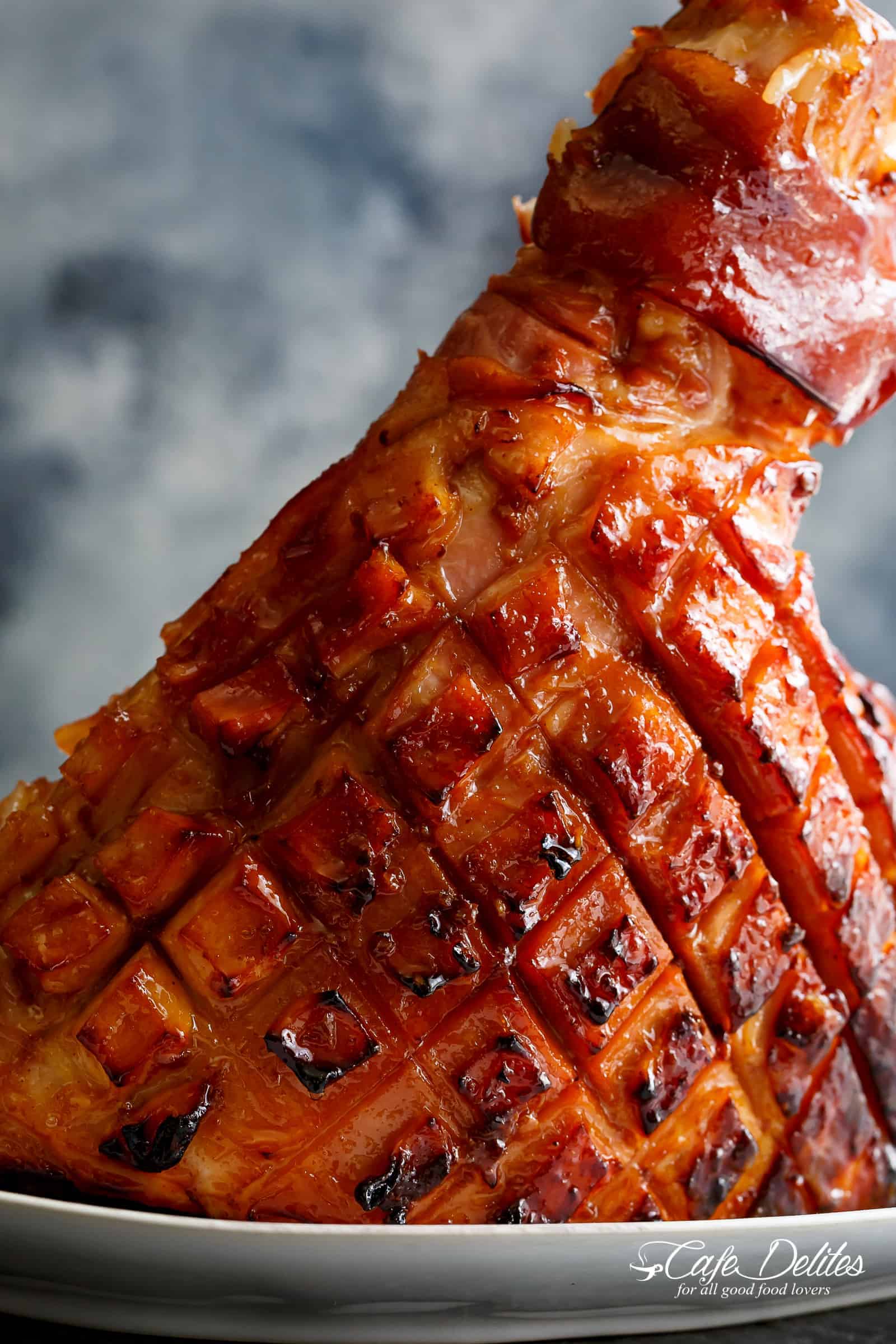
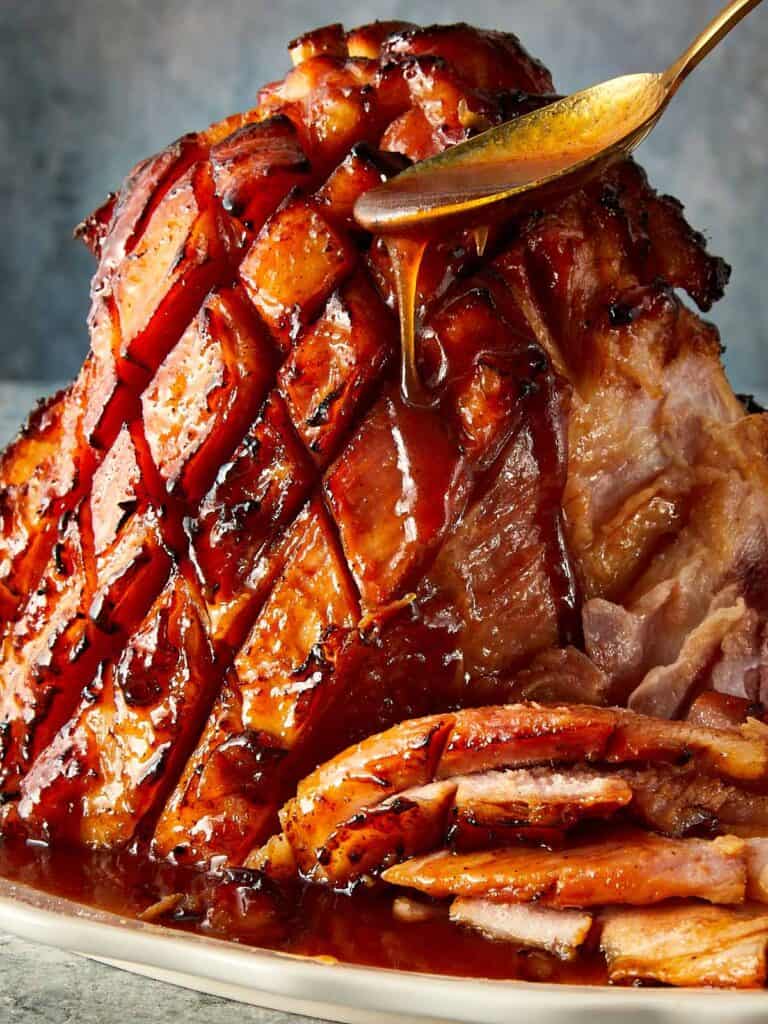
Brown Sugar Mustard Glazed Ham is the juicy, sticky centrepiece your holiday table needs! We guarantee you will fall in love with this glaze.
If you've been intimidated by Christmas ham in the past, consider this your intervention. We've banged out our classic maple glazed ham and honey baked ham to raving reviews, but this brown sugar mustard version is special. It delivers that good balance of salty, sweet, and tangy flavors with charred, crispy edges.
Whether it's EasterChristmas, or any of your special occasionsthis ham glaze recipe is about to become your family tradition.
Why this recipe works
We don't mess around in the kitchen studio.
- The Rind Test: We tested this recipe with the rind ON and OFF. Trust us, take it off. With the rind on, the glaze doesn't penetrate the meat, and the skin becomes chewy and gummy.
- My Mom's Rule: My mom says “The fat must be crispy.” By removing the rind but leaving a thick layer of fatthe fat renders down into the glaze, creating that sticky, caramelized coating we all fight over.
a reliable Cut For Glazing
For the tastiest results, aim for a fully cooked bone-in ham. We always use the shank end (the leg portion).
Butt End: Shaped like a dome. It has more meat but is harder to carve around the hip bone.
Bone-in: Holds more flavor and moisture. Plus, you get the ham bone for soup later!
Ingredients you will need
We are keeping it simple but high quality. You don't need a thousand ingredients, you just need the right ones.
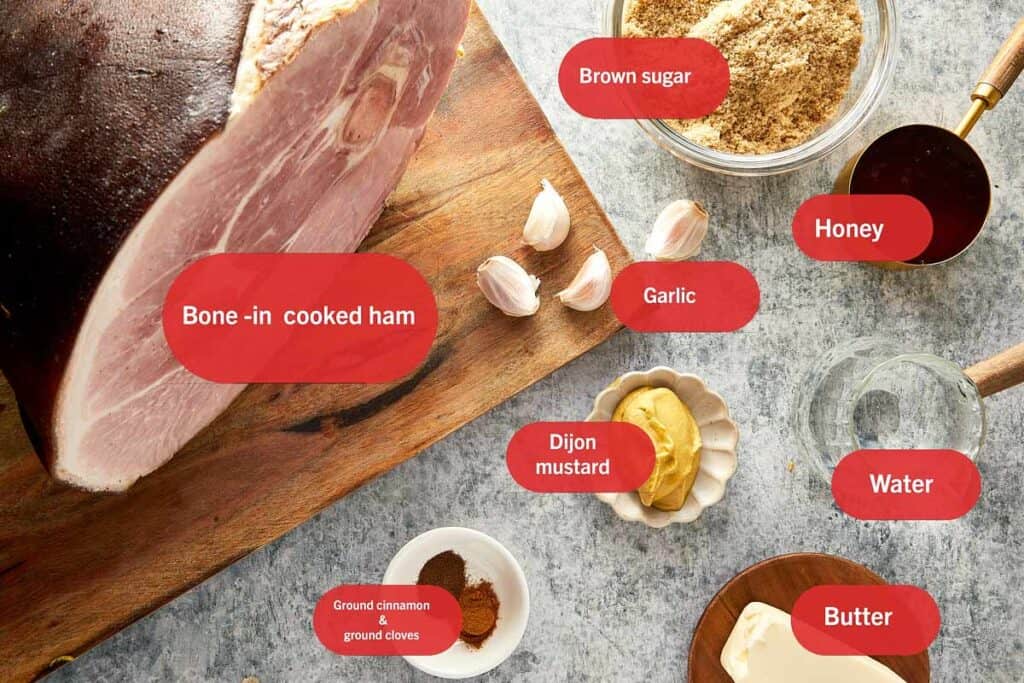
The Ham
- Look for a Bone-In, Fully Cooked Ham.
- Why Bone-In? The bone keeps the meat moist and adds flavor during heating. Plus, you get the ham bone for soup later! You can make our creamy ham & potato soup.
- The Cut: Ask for the Shank End. It has that classic “ham” shape and is easier to carve than the Butt End (which has a tricky hip bone).
- Where to buy (USA):
- Premium: Kansas City Steak Co. or Dakin Farm (their cob-smoked ham is good).
- Grocery Store: Boar's Head Sweet Slice is a fantastic, easy-to-find option.
- Ethical/High Quality: Niman Ranch (often at Whole Foods) raises pork with high welfare standards, and you can taste the difference.
- Budget Friendly: Honestly Costco's Kirkland Signature Spiral Ham is legendary for a reason. It's huge, cheap, and consistently good.
- Type: Stick to Clover Honey or Orange Blossom Honey. They have a clean, floral sweetness that isn't too overpowering. Avoid strong flavors like Buckwheat honey, it's too bitter for this glaze.
- Brands: Nature Nate's Raw & Unfiltered is our go-to for baking. Local Hive is also great if you want to support regional beekeepers.
- Type: Use Unsalted Butter. Ham is naturally salty, so we want to control the sodium in the glaze.
- Brand: If you can splurge, get Kerrygold (Irish grass-fed). It has a higher fat content and a richer flavor that makes the glaze glossy and luxurious. For a standard supermarket block Land O'Lakes Unsalted is consistent and good for baking.
- Why Dijon? You need that sharp, vinegary kick to cut through the sugar and fat. Do not use yellow mustard!
- Brands:
- The Gold Standard: Maille Dijon Originale. It's French, it's punchy, and it's good.
- The Gourmet Pick: Edmond Fallot (often found in specialty stores). It's made in Burgundy, France, still using traditional stone mills.
- The Classic: Grey Poupon. It's everywhere and it works.
For a full list of ingredients see the recipe card.
Equipment Essentials
Roasting Pan: You need something heavy-duty. We used Glad Roasting Pan Nonstick 11×15 It's a Heavy Duty Metal Bakeware Dish with Rack, Large Oven Roaster Tray for Baking Turkey Chickenand Veggies so it's versatile.
Basting Brush: Silicone brushes are easier to clean, but a natural boar bristle brush holds more glaze and slathers it on better.
Meat Thermometer: Essential. ThermoWorks Thermapen is the industry best, but a simple digital instant-read thermometer from Amazon works too. You are looking for an internal temperature of 140°F (60°C).
How to remove the rind
For some reason, this is the part that scares people the most. But honestly? If you can peel an orange, you can peel a ham. It's actually kind of satisfying!We want to take off the tough, rubbery skin, the rind, but leave that beautiful layer of white fat underneath. Do not trim the fat! That fat is what crisps up and holds the glaze.
- Take your ham out of the fridge about 1-2 hours before you start. Cold fat is hard and waxy; room-temperature fat is softer and separates from the skin much easier. Set it on a cutting board, stable and ready.
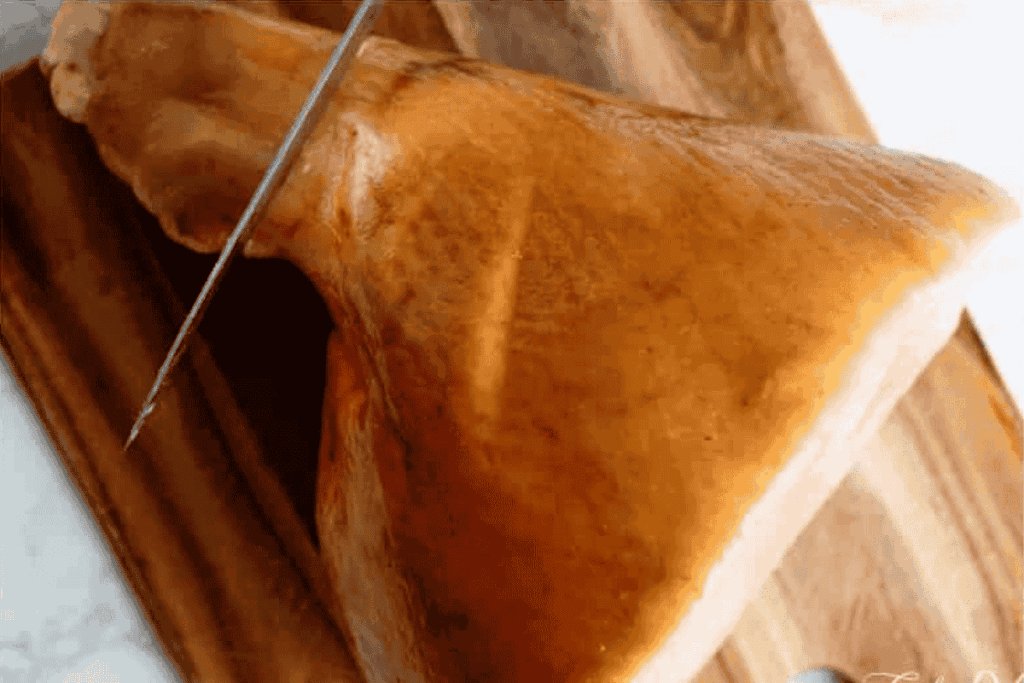
- Start at the handle of the ham (the bone sticking out). Use a small, sharp knife to make a shallow cut through the skin all the way around the bone, about 2-3 inches from the end. This creates a clean starting line so the skin doesn't tear.
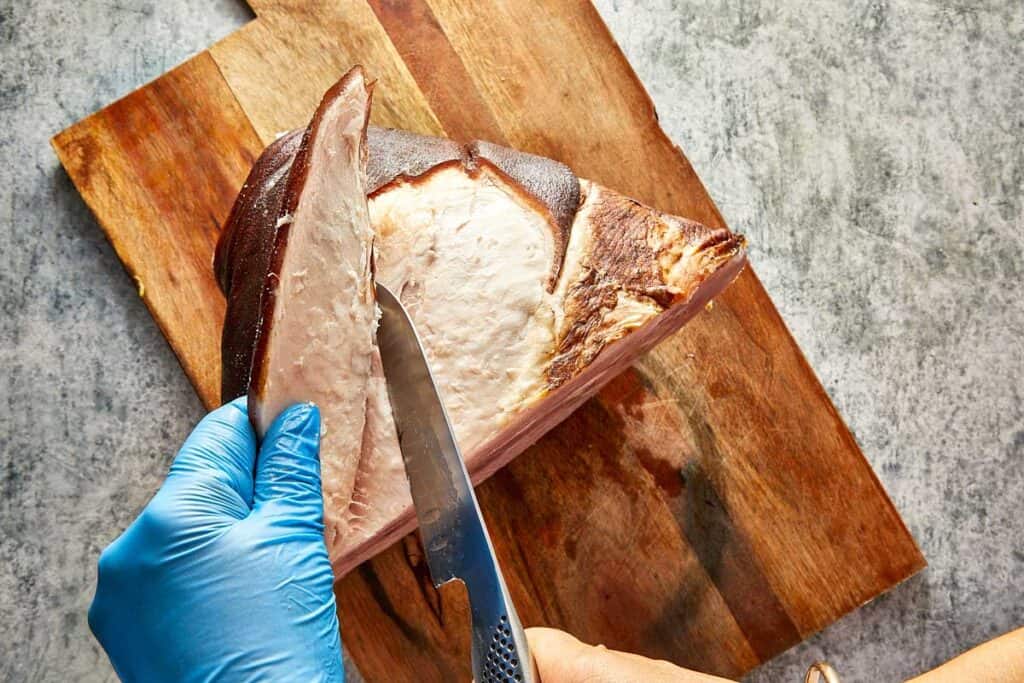
- Find the edge of the skin where you made your cut. Gently slide your knife just under the rind to lift it up. You are looking for the separation point between the pinkish skin and the stark white fat. Once you see the white fat, put the knife down, you're done with it for now.
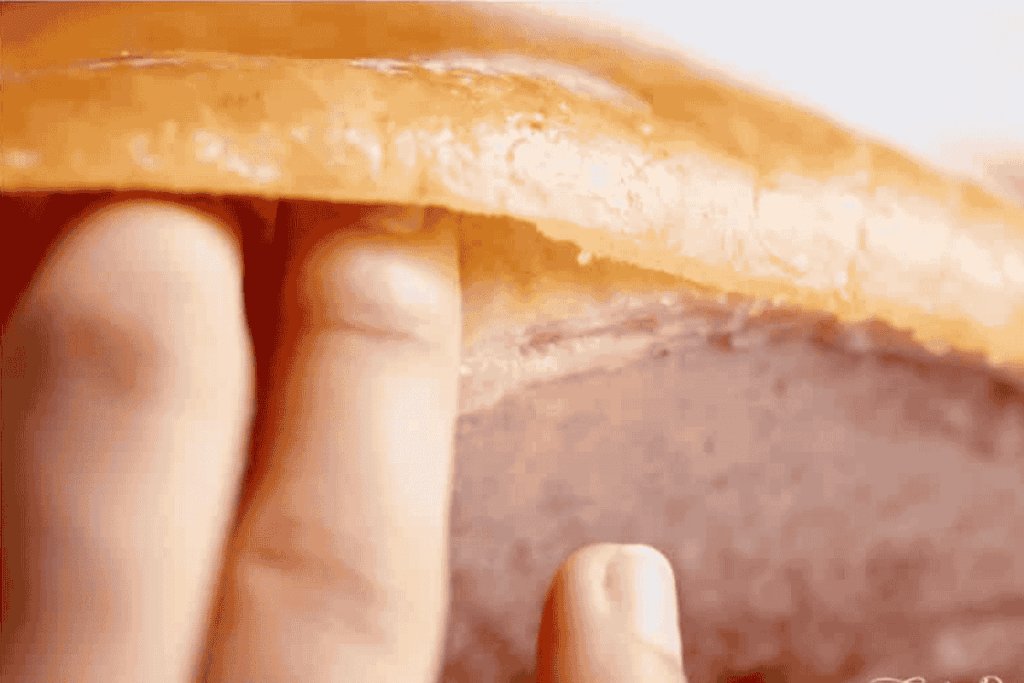
- Slide your fingers (or your whole hand, if you can) under the skin. Gently wiggle your fingers back and forth to separate the skin from the fat layer. It should pull away fairly easily. If it sticks, just nudge it gently. Remember: White fat stays on the ham!
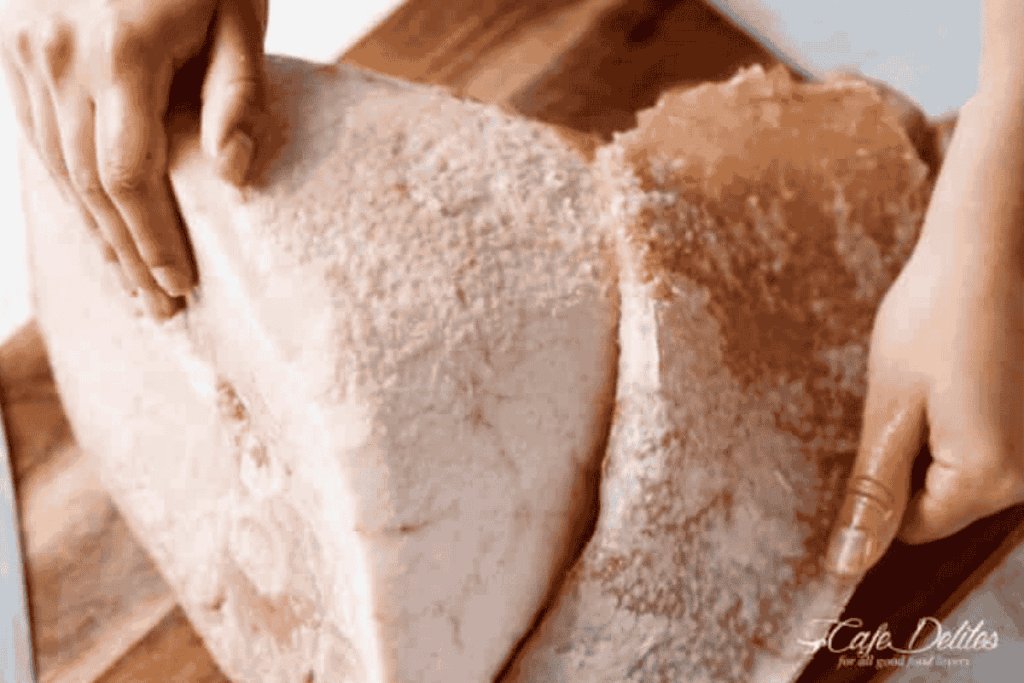
- Now, grab the loosened skin and peel it back towards the wider end of the ham. It should come off in one or two large pieces. Keep peeling until all the rind is removed. Discard the rind (or give it to the dog if you're feeling generous, but maybe not too much!).
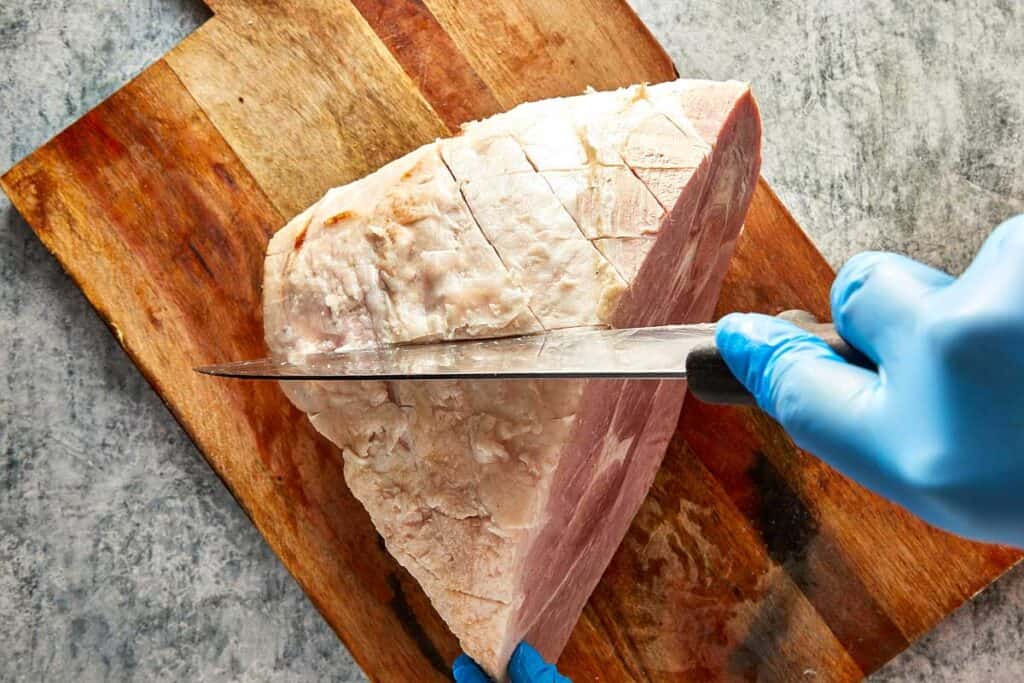
- Now you have a naked, fatty ham! Take your sharp knife again and lightly score the fat in a diagonal crosshatch pattern (diamonds). Don't cut deep into the meat, just glide through the fat layer. This makes it look professional and gives the glaze little channels to run into.
For a full video demonstration, head to the bottom of the blog.
Kitchen tip
My biggest piece of advice is not to simmer the glaze for too long, as you will end up with a hard caramel once it begins to cool. It also becomes extremely difficult to slather onto the outside of the ham when glazing. You want to bring it to a gentle simmer and take it off the heat quickly.
We added the pan juices from the ham into the glaze once there were pan juices to use, and WOW! My ham wasn't salty though, so make sure you do some taste testing before adding the juices and add however much you need to achieve your preferred flavour.
How to Baste Ham
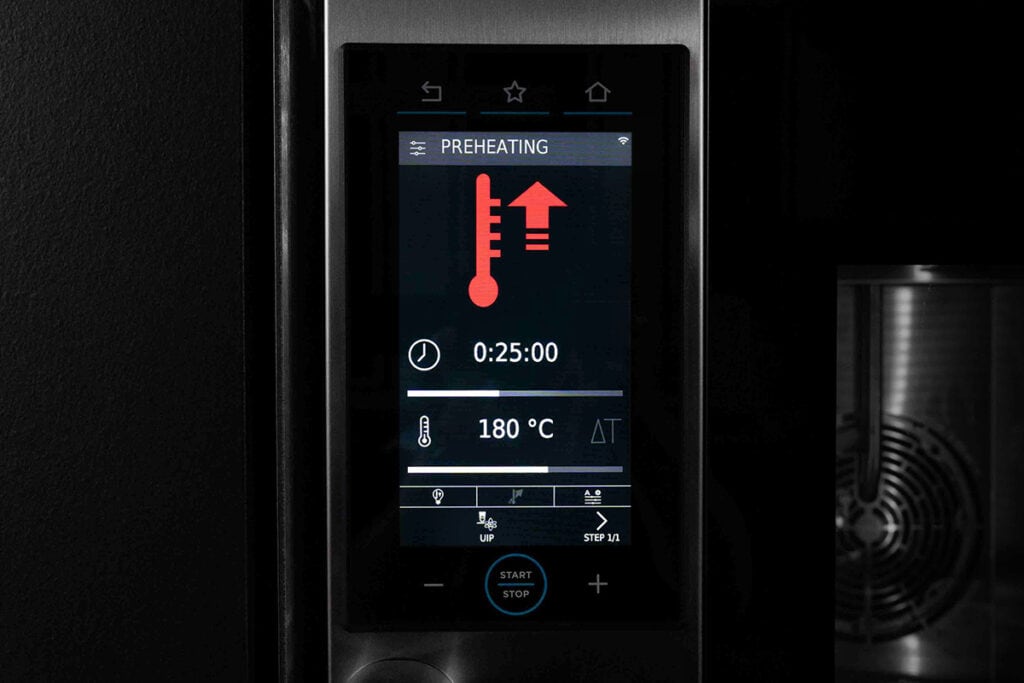
- Take your ham out of the fridge and let it sit on the counter for 1-2 hours. You want it at room temperature before it hits the oven. This ensures it cooks evenly right to the center. Preheat your oven to 300°F (150°C). Arrange your oven rack in the lower third of the oven. Hams are tall, and you don't want the top burning near the heating element!
- Remove any plastic packaging or netting. If there is a small plastic disk covering the bone, toss that too. Line a large, sturdy roasting pan (or a deep baking dish) with several sheets of heavy-duty aluminium foil (or parchment paper). Trust us, baked-on sugar is a nightmare to scrub. This makes cleanup a breeze. (Refer to the How to Remove Rind section above). Remember: peel it off, but keep that creamy fat intact!
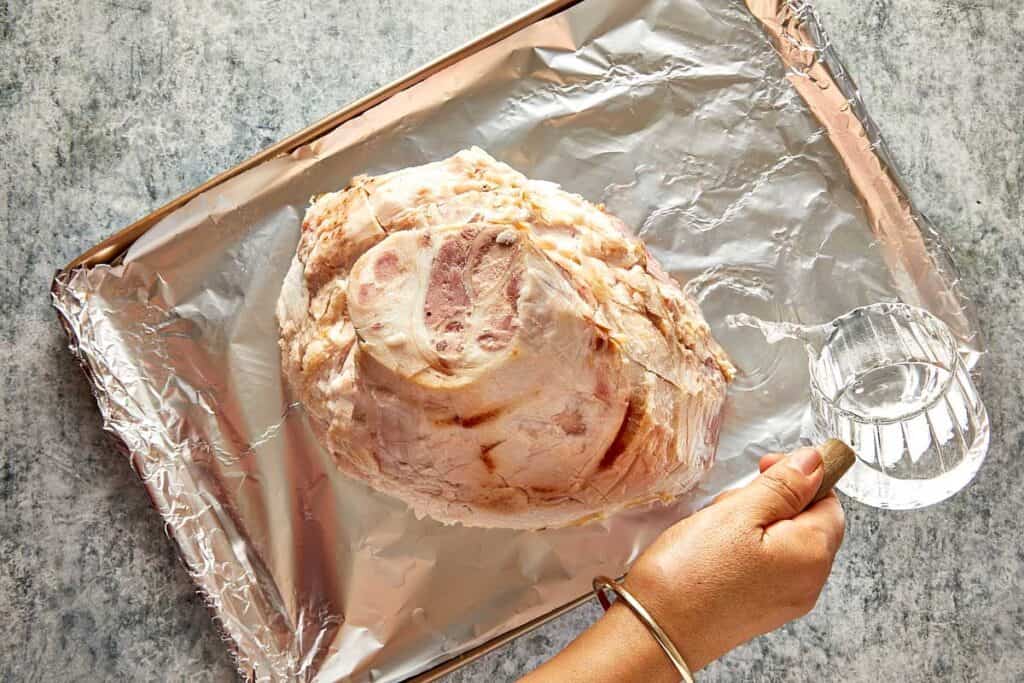
- Using a sharp knife, lightly score a 1-inch wide diamond pattern all over the surface. Don't cut deep, you only want to go about ¼ inch into the fat layer. This creates little channels for the glaze to pool in. vPlace the ham in your lined roasting pan. Pour 1/2 cup of water (or apple cider for extra flavor) into the base of the pan.
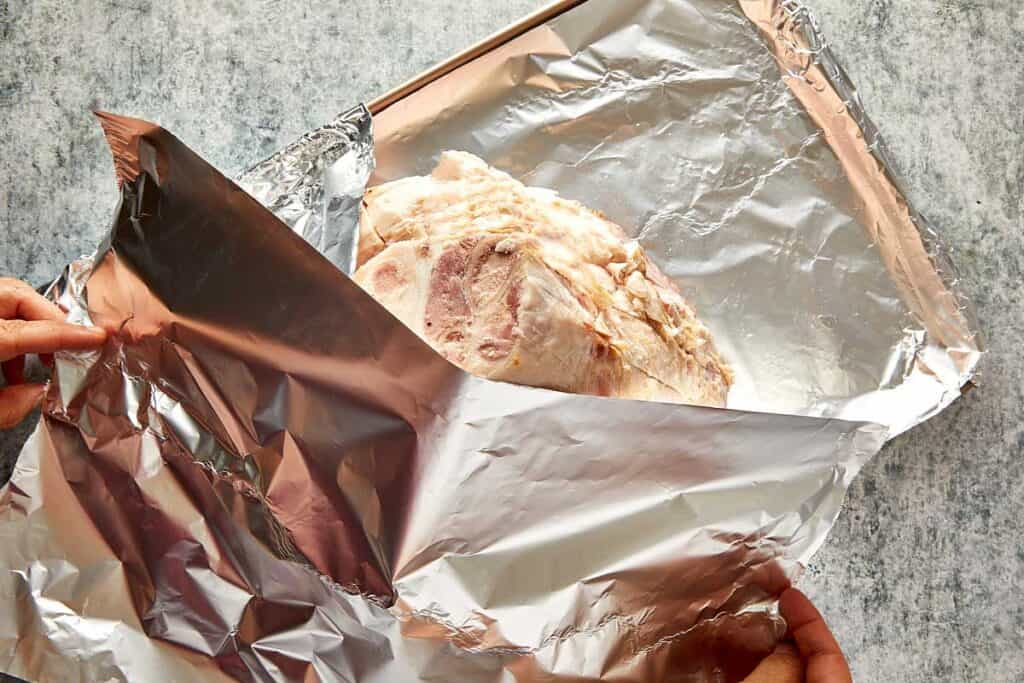
- Cover the ham tightly with two pieces of foil (or parchment) to create a tent. Bake for 30 minutes. This steam bath wakes up the meat and keeps it juicy before we blast it with heat.
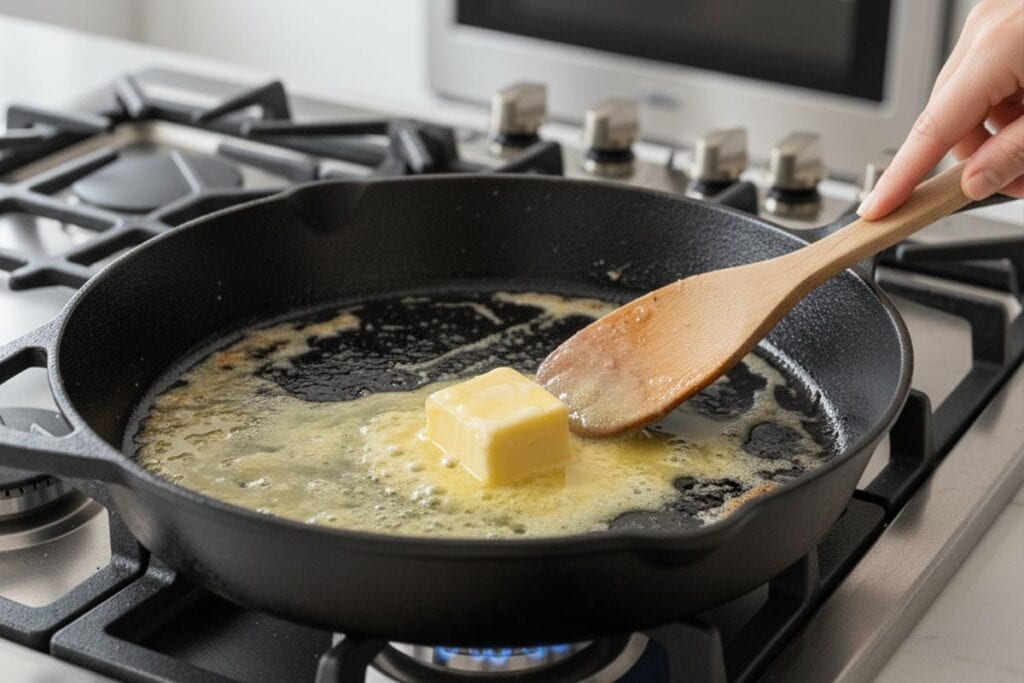
- While the ham steams, grab a small saucepan. Melt the butter over medium heat until it turns a light golden brown. This “browned butter” adds a nutty depth that plain melted butter just doesn't have.
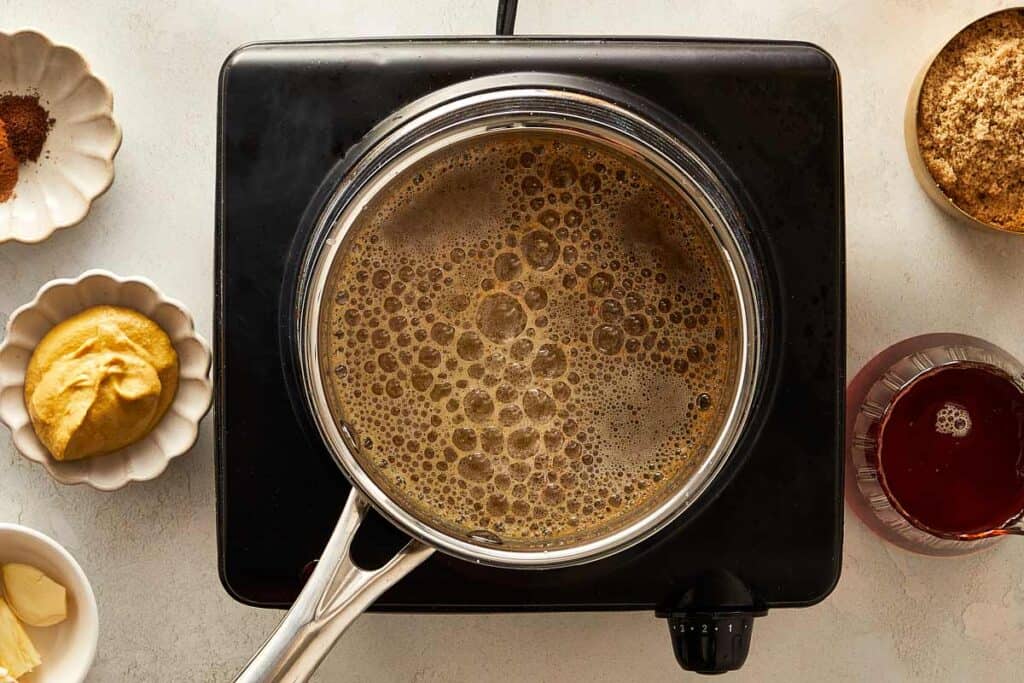
- Add the brown sugar, honey Dijon mustardground cinnamonand cloves. Stir constantly for about 2 minutes until the sugar has completely dissolved and the mixture is smooth. Reduce the heat to low and stir in the smashed garlic. Let it bubble gently for 1-2 minutes until fragrant. Remove from heat and set aside. Let it cool until it is lukewarm.
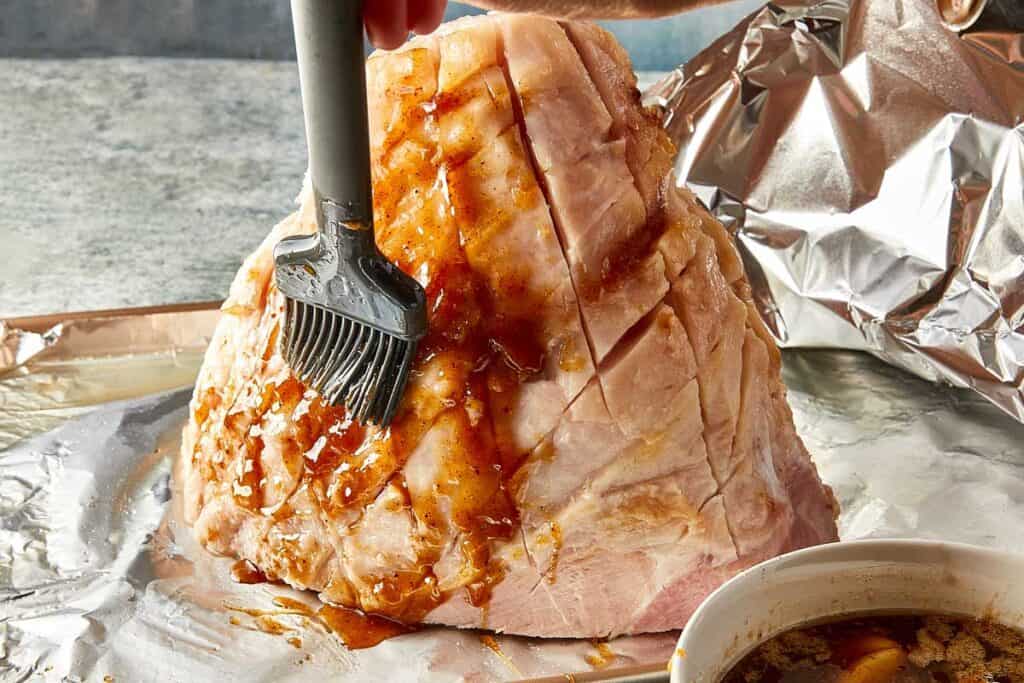
- Remove the ham from the oven. Increase the oven temperature to 425°F (220°C). Discard the foil covering. Give your glaze a stir. Pour about ⅓ of the glaze all over the ham. Use a brush to push the sticky goodness into those diamond cuts and evenly coat the fat. Return the ham to the oven (uncovered) and bake for 15 minutes.
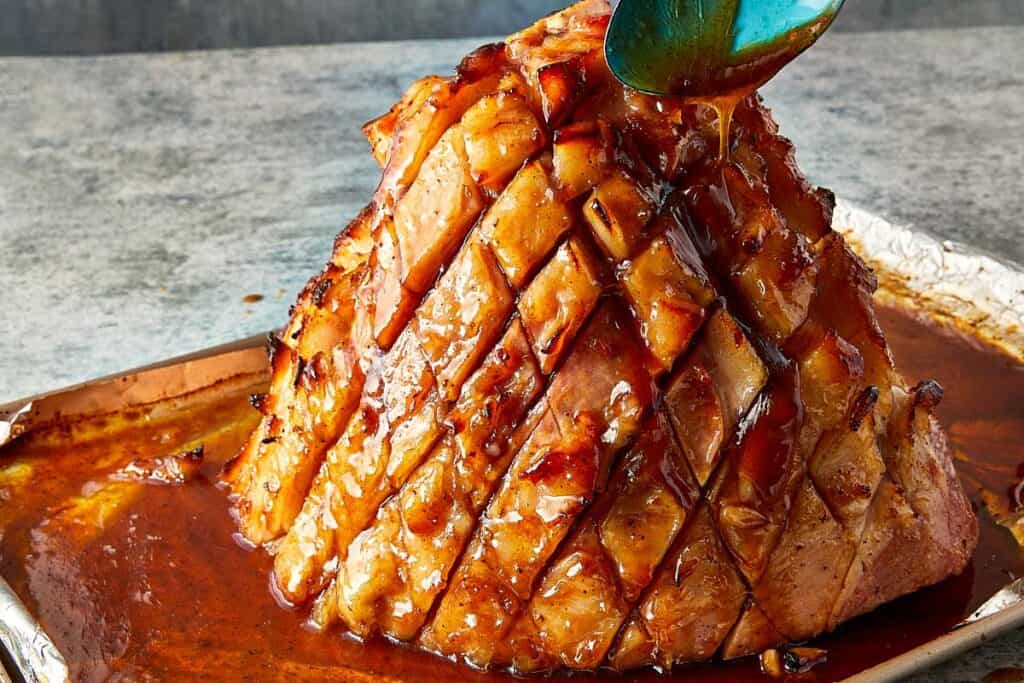
- Pull it out again. Brush with another ⅓ of the glaze. At this point, scoop up some of the salty, buttery pan juices from the bottom of the roaster and mix them into the glaze remaining in your pot. This adds a savory kick! Bake for another 15 minutes. Brush with the remaining glaze. Bake for a final 10-15 minutes until a dark, golden-brown crust has formed. Total Roasting Time: About 30-45 minutes at the high temperature. Broiler Option: If the crust isn't dark enough for your liking, turn on the broiler (grill) for 2-5 minutes. Watch it like a hawk! Sugar burns in seconds.
Rest and Serve
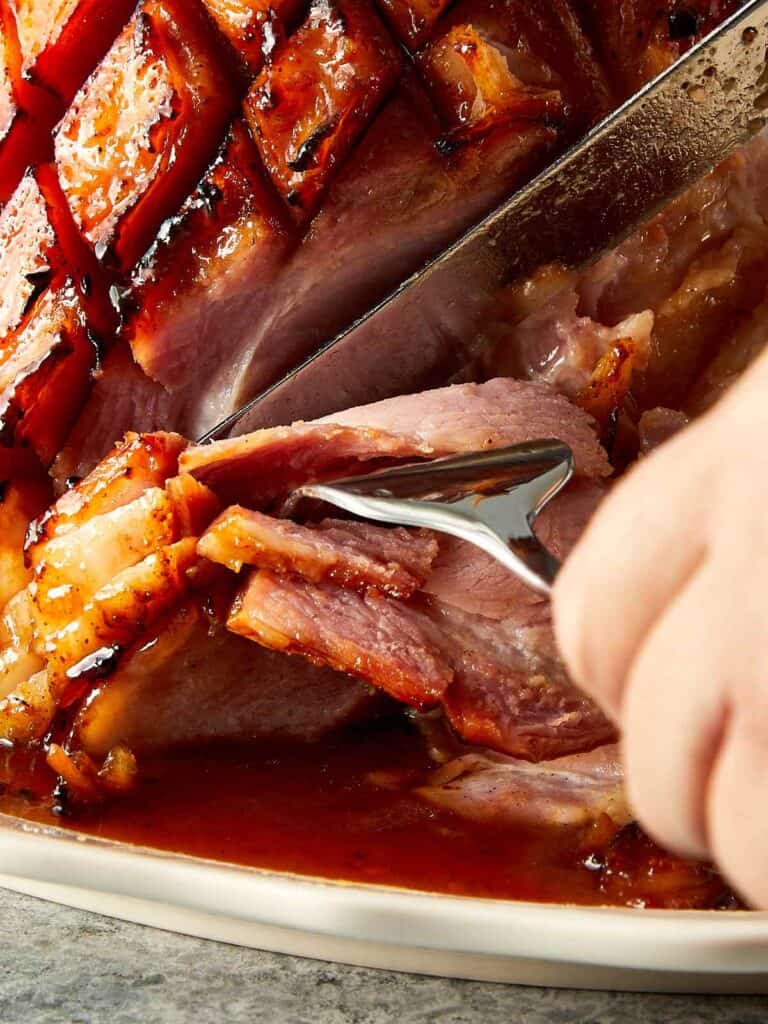
Remove the ham from the oven. Check the internal temperature with a meat thermometer, it should be around 140°F (60°C). Let the ham rest in the pan for 10-20 minutes before slicing. If you cut it now, all the juices will run out on the board. Carve thin slices and serve with the remaining pan juices spooned over the top.
You need killer sides to match this meat!
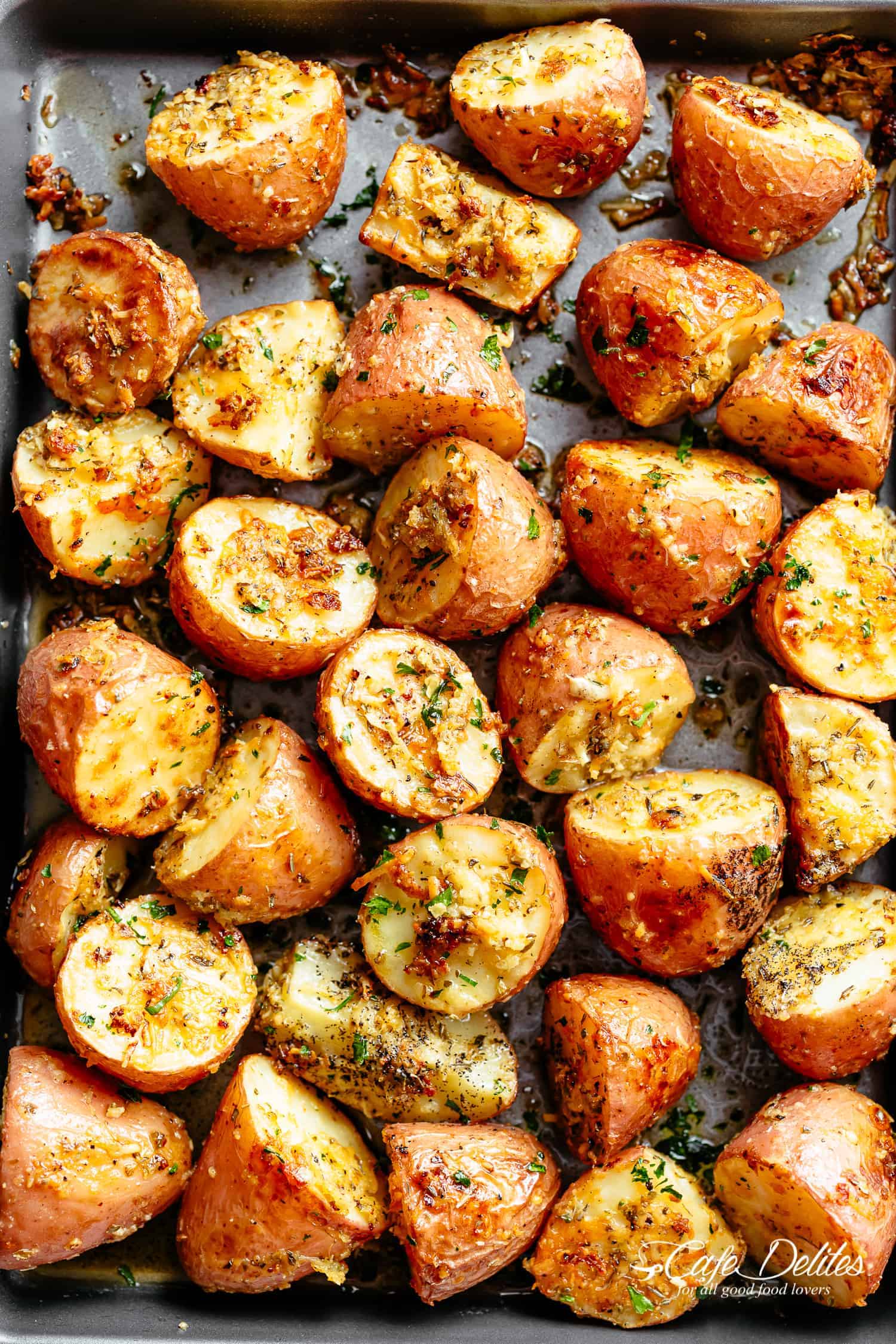
- Potatoes: Try our Crispy Garlic Baked Potato Wedges or creamy potatoes like Scalloped Potatoes.
- Veggies: Brussel Sprouts with Bacon is a comforting complement to the savory flavors of this Ham.
Keeping leftovers
Honestly? We look forward to the leftovers almost as much as the main event. There is something about cold ham the next day that just hits different.
How To Store Leftover Ham:
- Fridge: Slice the remaining meat off the bone (it saves space!). Place the slices in an airtight container or wrap them tightly in foil. It will stay fresh for 3-4 days in the refrigerator.
- Freezer: If you can't get through it all, freeze it! Place slices in freezer-safe bags or containers. It keeps well for up to 3 months. Thaw overnight in the fridge when you're ready to use it.
Reheating Tips:
- Oven: To prevent it from drying out, place slices in a baking dish with a splash of water or broth. Cover tightly with foil and reheat at 300°F (150°C) until warmed through.
- Microwave: It works in a pinch, but be careful not to overheat it, or it will turn rubbery!
Don't You Dare Throw Away The Bone!
The ham bone is liquid gold. Seriously. It is packed with smoky, salty flavor that you cannot replicate with stock cubes. Wrap it up and freeze it if you aren't using it immediately.
Best Recipes For Leftover Ham: We have a rule in this kitchen: nothing goes to waste. Here is how we use up every scrap:
- Creamy Comfort: Our Ham and Potato Soup is legendary. It's rich, thick, and uses the bone to create a broth that will cure any winter blues.
- Hearty & Wholesome: If you want something that sticks to your ribs, make the Ham and Bean Soup. It's incredibly cheap to make but tastes like a million bucks.
- Breakfast: Dice up small cubes and throw them into an omelette or a breakfast casserole.
- Sandwiches: Thinly sliced ham with cheddar and pickles on fresh bread? Yes, please. Try it with our cuban sandwich.
Common FAQ's
Should we baste often?Yes! Basting every 15 minutes is the secret to that thick, sticky crust.
Can we make the glaze ahead?Absolutely. Make it in the saucepan, let it cool, and store it in an airtight container. Reheat gently before using.
My ham is drying out?Ensure you cover it tightly with foil for the first stage of cooking. The water in the pan is crucial for humidity!
What you need
- 8-10 pound bone-in cooked ham
- 1/2 cup water
- 1/2 cup unsalted butter reduce fat or full fat
- 1 cup brown sugar
- 1/2 cup honey
- 2 tablespoons dijon mustard
- 1/4 teaspoon ground cinnamon
- 1/4 teaspoon ground cloves
- 4 cloves garlic smashed
Method
- Preheat the oven to 300°F (150°C) and arrange a rack in the lower third. Remove any plastic packaging or netting from the ham. Trim away the rind and discard. Set the ham aside to rest at room temperature for 1-2 hours.
- Line a baking tray or dish with several sheets of aluminium foil or parchment paper if you prefer (it will make cleanup a lot easier).
- Remove the rind or skin of the ham (refer to steps in post), ensuring you leave the fat on. Using a sharp knife score a 1 inch wide diamond pattern (don't cut more than ¼ inch deep) over the entire ham. Place the ham in the baking tray. Pour water into the base of the pan and cover the ham with two pieces of foil or parchment paper and bake for 30 minutes.
- Meanwhile, heat the butter in a small pot or saucepan over medium heat until golden browned. Add in the brown sugar, honey, mustard, cinnamon and cloves, stirring to mix together well until the brown sugar has completely dissolved, (about 2 minutes).
- Reduce heat to low and add in the garlic. Allow it to become fragrant, cooking for a further minute or two until the glaze just begins to simmer, then set it aside and let cool to lukewarm (the glaze should be the consistency of room-temperature honey).
- After 30 minutes baking time, carefully remove the ham from the oven and increase the oven temperature to 425°F (220°C). Discard the foil or parchment paper and pour ⅓ of the glaze all over the ham, brushing in between the cuts to evenly cover. Return to the oven and bake uncovered for 15 minutes.
- Remove from the oven, brush with another third of the glaze and some of the pan juices, and repeat again after 15 minutes more minutes of baking until a dark golden brown crust has formed, (about 30 minutes total). For added depth of flavour, mix some of the ham pan juices together with the glaze in the pot which will help keep it runny enough for brushing. If your crust is still pink after there suggested baking time, turn on your broiler (or oven grill), and allow it to broil for 2-5 minutes, while keeping an eye on it so it doesn't burn from the sugar.
- Let the ham rest 10-20 minutes before slicing.