
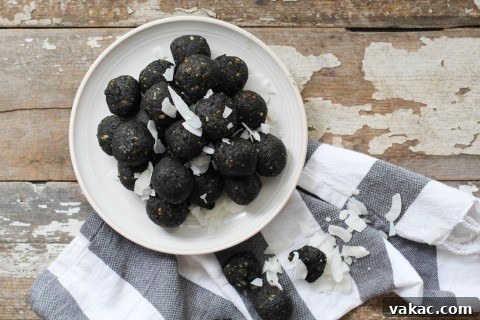
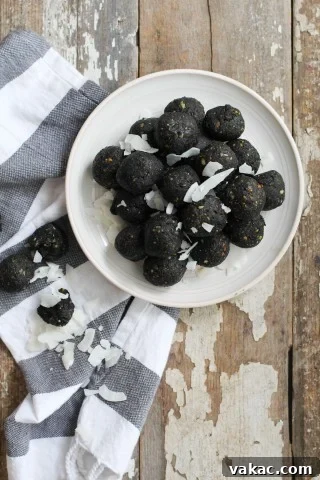
Recipe and photo credit: McKel Hill, MS, RD from Nutrition Stripped (link in recipe roundup)
The Ultimate Guide to Spirulina: Unlocking the Power of this Blue-Green Superfood
Have you ever found yourself mesmerized by the strikingly vibrant blue or green hues in your favorite health blogger’s morning smoothie on Instagram? Chances are, the secret ingredient behind that eye-catching color and impressive nutrient boost is spirulina. Once a lesser-known algae, spirulina soared to prominence when NASA identified it as a vital dietary supplement for astronauts on long-duration space missions due to its incredible nutritional density. Since then, it has transitioned from a scientific marvel to a household superfood. But what exactly is this celebrated ingredient, and why has it captured the attention of health enthusiasts worldwide?
Spirulina might surprise you with its humble origins. It’s essentially a type of blue-green algae, scientifically known as Arthrospira platensis, that thrives in both fresh and saltwater environments, particularly in warm, alkaline lakes. Despite its somewhat unglamorous description as “pond scum,” this microscopic organism is a powerhouse of nutrients, dried and processed into a versatile powder, or sometimes formed into tablets, capsules, or flakes for easy consumer use. While the scientific community continues to explore its full spectrum of capabilities, the existing research and its packed nutritional profile suggest spirulina could be a highly beneficial addition to a balanced diet.
What Exactly is Spirulina? A Dive into its Origins and Nature
Spirulina is a cyanobacterium, a type of bacteria that gets its energy through photosynthesis, much like plants. It’s one of the oldest life forms on Earth, with a history stretching back billions of years. Historically, spirulina has been consumed for centuries by indigenous populations, notably by the Aztecs in Mexico, who harvested it from Lake Texcoco, and by communities around Lake Chad in Africa, who called it “dihé.” These ancient civilizations recognized its value as a food source long before modern science confirmed its extraordinary benefits.
The characteristic blue-green color of spirulina comes from two primary pigments: chlorophyll (green) and phycocyanin (blue). Phycocyanin, in particular, is a unique blue pigment found only in cyanobacteria, and it’s responsible for many of spirulina’s antioxidant and anti-inflammatory properties. Spirulina is cultivated in controlled environments, often in large outdoor ponds, to ensure purity and prevent contamination. Once harvested, it undergoes a careful drying process to create the familiar powder, preserving its delicate nutrient structure and making it ready for consumption.
The Remarkable Nutritional Profile of Spirulina
Gram for gram, spirulina is one of the most nutrient-dense foods on the planet. It’s a complete protein source, meaning it contains all nine essential amino acids necessary for human health, a rarity among plant-based foods. Beyond protein, it’s rich in vitamins, minerals, and various beneficial plant compounds, making it an exceptional supplement for those looking to enhance their dietary intake. Its unique composition contributes to its reputation as a “superfood,” offering a wide array of potential health advantages that have been the subject of numerous studies.
Unveiling the Myriad Health Benefits of Spirulina
The potential health benefits of spirulina are extensive and continually being researched. From boosting immunity to supporting cellular health, here’s a closer look at what this blue-green algae can offer:
-
A Complete Protein Powerhouse and Iron-Rich Superfood
For those seeking robust plant-based protein sources, spirulina stands out. It contains an impressive 57g of protein per 100g, making it a highly efficient protein delivery system. While typical serving sizes are much smaller, even a few grams contribute significantly to daily protein intake, especially when compared gram-for-gram to traditional protein sources like chicken or beef. This makes it an invaluable food for vegans, vegetarians, and athletes alike. Furthermore, spirulina is an excellent source of non-heme iron, providing around 28 mg per 100g. Iron is crucial for oxygen transport in the blood and preventing anemia, and spirulina offers a bioavailable form that can complement other iron-rich foods in your diet.
-
Potent Antioxidant Properties for Cellular Health
Spirulina is brimming with powerful antioxidants that combat oxidative stress in the body. Oxidative stress, caused by an imbalance between free radicals and antioxidants, can lead to cellular damage and contribute to chronic diseases. Key antioxidants found in spirulina include carotenoids like beta-carotene, zeaxanthin, and lutein, which are known for their vision-protective qualities and roles in supporting overall cellular health. Additionally, the unique blue pigment phycocyanin acts as a potent antioxidant, neutralizing free radicals and inhibiting the production of inflammatory signaling molecules, thereby protecting cells from damage and promoting longevity.
-
Nature’s Anti-Inflammatory Agent
Chronic inflammation is a silent threat, linked to an increased risk of various serious health conditions, including certain cancers, heart disease, metabolic disorders, and digestive issues. Spirulina’s anti-inflammatory capabilities are largely attributed to its phycocyanin content. Studies suggest that phycocyanin may help fight inflammation by inhibiting the release of histamine in the body – a compound associated with inflammatory and allergic responses. By modulating inflammatory pathways, spirulina can contribute to a healthier internal environment, potentially reducing the risk factors associated with persistent inflammation and supporting overall wellness.
-
Chlorophyll: The Green Blood of Plants and Its Human Benefits
Rich in chlorophyll, spirulina offers a fascinating component often referred to as the “blood of plants.” A fun fact about chlorophyll is its chemical structure closely resembles that of hemoglobin, the protein in our blood responsible for carrying oxygen. While chlorophyll doesn’t directly become hemoglobin in humans, its consumption is thought to support vital physiological functions. Chlorophyll contains oxygen, and some theories suggest it may contribute to increased oxygen intake at a cellular level, thereby supporting the functioning of our vital organs. Furthermore, research indicates that chlorophyll may play a role in increasing blood circulation, stimulating immune function, aiding in liver detoxification processes, and fighting free radicals, which in turn could help slow the process of aging and protect against environmental toxins.
-
Boosting Immunity and Fighting Infections: Spirulina’s Antibacterial Edge
Spirulina possesses potential antimicrobial properties and has been explored for its ability to enhance the immune system’s response to various pathogens. Its compounds may help to fight infections by strengthening the body’s natural defenses. This immune-boosting effect extends to allergies, with some studies suggesting spirulina can help reduce the severity of allergic reactions by modulating immune responses. By supporting a robust immune system, spirulina acts as a protective agent, helping the body ward off common illnesses and environmental stressors more effectively.
Important Considerations When Incorporating Spirulina into Your Diet
While spirulina offers a bounty of health benefits, it’s crucial to be informed about certain aspects to ensure you’re maximizing its potential safely and effectively:
-
Understanding Vitamin B12 Claims: The Truth About Spirulina and B12
Many marketing claims suggest that spirulina is an excellent source of Vitamin B12, a vital nutrient, especially for those on plant-based diets. However, according to the USDA Nutrient Database and extensive research, the B12 found in spirulina is primarily pseudovitamin B12, an inactive form that is not bioavailable to the human body. This means that while it may register as B12 in tests, it cannot be utilized effectively by human cells. Therefore, the USDA renders spirulina to have 0g of usable B12. Vegans and vegetarians should not rely on spirulina for their B12 needs and should seek other reliable sources or fortified foods.
-
The Importance of Quality Sourcing: Choosing Organic Spirulina
Due to the nature of this algae, which absorbs nutrients and elements from its surrounding water, the quality of its cultivation environment is paramount. Spirulina can absorb heavy metals and other toxins if grown in contaminated waters. To avoid potential exposure to these harmful substances, it is highly recommended to choose organic brands of spirulina that are certified by reputable organizations. Organic certification ensures that the spirulina has been grown in pristine conditions, free from pesticides, herbicides, and other environmental pollutants, providing you with a pure and safe product.
-
Navigating the Taste: Tips for Enjoying Spirulina
Some individuals find spirulina to have a distinct, slightly earthy, and sometimes metallic taste, which can be off-putting initially. If you’re eager to try it out but are sensitive to new flavors, start with small doses, perhaps a quarter or half a teaspoon, and gradually increase as your palate adjusts. A common and effective way to mask the taste is to incorporate it into strongly flavored smoothies with fruits like bananas, pineapple, and berries, or mix it into juices. It can also be blended into energy balls, salad dressings, or even savory dishes, allowing you to reap its benefits without being overwhelmed by its unique flavor.
How to Seamlessly Add Spirulina to Your Daily Routine
Integrating spirulina into your daily diet is surprisingly easy, thanks to its versatility. Its powdered form can be a fantastic addition to numerous recipes, boosting their nutritional value and adding a vibrant hue:
- Smoothies and Juices: This is arguably the most popular way to consume spirulina. Its flavor blends well with strong fruits and vegetables. Try it with spinach, banana, mango, and a splash of almond milk for a nutrient-packed breakfast.
- Energy Bites and Bars: Mix spirulina powder into your homemade energy bites, combining it with oats, nuts, seeds, dates, and a sweetener for a convenient and healthy snack.
- Salad Dressings and Dips: Whisk a small amount of spirulina into your vinaigrettes or mix it into hummus, guacamole, or pesto for an added nutritional punch.
- Soups and Broths: Stir a teaspoon into warm vegetable broths or creamy soups just before serving. The heat should be gentle to preserve nutrients.
- Yogurt and Oatmeal: Sprinkle a small amount over your morning yogurt or oatmeal, perhaps with some fruit and granola, for an easy way to get your daily dose.
Remember to start with a small amount and gradually increase it to let your body adjust. Consult with a healthcare professional before making significant changes to your diet, especially if you have underlying health conditions or are taking medications.
Potential Side Effects and Precautions
While generally safe for most people, some individuals may experience mild side effects when first introducing spirulina into their diet. These can include mild digestive upset, such as gas, bloating, or changes in bowel movements, due to its detoxifying properties and fiber content. It is advisable to start with a low dose and increase gradually. Pregnant or breastfeeding women, individuals with autoimmune conditions (as spirulina may stimulate the immune system), or those with metabolic disorders should consult their doctor before taking spirulina. It can also interact with certain medications, particularly blood thinners, due to its Vitamin K content. Always prioritize professional medical advice when considering new supplements.
Conclusion: Embrace the Power of Spirulina for Enhanced Well-being
Spirulina is much more than just a trendy ingredient for colorful smoothies; it is a testament to nature’s profound capacity to provide highly concentrated nutrition. From its ancient roots as a staple food for early civilizations to its modern-day recognition by space agencies and health experts, spirulina continues to prove its worth as an exceptional superfood. With its unparalleled density of complete protein, essential vitamins, minerals, and potent antioxidants like phycocyanin and chlorophyll, it offers a holistic approach to supporting various aspects of your health, including immune function, anti-inflammatory responses, and cellular vitality.
As research continues to uncover its full potential, incorporating high-quality, organic spirulina into your diet can be a strategic move towards a more vibrant and well-nourished life. By understanding its benefits and considerations, you can confidently harness the power of this remarkable blue-green algae to enhance your overall well-being. So, go ahead and explore the possibilities of spirulina – your body will thank you for it!