
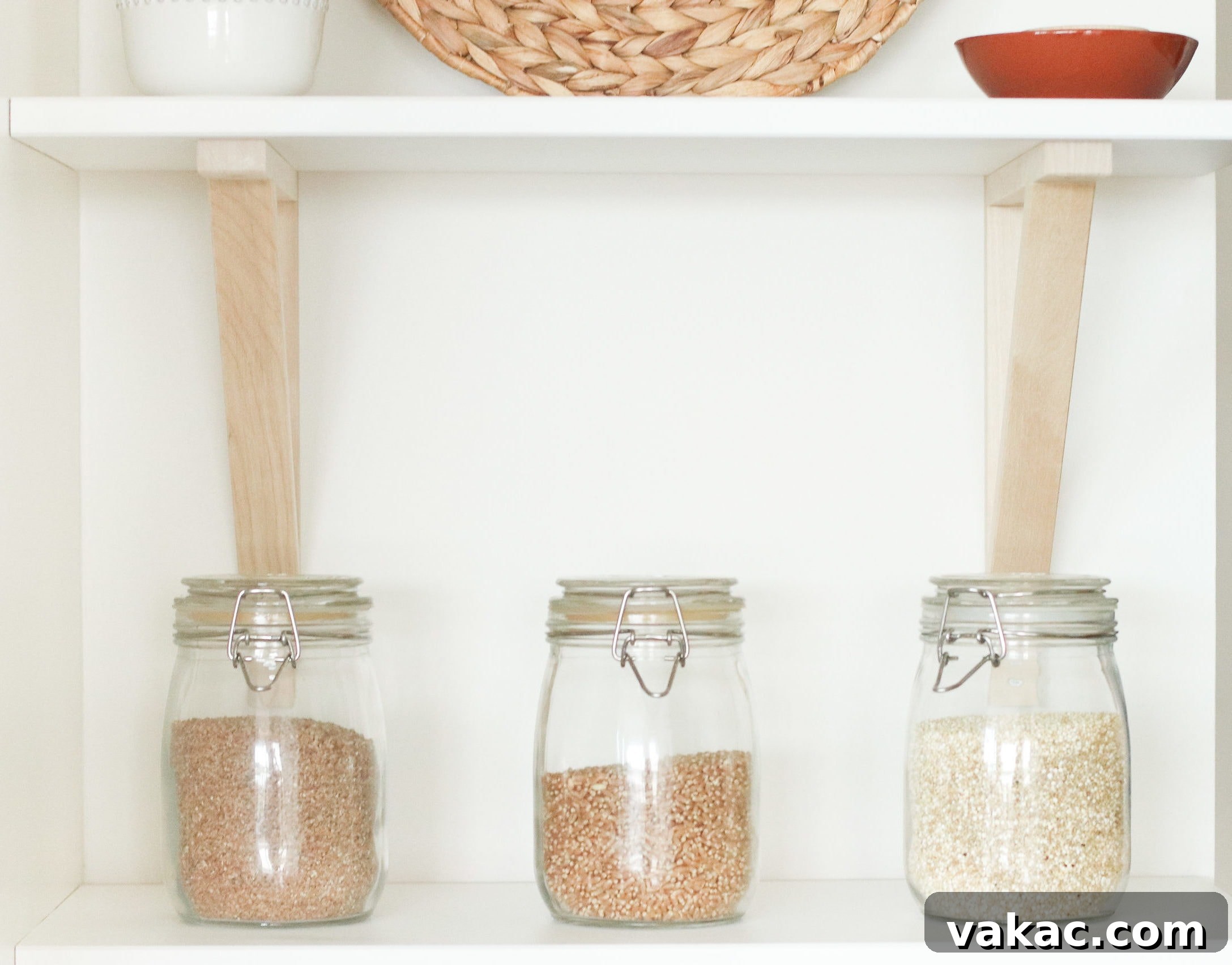
Discover a world beyond rice and quinoa! Unlock the secrets to effortless, nutritious weekly meal prep with these 7 versatile and wholesome grains. Elevate your meals, save time, and boost your health with our expert tips and delicious ideas.
Elevate Your Weekly Meal Prep: 7 Nutritious Grains You Need to Try
Do you ever find yourself caught between the appealing idea of meal prep and the daunting feeling that it might be too much work? Many people resonate with this sentiment! You know that a little planning can drastically reduce stress, save valuable time, and even cut down on grocery expenses during a busy week. But the thought of sacrificing your precious Sunday afternoon to kitchen duties can be a major deterrent.
The good news is, meal prep doesn’t have to be complicated, nor does it demand hours of your time. By focusing on a few versatile core ingredients that you can easily mix and match throughout the week, you can streamline the entire process. Imagine being in and out of the kitchen in less than an hour, with a refrigerator full of healthy components ready to assemble into delicious meals! This strategic approach turns meal prep from a chore into a rewarding habit.
Among the easiest and most impactful ingredients to batch cook are grains. They serve as an incredible foundation for a myriad of dishes, transforming into hearty grain bowls, satisfying stir-fries, nutritious salad additions, and so much more. While common choices like rice and quinoa are undoubtedly excellent and incredibly versatile, there’s a vast world of grains waiting to be explored. Switching things up not only introduces exciting new flavors and textures to your diet but also broadens your nutritional intake.
In this comprehensive guide, we’ll dive deep into 7 exceptionally nutritious grains that are perfect for weekly meal prep. Moving beyond your usual staples, these grains offer unique profiles and exciting culinary possibilities. For each grain, we’ll uncover:
- Its origin and distinguishing characteristics.
- A detailed breakdown of its impressive nutritional benefits.
- Practical cooking tips to achieve the perfect texture.
- Inspiring ideas on how to incorporate them into diverse weekly meals.
Additionally, you’ll find essential information on how to store your grains, both dry and cooked, ensuring freshness and extending their shelf life. Get ready to transform your meal prep routine and discover new pantry favorites!
Mastering Your Weekly Meal Prep Routine
For your meal prep to be a consistent success and truly save you time and effort, a few key strategies can make all the difference. These tips will help you stay organized, efficient, and prevent burnout.
- Schedule Your Meal Prep Time: Just like any important appointment, blocking out dedicated time for meal prep on your calendar is crucial. Whether it’s Sunday afternoon or a couple of evenings during the week, a fixed schedule prevents you from forgetting or overbooking yourself. If you live in a busy household, this dedicated time can also help manage distractions – perhaps enlist your partner for kid duty or simply enjoy some focused, quiet time in the kitchen. Consistent scheduling builds a healthy routine that pays dividends throughout your week.
- Limit and Conquer with Core Ingredients: The secret to quick and sustainable meal prep lies in simplicity. Instead of preparing entirely different meals for each day, focus on batch cooking a limited number of core ingredients. My meal plans, for instance, are designed to require just 6 key ingredients for prep. This allows the entire process to be completed efficiently, often in just an hour! By having a few versatile components like cooked grains, roasted vegetables, and a lean protein, you can then add other fast and fresh foods from your grocery list to create an incredible variety of flavorful options throughout the week. This “mix and match” approach keeps meals exciting without endless cooking.
- Invest in Quality Meal Prep Containers: Good tools are essential for any task, and meal prep is no exception. Investing in a collection of durable, airtight containers will significantly enhance your meal prep experience. I personally recommend glass containers in various sizes, as they are non-toxic, microwave-safe, oven-safe (without lids), and don’t stain or retain odors. Reusable silicone bags can also be great for freezing portions or storing softer items. Proper containers ensure your prepped food stays fresh longer, preventing waste and making it easy to grab and go.
By adopting these foundational tips, you’ll find meal prep becomes a much more enjoyable and sustainable practice, leading to healthier eating habits and a less chaotic week.
RICE
What is it: Rice, one of the oldest cultivated grains, is believed to have originated in Asia around 9,000 years ago, becoming a foundational staple in countless cultures, particularly across Asia. It is broadly categorized into two main types: brown rice and white rice. Brown rice is a whole grain, meaning it retains all three edible parts: the nutrient-rich bran, germ, and endosperm, with only the inedible outer hull removed. White rice, however, undergoes further processing where the bran and germ are removed, resulting in a softer texture and quicker cooking time, but also a loss of some key nutrients.
Cooking Tip: For perfect fluffy brown rice, use a 1:2 rice to water ratio. Bring to a boil, then simmer covered for 45-50 minutes until water is absorbed. Let stand for 5-10 minutes before fluffing.
Versatility in Meals: Brown rice is incredibly versatile, serving as an excellent base for stir-fries, curries, grain bowls, and even stuffed vegetables. Its nutty flavor complements a wide range of cuisines.
Nutrition benefits (per 1 Cup cooked brown rice):
Fiber: 3.5g
- Brown rice is a significant source of both soluble and insoluble fibers. Soluble fiber contributes to feelings of fullness and satiety, helps stabilize blood sugar levels, and can play a role in reducing cholesterol absorption. Insoluble fiber is crucial for digestive health, promoting regularity and preventing constipation. A diet rich in fiber, like that provided by brown rice, is associated with a lower risk of developing chronic diseases such as cardiovascular disease and type 2 diabetes.
Protein: 5g
- Protein is an essential macronutrient vital for numerous bodily functions. It’s the building block for muscles, skin, and bones, plays a key role in regulating metabolic reactions through enzymes, and supports a robust immune system. Incorporating sufficient protein, even from plant-based sources like brown rice, is important for overall health and recovery.
Vitamins & Minerals:
- Manganese: 1.76mg (an excellent source)
Manganese is a powerful antioxidant, helping to protect cells and tissues from oxidative damage caused by free radicals. Beyond its antioxidant properties, it’s fundamental for the metabolism of carbohydrates, proteins, and cholesterol. This trace mineral also contributes significantly to healthy bone development and efficient wound healing processes.
- Selenium: 19.11mcg (a good source)
Selenium is another vital antioxidant found in brown rice. It plays a critical role in supporting thyroid function, DNA synthesis, and protecting the body from damage caused by free radicals and infection. Its presence in brown rice further enhances the grain’s protective health benefits.
QUINOA
What is it: Quinoa (pronounced keen-wah) is often treated as a grain, but it’s technically a “pseudo-cereal” – a seed from a plant related to spinach and beets, rather than a true grass. Originating from the Andean region of South America, where it has been cultivated for thousands of years, quinoa was considered a sacred crop by the Incas. It’s renowned for its tiny, pearl-like appearance and comes in various colors, including white, red, and black, each offering slightly different textures and flavor profiles, from subtly nutty to earthy.
Cooking Tip: Rinse quinoa thoroughly before cooking to remove saponins (a natural bitter coating). Use a 1:2 quinoa to water ratio. Bring to a boil, then simmer covered for 15-20 minutes until the water is absorbed and a small “tail” appears.
Versatility in Meals: Quinoa’s light, fluffy texture makes it perfect for cold salads, side dishes, breakfast porridges, or as a high-protein base for any meal. It’s also naturally gluten-free.
Nutrition Benefits (per 1 Cup cooked quinoa):
Fiber: 5.5g
- Quinoa offers a substantial amount of both soluble and insoluble fiber, contributing to digestive health, stable blood sugar levels, and prolonged feelings of fullness. Its high fiber content supports gut microbiome diversity and overall wellness.
Protein: 8.58g
- Quinoa stands out as one of the few plant foods that are considered a complete protein, meaning it contains all nine essential amino acids that the body cannot produce on its own. This makes it an invaluable food source for vegetarians, vegans, and anyone looking to boost their protein intake, supporting muscle repair, growth, and overall cellular function.
Vitamins & Minerals:
- Folate: 81.9mcg
Quinoa is notably rich in B vitamins, particularly folate. Folate is crucial for the formation of red blood cells, which carry oxygen throughout the body, and plays a vital role in cell growth and metabolism. It is particularly important during periods of rapid cell division and growth, such as pregnancy.
- Manganese: 1.2mg (an excellent source)
As with brown rice, quinoa is an excellent source of manganese, offering its antioxidant protection and crucial role in metabolic processes, bone health, and connective tissue formation.
- Magnesium: 118mg
Quinoa is also a good source of magnesium, a mineral involved in over 300 enzymatic reactions in the body, including muscle and nerve function, blood glucose control, and blood pressure regulation. It’s essential for energy production and bone health.
MILLET
What is it: Millet is a small-seeded grass, technically a seed but commonly classified and used as a grain in cooking. It has an ancient history, primarily cultivated in Africa and Asia for thousands of years, with its origins tracing back to Ethiopia. Today, it remains a staple food in many parts of India and Africa, and its popularity is growing in North America due to its impressive nutritional profile and versatility. Millet’s texture can range from creamy, like mashed potatoes, when cooked with more liquid, to light and fluffy, similar to quinoa, when cooked with less.
A significant advantage of millet is that it is naturally gluten-free, making it an excellent option for individuals with celiac disease or gluten sensitivities looking to diversify their grain choices.
Cooking Tip: For a fluffy texture, toast dry millet in a pan for a few minutes, then use a 1:2 millet to water ratio. Bring to a boil, then simmer covered for 20-25 minutes. For a creamy porridge, increase the water ratio to 1:3 or 1:4.
Versatility in Meals: Millet can be enjoyed as a savory side dish, a breakfast porridge, a base for grain salads, or even incorporated into baked goods and veggie burgers.
Nutrition Benefits (per 1 Cup cooked millet):
Fiber: 2.3g
- Millet provides a balanced mix of soluble and insoluble fiber, aiding digestion, promoting satiety, and contributing to heart health by helping to manage cholesterol levels.
Protein: 6.1g
- Similar to quinoa, millet offers a notable amount of plant-based protein, making it a valuable contributor to muscle maintenance and repair, and providing sustained energy.
Vitamins & Minerals:
Copper: 0.3mg (a good source)
- Millet is rich in antioxidant copper, a trace mineral essential for iron metabolism, red blood cell formation, and maintaining healthy bones, nerves, and immune function. It also contributes to the production of collagen, a key structural protein.
Phosphorus: 174mg (an excellent source)
- Millet is an excellent source of phosphorus, a mineral that plays a critical role in bone and teeth formation, making it vital for skeletal health. Beyond this, phosphorus is a component of many biological molecules, including DNA, RNA, and ATP (the body’s primary energy currency), and is essential for various enzymatic reactions and cellular signaling.
- Magnesium: 76mg
Another important mineral found in millet, magnesium helps regulate blood pressure, blood sugar levels, and muscle and nerve function. It’s also crucial for protein synthesis and bone health.
FARRO
What is it: Farro is an ancient wheat grain with a rich history, tracing its origins back to Mesopotamia. The term “farro” is actually a collective name that encompasses three different varieties of hulled wheat: einkorn (Triticum monococcum), emmer (Triticum dicoccum), and spelt (Triticum spelta). Each type offers slightly different sizes and textures, but all share farro’s characteristic nutty flavor and satisfyingly chewy bite. Typically, you’ll find pearled or semi-pearled farro in stores, meaning some or all of the bran has been removed to speed up cooking. However, whole farro, which includes the full bran layer, offers the most nutritional benefits.
Cooking Tip: For quicker cooking, soak farro for 30 minutes to an hour. Use a 1:3 farro to water/broth ratio. Bring to a boil, then simmer for 20-30 minutes for pearled, or 40-60 minutes for whole farro, until tender but still chewy.
Versatility in Meals: Farro’s robust, chewy texture makes it ideal for hearty grain salads, risottos (farrotto), stews, soups, or as a substantial side dish. It stands up well to bold flavors and rich dressings.
Nutrition Benefits (per 1 Cup cooked farro):
Fiber: 8g (an excellent source)
- Farro is truly a powerhouse of fiber, providing a substantial amount that greatly contributes to digestive health, promotes feelings of satiety, and helps regulate blood sugar and cholesterol levels. Its high fiber content supports a healthy gut microbiome, which is increasingly recognized for its role in overall well-being.
Protein: 8g (an excellent source)
- Alongside its impressive fiber content, farro is also an excellent source of plant-based protein. This makes it a fantastic option for sustained energy, muscle repair, and growth, particularly for those following vegetarian or vegan diets who seek diverse protein sources.
Vitamins & Minerals:
B3 (Niacin): 11.2mg (an excellent source)
- Farro is a very good source of niacin, one of the B vitamins. Niacin plays a crucial role in energy production, helping to convert food into usable energy. It’s also vital for nerve function, skin health, and digestive system maintenance.
Magnesium: 186mg (an excellent source)
- This ancient grain contains a notable amount of magnesium, a mineral indispensable for numerous bodily functions. Magnesium is an important structural component of bone and teeth and is involved in over 300 enzymatic reactions, including muscle contraction, nerve signal transmission, blood glucose control, and energy metabolism. Its presence in farro makes it an excellent choice for supporting overall physiological health.
WHEATBERRIES
What is it: Wheatberries are simply whole, unprocessed wheat kernels. They are the entire grain of wheat, containing all three parts: the nutrient-rich germ (embryo), the fibrous bran (outer layer), and the starchy endosperm (the largest part). The only part that has been removed is the inedible outer hull. Essentially, all wheat products – from whole wheat flour to pasta – originate from these unassuming berries. Their robust, chewy texture and slightly sweet, nutty flavor make them a wonderfully satisfying whole grain.
Cooking Tip: Due to their whole nature, wheatberries require a longer cooking time. Use a 1:3 wheatberry to water ratio. Bring to a boil, then reduce heat and simmer covered for 50-60 minutes, or until tender but still chewy. Soaking overnight can reduce cooking time.
Versatility in Meals: Wheatberries are excellent in hearty salads, pilafs, soups, and stews. Their substantial texture holds up well, making them a great substitute for rice or pasta in many dishes.
Nutrition Benefits (per 1 Cup cooked wheatberries):
Fiber: 8.6g (an exceptional source)
- Wheatberries are remarkably high in fiber, providing an outstanding amount that contributes significantly to digestive health. They offer both soluble fiber, which helps manage cholesterol and blood sugar, and insoluble fiber, crucial for regular bowel movements and preventing constipation. This high fiber content promotes prolonged satiety, making them excellent for weight management.
Protein: 7g (a great source)
- As a whole grain, wheatberries provide a good source of plant-based protein. This protein content, combined with their complex carbohydrates, makes them an excellent food for sustained energy release and muscle support.
Vitamins & Minerals:
- Manganese: 1.1mg (an excellent source)
Wheatberries are an excellent source of manganese, a trace mineral acting as a potent antioxidant and playing a key role in numerous metabolic processes, bone formation, and immune system function.
- Selenium: 28.2mcg (an exceptional source)
This grain is exceptionally high in antioxidant selenium. Selenium is vital for thyroid hormone metabolism, DNA synthesis, and protecting the body from oxidative damage and infection, underscoring wheatberries’ significant contribution to cellular health.
- Iron: 2.3mg
Wheatberries also provide a good amount of iron, essential for red blood cell formation and oxygen transport throughout the body, crucial for energy and preventing fatigue.
BULGUR
What is it: Bulgur wheat, originating in the Mediterranean, is a staple in many Middle Eastern and Mediterranean cuisines. It’s not a grain in itself but rather a processed form of whole wheat kernels, typically durum wheat. Bulgur is made by parboiling (partially cooking), drying, and then cracking the wheat. This pre-cooking process significantly speeds up its preparation time, making it an incredibly convenient and quick-cooking whole grain. It retains the nutrient-dense germ, endosperm, and bran, classifying it as a whole grain with all its associated health benefits.
Cooking Tip: Fine bulgur often only requires soaking in hot water for 10-15 minutes, making it one of the quickest grains to prepare. Coarser bulgur may need to simmer for 15-20 minutes, using a 1:2 bulgur to water ratio.
Versatility in Meals: Bulgur is famously used in tabbouleh salad, but it also makes a great base for pilafs, stuffings, savory porridges, or as a substitute for couscous or rice.
Nutrition Benefits (per 1 Cup cooked bulgur):
Protein: 6g (a good source)
- Bulgur wheat provides a solid amount of plant-based protein, contributing to muscle maintenance and repair, and playing a role in satiety. This makes it a satisfying and nutritious addition to any meal.
Fiber: 8g (an excellent source)
- An excellent source of dietary fiber, bulgur wheat is instrumental in promoting digestive regularity, preventing constipation, and supporting overall gut health. Its high fiber content also helps in managing blood sugar levels and can contribute to lower cholesterol.
Vitamins/Minerals:
Folate: 32mcg (a good source)
- Bulgur wheat contains folate (Vitamin B9), which is essential for cell formation, particularly the production of red blood cells. It plays a crucial role in DNA synthesis and repair, making it important for overall cell health and function.
Iron: 1.2mg (a good source)
- Iron is another vital mineral found in bulgur wheat. It is fundamental for immune health, helping the body fight off infections, and plays a critical role in energy metabolism. Most importantly, iron is a key component of hemoglobin, which transports oxygen in the blood, ensuring all cells receive the oxygen they need to function properly.
Manganese: 0.6mg
- Bulgur also provides manganese, an antioxidant that helps protect cells from damage and is involved in bone development and nutrient metabolism.
TEFF
What is it: Teff is a remarkably tiny tropical grain crop, recognized as the world’s smallest grain – roughly 1/100th the size of a wheat kernel! This ancient grain originated in Ethiopia and Eritrea, where it remains a staple food, famously used to make injera, a traditional sourdough flatbread. Teff is a member of the grass family and comes in both darker (reddish-brown) and lighter (ivory) varieties. The darker teff typically has a more earthy, nutty flavor, while lighter varieties are slightly sweeter and milder. Its minute size means that, when consumed, you’re eating the entire bran and germ, making it a naturally whole grain. Furthermore, teff is naturally gluten-free, making it an excellent choice for individuals with dietary restrictions or those seeking to diversify their gluten-free options.
Cooking Tip: Use a 1:3 teff to water ratio. Bring to a boil, then reduce heat and simmer covered for 15-20 minutes, stirring occasionally, until water is absorbed and teff is creamy. It can be quite sticky!
Versatility in Meals: Teff’s unique texture makes it suitable for breakfast porridge, thickening stews, gluten-free baking (flour), or as a nutritious side dish. Its earthy flavor pairs well with robust ingredients.
Nutrition Benefits (per 1 Cup cooked teff):
Protein: 7.2g (a high protein content)
- Teff boasts an impressive protein content for a grain, providing essential amino acids crucial for muscle development, tissue repair, and overall body function. Its quality protein makes it a valuable addition to plant-based diets.
Fiber: 5.18g (a great source of fiber)
- With a significant amount of dietary fiber, teff promotes excellent digestive health, aids in managing blood sugar levels, and contributes to feelings of fullness and satiety, supporting healthy weight management.
Vitamins/Minerals:
- Calcium: 90mg (one of the highest among grains)
Teff stands out for its remarkably high calcium content compared to most other grains. Calcium is absolutely essential for bone health, playing a critical role in bone formation and density, and contributing significantly to the prevention of conditions like osteoporosis (reduced bone mass) and osteomalacia (soft bones). Its rich calcium profile makes teff an excellent choice for supporting strong bones and teeth.
- Iron: 3.7mg (a rich source)
Teff is also a rich source of iron, a mineral vital for preventing anemia, supporting energy levels, and ensuring efficient oxygen transport throughout the body. This makes it particularly beneficial for individuals at risk of iron deficiency.
- Vitamin C: 1mg (unique for a grain)
Unusually for a grain, teff contains a small but notable amount of Vitamin C, an antioxidant crucial for immune function, collagen production, and enhancing iron absorption.
Optimal Storage Solutions for Your Grains
Proper storage is key to maintaining the freshness, flavor, and nutritional value of your grains, whether dry or cooked.
Dry Grains:
Uncooked grains should always be stored in an airtight container – glass jars, heavy-duty plastic containers, or even sturdy resealable bags are ideal. This prevents moisture, air, and pests from degrading the grain. Keep them in a cool, dry, and dark place like your pantry or a cupboard. For extended freshness, especially in warmer climates or for grains you use less frequently, the freezer is an excellent option. When stored correctly, most dry whole grains can last for up to 12 months, and often even longer in the freezer, without losing quality.
Cooked Grains:
Once cooked, grains should be cooled quickly and stored promptly to prevent bacterial growth.
Fridge: Transfer cooled cooked grains into an airtight container and refrigerate for up to 4 days. This makes them perfect for grab-and-go meals throughout the workweek.
Freezer: For longer storage, cooked grains freeze exceptionally well. Spread them on a baking sheet to cool completely, then portion them into individual servings in airtight containers or freezer-safe bags. They can be stored in the freezer for up to 2 months while maintaining optimal quality. While they can technically last longer, beyond two months, they may start to develop freezer burn or a slightly altered texture. Thaw overnight in the fridge or reheat directly from frozen, adding a splash of water if needed to restore moisture.
Incorporating a variety of these nutrient-dense grains into your weekly meal prep is a simple yet powerful way to boost your health, enjoy diverse flavors, and streamline your kitchen routine. Say goodbye to mealtime monotony and hello to effortless, wholesome eating!
Ready to revolutionize your meal planning and discover even more simple, healthy strategies? Check out The 3-2-1 Method 4-week meal plans! Designed to save you time and stress, our plans make healthy eating accessible and enjoyable.