
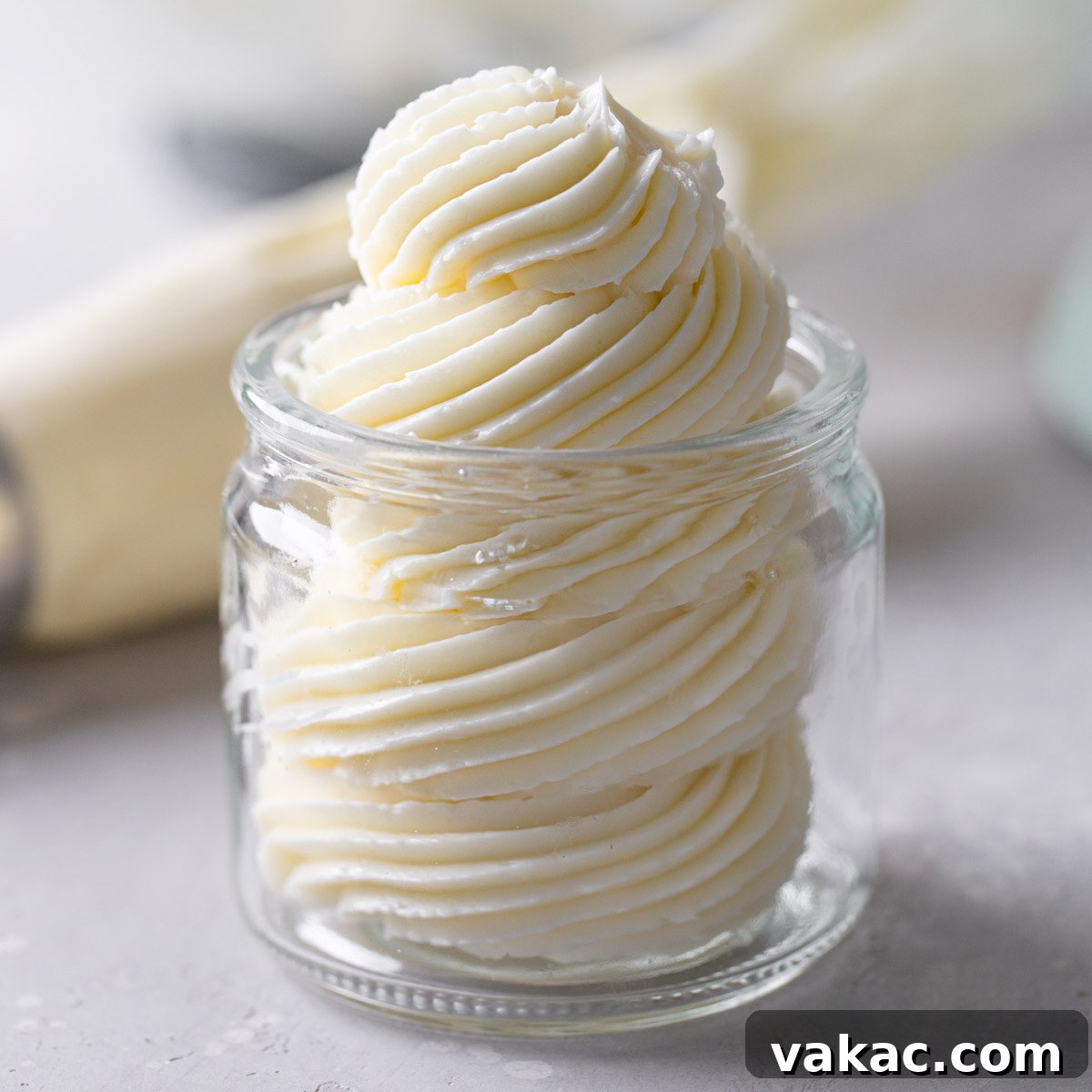
Welcome to the world of truly exceptional buttercream! This guide will empower you to master Swiss Meringue Buttercream (SMBC), a frosting renowned for its irresistibly smooth, creamy texture and delightful, less-sweet flavor profile. Say goodbye to overly sugary frostings and hello to a sophisticated, perfectly balanced topping for your favorite cakes, cupcakes, cookie sandwiches, and an array of other delectable desserts.
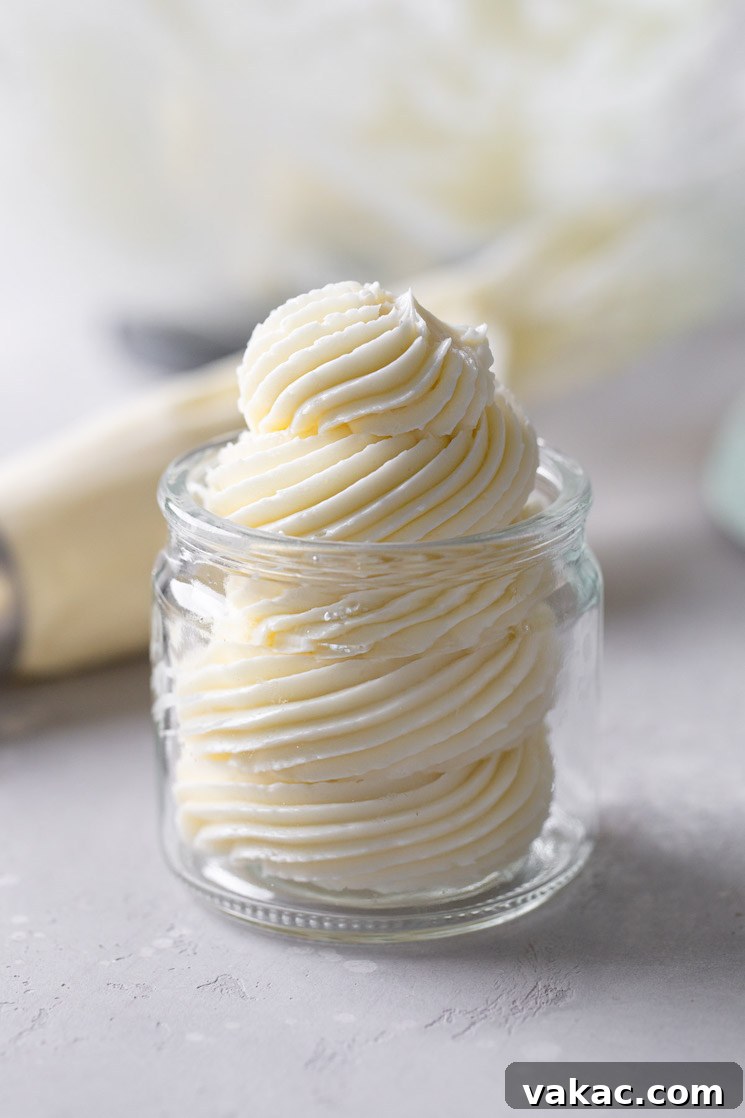
Discovering the Art of Buttercream: Why Swiss Meringue Reigns Supreme
For many home bakers, “buttercream” conjures images of the classic American style: a simple blend of butter, powdered sugar, and milk. While delicious in its own right, American buttercream can often be overly sweet and somewhat dense. But did you know a world of other buttercreams awaits? Beyond the familiar American variety, you can explore the rich depths of French buttercream or the impressive stability of Italian meringue buttercream.
Today, we embark on a culinary journey to master the exquisite Swiss Meringue Buttercream, a favorite among professional bakers and discerning home cooks alike. Unlike its counterparts, Swiss Meringue Buttercream begins with a unique process of gently heating egg whites and granulated sugar over a double boiler. This crucial step not only pasteurizes the egg whites for safety but also dissolves the sugar, creating a stable, glossy meringue foundation. Once whipped to perfection, butter and vanilla extract are meticulously incorporated, transforming the light meringue into a luxuriously smooth, airy, and remarkably stable frosting. The result is a buttercream that is beautifully pipeable, holds its shape perfectly, and offers a refined sweetness that complements rather than overpowers your baked goods.
The Allure of Swiss Meringue Buttercream: A Baker’s Dream
What makes Swiss Meringue Buttercream a must-have in your baking repertoire? Its advantages are numerous:
- Silky Smooth Texture: Prepare for a frosting that melts in your mouth. SMBC is incredibly smooth, with no grittiness often found in powdered-sugar based buttercreams.
- Less Sweet Flavor: If you find traditional frostings too cloying, Swiss Meringue Buttercream is your answer. Its balanced sweetness allows the flavor of your cake or cupcake to shine through.
- Remarkable Stability: This buttercream is incredibly stable, making it perfect for intricate piping, decorating tiered cakes, and holding up well in warmer temperatures compared to other buttercreams. It won’t easily weep or deflate.
- Elegant Finish: Its smooth consistency provides a pristine canvas for decorating, whether you’re spreading it simply or creating elaborate designs.
- Versatility: From delicate flavors to bold infusions, SMBC takes on various flavors beautifully, making it adaptable to almost any dessert.
Essential Ingredients for Flawless Swiss Meringue Buttercream
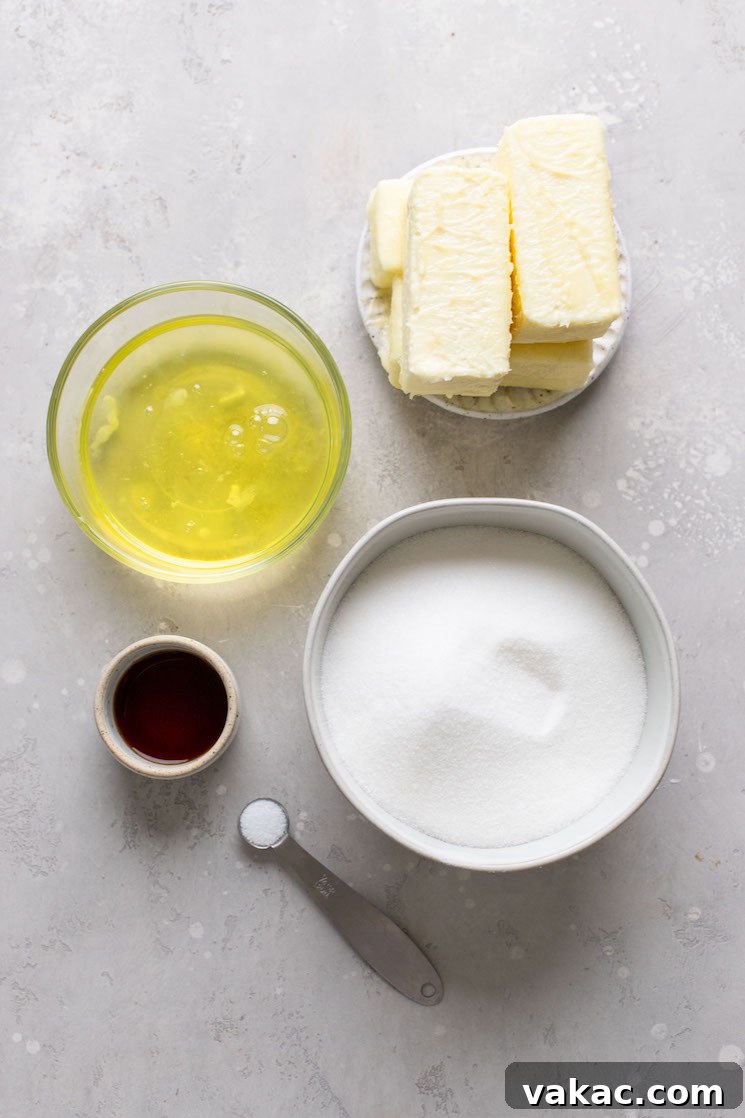
Crafting the perfect Swiss Meringue Buttercream requires just five fundamental ingredients. While the ingredient list is short, precision in preparation and quality of each component are paramount to achieving that coveted creamy, dreamy consistency.
- Egg Whites: The backbone of our meringue! For best results, use large egg whites, ideally separated from the yolks when the eggs are cold, then allowed to come to room temperature. It is absolutely critical that not even a speck of egg yolk, grease, or water contaminates the egg whites or your mixing bowl. Any impurity can prevent the meringue from whipping to stiff peaks.
- Granulated Sugar: This recipe specifically calls for granulated sugar. Its fine texture allows it to dissolve completely when heated with the egg whites, forming a smooth and stable meringue. Do not substitute with brown sugar, powdered sugar, or sugar alternatives, as they will alter the texture and stability of the buttercream.
- Unsalted Butter: The richness and body of the buttercream come from high-quality unsalted butter. Using unsalted butter gives you complete control over the salt content of your final product. The butter must be at a cool room temperature. This means it should be pliable enough to easily press your finger into it, but still cool to the touch and hold its shape. If it’s too warm and soft, your buttercream can become soupy; if too cold, it won’t incorporate smoothly.
- Salt: A small pinch of salt is essential, especially since we’re using unsalted butter. Salt doesn’t just add flavor; it balances the sweetness, enhancing the overall taste profile of the buttercream and making it truly irresistible.
- Pure Vanilla Extract: For the most authentic and delicious flavor, always opt for pure vanilla extract. The quality of your vanilla will significantly impact the final taste of your buttercream. Avoid artificial vanilla if possible. You can also experiment with other extracts for different flavor variations.
Essential Equipment for Success
While some adventurous bakers might try this by hand, certain tools significantly simplify the process and ensure consistent results:
- Stand Mixer with Whisk and Paddle Attachments: A stand mixer is almost indispensable for Swiss Meringue Buttercream. The whisk attachment is crucial for whipping the egg whites into a voluminous meringue, and the paddle attachment helps incorporate the butter smoothly and removes air bubbles.
- Large Heat-Proof Bowl: Stainless steel or glass bowls work best for the double boiler method. Ensure it fits snugly over your saucepan without touching the water.
- Saucepan: For simmering water to create a double boiler.
- Digital Thermometer: Absolutely vital for accurately heating the egg whites to the correct temperature (160°F / 71°C), ensuring both food safety and proper meringue structure.
- Rubber Spatula: Essential for scraping down the bowl and manually beating out any remaining air bubbles.
Mastering the Method: How to Make Swiss Meringue Buttercream
The magic of Swiss Meringue Buttercream lies in its unique preparation, which involves heating and whipping the egg whites before the butter is introduced. Follow these steps meticulously for a foolproof frosting every time:
Step 1: Preparing the Meringue Base
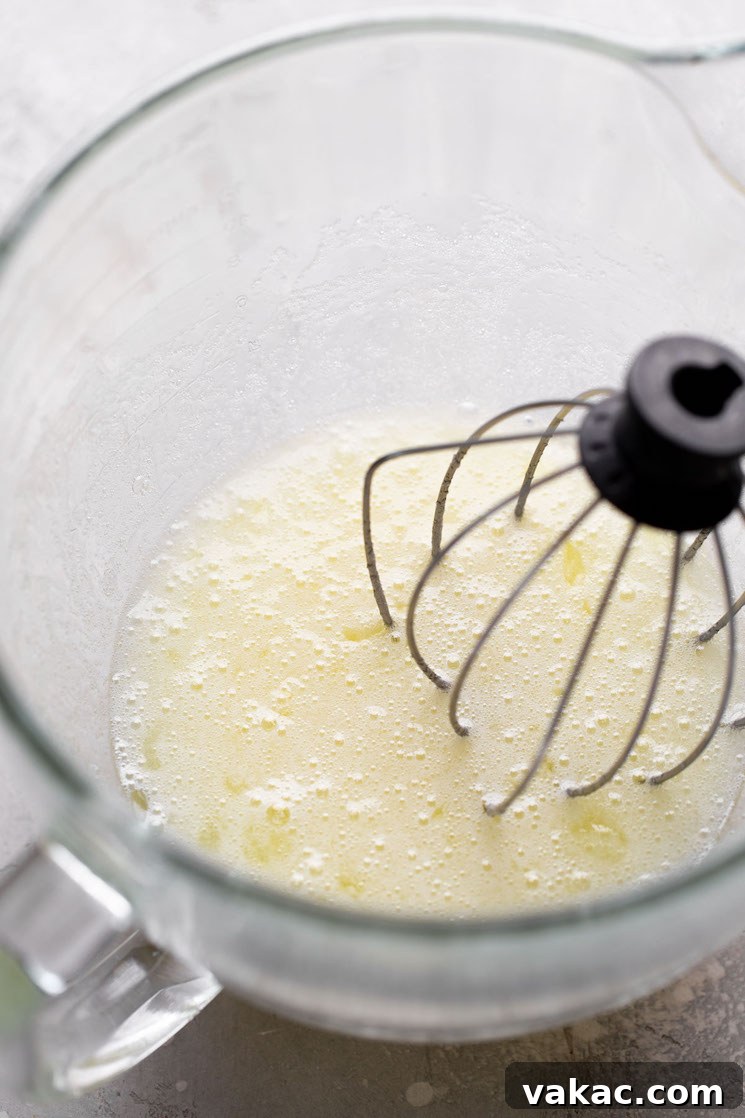
Begin by combining your egg whites, granulated sugar, and salt in a large, heat-proof bowl. Ensure this bowl is impeccably clean and free of any grease. You can use a metal or glass bowl that fits over a saucepan, or even the bowl of your stand mixer if it’s heat-proof. Whisk these ingredients together just enough to combine them thoroughly.
Place this bowl over a pot of simmering water, creating a double boiler. It’s crucial that the bottom of your bowl does not touch the simmering water. The goal here is to gently heat the egg white mixture with the steam. Continuously whisk the mixture by hand. This constant motion prevents the egg whites from scrambling and helps the sugar dissolve evenly. Monitor the temperature with your digital thermometer. You’re aiming for 160°F (71°C). This temperature ensures the egg whites are pasteurized and safe to consume, while also fully dissolving the sugar, which is key for a stable, glossy meringue. The time it takes will vary depending on your stove and bowl, so trust your thermometer!
Step 2: Whipping to Stiff Peaks
Once the mixture reaches 160°F, immediately remove the bowl from the heat. If you used a separate bowl, transfer the hot egg white mixture into the clean, dry bowl of your stand mixer. Attach the whisk attachment. Begin beating the mixture on medium-high speed. At first, it will look foamy and liquid. Gradually, it will transform into a thick, white, glossy meringue. Continue beating until it forms stiff peaks. This process can take anywhere from 10 to 15 minutes, sometimes even longer, depending on your mixer and the ambient temperature. Do not rush this step! Stiff peaks mean that when you lift the whisk, the meringue stands up straight and holds its shape firmly without collapsing. The meringue should also feel completely cool to the touch.
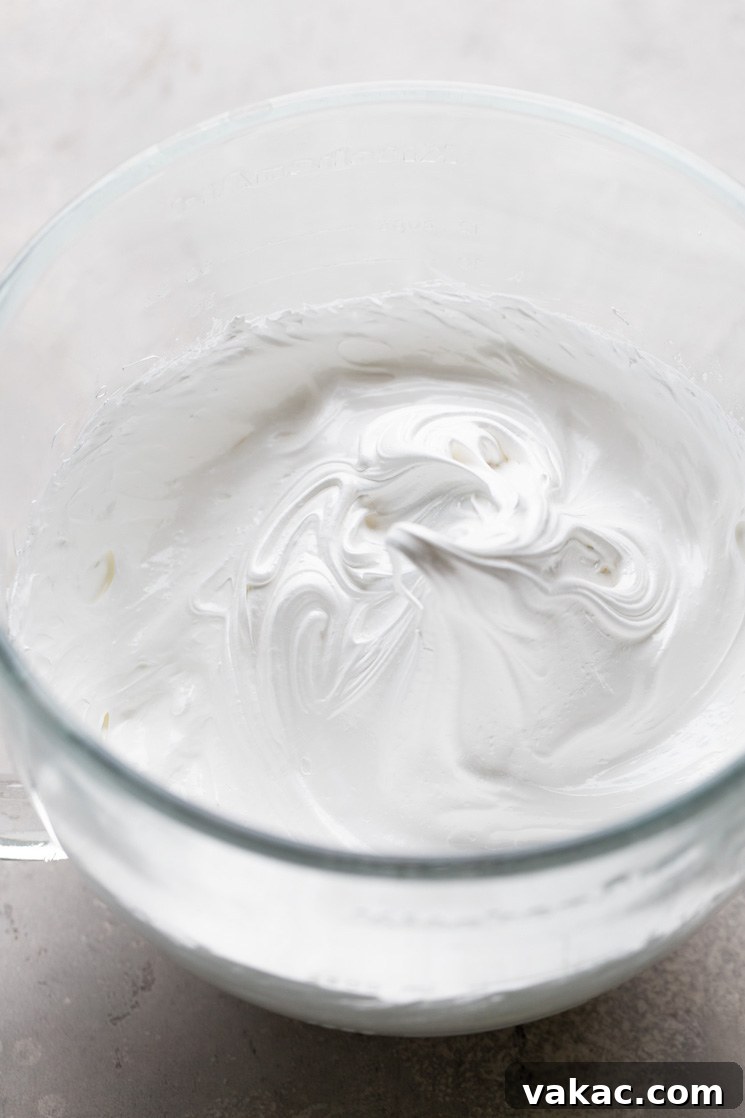
Step 3: Cooling the Meringue – A Critical Step
After achieving stiff peaks, it is absolutely essential that the meringue cools down to room temperature before you add the butter. The outside of the mixing bowl should feel cool, not warm. If it’s still warm, your butter will melt immediately, leading to a soupy, greasy mess. To speed up the cooling process, you can place the mixer bowl (with the meringue inside) in the refrigerator for 10 to 15 minutes, or even in an ice bath, stirring occasionally until it cools sufficiently. This step cannot be skipped!
Step 4: Incorporating the Butter and Vanilla
Once your meringue is perfectly cool, swap out the whisk attachment for the paddle attachment on your stand mixer. This attachment is ideal for smoothly incorporating the butter without adding too much air. With the mixer running on medium-high speed, begin adding your cool room temperature unsalted butter, one tablespoon at a time. Be patient! Allow each tablespoon of butter to be fully incorporated into the meringue before adding the next. This gradual addition helps emulsify the butter into the meringue properly.
Initially, the mixture might look a little strange – it could appear curdled, soupy, or even separated. Do not panic! This is completely normal and often referred to as the “ugly stage.” Keep mixing. As all the butter is added, and you continue to beat, the mixture will miraculously transform. It will come together, thicken, and become beautifully smooth and creamy. This can take several minutes, so continue mixing until it’s homogeneous and luscious.
Stop the mixer, scrape down the sides of the bowl with a rubber spatula to ensure everything is well combined. Add your pure vanilla extract and mix for just a few more seconds on medium speed until the vanilla is fully incorporated.
Step 5: Achieving Ultimate Smoothness (Optional but Recommended)
At this point, you might notice some small air bubbles in your buttercream, which is natural from the whipping process. To achieve an incredibly silky, professional-looking finish, set your mixer to the lowest speed and let it run for an additional 5 to 7 minutes. This slow mixing helps to “beat out” or release any trapped air bubbles, resulting in a super smooth and dense buttercream. Afterward, use a rubber spatula to give the frosting a final stir and smooth out any remaining pockets of air. This optional step makes a remarkable difference in the final texture of your Swiss Meringue Buttercream.
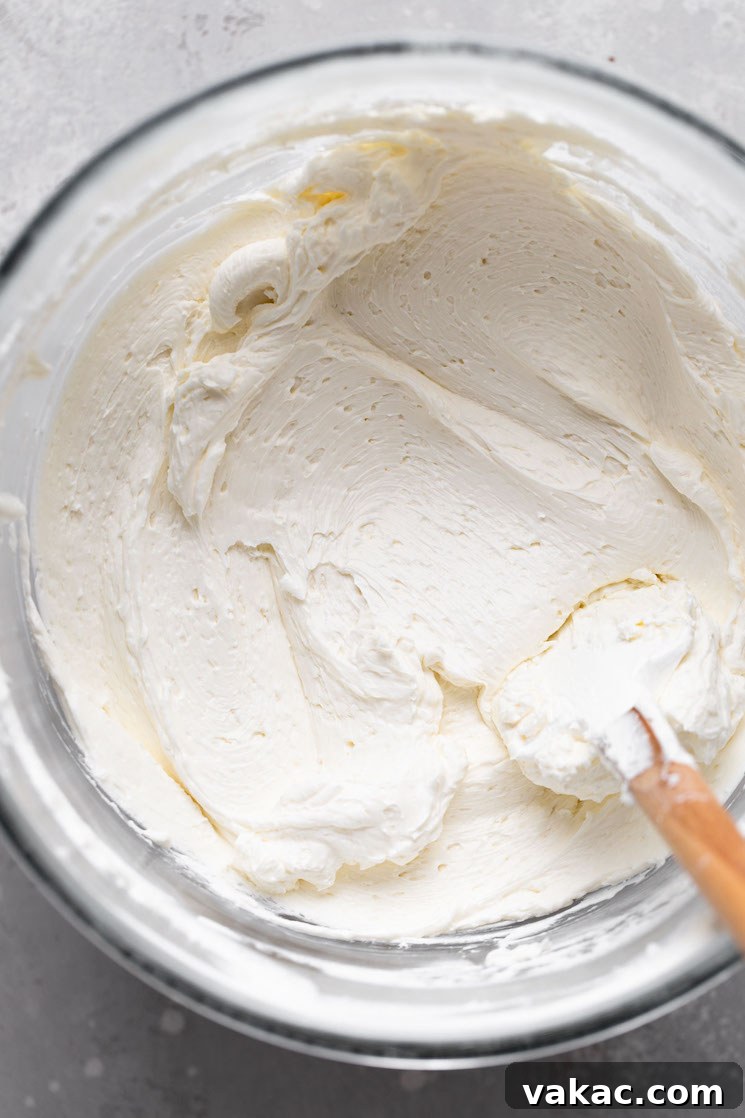
Frequently Asked Questions About Swiss Meringue Buttercream
Is Swiss Meringue Buttercream Safe to Eat?
Yes, absolutely! The heating of the egg whites over the double boiler to 160°F (71°C) is a critical step that pasteurizes them, making the buttercream perfectly safe to consume. This is precisely why a digital thermometer is an indispensable tool for this recipe.
Can I Freeze Swiss Meringue Buttercream?
Yes, Swiss Meringue Buttercream freezes beautifully! Store it in an airtight container or a large freezer bag for up to three months. When you’re ready to use it, thaw it overnight in the refrigerator. Once thawed, bring it to cool room temperature and then re-whip it with an electric mixer (preferably a stand mixer with the paddle attachment) until it returns to its smooth, creamy consistency. It might look curdled at first, but keep mixing, and it will come back together.
Can I Make This Buttercream Ahead of Time?
Yes, SMBC is an excellent make-ahead frosting. It can be stored in an airtight container in the refrigerator for up to 4 days. Before using, allow it to come to cool room temperature (this might take several hours). Then, re-whip it vigorously with a stand mixer (using the paddle attachment) until it’s light, fluffy, and smooth again. This re-whipping process is essential to restore its perfect texture.
What if My Buttercream Looks Curdled or Soupy?
This is a very common issue and almost always fixable! Refer to our detailed troubleshooting section below for comprehensive solutions.
Creative Ways to Use This Exquisite Frosting
The versatility of Swiss Meringue Buttercream makes it suitable for a wide array of desserts. Its stability and smooth texture make it a dream to work with, whether you’re spreading it, piping intricate designs, or filling pastries. Here are just a few ideas:
- Cakes: The ultimate frosting for layered cakes, sheet cakes, and celebration cakes. It provides a clean finish and holds up beautifully.
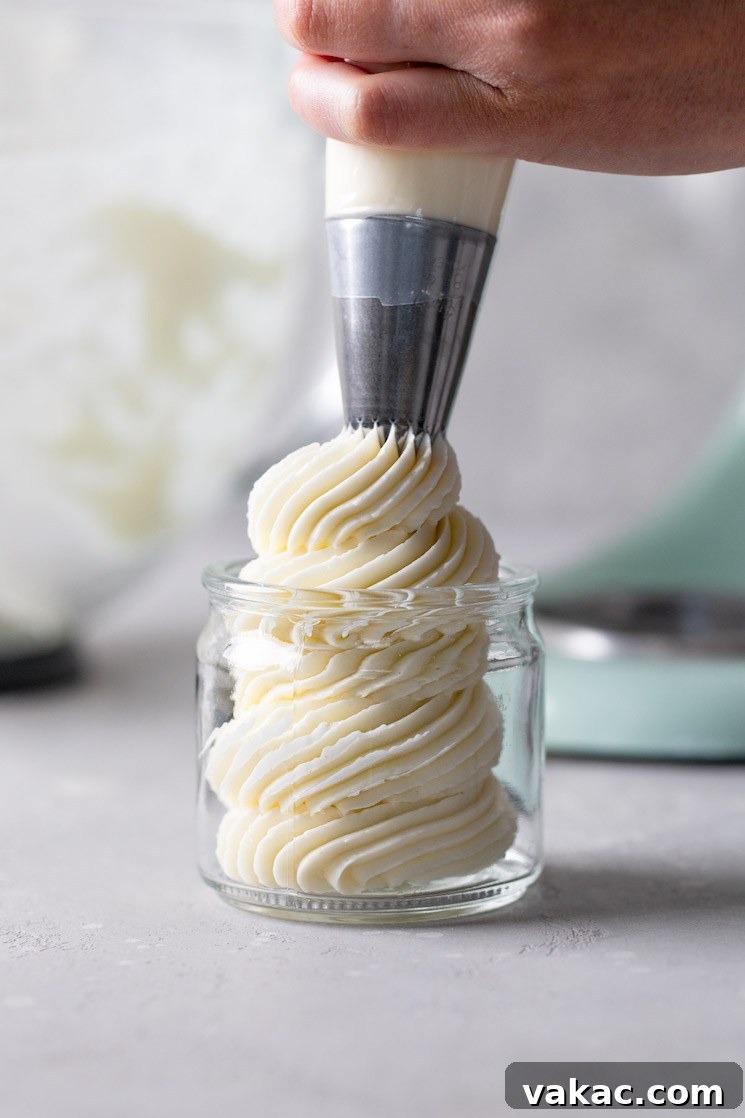
- Cupcakes: Pipe gorgeous swirls and designs that hold their shape perfectly. Ideal for parties and events.
- Cookie Sandwiches: Elevate your cookie sandwiches by filling them with a rich, yet light, layer of SMBC.
- Whoopie Pies: The classic filling for these delightful treats.
- Macarons: A popular choice for macaron fillings due to its smooth texture and less sweet profile.
- Cream Puffs and Eclairs: Use it as a luxurious filling or topping.
- Tart Fillings: Lighten up fruit tarts with a layer of flavored SMBC.
Flavor Variations to Experiment With
Swiss Meringue Buttercream is a fantastic canvas for various flavors. Once your basic vanilla SMBC is complete, try these additions:
- Chocolate: Melted and cooled high-quality chocolate, or sifted cocoa powder.
- Fruit Purees: Reduced and cooled fruit purees (raspberry, strawberry, mango) for natural fruit flavors.
- Coffee: Dissolved instant espresso powder or strong, cooled espresso.
- Citrus: Fresh lemon, lime, or orange zest for a bright, zesty kick.
- Nut Butters: Smooth peanut butter, almond butter, or other nut spreads.
- Other Extracts: Almond, peppermint, coconut, or rum extract for different profiles.
Troubleshooting Common Swiss Meringue Buttercream Issues
Even experienced bakers can encounter hiccups. Here are solutions to common problems:
- If your egg whites won’t whip to stiff peaks: The most common culprit is contamination. Even a tiny speck of egg yolk, grease, or water in the bowl or on your whisk can prevent the egg whites from whipping properly. Ensure all your equipment is spotless. Sometimes, simply starting over with fresh egg whites and clean equipment is the easiest solution.
- If the frosting is too runny, soupy, or not coming together after adding butter: This almost always means your meringue was too warm when the butter was added. Place the entire mixer bowl (with the runny buttercream) into the refrigerator for 15-20 minutes. The butter needs to chill and firm up slightly. Then, return it to the mixer and beat again on medium-high speed. It will likely look curdled or separated at first, but keep mixing! It should eventually come together and become smooth. If it’s still too soft, repeat the chilling process.
- If the frosting looks curdled or broken after mixing: This can also happen if the butter was too cold or the meringue was slightly too warm (creating a temperature imbalance). Don’t despair! Place the mixer bowl over a pot of simmering water (double boiler style) for just a minute or two, stirring gently, until the edges of the buttercream start to soften or melt slightly. This will warm it up just enough. Immediately remove from heat and return to the mixer, beating on medium-high speed. It should come together into a smooth, creamy consistency.
- If the buttercream is too thick or stiff: Sometimes, after chilling or resting, the buttercream can become very stiff. To remedy this, beat it on low speed in your stand mixer for a few minutes. If it’s still too stiff, you can gently warm the bottom of the mixer bowl with a kitchen torch or by placing it over a double boiler for a very short period (just a few seconds), then re-whip. You can also add a tablespoon of warm milk or cream, one at a time, while mixing until it reaches your desired consistency.
- Grainy Texture: If your buttercream feels grainy, it likely means the granulated sugar didn’t fully dissolve in the egg whites during the heating phase. Ensure you whisk constantly and reach the full 160°F (71°C) to ensure the sugar is completely dissolved.
Explore More Homemade Frosting Recipes!
If you enjoyed mastering Swiss Meringue Buttercream, expand your baking skills with these other delightful frosting recipes:
- Rich Chocolate Buttercream Frosting
- Classic American Buttercream Frosting
- Delightful Raspberry Buttercream Frosting
- Velvety Cream Cheese Frosting
- Creamy Peanut Butter Frosting
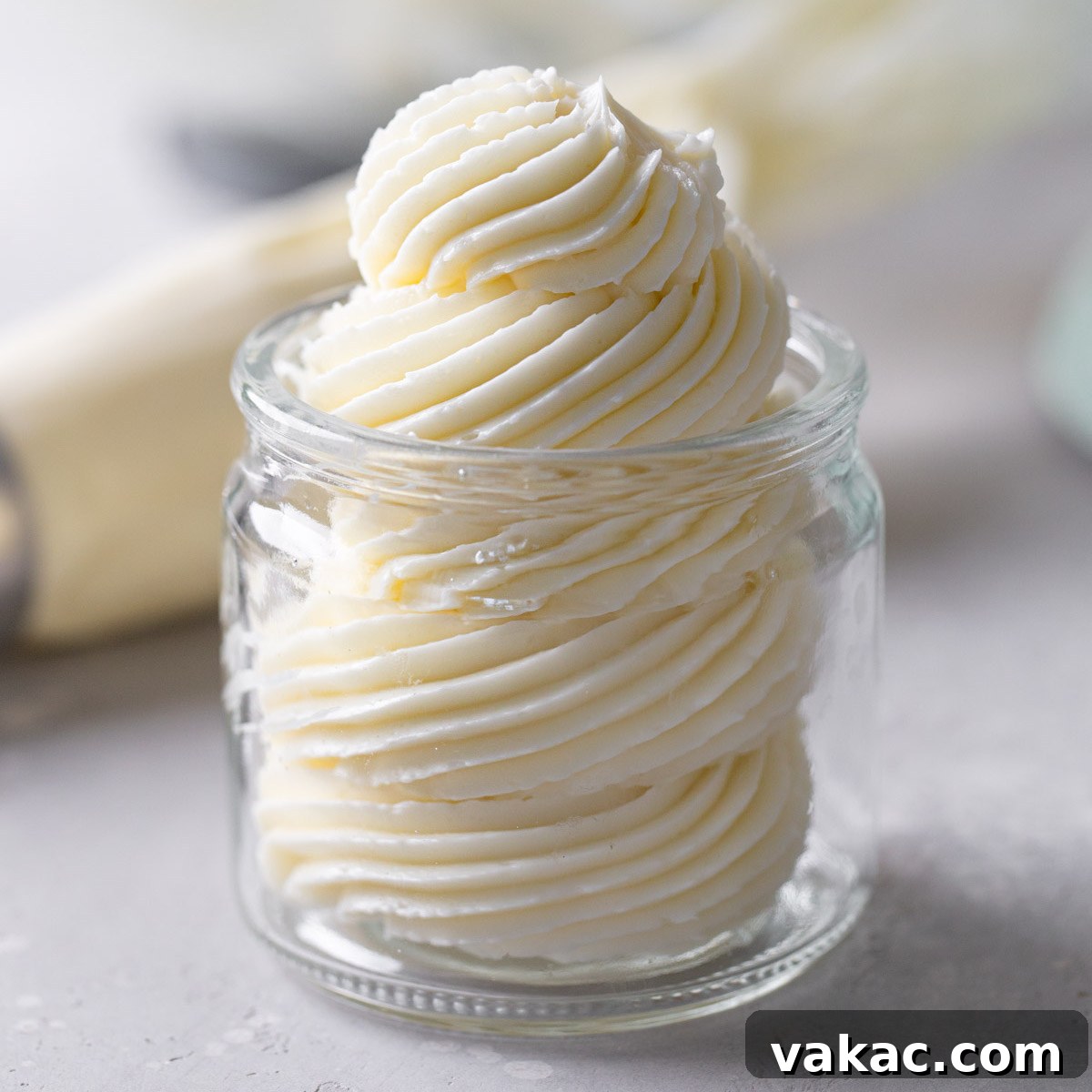
Swiss Meringue Buttercream
Swiss meringue buttercream is smooth, creamy, and less sweet than traditional American buttercream. Perfect for cakes, cupcakes, cookie sandwiches, and more!
Prep Time: 45 mins
Cooling Time: 15 mins
Total Time: 1 hr
Ingredients
Servings: 5 cups
- 6 large egg whites (198 grams)
- 2 cups (400 grams) granulated sugar
- ¼ teaspoon salt
- 2 cups (4 sticks, or 1 pound) unsalted butter (softened to a cool room temperature)
- 2 teaspoons pure vanilla extract
Instructions
- Add the egg whites, granulated sugar, and salt to a large heat-proof bowl and whisk until well combined.
- Place the bowl over a pot of simmering water, making sure the bottom of the bowl does not touch the water. Whisk constantly until the mixture registers 160°F (71°C) on a digital thermometer (the amount of time will vary so I recommend using a thermometer here).
- Remove the bowl from the heat and transfer the mixture to the bowl of a stand mixer fitted with the whisk attachment. Beat the mixture on medium-high speed until stiff glossy peaks form (about 10 to 15 minutes). If the outside of the bowl is still warm to the touch at this point, allow it to cool (or transfer to the refrigerator for 10 to 15 minutes) before proceeding with the next step.
- Switch from the whisk attachment to the paddle attachment. With the mixer on medium-high speed, add the butter 1 tablespoon at a time, making sure each tablespoon of butter is fully mixed in before adding the next tablespoon. Once all of the butter is added, continue mixing if needed until the mixture is thick, smooth, and creamy.
- Scrape down the sides of the bowl, add the vanilla extract, and continue mixing on medium speed until fully combined (about 20 to 30 seconds).
- Adjust the mixer to the lowest speed and continue mixing for 5 to 7 minutes to remove air bubbles. This step is optional, but it helps to make the frosting smoother. If needed, use a rubber spatula to beat out any remaining air bubbles.
Notes
Storage Instructions: Store frosting in an airtight container in the refrigerator for up to 4 days. Thaw to room temperature and mix well with an electric mixer before using it.
Freezing Instructions: Frosting may be frozen in a large freezer bag for up to 3 months. Thaw overnight in the refrigerator, bring to room temperature, and mix well with an electric mixer before using it.
Course: Dessert
Author: Danielle Rye
Now that you’ve mastered the art of Swiss Meringue Buttercream, you’re ready to elevate your baking to new heights. Its unparalleled texture, balanced sweetness, and incredible stability will transform your desserts, making every bite a luxurious experience. Don’t be intimidated by the process; with patience and precision, you’ll create a frosting that is truly a chef’s kiss. Happy baking!