
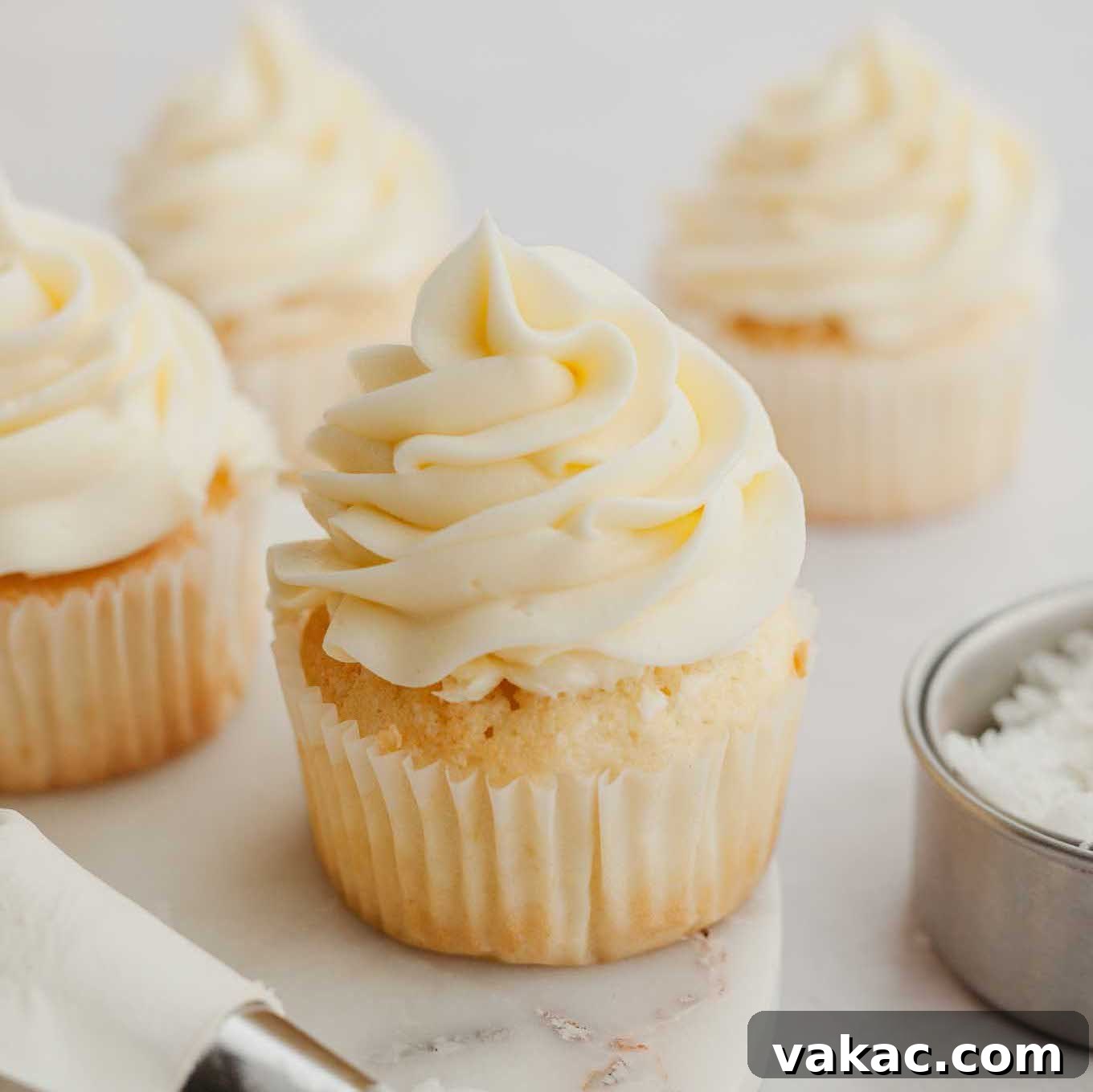
Welcome to the ultimate guide for creating the most irresistibly smooth, creamy, and intensely flavorful coconut frosting! This isn’t just a recipe; it’s an invitation to elevate your homemade desserts, transforming ordinary cakes, cupcakes, and brownies into tropical masterpieces. If you’ve been searching for that perfect balance of sweetness and rich coconut essence, look no further. This easy-to-follow recipe promises a velvety texture and an authentic coconut taste that will have everyone asking for more. Get ready to discover your new favorite frosting, a truly versatile delight that adds a touch of paradise to any treat!
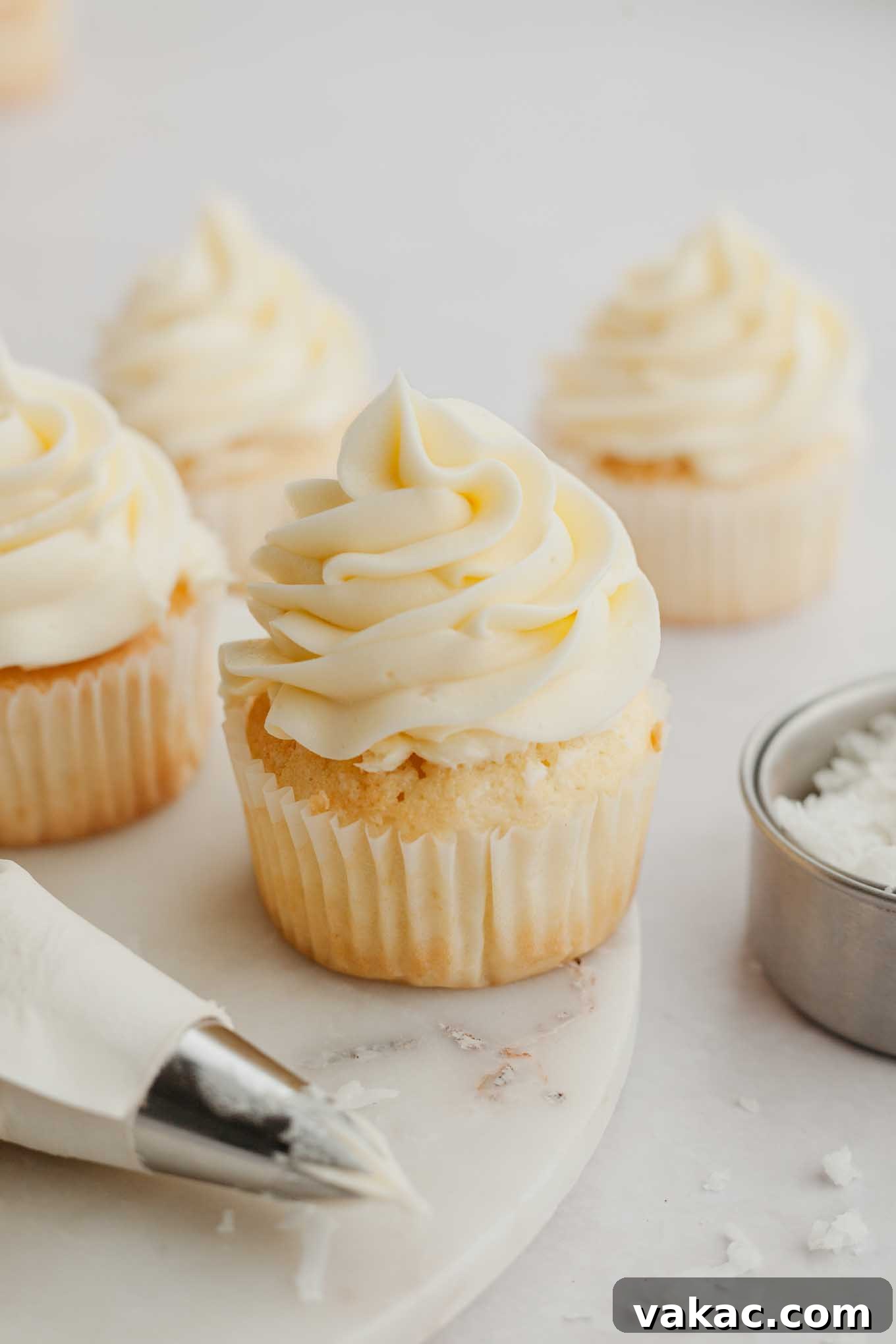
Baking, at its heart, is about creating joy, and often, the frosting is the crown jewel that completes the experience. While the cake itself provides the foundation, it’s the luscious topping that truly makes a dessert memorable. This year, my mission has been to expand our collection of exceptional frosting recipes, and I’m thrilled to share one that has quickly become a personal favorite: this incredibly simple yet profoundly delicious coconut frosting. It’s a game-changer for anyone who loves the distinct, aromatic flavor of coconut, delivering a taste that’s both indulgent and refreshingly exotic.
Why This Coconut Frosting Recipe Will Be Your New Go-To
There are countless reasons why this coconut frosting stands out, promising to become a staple in your baking repertoire. From its straightforward preparation to its sublime flavor, every aspect is designed for success and satisfaction. Here’s why you’ll absolutely adore making and tasting this delightful creation:
- Minimal Ingredients, Maximum Flavor: You only need five basic ingredients to achieve this incredible frosting, including two essential extracts. This simplicity ensures a quick and hassle-free preparation, proving that extraordinary flavor doesn’t require a long list of obscure items. Each ingredient plays a crucial role in building the perfect coconut profile.
- The Epitome of Coconut Perfection: Achieving a genuine, balanced coconut flavor without it being artificial or overpowering is an art. Thanks to the thoughtful combination of canned coconut milk and pure coconut extract, this recipe nails it. You get a deep, creamy coconut essence that truly shines, transporting your taste buds to a tropical paradise with every bite.
- Effortless and Speedy Preparation: In today’s busy world, a quick recipe is a treasured one. This coconut frosting comes together in under 10 minutes, making it ideal for last-minute dessert decorations or when you simply crave something delicious without a lengthy commitment. Much like a classic buttercream frosting, its ease of assembly is truly remarkable.
- Unbelievably Versatile for Any Sweet Treat: The beauty of this frosting lies in its adaptability. While it’s the star on my coconut cake and coconut cupcakes, its potential extends far beyond. Imagine it swirled atop rich homemade brownies, adding an unexpected tropical twist, or gracing classic vanilla cupcakes and decadent chocolate cupcakes. It would even be a fantastic pairing for the spices in my beloved carrot cake recipe, offering a fresh, creamy contrast.
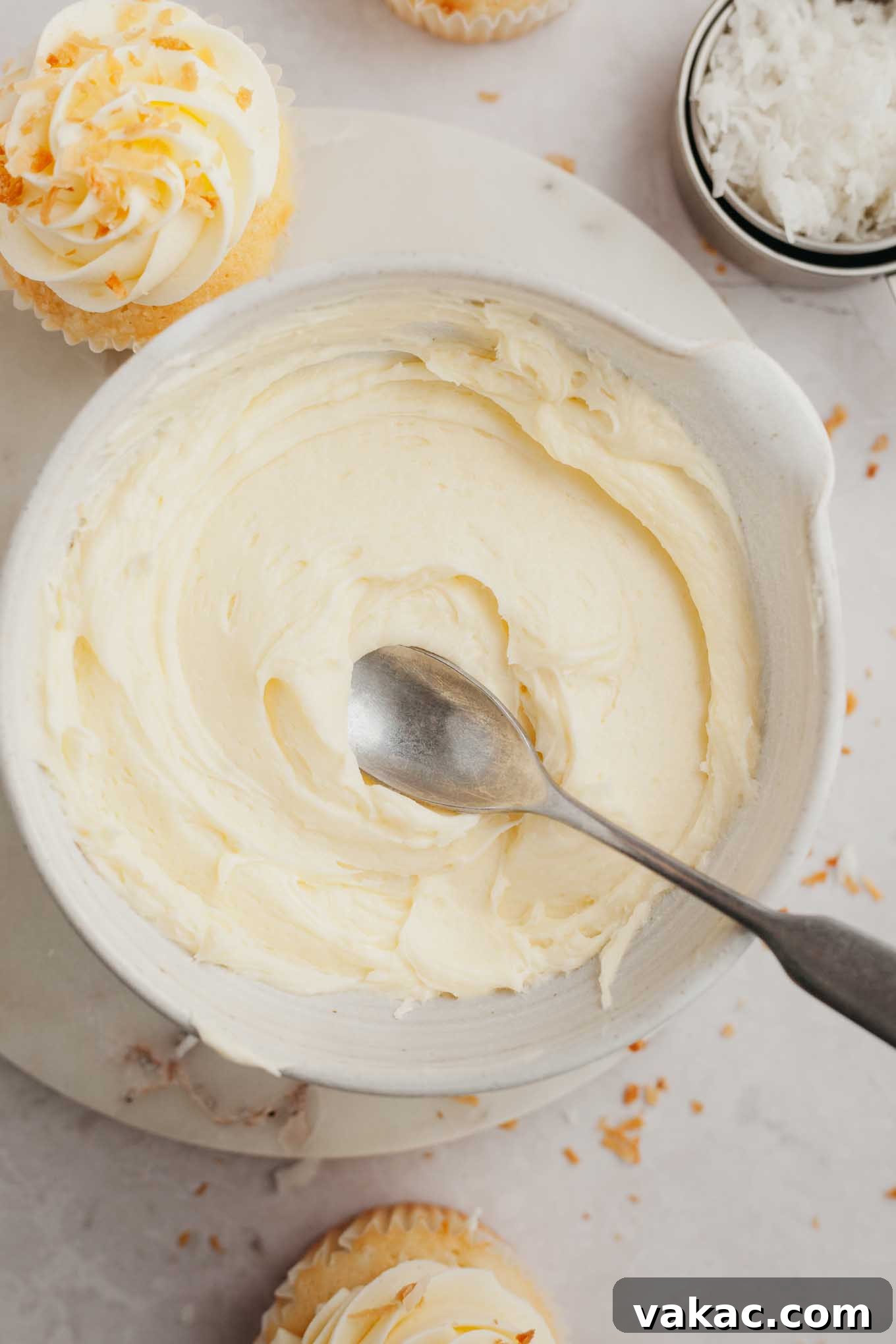
- Luxuriously Smooth and Creamy Texture: Beyond the flavor, the texture of this frosting is simply divine. It’s whipped to a light, airy, yet stable consistency that pipes beautifully and spreads like a dream. This perfect mouthfeel enhances the overall dessert experience, making each bite an absolute delight.
Essential Ingredients for Your Luscious Coconut Frosting
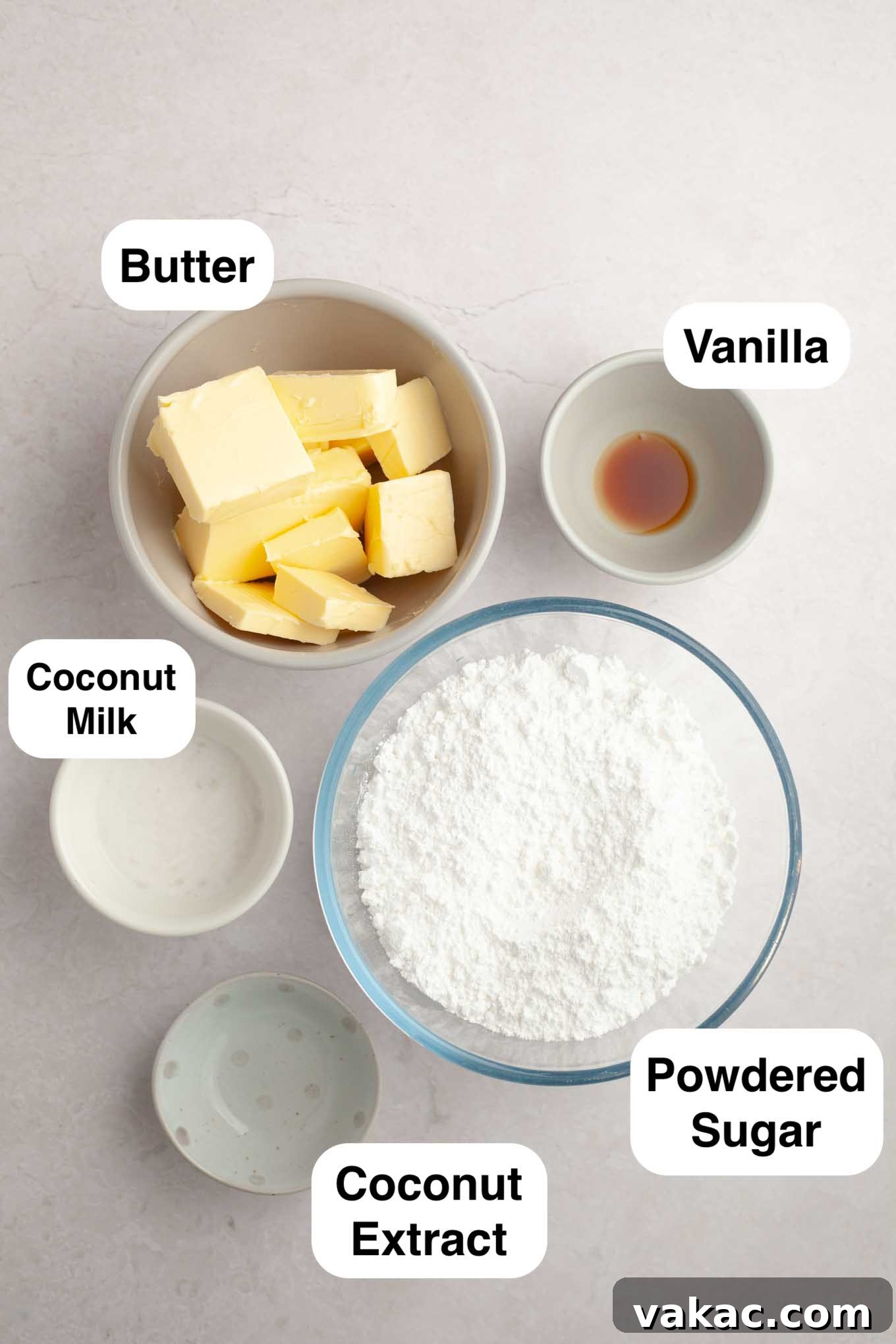
Crafting this exquisite coconut frosting requires a handful of carefully selected ingredients, each contributing to its unparalleled flavor and texture. Choosing quality ingredients and understanding their roles is key to achieving that perfect, dreamy consistency and authentic coconut taste. Here’s a closer look at what you’ll need:
- Unsalted Butter, Softened: The foundation of any great buttercream, unsalted butter is crucial. I always opt for unsalted butter in baking to maintain precise control over the overall salt content of my recipes. Ensure your butter is properly softened to room temperature – not melted, but pliable – as this is vital for a smooth, lump-free frosting that creams beautifully. Using salted butter could result in an overly salty frosting, detracting from the delicate coconut flavor.
- Powdered Sugar (Confectioners’ Sugar/Icing Sugar): This finely milled sugar is indispensable for thickening and sweetening the frosting, providing its characteristic smooth consistency. Unlike granulated sugar, powdered sugar dissolves instantly, ensuring a silky finish without any grittiness. For the best results, especially if your powdered sugar tends to clump, a quick sift before mixing can prevent lumps and guarantee a perfectly smooth texture.
- Unsweetened Canned Full-Fat Coconut Milk, Room Temperature: This is where the magic happens for that rich, authentic coconut flavor. Instead of traditional heavy cream or dairy milk, we harness the creamy richness of canned coconut milk. Make sure to use *full-fat* coconut milk for the best body and flavor, and ensure it’s at room temperature for seamless incorporation. You’ll likely have some leftover, which can be refrigerated and used in other delightful recipes, such as my indulgent coconut cream pie, or simply enjoyed in smoothies. Remember to shake the can well before opening, as the cream and water often separate.
- Pure Vanilla Extract: A touch of pure vanilla extract elevates and rounds out the flavors in this frosting. Vanilla acts as a natural enhancer, subtly complementing the coconut without overshadowing it. Always choose pure vanilla extract for its superior aroma and taste compared to artificial alternatives.
- Coconut Extract: To truly amplify that tropical essence and ensure a robust coconut flavor, coconut extract is a must. Used in conjunction with coconut milk, it provides a concentrated burst of flavor that artificial extracts often miss. Using a good quality coconut extract will make all the difference in achieving a truly authentic and delicious frosting.
Crafting Your Dream Coconut Frosting: A Step-by-Step Guide
Making this delightful coconut frosting is a surprisingly simple process, yielding professional-quality results in mere minutes. Follow these straightforward steps to achieve a perfectly smooth, creamy, and flavorful frosting that’s ready to crown your favorite baked goods:
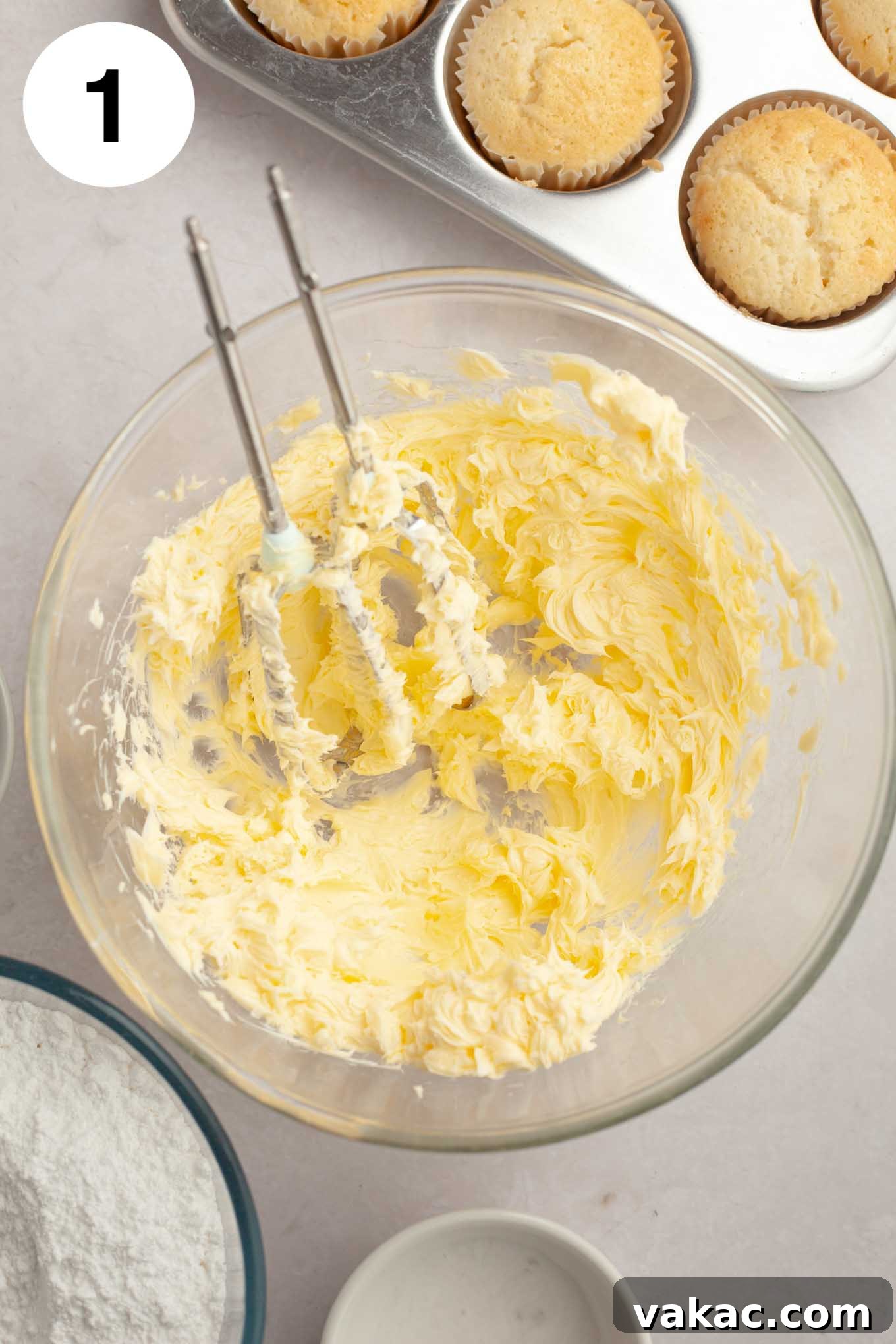
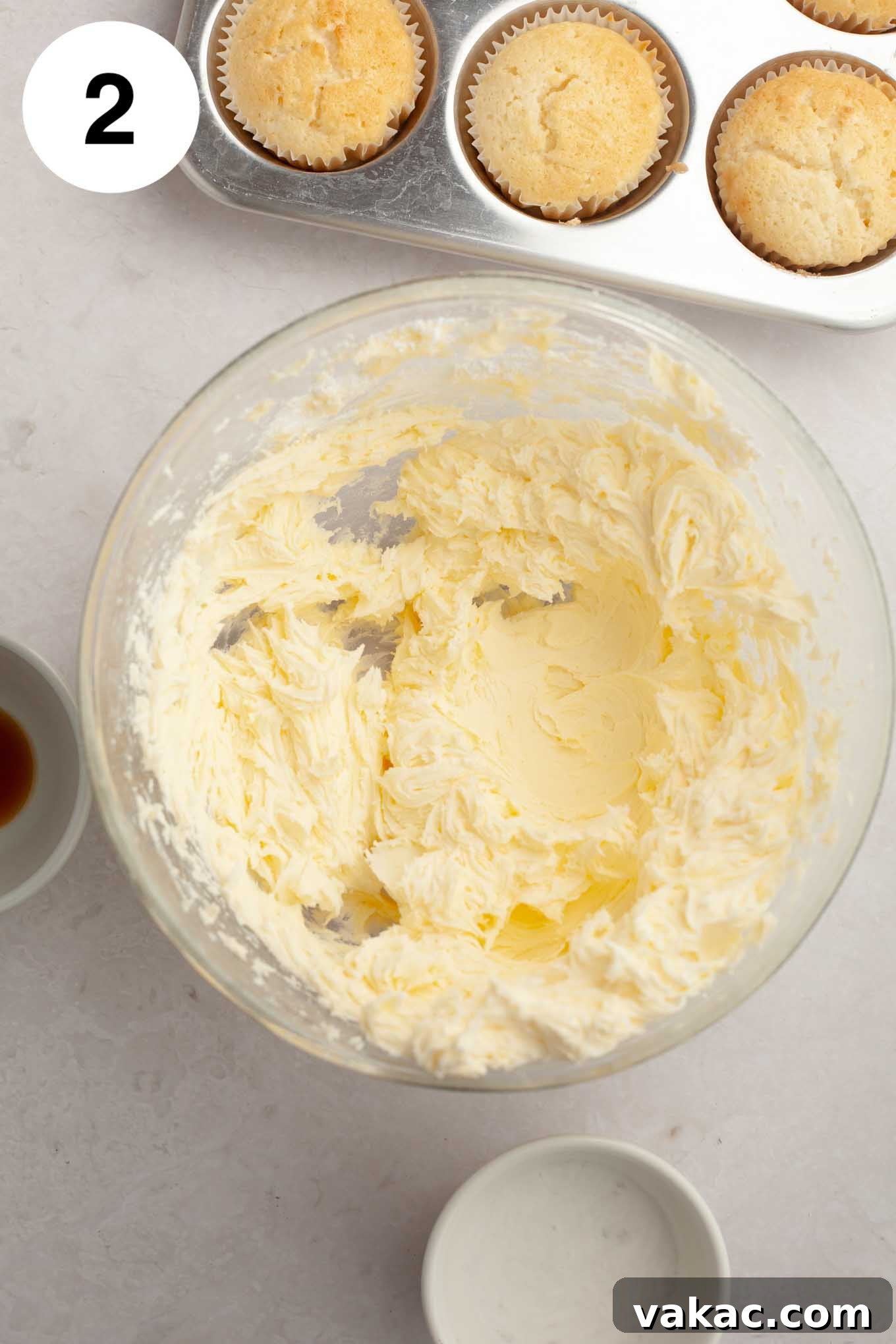
- Begin by Creaming the Butter Until Silky Smooth: The first and most critical step for any outstanding buttercream is to properly cream your softened unsalted butter. In the bowl of a stand mixer fitted with the paddle attachment, or using a large mixing bowl and a handheld electric mixer, beat the butter on medium speed for 2-3 minutes. You want the butter to become light in color, fluffy, and completely smooth, ensuring there are absolutely no lumps. This aerates the butter, creating a stable base and making it much easier to incorporate the powdered sugar evenly, preventing a grainy texture in your final frosting.
- Gradually Incorporate the Powdered Sugar: Once your butter is perfectly creamed, it’s time to add the powdered sugar. To avoid a dusty kitchen and ensure thorough mixing, I highly recommend adding the powdered sugar in two separate batches. Begin by adding about half of the total powdered sugar to the bowl. Mix on the lowest speed until just combined – this prevents a cloud of sugar from erupting. Once the first half is mostly incorporated, scrape down the sides of the bowl, then add the remaining powdered sugar. Continue mixing on low speed until it’s fully blended into the butter, resulting in a thick, crumbly, yet cohesive mixture.
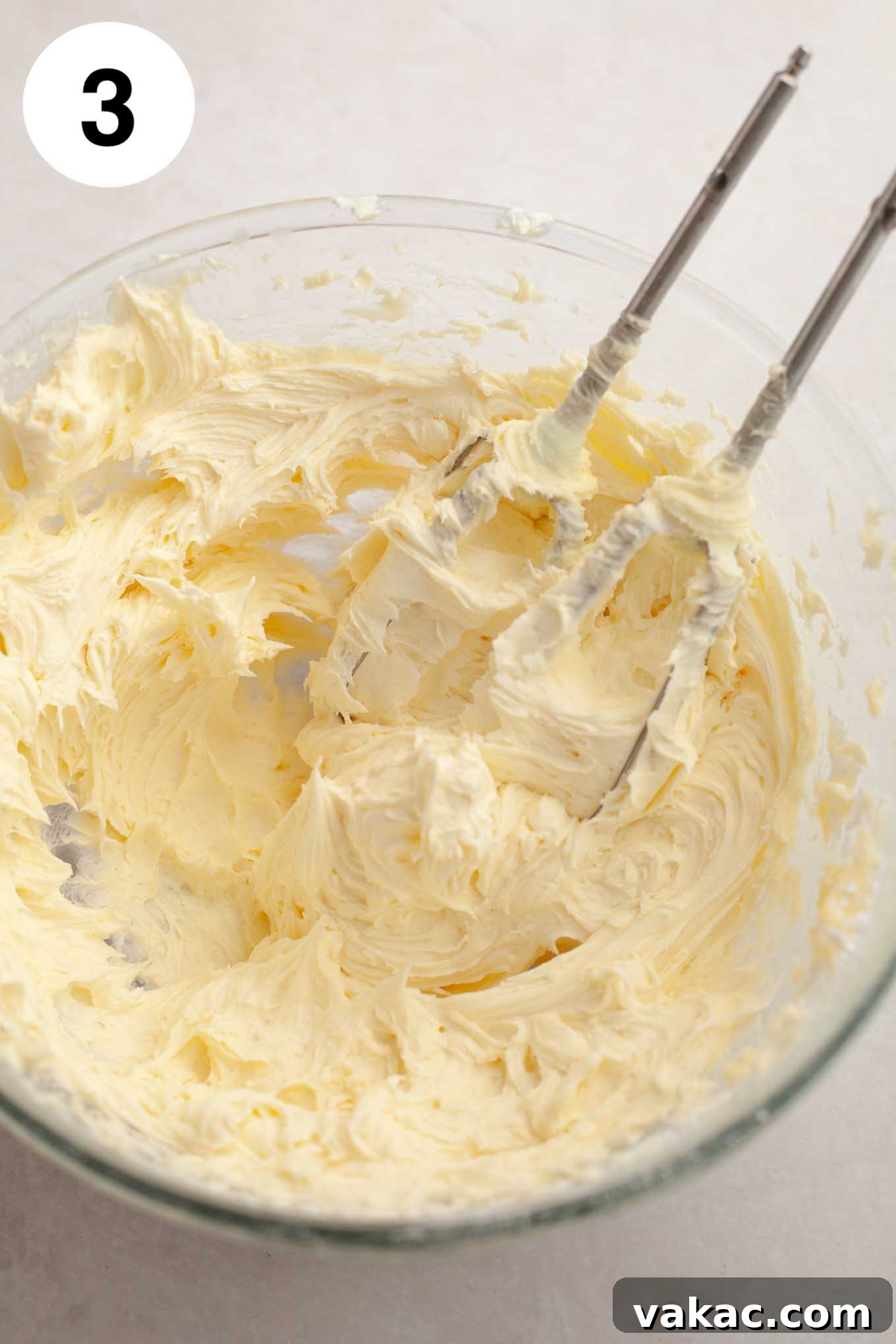
- Introduce the Liquids and Extracts to Complete the Frosting: With the powdered sugar thoroughly mixed in, it’s time to add the flavor-packed liquids. Pour in the room-temperature canned coconut milk (start with 2 tablespoons and assess the consistency, adding the third tablespoon if a thinner frosting is desired), followed by the pure vanilla extract and coconut extract. Continue mixing on low to medium-low speed. As the ingredients combine, the frosting will transform into a wonderfully smooth, creamy, and spreadable consistency. Be sure to stop periodically and scrape down the sides and bottom of your mixing bowl with a spatula. This ensures that all ingredients are thoroughly incorporated, preventing any unmixed pockets and guaranteeing a consistent, luscious frosting throughout. Continue mixing until the frosting is light, fluffy, and perfectly smooth.
Frequently Asked Questions About Coconut Frosting
Can I add shredded coconut to the frosting for extra texture?
Absolutely! For an added layer of texture and intensified coconut flavor, you may gently fold in about 1/2 cup of sweetened shredded coconut into the finished frosting. If you desire an even more pronounced texture, feel free to add a bit more, adjusting to your personal preference. However, a word of caution: if your plan is to pipe the frosting using a pastry bag and tip, adding shredded coconut is generally not recommended. The coconut strands can easily get stuck inside the piping tip, causing blockages and frustration. Instead, for a beautiful presentation and delightful crunch, consider topping your piped frosting with some delicious toasted coconut flakes. This offers the best of both worlds: a smooth, pipeable frosting and a lovely coconut garnish.
How much frosting does this recipe yield?
This recipe is designed to produce a generous quantity, typically yielding just under 3 cups of smooth, creamy coconut frosting. This amount is usually sufficient to generously frost a full batch of 12 to 14 standard-sized cupcakes, ensuring a beautifully piped or spread finish on each. Alternatively, it provides ample frosting to cover one standard 9×13 inch sheet cake, creating a delicious and evenly coated dessert. If your baking project involves a layered cake (such as a two or three-layer round cake), I strongly recommend increasing the recipe by at least half. This ensures you’ll have more than enough frosting for filling between layers, crumb coating, and a decorative final layer without running short.
Does coconut frosting need to be refrigerated for storage?
While this coconut frosting contains butter and coconut milk, it is technically stable enough to be left at comfortable room temperature for a few hours without spoiling, particularly if your kitchen isn’t excessively warm. However, for optimal freshness, flavor, and to significantly extend its shelf life, I highly recommend storing it in the refrigerator. When properly stored in an airtight container, your homemade coconut frosting will remain fresh and delicious for up to 5 days. If you plan to make it further in advance or want to save leftovers, it also freezes exceptionally well (see baking tips below for freezing instructions).
What if my frosting is too thick or too thin?
Adjusting the consistency of your frosting is simple! If your coconut frosting appears too thick, simply add more room-temperature coconut milk, about half a tablespoon at a time, mixing well after each addition until you reach your desired consistency. Conversely, if your frosting is too thin, you can thicken it by adding more sifted powdered sugar, one tablespoon at a time, mixing thoroughly until it reaches the perfect piping or spreading consistency. Remember, slight adjustments can make a big difference, so add gradually.
Can I make this frosting dairy-free or vegan?
Yes, absolutely! This recipe is naturally very close to being dairy-free, thanks to the use of coconut milk. To make it fully dairy-free and vegan, simply substitute the unsalted dairy butter with your favorite high-quality vegan butter sticks. Ensure the vegan butter is also softened to room temperature for the best results, mimicking the properties of traditional butter. The rest of the ingredients are naturally plant-based, making this an excellent choice for those with dietary restrictions who still crave a rich and flavorful frosting.
Top Tips for Flawless Coconut Frosting Success
- Sift Your Powdered Sugar: If your powdered sugar has any lumps or is prone to clumping, taking a moment to sift it before mixing it into the butter is highly recommended. This extra step ensures a perfectly smooth, lump-free frosting, which is crucial for a beautiful finish, especially if you plan on piping your desserts.
- Control Your Mixer Speed: Resist the urge to mix the frosting at excessively high speeds. While it might seem faster, high-speed mixing can incorporate too much air into the frosting, leading to an abundance of tiny air bubbles. This can result in a less dense, sometimes unstable frosting that doesn’t pipe or spread as cleanly. Stick to low to medium-low speeds for a dense, silky-smooth consistency.
- Properly Prepare Your Canned Coconut Milk: Before opening, always give your can of coconut milk a good, vigorous shake. Coconut milk often separates in the can, with the thick cream rising to the top and the water settling at the bottom. If, upon opening, you find it has still separated, simply pour the contents into a small bowl and whisk it thoroughly until it’s completely homogenous and creamy before you measure out the required amount for the recipe. This ensures consistent flavor and texture in your frosting.
- Ensure Room Temperature Ingredients: Beyond the butter, it’s equally important that your canned coconut milk is at room temperature. Cold ingredients can cause the butter to stiffen, making it harder to combine smoothly and potentially leading to a curdled appearance. Bringing all ingredients to room temperature allows them to emulsify beautifully, creating a cohesive and luscious frosting.
Coconut Frosting
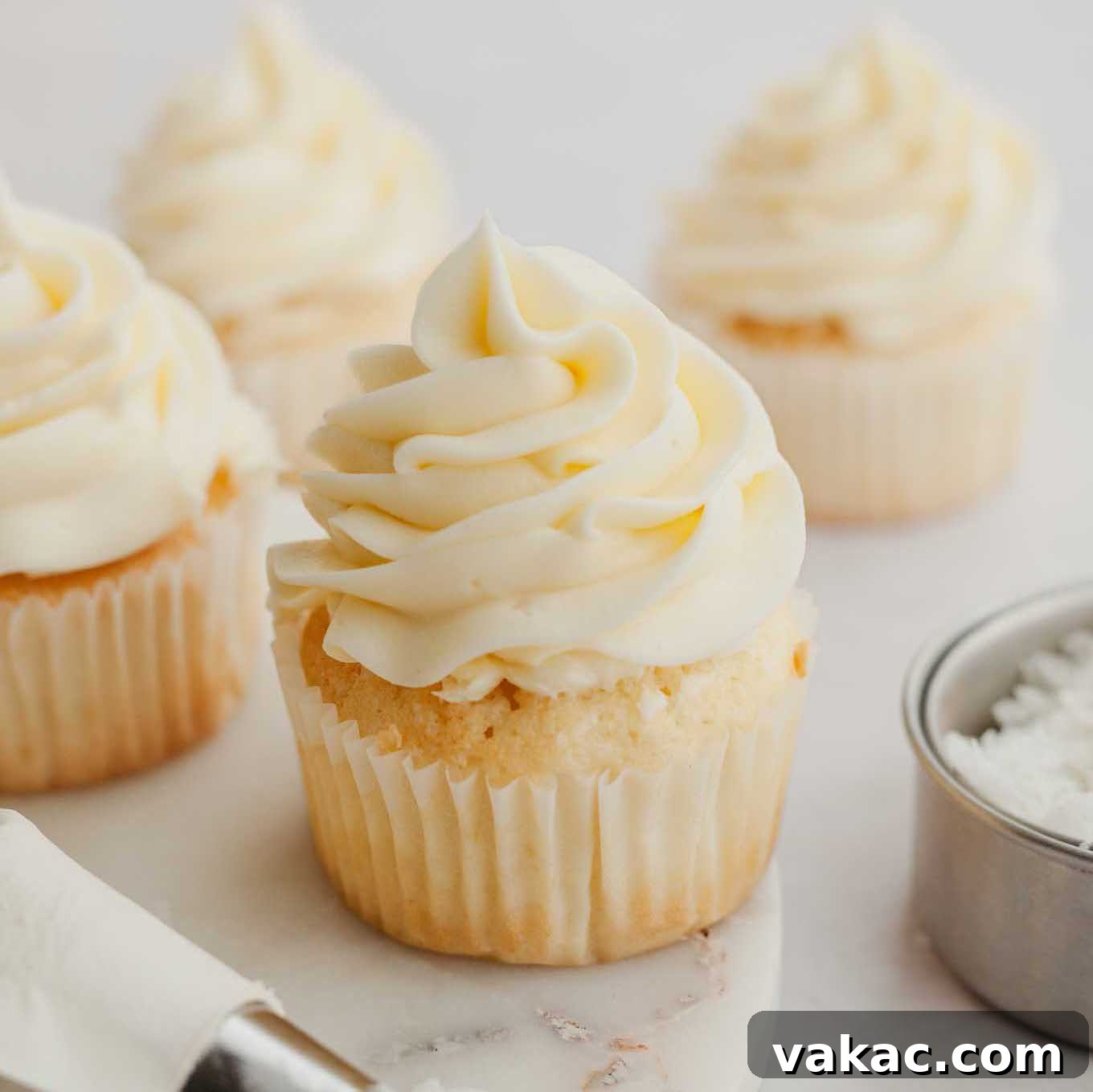
This coconut frosting is irresistibly smooth, wonderfully creamy, and bursting with authentic coconut flavor. It’s the ultimate topping for your favorite cakes, cupcakes, brownies, and so much more, adding a delightful tropical touch to any dessert!
Pin Recipe
Leave a Review
Ingredients
- 1 cup unsalted butter, softened (230 grams; 2 sticks)
- 3 cups powdered sugar (360 grams), sifted if lumpy
- 2 to 3 tablespoons canned full-fat coconut milk, at room temperature (30 to 45 ml)
- 1 teaspoon pure vanilla extract
- ½ teaspoon coconut extract
Instructions
- In the bowl of a stand mixer fitted with the paddle attachment or in a large mixing bowl using a handheld mixer, beat the softened butter on medium speed until it is light, fluffy, and completely smooth (about 2-3 minutes). Scrape down the sides of the bowl as needed.
- Gradually mix in the powdered sugar. Add half of the powdered sugar and mix on low speed until just combined. Scrape down the bowl, then add the remaining half of the powdered sugar. Continue mixing on low speed until fully incorporated and the mixture is thick.
- Add the room-temperature coconut milk (starting with 2 tablespoons and adding more if a thinner consistency is desired), pure vanilla extract, and coconut extract. Continue mixing on low speed until all ingredients are well combined and the frosting is smooth and creamy. Scrape down the sides of the bowl thoroughly to ensure everything is blended.
- Use this delicious coconut frosting immediately to generously frost your favorite cakes, cupcakes, brownies, or other desserts.
Notes
Storage Instructions: Any leftover coconut frosting can be stored in an airtight container in the refrigerator for up to 5 days. Ensure it comes to room temperature and is re-whipped lightly before use for the best consistency.
Freezing Instructions: This frosting freezes exceptionally well. Place it in an airtight, freezer-safe container and freeze for up to 3 months. When ready to use, thaw the frosting overnight in the refrigerator, then bring it to room temperature and re-whip it with a mixer until it’s light and fluffy again.
Did you make this delightful recipe?
Mention @livewellbakeoften on Instagram or tag #livewellbakeoften so we can see your beautiful creations!
Explore More Irresistible Frosting Recipes!
Once you’ve mastered this incredible coconut frosting, you might find yourself craving more delicious toppings to complete your baking adventures. Expanding your frosting repertoire is a fantastic way to add variety and excitement to all your desserts. Whether you’re looking for rich, nutty flavors, classic creamy textures, or fruity delights, we have a frosting recipe to inspire your next baking project. Dive into these other popular and beloved frosting creations that are sure to impress!