
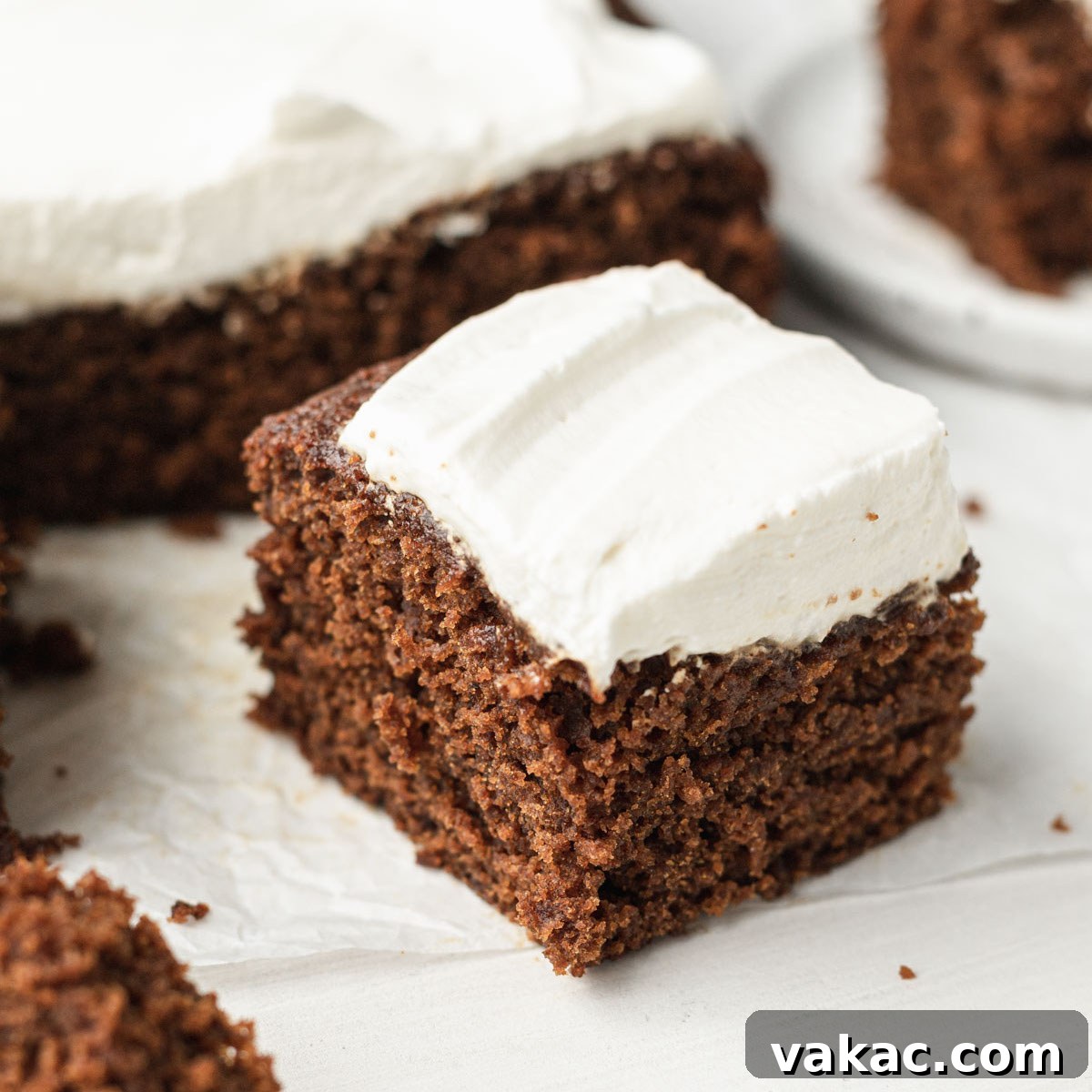
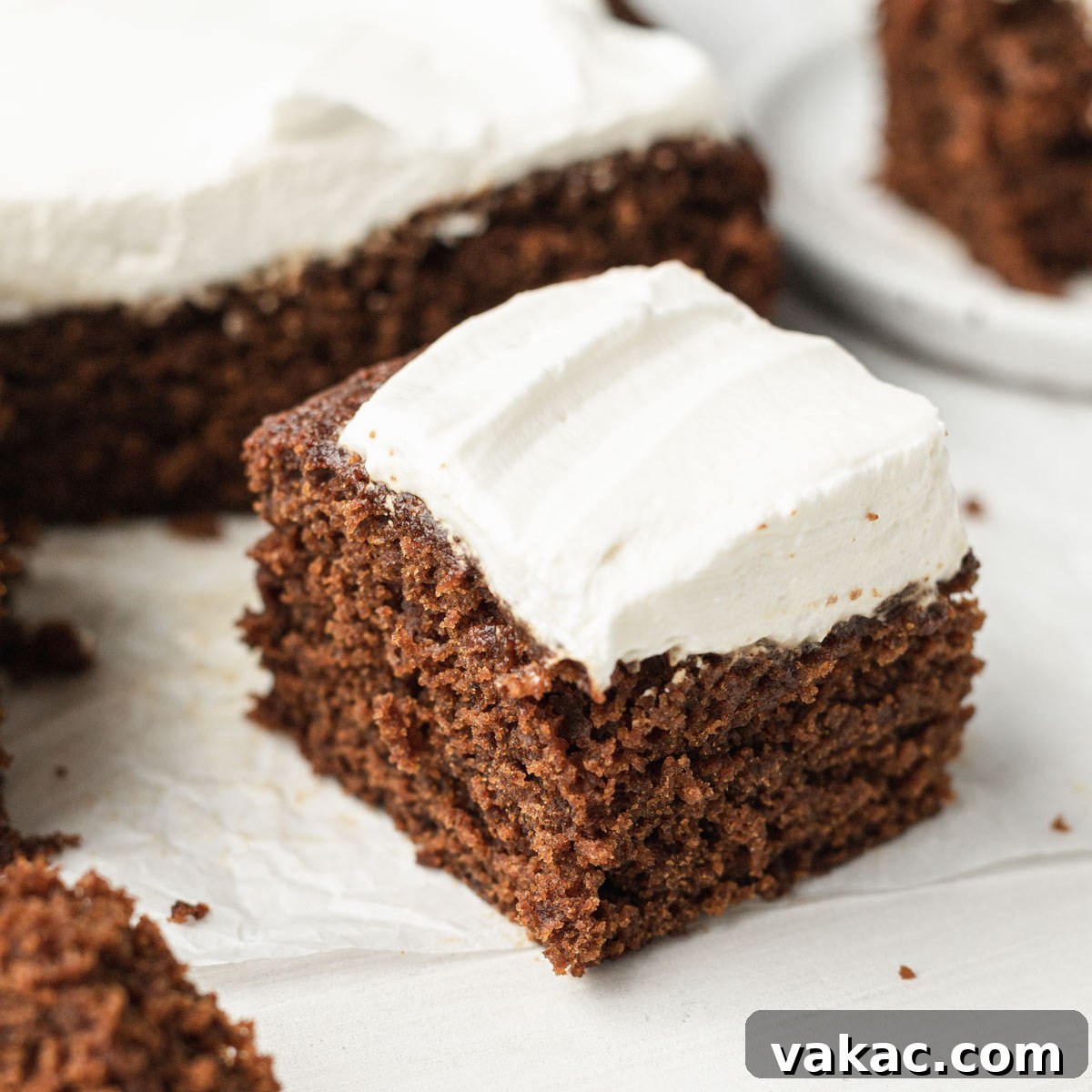
Step aside, holiday cookies! This holiday season, delight your family and friends with a gorgeously moist gingerbread cake that captures all the classic flavors you love, but in a much simpler, less time-consuming format. Infused with the comforting aromas of cinnamon, ginger, and cloves, this cake is a true festive masterpiece. While incredibly delicious on its own, a generous dollop of homemade whipped cream elevates it to a celebratory dessert. For those who prefer a richer indulgence, cream cheese frosting makes an exquisite pairing, or simply a light dusting of powdered sugar offers an elegant touch.
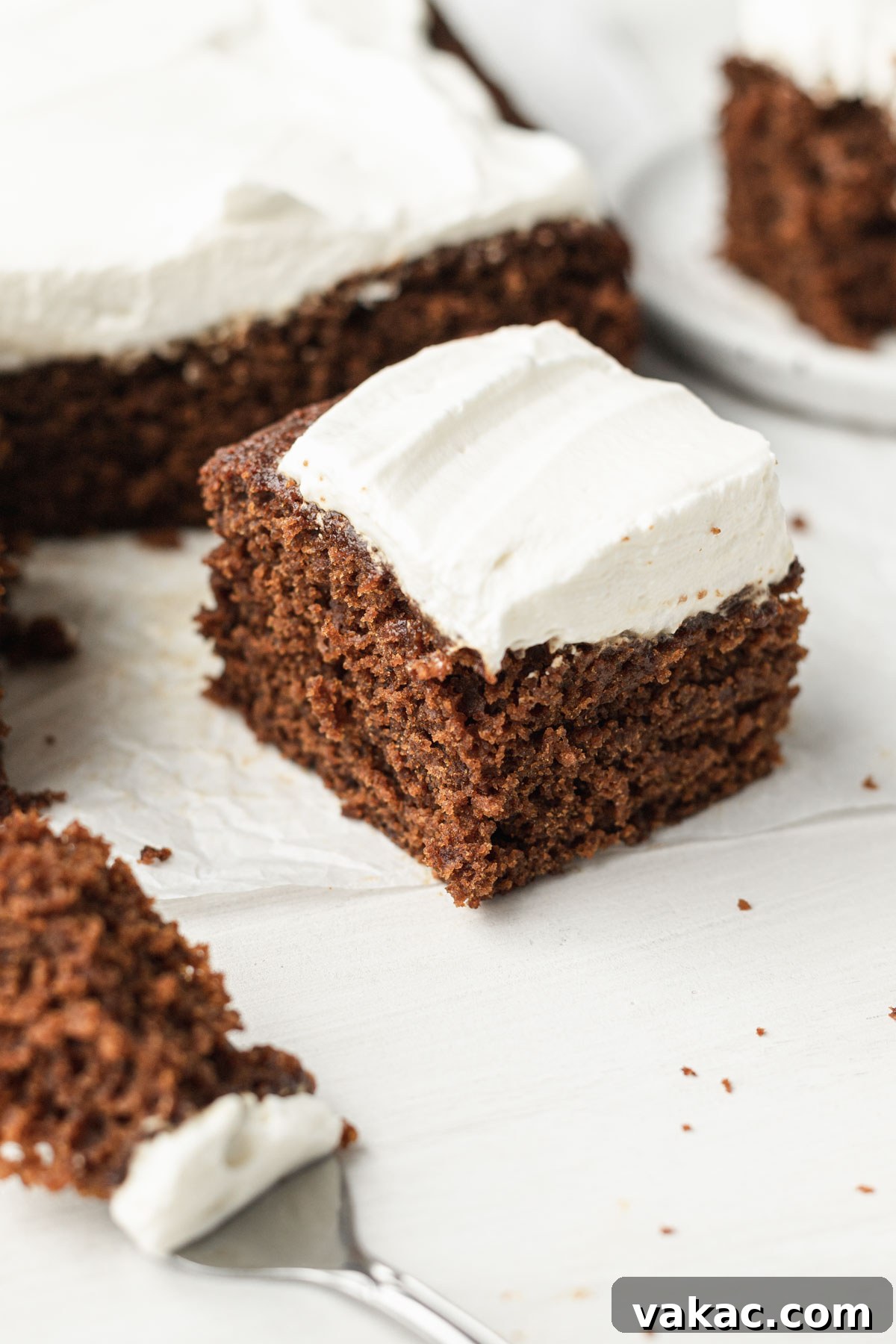
The Ultimate Moist Gingerbread Cake: Your New Holiday Tradition
Tired of the endless chilling and rolling of cookie dough during the busy holiday season? It’s time to embrace a simpler, yet equally enchanting, baking tradition: a classic gingerbread cake. This recipe is a game-changer, offering all the beloved, rich spice flavors of gingerbread cookies without the fuss. Imagine your kitchen filled with the intoxicating aroma of ginger, cinnamon, and cloves – that’s the magic this cake brings, transforming your home into a festive haven.
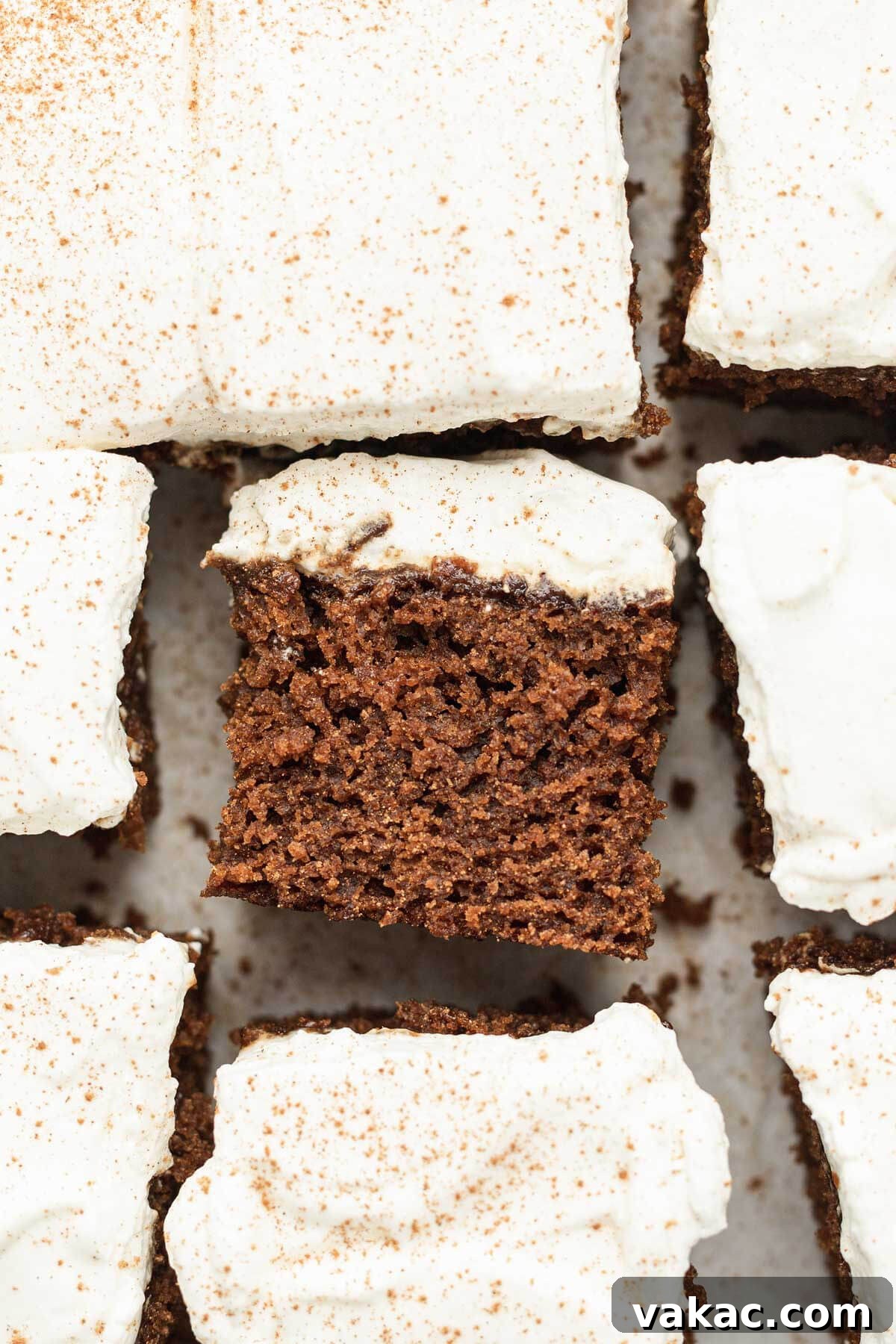
Essentially, this is a beautifully crafted molasses cake, elevated by a harmonious blend of warming spices. Despite its deeply spiced character, the cake maintains an incredibly moist and tender crumb, making it delightful whether served plain, with a light dusting of powdered sugar, or adorned with your favorite festive toppings. It’s the perfect make-ahead dessert, allowing you to focus on other holiday preparations while still offering a show-stopping treat that tastes homemade and heartfelt.
One of the best aspects of this gingerbread cake is its convenience and ability to stay fresh. If you opt to frost it just before serving, the unfrosted cake will stay wonderfully tender and moist on your countertop for several days. This makes it an ideal choice for holiday gatherings, potlucks, or simply enjoying throughout the week as a comforting snack. Crafted from basic pantry ingredients and requiring only a handheld mixer, this easy cake recipe is an essential addition to your holiday baking repertoire, ready to impress with minimal effort and maximum flavor.
Why This Gingerbread Cake Will Become Your Go-To Holiday Recipe
There are countless reasons to fall in love with this gingerbread cake, making it an instant classic for your holiday table and beyond:
- Unmatched Moisture and Tenderness: Thanks to the inclusion of unsulphured molasses and precise liquid ratios, this cake boasts an incredibly moist and tender texture that stays fresh and delicious for several days. Say goodbye to dry, crumbly cakes!
- Rich, Aromatic Spice Profile: A carefully balanced blend of ground cinnamon, fiery ginger, and warm cloves creates that quintessential gingerbread flavor. It’s comforting, deeply festive, and utterly irresistible, enveloping your senses with every bite.
- Effortless Preparation: Forget complicated techniques or specialized equipment. This recipe comes together easily with a handheld mixer and common kitchen tools, making it accessible and enjoyable for bakers of all skill levels, even those new to baking.
- Perfect Make-Ahead Dessert: Prepare the cake in advance, and simply frost it just before serving. This flexibility is a true lifesaver during the busy holiday season, allowing you more time to relax and enjoy precious moments with loved ones.
- Versatile Topping Options: Whether you prefer light and airy homemade whipped cream, a rich and tangy cream cheese frosting, a zesty lemon glaze, or a simple dusting of powdered sugar, this cake serves as a perfect canvas for various delightful and creative toppings.
- Fills Your Home with Holiday Cheer: The baking process itself is an experience. As the delightful scent of gingerbread wafts through your home, it instantly creates a warm, inviting, and truly festive atmosphere, making your space feel like a cozy holiday retreat.
Essential Ingredients for Your Perfect Gingerbread Cake
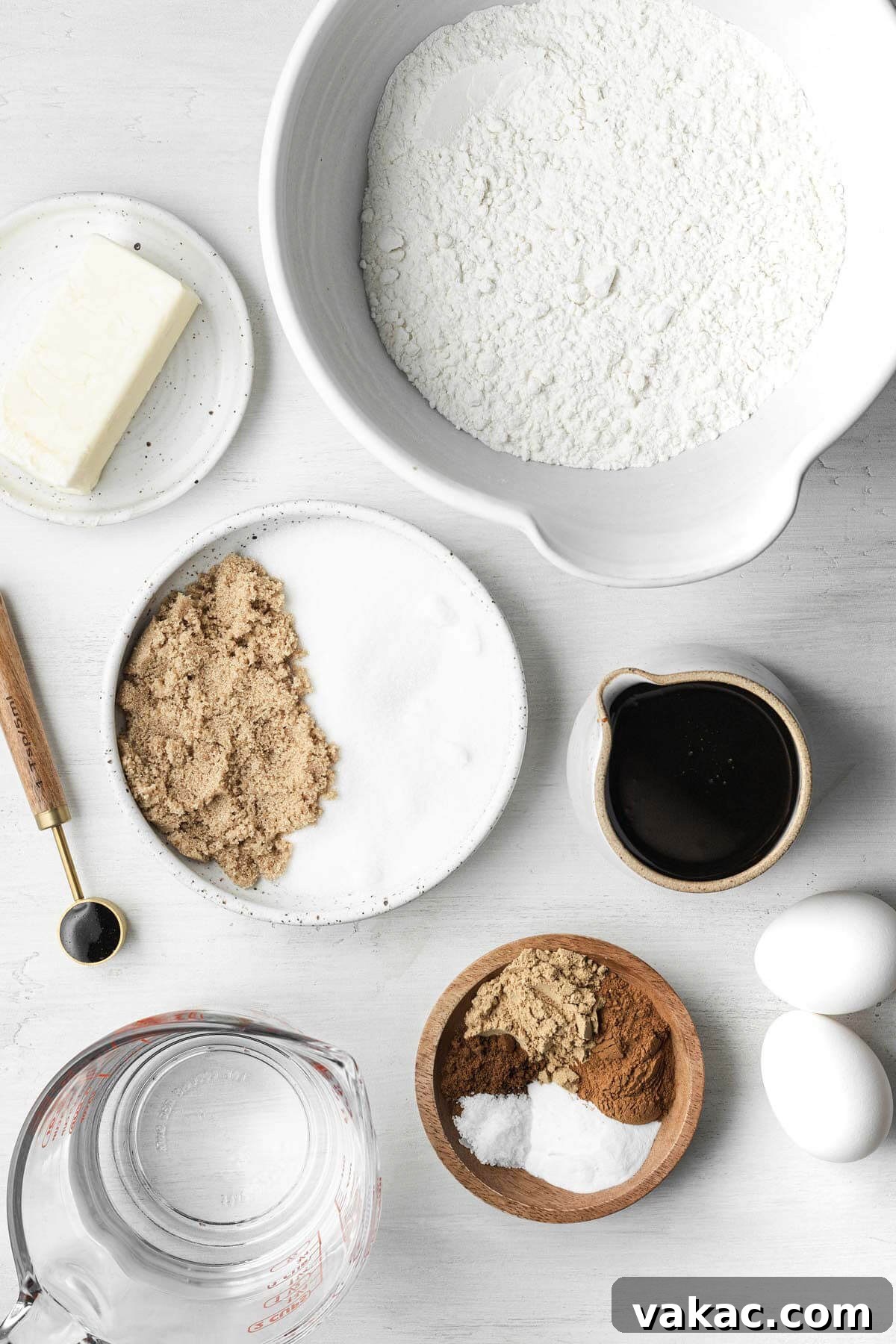
Preparing this cake isn’t just baking; it’s an aromatic journey that will fill your home with the most incredible holiday scents. Here’s a detailed look at the simple yet crucial ingredients you’ll need to create this gingerbread masterpiece, along with tips for each:
- Molasses: This is the very heart of our gingerbread cake, contributing its signature deep, robust flavor, rich, dark hue, and a remarkable tenderizing quality. For the best results and a well-balanced taste, always opt for unsulphured molasses. My personal favorite is Grandma’s Original Molasses, which offers a balanced sweetness without any harshness. It’s vital to avoid blackstrap molasses for this recipe, as its intense bitterness will overpower the delicate balance of warming spices we’re aiming for.
- Hot Water: Essential for dissolving the thick molasses and ensuring it seamlessly incorporates into the batter. Using hot or boiling water helps to activate the molasses, creating a smooth, consistent mixture that is crucial for the cake’s uniform texture and moisture.
- All-Purpose Flour: The fundamental structural component of our cake. Proper measurement is paramount here! Always remember to spoon and level the flour rather than scooping directly from the bag. Scooping can compact the flour, leading to an excess amount that results in a dense, dry, and heavy cake.
- Baking Soda: Our primary leavening agent. When baking soda combines with the acidic molasses and other wet ingredients, it creates carbon dioxide bubbles. These bubbles expand in the oven, giving the cake its beautiful rise, airy structure, and tender crumb. Ensure your baking soda is fresh for optimal leavening power.
- Warming Spices: This aromatic blend is what truly defines gingerbread and evokes the spirit of the holidays!
- Ground Cinnamon: Adds a sweet, earthy, and woody warmth, providing a comforting and familiar base note to the cake.
- Ground Ginger: Contributes its characteristic fiery, pungent, and intensely aromatic kick, which is absolutely essential for genuine gingerbread flavor.
- Ground Cloves: Offers a strong, sweet, and somewhat spicy aroma, rounding out the spice profile with its unique depth and slight peppery finish.
- Salt: A crucial flavor enhancer, salt plays a vital role in balancing the sweetness of the molasses and sugars, and truly intensifies all the complex spice notes, ensuring the cake isn’t just sweet but wonderfully complex and well-rounded.
- Unsalted Butter: Needs to be softened to true room temperature before proceeding with the recipe. Butter provides richness, flavor, and contributes significantly to the cake’s tender texture. Room temperature butter creams beautifully with sugar, creating countless tiny air pockets that lead to a lighter, softer cake. If you forget to set it out, cut it into small pieces and let it sit for about 30 minutes, or gently microwave in short bursts until slightly softened but not melted.
- Sugars: We use a thoughtful combination for the perfect balance of sweetness, moisture, and flavor:
- Granulated Sugar: Provides clean sweetness and helps create a fine, even crumb structure in the cake.
- Light or Dark Brown Sugar (packed): Adds additional moisture, a subtle caramel note, and a deeper, more complex flavor profile that perfectly complements the molasses and spices, enhancing the overall richness.
- Large Eggs: Like butter, eggs should also be at room temperature. Room temperature eggs emulsify better with the fats in the butter, creating a smoother, more homogenous batter and a more uniform, tender cake texture. If you’re short on time, simply place the eggs in a bowl of warm water for 10-15 minutes.
- Pure Vanilla Extract: A splash of pure vanilla extract enhances all the sweet and spicy flavors present in the cake, adding another layer of aromatic complexity and warmth, elevating the overall taste experience.
Step-by-Step Guide: How to Bake Your Gingerbread Cake to Perfection
Crafting this moist and flavorful gingerbread cake is a straightforward process, but paying attention to each step ensures a truly perfect bake every time. Follow these detailed instructions for a delightful result:
- Prepare Your Pan and Preheat Oven: Begin by preheating your oven to 350°F (180°C). This ensures the oven is at the correct, consistent temperature when the cake goes in, promoting an even rise and preventing a dense center. Generously spray a 9-inch square baking dish with nonstick cooking spray, or grease it thoroughly with butter and dust lightly with flour. This critical step prevents sticking and ensures your beautiful cake releases easily from the pan after baking. Set the prepared pan aside.
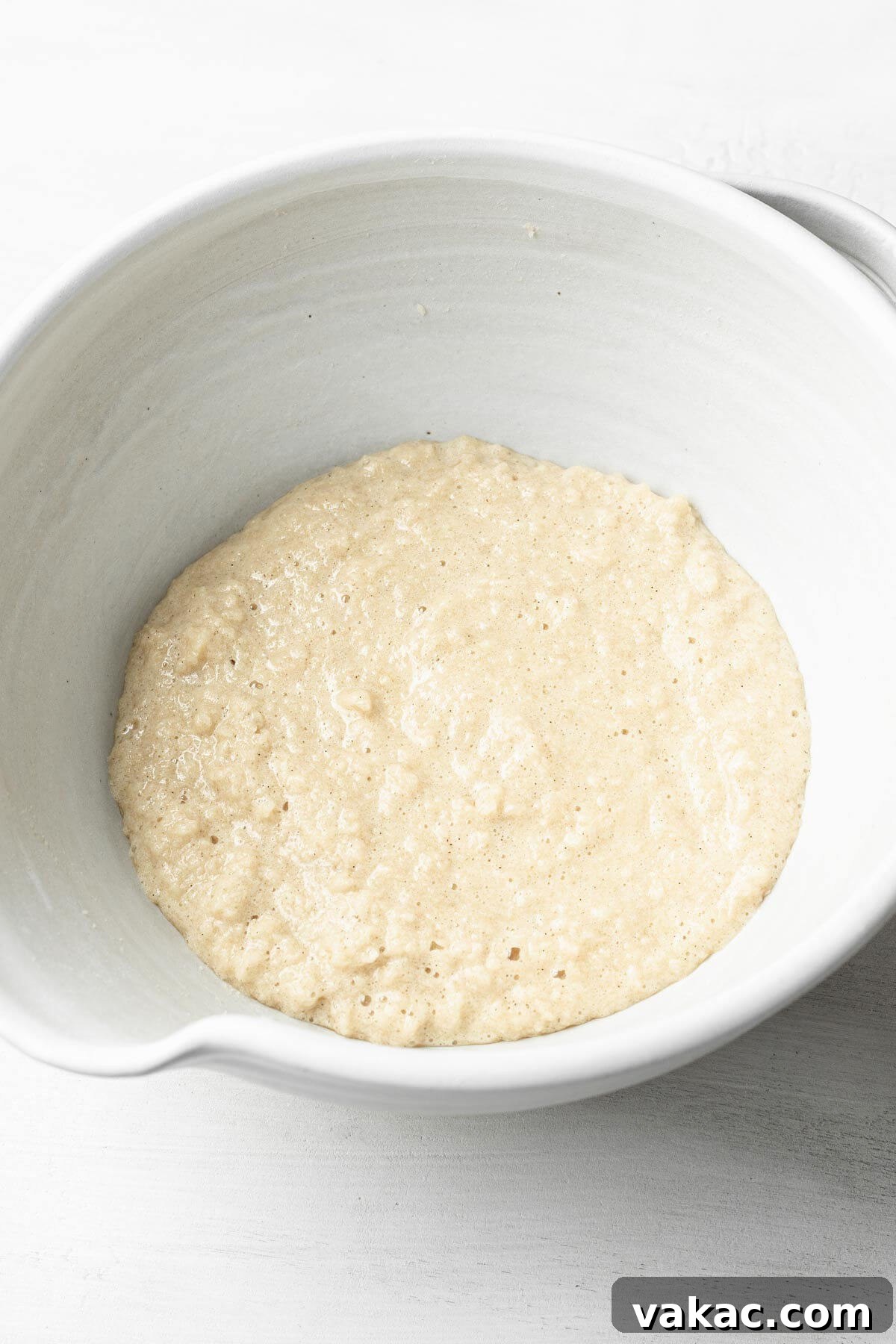
- Combine Molasses and Hot Water: In a large, heat-proof bowl, whisk together the unsulphured molasses and hot or boiling water until they are fully combined and the molasses is completely dissolved. The hot water helps to thin the thick molasses, making it much easier to mix into the batter smoothly and preventing any dense spots in the finished cake. Set this mixture aside to cool slightly while you prepare the other components.
- Whisk Dry Ingredients: In another separate large bowl, whisk together the all-purpose flour, baking soda, ground cinnamon, ground ginger, ground cloves, and salt. Whisking thoroughly ensures that the leavening agents and all the wonderful spices are evenly distributed throughout the flour, which is crucial for a consistent rise, uniform texture, and balanced flavor in your baked cake. Set this mixture aside.
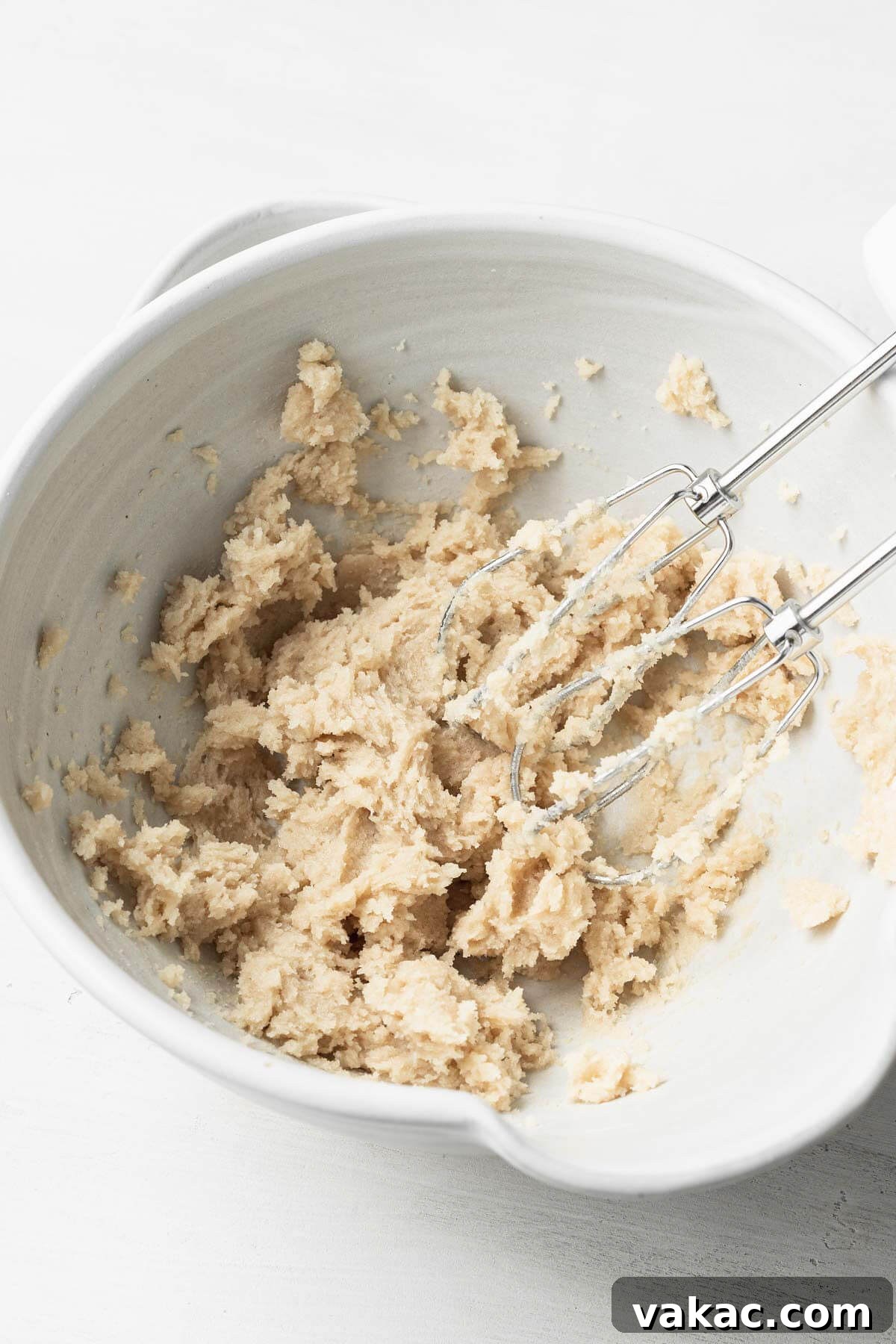
- Cream Butter and Sugars: In the bowl of an electric stand mixer fitted with the paddle attachment, or using a handheld electric mixer, cream together the softened unsalted butter, granulated sugar, and packed brown sugar. Beat on medium speed for 3 to 5 minutes, or until the mixture becomes wonderfully light, fluffy, and pale in color. This essential step incorporates a significant amount of air into the butter and sugar, which is vital for creating a light, tender, and airy cake texture.
- Add Eggs and Vanilla: Stop the mixer and scrape down the sides of the bowl with a spatula to ensure everything is well combined and no butter or sugar is clinging to the edges. Add the room temperature eggs one at a time, mixing well after each addition until just incorporated. Finally, mix in the pure vanilla extract. Continue mixing until everything is fully incorporated, being careful not to overbeat the mixture at this stage.
- Combine Wet and Dry Ingredients Alternately: This step is critical for developing the proper cake texture. Gradually add the dry ingredients to the wet ingredients in three separate additions, alternating with the molasses mixture. Always begin and end with the dry ingredients. Mix each addition only until just combined – it’s paramount to avoid overmixing the batter, as this can develop the gluten in the flour too much, resulting in a tough, dense, and less tender cake. A few small lumps in the batter are perfectly acceptable and often preferable to an overmixed, super-smooth batter.
- Bake Your Cake: Gently pour the smooth, aromatic batter into your prepared 9-inch square pan, spreading it evenly with a spatula to ensure an even bake. Transfer the pan to the preheated oven and bake for 30 to 40 minutes. The cake is done when a toothpick inserted into the center comes out clean or with just a few moist crumbs attached, but no wet batter. Avoid opening the oven door too frequently during baking, especially in the first 20 minutes, as rapid temperature changes can cause the cake to sink.
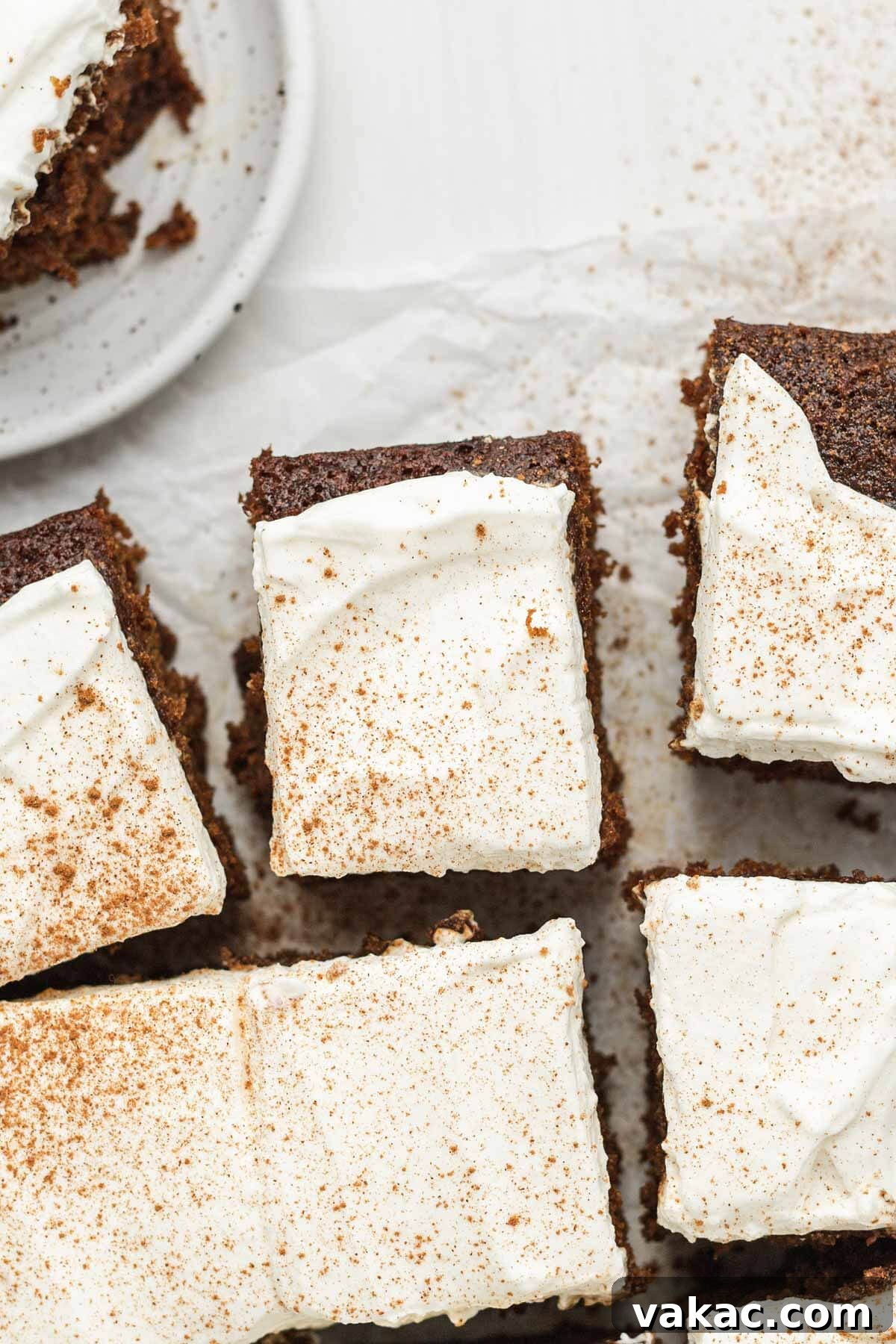
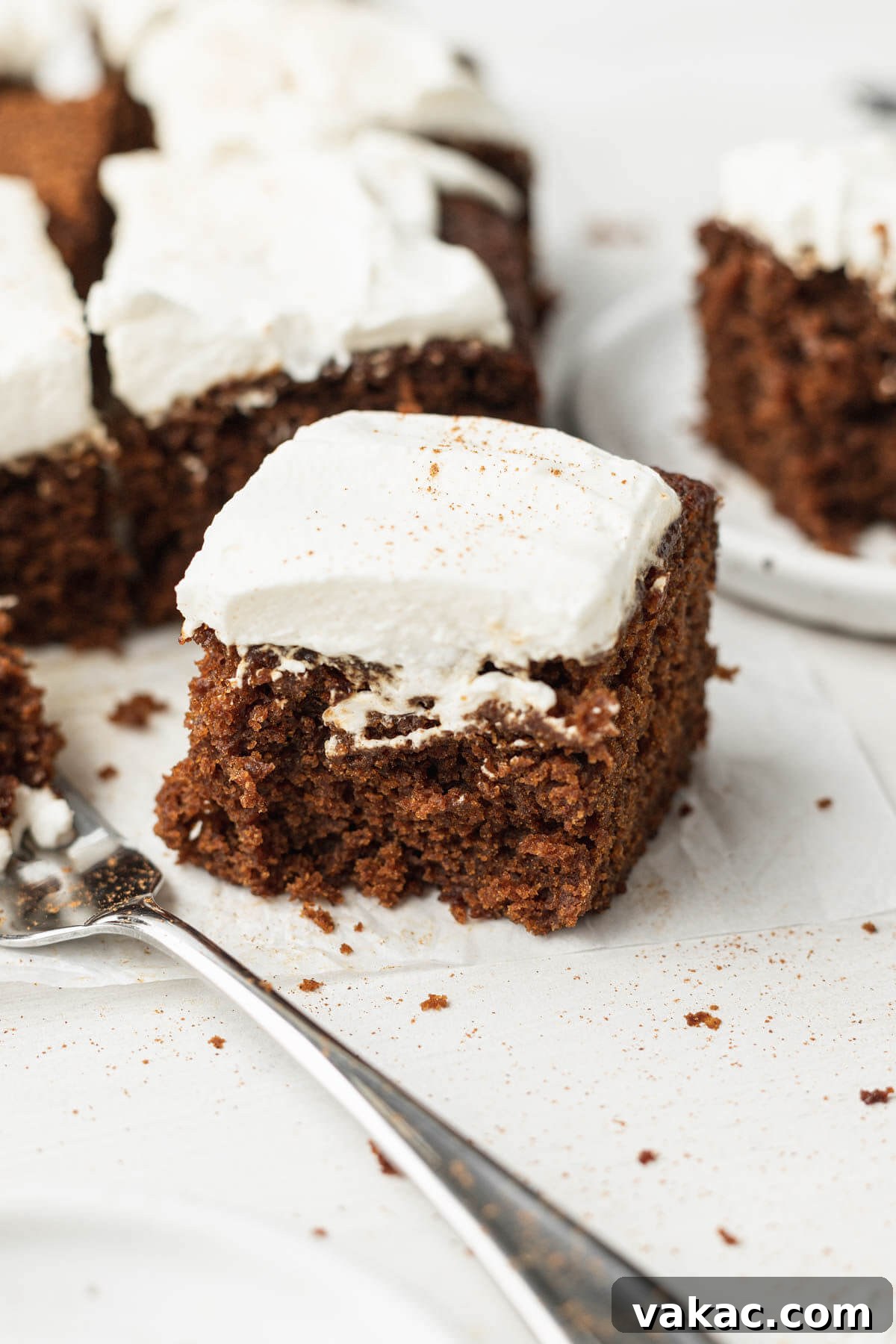
- Cool and Serve: Once baked, carefully remove the cake from the oven and allow it to cool completely on a wire rack. This step is absolutely crucial! Attempting to frost or top a warm cake will cause your toppings, especially delicate whipped cream, to melt into a messy puddle, and frosting will simply slide right off. Once fully cooled, slice into generous pieces. For simple elegance, dust with a little powdered sugar or a sprinkle of cinnamon. I love topping this cake with my homemade whipped cream, but a rich cream cheese frosting, a dollop of mascarpone, or a drizzle of warm caramel sauce would also be absolutely delicious! Enjoy your homemade masterpiece!
Frequently Asked Questions About Gingerbread Cake
Can This Recipe Be Doubled?
Absolutely! This recipe is incredibly forgiving and adapts beautifully when doubled to feed a larger crowd. If you choose to double the ingredients, I highly recommend baking the cake in a 9×13-inch pan (a standard rectangular baking dish). The baking time will naturally be longer than for a single batch, typically ranging from 50 to 60 minutes. Always use the toothpick test to ensure it’s fully baked through and perfectly moist in the center.
Can Blackstrap Molasses Be Used?
While molasses is a key ingredient, it’s crucial to use the right type for optimal flavor. No, blackstrap molasses is not suitable for this recipe. Blackstrap molasses has a very strong, intensely bitter, and much less sweet flavor profile compared to regular unsulphured molasses. Its robust taste would be far too intense and would likely overpower the balanced, delicate warming spices in this cake, leading to an undesirable flavor. For the best taste and texture, always stick to a regular unsulphured molasses, such as Grandma’s Original, which provides the perfect balance.
Can I make this gingerbread cake into cupcakes?
Yes, you certainly can! This versatile recipe adapts beautifully to cupcakes, making them perfect for individual servings at parties or bake sales. To convert, line a standard 12-cup muffin tin with paper liners. Fill each liner about two-thirds full with the gingerbread batter. The baking time will be significantly shorter than for a full cake, usually ranging from 18-25 minutes, or until a toothpick inserted into the center of a cupcake comes out clean. Keep a close eye on them to prevent overbaking, as ovens can vary.
What kind of pan can I use?
This recipe specifically calls for a 9-inch square pan, which yields a lovely, evenly thick cake. However, you have some flexibility. You could also successfully use an 8×8-inch square pan for an even thicker cake, though you might need to increase the baking time by an additional 5-10 minutes. A 9-inch round cake pan would also work well, but the baking time might be slightly adjusted. Regardless of your chosen pan, always remember to generously grease and flour it well to ensure your delicious gingerbread cake releases effortlessly.
Storage and Freezing Instructions for Your Gingerbread Cake
Proper storage is key to ensuring your homemade gingerbread cake remains fresh, moist, and delicious for as long as possible. Here’s how to best preserve your festive treat:
- Storing Unfrosted Cake: If you plan to serve the cake over several days or want to prepare it in advance, it’s best to store it unfrosted. The unfrosted cake is remarkably resilient and can be kept at room temperature for up to five days. To maintain its superior moisture and prevent it from drying out, simply cover the baking pan tightly with aluminum foil or transfer the entire cake (or individual slices) to an airtight container.
- Storing Frosted Cake (with Whipped Cream or Cream Cheese Frosting): Once you’ve adorned the cake with delicate whipped cream, cream cheese frosting, or any other dairy-based topping, refrigeration becomes essential due to the perishable nature of these ingredients. Store the frosted cake in an airtight container in the fridge to protect it. Be mindful that cakes tend to dry out slightly in the refrigerator, so an airtight seal is crucial for preserving its tender texture. Enjoy any frosted cake within 2-3 days for optimal freshness.
- Freezing Instructions for Unfrosted Cake: The unfrosted gingerbread cake freezes beautifully, making it an excellent option for long-term meal prep, future holiday enjoyment, or last-minute entertaining. Allow the cake to cool completely to room temperature. Then, wrap it tightly in several layers of plastic wrap, followed by a robust layer of aluminum foil. This double-layer protection is vital to prevent freezer burn and preserve its flavor and texture. The cake can be frozen for up to three months. When you’re ready to serve, thaw the cake in the refrigerator overnight or at room temperature for a few hours. I highly recommend waiting to add any whipped cream or frosting until the cake has fully thawed and you’re just about ready to serve it, to ensure the freshest taste and best presentation.
Expert Baking Tips for the Best Gingerbread Cake Every Time
- Adjust Spices to Your Liking: I believe this cake is perfectly spiced as written, offering a wonderfully balanced and warm flavor profile that appeals to most palates. However, baking is also about personal preference! If you prefer a bolder, more intense gingerbread flavor, you are welcome to slightly increase the amounts of ginger and cloves. For a milder cake, simply reduce them a touch. A small pinch of ground nutmeg or allspice can also be a delightful addition, adding another subtle layer of complexity to the overall spice blend.
- Avoid Overmixing: This is a golden rule in almost all baking, and especially critical for cakes. Once you start incorporating the dry ingredients into the wet mixture, mix only until just combined. Overmixing vigorously develops the gluten in the flour too much, which will inevitably lead to a tough, dense, and less tender cake texture. A few small lumps in the batter are perfectly acceptable and often preferable to an overmixed, completely smooth batter.
- Ensure Ingredients Are at Room Temperature: Softened butter and room temperature eggs are not just casual suggestions; they are absolutely crucial for the consistent success of this cake. Room temperature ingredients emulsify much better with each other, creating a smoother, more homogenous batter and ultimately yielding a finer, more tender crumb in the finished cake. Plan ahead by setting them out at least an hour before baking.
- Cool Completely Before Frosting: Patience is key when it comes to frosting! You absolutely must let the cake cool completely on a wire rack before attempting to top it with whipped cream, cream cheese frosting, or any other temperature-sensitive topping. If the cake is even slightly warm, your beautiful whipped cream will quickly melt into a messy puddle, and frosting will simply slide right off the sides, ruining your presentation.
- Don’t Overbake: Overbaking is, without a doubt, the quickest way to end up with a dry, crumbly cake. Begin checking for doneness at the lower end of the suggested baking time (around 30 minutes for this recipe). A toothpick inserted into the very center of the cake should come out clean or with just a few moist crumbs attached, but never with wet batter. If it comes out clean, take it out of the oven immediately!
Delicious Variations and Serving Suggestions
This classic gingerbread cake is wonderfully versatile, making it easy to customize and serve in a variety of delightful ways. Get creative and make it your own!
- Add Citrus Zest: For a bright, refreshing counterpoint to the rich, warming spices, try adding 1-2 teaspoons of finely grated orange or lemon zest to the batter. The citrus notes beautifully uplift the traditional gingerbread flavor.
- Incorporate Nuts or Dried Fruit: For added texture and a burst of flavor, fold in about ½ cup of chopped pecans, walnuts, or finely diced candied ginger into the batter. Dried cranberries, golden raisins, or chopped dates can also be a delightful and festive addition.
- Decadent Sauces: Instead of just frosting, consider serving individual slices with a warm, luscious caramel sauce, a tangy lemon glaze, or even a sophisticated bourbon sauce for an adult-friendly twist. A simple vanilla bean crème anglaise would also be heavenly.
- Perfect with Ice Cream: A warm slice of gingerbread cake paired with a scoop of creamy vanilla bean ice cream or a spiced rum ice cream is an absolute dream. The delightful contrast of warm cake and cold, melting ice cream creates an unforgettable dessert experience.
- Elevate Your Whipped Cream: Enhance your homemade whipped cream by adding a pinch of extra cinnamon or ginger, a touch of maple syrup, or even a hint of orange blossom water for an extra layer of flavor that perfectly complements the cake.
More Easy Holiday Desserts You’ll Love!
If you’re in the mood for more festive baking, here are some other easy and delicious holiday dessert recipes that are sure to impress:
- Irresistibly Soft Molasses Cookies
- Classic Cut Out Sugar Cookies for Christmas
- Aromatic Warm Spice Cake
- Chewy Snickerdoodle Bars
- Decadent Homemade Rum Cake
Gingerbread Cake Recipe
Rating: 5 out of 5 stars (Based on 10 ratings)
This wonderfully moist gingerbread cake captures all the classic, comforting flavors of holiday cookies through its perfect blend of cinnamon, ginger, and cloves. It’s a delightful treat on its own, but truly shines when topped with homemade whipped cream, a rich cream cheese frosting, or a simple dusting of powdered sugar.
Preparation Details:
- Prep Time: 15 minutes
- Cook Time: 30 minutes
- Total Time: 45 minutes
- Yields: 12 slices
Ingredients:
- 1 cup unsulphured molasses (320 grams)
- 1 cup hot or boiling water (240 ml)
- 2 ½ cups all-purpose flour, spooned & leveled (315 grams) – learn how to measure flour properly
- 1 ½ teaspoons baking soda
- 2 teaspoons ground cinnamon
- 2 teaspoons ground ginger
- ½ teaspoon ground cloves
- ½ teaspoon salt
- ½ cup unsalted butter, softened (115 grams)
- ½ cup granulated sugar (100 grams)
- ¼ cup packed light or dark brown sugar (50 grams)
- 2 large eggs, at room temperature
- 1 teaspoon pure vanilla extract
- Homemade whipped cream (optional, for topping)
Instructions:
- Preheat your oven to 350°F (180°C). Generously spray a 9-inch square baking pan with nonstick cooking spray, or grease it with butter and dust with flour. Set aside.
- In a large bowl, whisk together the molasses and hot water until thoroughly combined. Set this mixture aside.
- In a separate large bowl, whisk together the all-purpose flour, baking soda, ground cinnamon, ground ginger, ground cloves, and salt until well blended. Set aside.
- In the bowl of an electric stand mixer fitted with the paddle attachment (or using a handheld mixer), cream the softened butter, granulated sugar, and brown sugar together on medium speed for 3 to 5 minutes, until the mixture is light and fluffy.
- Mix in the room temperature eggs, one at a time, followed by the pure vanilla extract. Continue mixing until everything is well combined, scraping down the sides of the bowl as needed.
- Gradually add the dry ingredients to the wet ingredients in three additions, alternating with the molasses mixture. Begin and end with the dry ingredients. Mix each addition only until just combined; be careful not to overmix the batter, as this can lead to a dense cake.
- Pour the finished batter evenly into the prepared greased pan and bake for 30 to 40 minutes, or until a wooden toothpick inserted into the center comes out clean.
- Allow the cake to cool completely on a wire rack before slicing. Once cooled, you can dust it with powdered sugar, or top it with a generous amount of homemade whipped cream or cream cheese frosting. Serve and enjoy!
Recipe Notes:
- Storage: Unfrosted cake can be kept at room temperature for up to five days in an airtight container. Once topped with whipped cream or cream cheese frosting, store the cake in the refrigerator for 2-3 days.
- Freezing: The unfrosted cake can be wrapped tightly and frozen for up to three months. Thaw in the refrigerator or at room temperature, and add toppings just before serving.
- Frosting & Serving: This cake is delicious with a simple dusting of powdered sugar, homemade whipped cream, or a rich cream cheese frosting.
- Cuisine: American
- Course: Dessert
- Author: Danielle Rye
If you made this delicious gingerbread cake, we’d love to see it! Mention @livewellbakeoften on Instagram or tag your photos with #livewellbakeoften.