
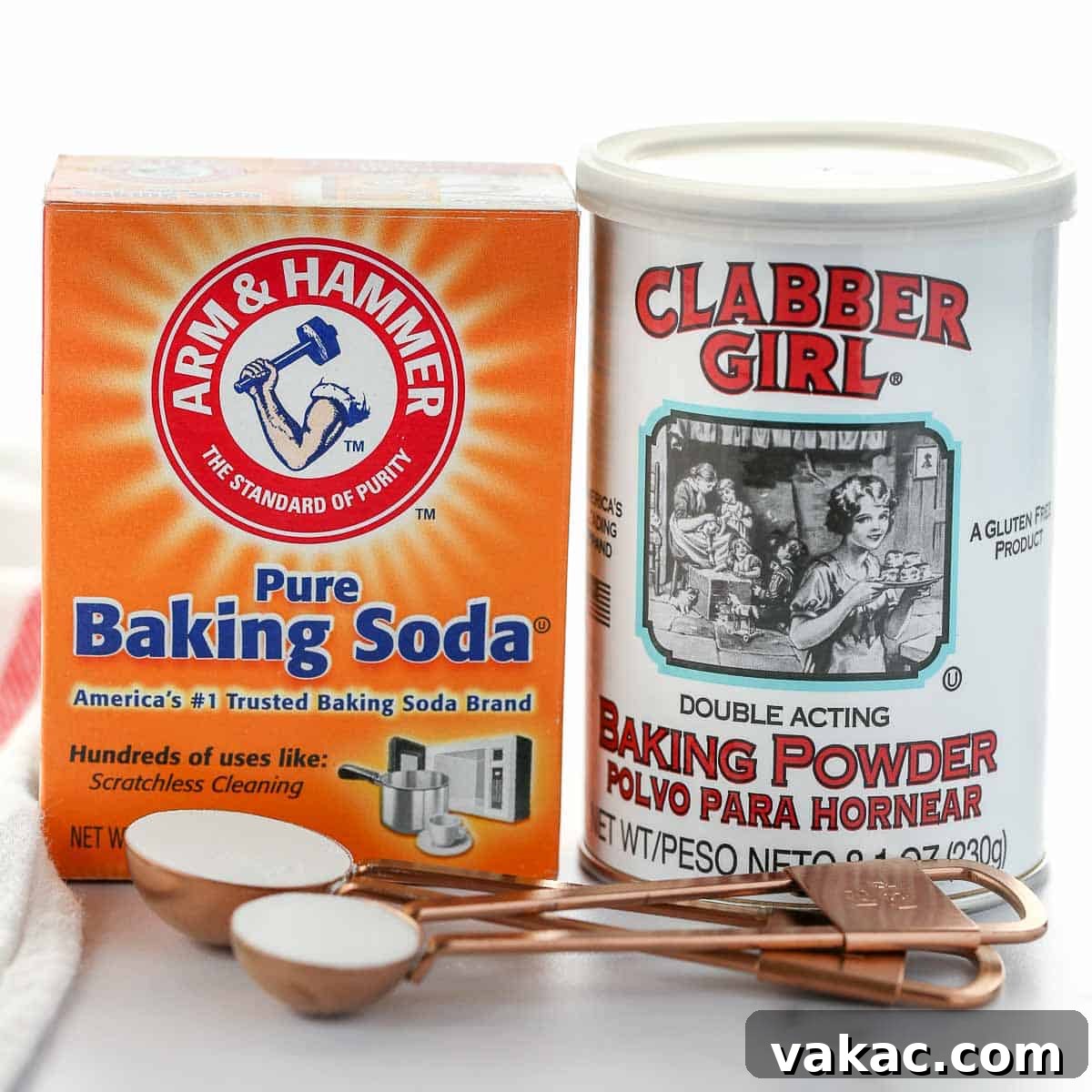
Welcome to the definitive guide on two of the most fundamental yet frequently misunderstood ingredients in any baker’s pantry: baking soda and baking powder. While their names suggest a close relationship, these powerful leavening agents operate under distinct principles, each playing a crucial role in creating perfectly risen, beautifully textured baked goods. Understanding their differences is not just a matter of culinary trivia; it’s the key to unlocking consistent baking success, transforming flat, dense results into light, airy masterpieces.
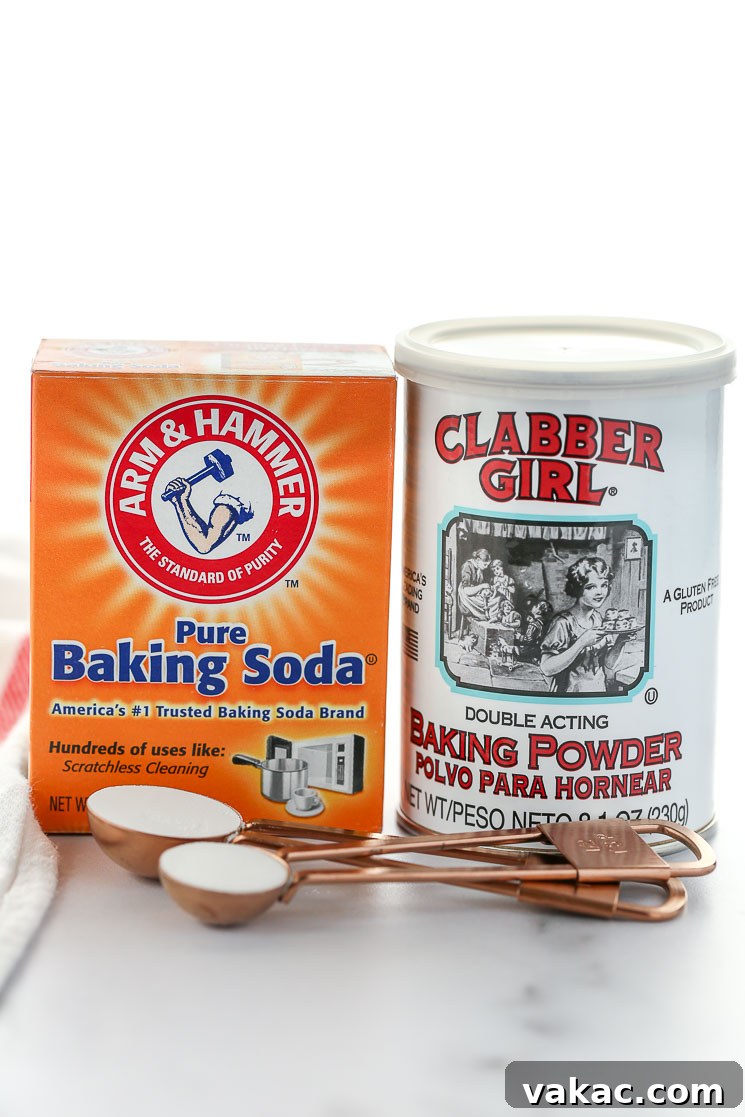
Have you ever found yourself staring at a recipe, pondering the exact nature of these two white powders? Or perhaps you’ve inadvertently swapped them, only to be met with a disappointing outcome? You’re not alone. The subtle nuances between baking soda and baking powder are a common source of confusion for bakers of all skill levels. From their chemical composition to their ideal applications, a deep dive into these leavening agents reveals fascinating insights into the science of baking. This comprehensive guide aims to clarify everything you need to know, empowering you to confidently choose the right ingredient, understand its function, test its freshness, and even master ingenious substitutions when your pantry is running low.
If the science behind why cakes rise, cookies spread, and muffins achieve their perfect dome captivates your imagination, then this article is tailored for you. We’ll explore the chemical reactions that transform simple batters into delightful treats, ensuring your baking adventures are always a rising success.
Demystifying Leavening Agents: Why They Matter in Your Kitchen
Before we delve into the specifics of baking soda and baking powder, it’s essential to grasp the concept of “leavening.” In baking, leavening refers to the process by which gas is incorporated into a dough or batter, causing it to expand and become light and airy. Without effective leavening, baked goods would be dense, heavy, and unappetizing. Chemical leavening agents, like baking soda and baking powder, achieve this by producing carbon dioxide gas through specific chemical reactions. This gas creates tiny bubbles within the batter, which expand during baking, resulting in that coveted fluffy texture and impressive rise. Understanding how these agents work is paramount to predicting and controlling the outcome of your recipes, ensuring consistent and delicious results every time.
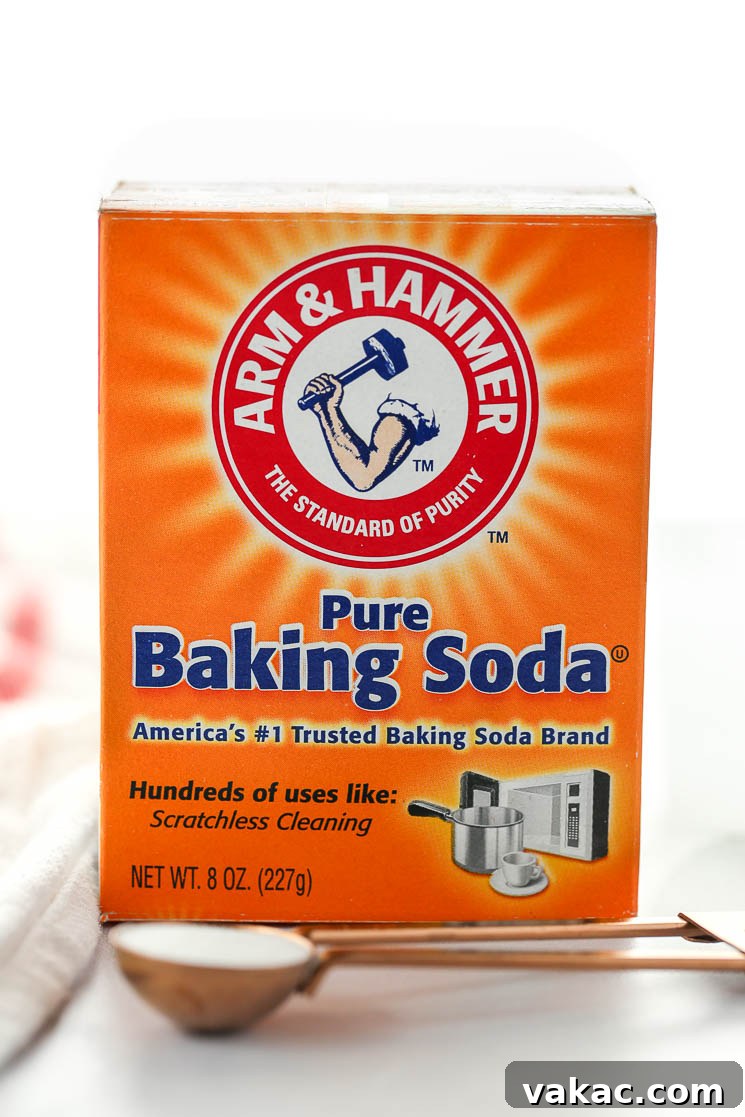
What Exactly Is Baking Soda? (Sodium Bicarbonate Unveiled)
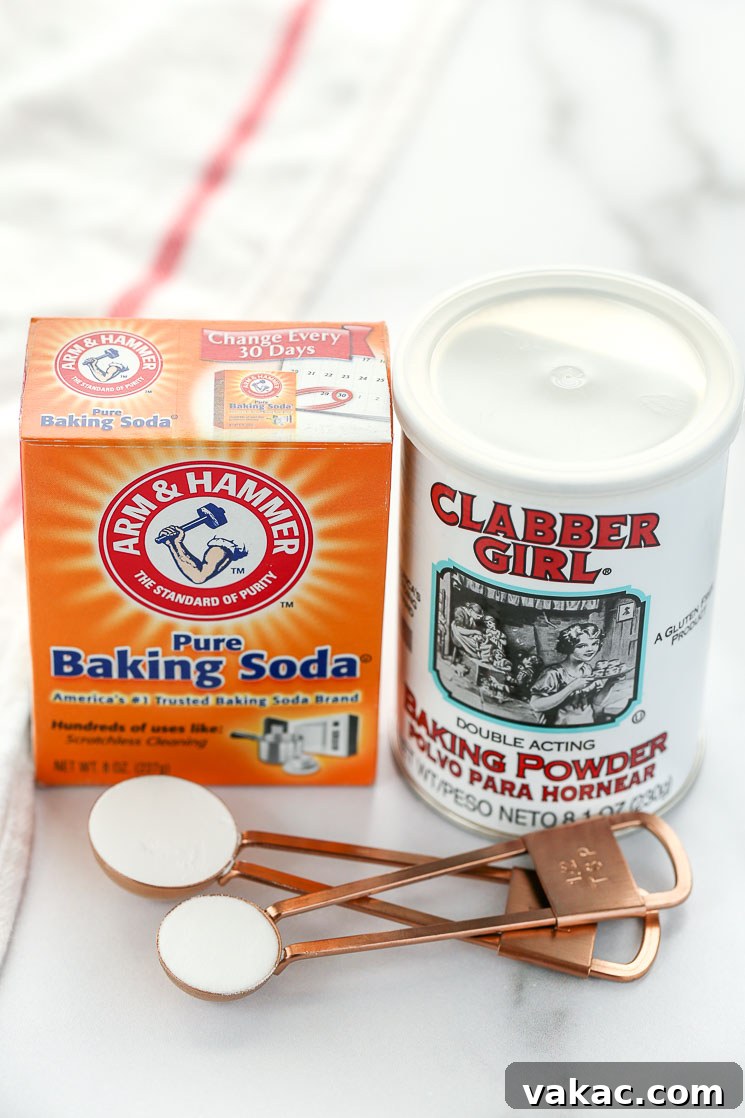
At its core, baking soda is pure sodium bicarbonate (NaHCO₃), also known as bicarbonate of soda. This simple, single-ingredient compound is a powerful alkaline (base) substance. Its magic in baking unfolds when it encounters an acidic ingredient. This acid-base reaction is what produces carbon dioxide gas, the critical element for leavening baked goods.
The Science Behind the Lift
When baking soda is introduced to an acid and a liquid, a rapid chemical reaction occurs. The sodium bicarbonate reacts with the acid to form carbonic acid, which then quickly decomposes into water and carbon dioxide gas. These tiny carbon dioxide bubbles get trapped within the batter or dough, causing it to expand and rise as it bakes. This reaction begins immediately upon mixing the wet and dry ingredients, which is why recipes relying heavily on baking soda often instruct you to get your mixture into the oven as quickly as possible.
Common Acidic Partners
For baking soda to effectively do its job, your recipe must contain an acidic ingredient. Luckily, many common baking staples fit the bill. Familiar acidic components include lemon juice, vinegar (like white or apple cider vinegar), buttermilk, sour cream, yogurt, molasses, brown sugar, natural cocoa powder (not Dutch-processed), and even fruit purees like applesauce. The presence of these acids dictates not only the rise but also the flavor and texture of the final product.
Beyond the Rise: Flavor, Texture, and Color
While leavening is baking soda’s primary role, its influence extends further. It can help tenderize gluten in baked goods, contributing to a softer, more delicate crumb. It also plays a significant role in browning, particularly in recipes like pancakes and certain cookies, giving them a desirable golden-brown hue and crispier edges. However, moderation is key. Using too much baking soda, or not having enough acidic ingredients to neutralize it, can result in a soapy or metallic taste in your finished product. It can also cause excessive browning and a crumbly texture. A well-balanced recipe, however, harnesses baking soda to achieve both a beautiful rise and a delightful flavor profile.
How Much to Use for Optimal Results
The precise amount of baking soda required will always depend on the specific recipe and the quantity of acidic ingredients present. As a general guideline, a common ratio is to use about 1/4 teaspoon of baking soda per cup of flour when there are sufficient acidic ingredients to activate it. This ratio ensures adequate leavening without overwhelming the flavor or texture. Always follow your recipe’s instructions closely, as the balance of ingredients is carefully calibrated for the desired outcome.
The Quick Freshness Test for Baking Soda
Even though baking soda has a long shelf life, it can lose its potency over time, especially if exposed to moisture or air. An inactive leavening agent can lead to flat, dense baked goods. To quickly test if your baking soda is still fresh and ready for action, simply combine 1/4 teaspoon of baking soda with 1 tablespoon of fresh lemon juice or vinegar. If the mixture bubbles vigorously and immediately, your baking soda is still good to use. If you see only a weak fizz or no reaction at all, it’s time to replace it.
Storing Baking Soda for Longevity
To ensure your baking soda remains potent, proper storage is essential. Keep it in an airtight container in a cool, dry place, away from direct sunlight and humidity. While an open box in the refrigerator is commonly used to absorb odors, for baking purposes, it’s best to keep a separate, tightly sealed container specifically for cooking and baking to prevent moisture absorption and maintain its leavening power.
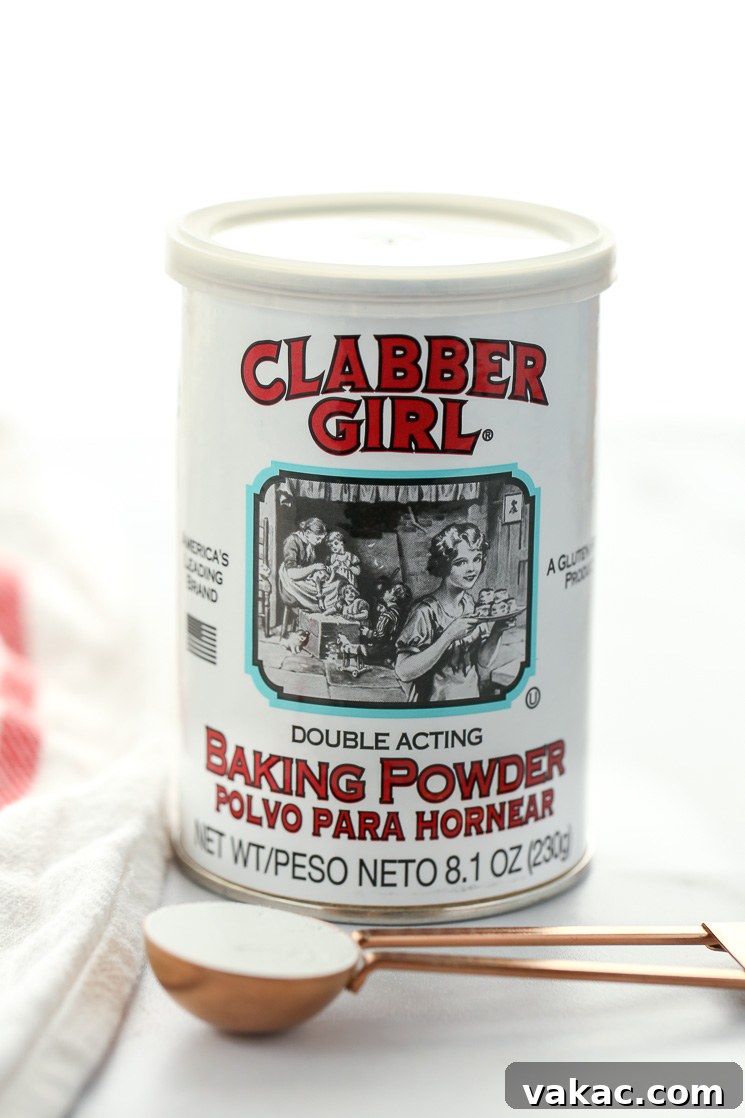
Understanding Baking Powder: The All-in-One Leavener
Is baking powder simply baking soda by another name? Not quite. In fact, baking powder is ingeniously formulated with baking soda as one of its core components! This might sound confusing, but it’s where the magic of convenience comes in.
Its Unique Composition Explained
Baking powder is a carefully balanced mixture of three primary ingredients: baking soda (an alkali), one or more dry acids (typically cream of tartar, sodium aluminum sulfate, or monocalcium phosphate), and a starch (such as cornstarch). The starch acts as a buffer, absorbing moisture and preventing the acidic and alkaline components from reacting prematurely during storage. This brilliant combination means that, unlike baking soda, baking powder doesn’t require an additional acidic ingredient in your recipe to initiate the leavening process. It’s a self-contained leavening system, only needing liquid to start its work.
Single-Acting vs. Double-Acting: What’s the Difference for Bakers?
The world of baking powder offers two main types, differentiated by when their leavening action occurs:
- Single-Acting Baking Powder: This type reacts fully as soon as it comes into contact with liquid. This means you need to work quickly once the liquid is added to your batter, getting it into the oven before the carbon dioxide gas escapes. While still available, it’s less commonly used in home baking recipes today due to its limited reaction window.
- Double-Acting Baking Powder: This is by far the most prevalent type found in supermarkets and used in modern recipes. As its name suggests, it works in two stages. The first reaction occurs when it’s mixed with liquid at room temperature, releasing an initial burst of carbon dioxide. The second, more significant reaction takes place when the batter is exposed to heat in the oven. This two-stage action provides a more sustained and reliable lift, giving bakers more flexibility and a crucial “safety net” if there are slight delays between mixing and baking. This sustained lift results in a more consistent and higher rise.
Recipes Where Baking Powder Shines
Baking powder is the go-to leavener for recipes that do not contain significant acidic ingredients. Think fluffy pancakes, light muffins, quick breads like scones, and many types of cakes that rely on milk, water, or eggs for moisture but lack a strong acid. Its ability to provide consistent lift without needing an acidic counterpart makes it incredibly versatile and a staple for a wide range of neutral-flavored baked goods.
Recommended Usage: Finding the Right Balance
Because baking powder is a mixture that includes starch and acid, it is not as concentrated as pure baking soda. In fact, baking soda is typically three to four times more powerful than baking powder. A good rule of thumb for double-acting baking powder is to use approximately 1 teaspoon of baking powder per cup of flour. This ratio usually provides ample lift for most recipes. As always, consulting your specific recipe is the best approach, as professional bakers often fine-tune ratios for optimal results.
The Simple Freshness Test for Baking Powder
Like baking soda, baking powder can lose its efficacy over time, especially due to moisture exposure. To check if your baking powder is still active, place 1/4 teaspoon of baking powder into 1/2 cup of hot water. If the mixture bubbles vigorously, your baking powder is still good. The hot water helps to activate both stages of a double-acting powder, ensuring a thorough test. If there’s only a weak fizz or no reaction, it’s time for a fresh can.
Best Practices for Storing Baking Powder
To preserve its potency, baking powder should be stored in its original airtight container in a cool, dry place. Exposure to humidity and air can prematurely trigger its chemical reactions, diminishing its leavening power. Avoid storing it in the refrigerator, as condensation can introduce moisture and reduce its effectiveness. Properly stored, a can of baking powder typically remains active for 6 to 12 months.
Why Some Recipes Call for Both: The Art of Balanced Leavening
It might seem counterintuitive to use both baking soda and baking powder in the same recipe, but this combination is a testament to the sophisticated chemistry of baking. When a recipe includes both leavening agents, it’s typically for a very specific and strategic reason, aiming to achieve a perfect balance of rise, flavor, and texture.
Achieving Perfect Rise and Texture
Often, recipes that use both contain a moderate amount of acidic ingredients – enough to activate some baking soda, but perhaps not enough to produce all the carbon dioxide needed for the desired lift. In such cases, the baking soda reacts with the available acid, contributing to the initial rise and often enhancing browning and flavor. The baking powder then steps in as a supplementary leavener, providing the additional “lift” that the baking soda alone couldn’t achieve. This ensures a consistent, airy crumb and an impressive rise without over-relying on either agent.
Flavor and Browning Considerations
Beyond just the rise, the interplay between baking soda and acidic ingredients can significantly impact flavor. Baking soda helps to neutralize acids, which can mellow out strong flavors like those from molasses or cocoa. By using both leaveners, a baker can manage the acidity of the batter. The baking soda neutralizes some of the acid, preventing an overly tart taste and contributing to a softer texture, while the baking powder ensures a reliable, neutral lift, especially in recipes where a neutral flavor is desired, such as certain chocolate cakes or rich spice breads. This thoughtful combination allows for precise control over the final product’s acidity, flavor, and texture.
Navigating Substitutions: When You’re in a Pinch
Running out of a key ingredient can be frustrating, but with a little baking science knowledge, you can often improvise. However, it’s crucial to understand that substitutions are rarely perfect and may alter the final product’s texture or flavor. Always prioritize using the called-for ingredient if possible.
How to Make Homemade Baking Powder (and When to Use It)
If you’re out of commercial baking powder, you can make a single-acting version at home using baking soda and cream of tartar. The standard ratio is 2 parts cream of tartar to 1 part baking soda. For example, if a recipe calls for 1 teaspoon of baking powder, you can combine 1/2 teaspoon of cream of tartar with 1/4 teaspoon of baking soda. It’s important to add a small amount of cornstarch (about 1/4 teaspoon for every teaspoon of homemade powder) if you plan to store it briefly, though for immediate use, it’s not strictly necessary. This homemade version is single-acting, so you must add it to your dry ingredients and bake the batter immediately after adding liquids to prevent the gas from escaping.
Can You Substitute Baking Powder for Baking Soda? (Important Considerations)
Given that baking soda is 3 to 4 times more potent than baking powder, and baking powder already contains acid, directly substituting baking powder for baking soda is not ideal and requires careful adjustment. If your recipe calls for baking soda, it means it also contains an acid that baking soda needs to react with. If you substitute with baking powder, you’re not only adding a weaker leavener but also introducing an additional acid. A general rule for substitution is to use 3 to 4 times the amount of baking powder for the specified baking soda. For instance, if a recipe calls for 1/4 teaspoon of baking soda, you would need 3/4 to 1 teaspoon of baking powder. Be aware that this substitution will likely change the flavor profile (making it slightly more acidic) and might affect the texture and browning, as the original acid won’t be neutralized as effectively. It’s generally best to stick with baking soda when the recipe explicitly calls for it.
Is There a Good Substitute for Baking Powder?
Aside from making your own as described above, a straightforward substitute for commercial double-acting baking powder is challenging because it’s a complete leavening system. If your recipe doesn’t contain enough acid for baking soda, adding just baking soda won’t work. The homemade baking powder (cream of tartar + baking soda) is your best bet, but remember its single-acting nature. In some cases, for very small amounts, self-rising flour (which already contains baking powder and salt) could be a last resort, but you’d need to adjust other flour and salt quantities in the recipe, which can be complex.
Essential Tips for Leavening Agent Success
Mastering the use of baking soda and baking powder goes beyond just knowing their definitions. It involves meticulous attention to detail and understanding their behavior.
The Critical Importance of Freshness
As we’ve discussed, both baking soda and baking powder lose their effectiveness over time. An expired or inactive leavening agent is the most common culprit behind flat, dense, or heavy baked goods. Always perform the freshness tests outlined earlier, especially if your containers have been open for a while or stored in humid conditions. Make it a habit to label the purchase date on your containers to keep track of their age. Freshness ensures optimal gas production, which translates directly to the desired rise and texture in your baking.
Proper Measurement: A Baker’s Golden Rule
Accuracy in measuring baking soda and baking powder is paramount. These are powerful ingredients, and even a slight deviation can significantly impact the outcome. Too little, and your bake won’t rise. Too much, and you could end up with a metallic or soapy taste, excessive browning, or a dry, crumbly texture. Always use standard measuring spoons, level off the excess with a straight edge (like the back of a knife), and avoid “heaping” measurements unless specifically instructed by the recipe. Precision is key to consistent results.
Avoiding Common Leavening Mistakes
- Using the Wrong Agent: As highlighted, baking soda needs acid; baking powder doesn’t. Swapping them without adjustments will almost always lead to failure.
- Using Expired Products: Always test for freshness. When in doubt, throw it out. The cost of replacing a leavening agent is minimal compared to wasted ingredients and baking efforts.
- Improper Storage: Exposure to air and moisture degrades both agents. Keep them in sealed containers in a cool, dry pantry.
- Overmixing the Batter: Especially with baking powder, overmixing can overdevelop gluten, leading to tough baked goods, and can also cause the leavening gases to escape before baking, resulting in a poor rise. Mix just until combined.
- Not Baking Immediately (especially with single-acting agents): If using single-acting baking powder or a recipe heavily reliant on baking soda, get your batter into the oven quickly to capture all the precious carbon dioxide bubbles.
Frequently Asked Questions About Baking Soda and Baking Powder
Let’s address some of the most common queries surrounding these baking essentials.
How Long Do Baking Soda and Baking Powder Last?
When stored correctly in cool, dry conditions and tightly sealed containers, both baking soda and baking powder generally maintain their potency for about 6 to 12 months after opening. Unopened, they can last significantly longer, sometimes up to 2 years. However, once opened, their exposure to air and potential moisture accelerates degradation. Many experienced bakers prefer to replace theirs every 3 to 6 months to guarantee maximum freshness and performance, especially for critical recipes.
What Happens if I Use Expired Leavening Agents?
Using expired or inactive baking soda or baking powder will primarily result in a lack of leavening. This means your cakes won’t rise, your cookies will be flat and dense, and your muffins might turn out heavy and hard. In essence, your baked goods will lack the light, airy texture that these agents are designed to create. While they won’t make your food unsafe to eat, the texture and appearance will be significantly compromised, making the baking effort largely futile.
Can I Use Baking Soda for Cleaning?
Absolutely! While our primary focus here is on baking, it’s worth noting that baking soda is a fantastic, non-toxic household cleaner and deodorizer. Its mild abrasive qualities and ability to neutralize odors make it ideal for scrubbing surfaces, deodorizing refrigerators, cleaning drains, and even freshening carpets. However, remember to keep a separate box for baking to avoid any cross-contamination or absorption of cleaning odors into your culinary ingredients. This dual utility only adds to the incredible versatility of sodium bicarbonate.
Hopefully, this detailed guide has illuminated the distinctions between baking soda and baking powder, transforming any confusion into clarity. Armed with this knowledge, you are now better equipped to tackle any baking challenge with confidence, ensuring your creations are consistently light, fluffy, and delicious. If you have any further questions or unique insights, please feel free to share them in the comments section below – happy baking!