

The struggle with binge eating and subsequent restriction can feel like an unending battle, leaving individuals trapped in a cycle of frustration and self-blame. It’s a deeply distressing experience, and the natural inclination is to “fix” it, often by imposing stricter rules or compensating for a binge with intense restriction the following day. However, this seemingly logical “solution” frequently exacerbates the very problem it seeks to resolve. This article aims to shed light on the pervasive binge-restrict cycle, exploring its intricate stages, understanding its profound impacts on both body and mind, and offering actionable strategies to break free for good. We’ll delve into expert insights from a registered dietitian, providing a compassionate and evidence-based roadmap toward food freedom.
If you’ve ever found yourself engulfed in feelings of failure, guilt, or shame after an episode of binge eating, please know that you are far from alone. As registered dietitians specializing in intuitive eating, we have witnessed countless clients grappling with these exact emotions and beliefs. Society, heavily influenced by diet culture, often propagates the harmful narrative that an inability to adhere to rigid dietary rules signifies an inherent personal defect. This narrative suggests that we are somehow broken, lacking willpower, or completely devoid of self-control. Some might even mistakenly label it as an “addiction” to food. Yet, this perspective overlooks a crucial truth: diets are inherently unsustainable, and it is precisely the deprivation and restriction they impose that are the primary drivers of binge eating. Today, we’re joined by guest author and intuitive eating dietitian, Ally Choo, who will guide us through a comprehensive exploration of the binge-restrict cycle, detail its five key stages, illuminate the far-reaching impacts of bingeing and restriction, and reveal five powerful tips to help you liberate yourself from this challenging pattern permanently.
Understanding the Binge-Restrict Cycle: A Deeper Look
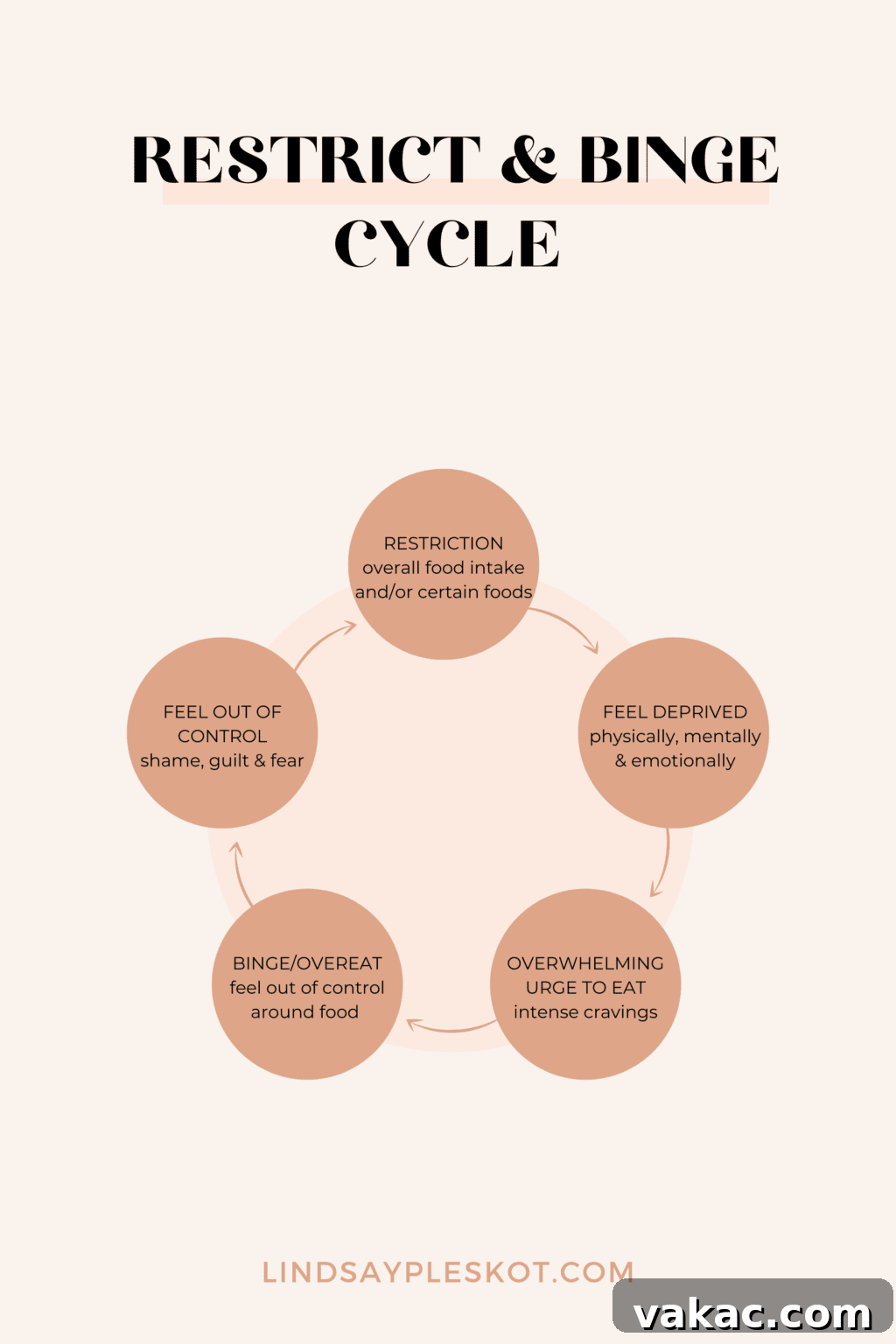
The binge-restrict cycle is a deeply entrenched behavioral and physiological pattern characterized by periods of strict dietary control or deprivation, which inevitably culminate in episodes of binge eating or overeating. It’s a self-perpetuating loop that can feel impossible to escape without understanding its underlying mechanisms. This cycle is not a sign of personal weakness, but rather a predictable response to chronic restriction. Let’s break down the five distinct stages that contribute to this challenging dynamic.
Stage 1: The Grip of Shame, Guilt, and Feeling Out of Control
The cycle often begins in the aftermath of a binge, or even after simply eating a food deemed “forbidden” by diet culture. According to renowned shame researcher Brené Brown, shame is “an intensely painful feeling or experience of believing that we are flawed and therefore unworthy of love and belonging.” In essence, shame makes us believe there is something fundamentally wrong with who we are. This debilitating emotion can be triggered by various factors: believing your body isn’t “right” and needs to shrink, enduring negative comments about your body or food choices, comparing yourself to others and feeling inferior, or the profound sense of losing self-control after a binge. Guilt, while related, is distinct; it’s the belief that you did something wrong. This might stem from consuming an “off-limits” food or overeating. Both shame and guilt are powerful emotional states that foster a profound sense of being out of control, creating a potent impulse to regain command, which then propels individuals into the next stage of the cycle.
Stage 2: The Illusory Promise of Restriction
Driven by the intense shame and guilt from Stage 1, and an overwhelming desire to “fix” the perceived problem (often one’s body or eating habits) and re-establish control, a person typically decides to initiate a new diet or stricter eating regimen. This stage is marked by a resolute conviction that “this time will be different” – that they will finally succeed in adhering to the new rules. Restriction manifests in two primary forms: physical and mental. Physical restriction involves concrete actions like reducing portion sizes, skipping meals altogether, or completely eliminating certain food groups (e.g., carbs, sugar, fats). Mental restriction, equally powerful, involves categorizing foods as ‘good’ or ‘bad,’ allowing oneself to eat ‘bad’ foods only if they are somehow compensated for (e.g., through extra exercise or fasting). The duration of this stage can vary dramatically, lasting from weeks to months, or even years, depending on an individual’s history with dieting. Initially, this phase might even be accompanied by positive reinforcement from others or a personal sense of accomplishment in one’s perceived ability to exert control.
Stage 3: The Weariness of Deprivation
This stage represents a critical turning point, often described as ‘hitting the wall’ – physically, mentally, and emotionally. The initial rush of control and success from restriction begins to wane, replaced by a growing sense of unease and dissatisfaction. The body and mind, deprived of consistent and adequate nourishment, begin to protest. Food thoughts become increasingly intrusive and pervasive; you might find yourself constantly preoccupied with planning meals, browsing recipes, following food-centric social media accounts, or watching cooking shows. This intense obsession with food is a biological survival mechanism, signaling that the body perceives a threat of scarcity. Emotionally, you might experience heightened anxiety, irritability, or social withdrawal, often refraining from gatherings or events where food is present, fearing a loss of control. The relentless effort required to maintain restriction becomes exhausting and unsustainable.
Stage 4: Overwhelming Urges and Intense Cravings
As deprivation deepens, the body’s biological drive for energy intensifies, manifesting as increasingly loud cravings and intrusive thoughts about food. It becomes progressively harder to focus on daily tasks at work, school, or to be truly present in conversations. Your brain, sensing a prolonged energy deficit, begins to prioritize calorie-dense foods that have been arbitrarily labeled “off-limits” or “forbidden” during the restriction phase. These cravings often target carbohydrates and fast-energy foods, which the body desperately needs. Alongside these specific cravings, you might experience an insatiable hunger, a feeling that no matter how much you eat, you simply cannot feel satiated. This stage is a direct physiological response to prolonged restriction, signaling that the body’s survival instincts are overriding conscious efforts to maintain dietary control.
Stage 5: The Binge or Overeat Episode
Finally, the cumulative pressure of intense restriction and overwhelming cravings becomes too much to bear, and the individual “gives in.” This is where the primitive “caveman brain” often takes over, leading to impulsive and rapid consumption of large quantities of food, often everything within reach. During a binge, there’s a significant disconnection from internal cues like taste, satisfaction, and physical fullness. Eating becomes a frantic, automatic process, driven by biological urges rather than conscious enjoyment. The pervasive belief that “this is the one and only time I will allow myself to eat these ‘forbidden’ foods” fuels the “last supper mentality,” where one feels compelled to eat as much as possible before inevitably “getting back on track” tomorrow. The immediate aftermath of a binge is typically marked by profound feelings of defeat, self-loathing, shame, and physical discomfort, which unfortunately loop back to Stage 1, perpetuating the cycle anew.
You might mistakenly believe that recurring binges are indicative of a character flaw or a lack of personal strength. However, we want to unequivocally state that this is not the case. The truth is much simpler, yet profoundly important: **Restriction directly drives bingeing.**
The mechanisms behind this are deeply rooted in our biology. When you consistently ignore your body’s hunger signals or skip meals, the hunger hormone ghrelin is continually produced in increasing amounts, leading to a persistent, roaring hunger. When physical hunger reaches an extreme level, the “caveman brain” or primal survival instinct kicks in with full force. This causes you to eat faster, often beyond comfortable fullness, and to instinctively gravitate towards richer, more calorie-dense foods – precisely the foods you might have been restricting. Moreover, dieting itself acts as a significant stressor on the body. Chronic stress related to body image or food choices elevates hormones such as cortisol and insulin. These hormones signal the body to store fat as a protective measure against perceived scarcity and can disrupt healthy muscle building. Lastly, prolonged restriction causes our brains to become hyper-focused on food. This isn’t a moral failing; it’s a powerful biological mechanism designed to ensure our survival. When the restriction eventually breaks, you become highly susceptible to the “all-or-nothing” mentality, which further propels you into a binge, believing that since you’ve already “failed,” you might as well go “all out.” All these physiological and psychological factors combine to create a perfect storm, setting you up for the inevitable cravings, bingeing episodes, and the accompanying guilt and shame that define the cycle.
Ready to Transform Your Relationship with Food?
Unlock the path to lasting food freedom. This comprehensive guide helps you explore not just *what* you eat, but *why* you eat, *how* you feel during and after eating, and any subconscious patterns that influence your food choices. Begin your journey to a more peaceful and intuitive relationship with food today!
The Profound Impacts of Bingeing and Restricting
Now that we have a clear understanding of what the binge-restrict cycle entails, it becomes evident why breaking this pattern is not merely beneficial but essential for overall well-being. The cycle inflicts significant physiological, psychological, and emotional damage. Let’s explore these impacts in more detail.
Physiological Impacts of Restriction:
Your body cannot differentiate between a self-imposed diet and an actual famine. When it perceives a scarcity of food, it intelligently adapts to conserve energy, leading to a cascade of physiological changes. Over time, chronic restriction can result in various severe complications, including:
- Increased Hunger Hormones & Decreased Fullness Hormones: The body ramps up ghrelin (hunger) and suppresses leptin (fullness), making you feel constantly hungry and rarely satisfied.
- Slowed Metabolism: To conserve energy, the body lowers its basal metabolic rate, making it harder to maintain weight even on fewer calories.
- Lowered Heart Rate & Body Temperature: As the body tries to preserve energy, vital functions slow down.
- Slowed Digestion: Loss of muscle tissue along the digestive tract, including the gut, can lead to chronic constipation, bloating, and significant discomfort.
- Loss of Muscle Mass: The body starts breaking down muscle tissue for energy, further slowing metabolism and impacting strength.
- Decreased Emotional Regulation: When the body is stressed and undernourished, the brain’s ability to regulate emotions is compromised, leading to increased irritability, mood swings, and difficulty coping with stress.
- Fatigue and Poor Concentration: Insufficient energy intake impairs cognitive function, leading to brain fog, difficulty focusing, and persistent exhaustion.
- Compromised Immune System: A weakened body is more susceptible to illness and takes longer to recover.
- Reduced Fertility & Hormonal Imbalances: Non-vital systems, like the reproductive system, are down-regulated, impacting menstrual cycles and fertility.
- Hair Loss, Brittle Nails, & Dry Skin: The body diverts resources from “non-essential” functions, affecting appearance.
- Increased Risk of Cardiac Failure: Severe restriction can lead to electrolyte imbalances and muscle loss in the heart, posing serious cardiovascular risks.
Physiological Impacts of Binge Eating:
While restriction creates a deficit, binge eating creates an overload that also has detrimental effects:
- Physical Discomfort: Immediately after a binge, individuals often experience severe stomach pain, bloating, nausea, and general abdominal distress.
- Stomach Distension: Overfilling the stomach frequently can lead to chronic distension, delayed gastric emptying, and an increased intensity of uncomfortable fullness after even moderate meals.
- Blood Sugar Fluctuations: Rapid consumption of calorie-dense, often high-sugar foods can lead to an overstimulation of the pancreas, followed by a sharp drop in blood sugar (reactive hypoglycemia). This can cause symptoms such as sweating, dizziness, fatigue, headaches, and intense cravings for more food, perpetuating the cycle.
- Further Disconnection from Body Cues: Consistently overriding natural fullness and hunger signals during binges further erodes your ability to listen to and trust your body’s innate wisdom, making intuitive eating seem impossible.
Psychological and Emotional Impacts:
Beyond the physical, the binge-restrict cycle takes a heavy toll on mental and emotional health:
- Heightened Anxiety and Depression: The constant worry about food, body image, and the fear of bingeing can trigger or worsen anxiety and depressive symptoms.
- Low Self-Esteem and Body Dissatisfaction: The cycle often reinforces negative self-perceptions and intensifies dissatisfaction with one’s body, leading to feelings of inadequacy.
- Social Isolation: Shame and fear of bingeing in front of others can lead to avoidance of social situations involving food, fostering loneliness.
- Obsessive Thoughts About Food: A significant portion of mental energy is consumed by thoughts about food, dieting, and body weight, detracting from other aspects of life.
- Increased Stress: The mental burden of managing food, resisting cravings, and dealing with post-binge emotions creates chronic psychological stress.
3 Essential Tips to Break Free from the Cycle
If you’re ready to break free from the exhausting binge-restrict cycle and cultivate a more peaceful relationship with food, one where guilt no longer dictates your choices, here are three foundational tips to guide your journey:
1. Address Shame with the Power of Self-Compassion
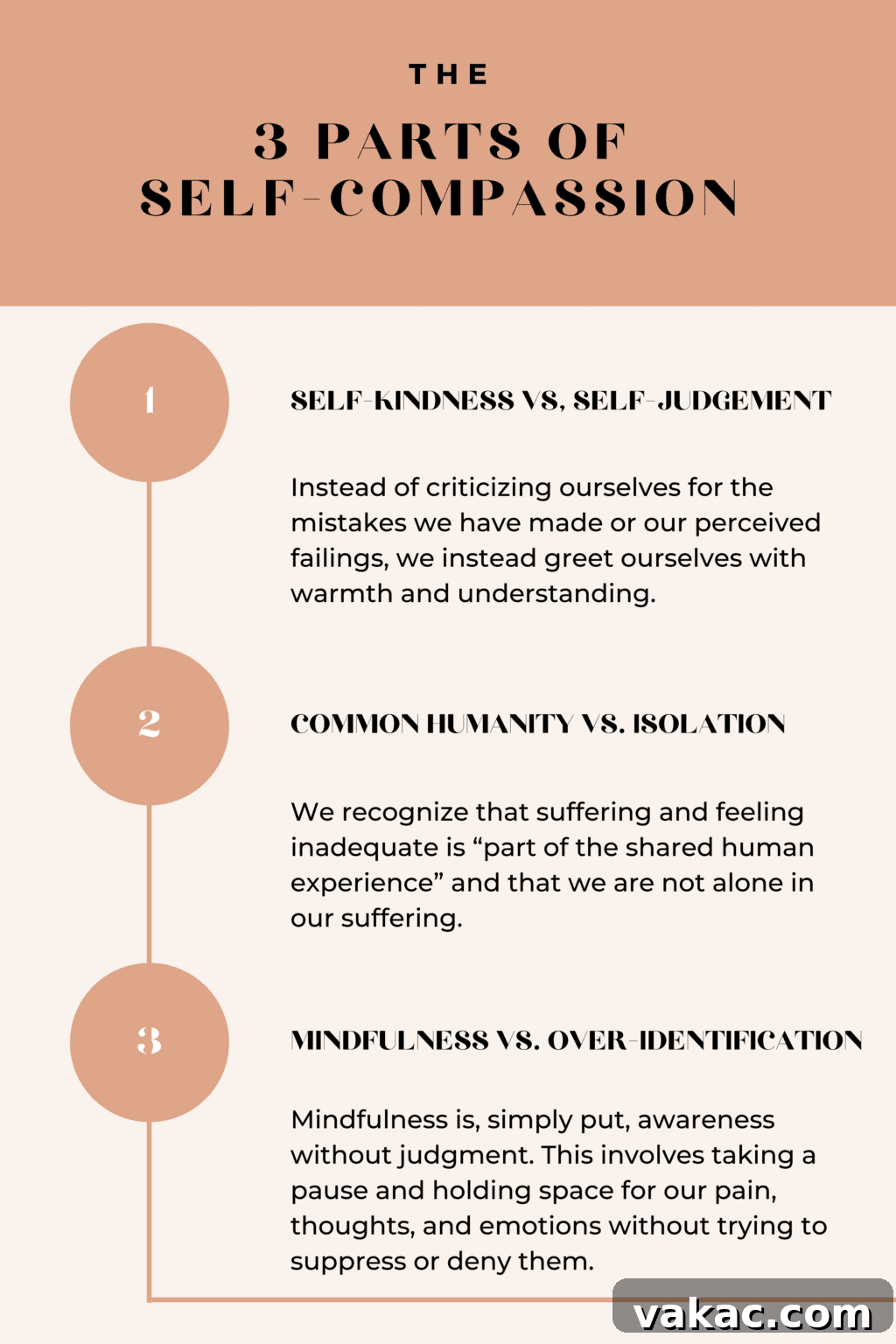
Shame is often the invisible thread that keeps the binge-restrict cycle intact. To unravel this thread, we must embrace self-compassion. The groundbreaking work of Dr. Kristin Neff, supported by extensive studies, demonstrates that self-compassion is a powerful antidote to the judgment and isolation of shame. It’s also strongly linked to increased intrinsic motivation and healthier behaviors. Dr. Neff defines self-compassion through three interconnected components:
1. Self-Kindness vs. Self-Judgment: Instead of engaging in harsh self-criticism for perceived mistakes, challenges, or “failures” (like bingeing), self-kindness involves treating yourself with the same warmth, understanding, and patience you would offer a dear friend. It acknowledges that being imperfect and encountering difficulties are universal human experiences, rather than personal failings.
2. Common Humanity vs. Isolation: This component involves recognizing that suffering, feeling inadequate, or struggling with eating patterns is not a unique personal flaw but “part of the shared human experience.” Understanding that you are not alone in your struggles can significantly reduce feelings of isolation and shame, connecting you to a broader human experience.
3. Mindfulness vs. Over-Identification: Mindfulness, in this context, means cultivating awareness of your pain, thoughts, and emotions without judgment or suppression. It’s about taking a pause to observe these internal experiences with curiosity and acceptance, rather than getting swept away by them or ignoring them entirely. Engaging with a trusted intuitive eating dietitian or counselor can be incredibly helpful in processing the deeper themes that may arise during this stage, helping you to disengage from overwhelming thoughts and emotions without denying their presence.
2. Address Restriction with Consistent, Adequate Nutrition and Unconditional Permission to Eat
This tip tackles the root cause of the cycle: restriction. It requires a two-pronged approach, addressing both physical and mental aspects:
Addressing Physical Restriction: Your first priority should be to consistently provide your body with adequate nourishment throughout the day to prevent the intense cravings and urgency to binge that deprivation creates. Eating regularly, roughly every 2-3 hours, can help stabilize blood sugar levels, reduce excessive hunger hormone production, and signal to your body that food is abundant and safe, not scarce. This consistency helps your body move out of “famine mode.” If you’re unsure where to begin with balanced eating, consider exploring 10 healthy eating habits from a registered dietitian and over 15 well-balanced meal ideas to inspire your choices. Focus on meals that include a good balance of carbohydrates, protein, and healthy fats to promote satiety and sustained energy.
Addressing Mental Restriction: This aspect is arguably even more critical than physical restriction. Mental restriction stems from the ingrained belief, heavily reinforced by diet culture, that certain foods are ‘good’ and others are ‘bad,’ or that some foods are inherently ‘moral’ while others are ‘immoral.’ When we assign moral value to foods, we inevitably apply moral judgments to ourselves. If we perceive ourselves as having “broken the rules” by eating a “bad” food, we are far more likely to experience intense guilt and shame, which frequently triggers the “all-or-nothing” thinking or the “last supper mentality.” These rigid food rules and lists of “forbidden” foods paradoxically set us up for bingeing. To truly break free, we need to cultivate food neutrality, understanding that all foods are morally equal. Food has varying nutritional compositions, yes, but no food makes you a “bad” person. By giving ourselves unconditional permission to eat all foods – removing the arbitrary rules and restrictions – we can reconnect with our bodies’ innate wisdom, learning what truly feels mentally and physically best, rather than being dictated by external rules.
3. Cultivate Self-Awareness Around Your Eating Habits
If you’ve attempted to make changes in the past only to find your efforts short-lived, you’re not alone, and it’s not your fault. This often occurs because we haven’t fully understood our unique patterns, habits, and triggers. For lasting change, building profound self-awareness is paramount – not just around *what* you eat, but fundamentally *why* you eat. In our “Make Food Feel Good Program” and with our one-on-one clients, we frequently recommend maintaining a mindful food journal. This tool helps individuals observe their eating behaviors, emotional states, environmental factors, and physical sensations surrounding food choices without judgment. This deep dive into your personal data is key because once you truly *see* your patterns, you can’t *unsee* them. This awareness empowers you to discover “Why am I eating? Understanding the 3 types of hunger” (physical, emotional, practical). It also serves as a crucial foundation for learning how to foster a healthy relationship with food and define what truly healthy eating means for *you*, moving beyond generalized diet rules.
Ready to Transform Your Relationship with Food?
Embark on a transformative journey toward food freedom. This essential guide encourages you to delve deeper into your eating habits, exploring not only what you consume but also the emotional and psychological drivers behind your choices. Discover the patterns that influence your well-being and empower yourself to make choices that truly serve you. Download your copy and start building a healthier, happier relationship with food today!
Now Over to You: Your Journey to Food Freedom
Breaking the binge-restrict cycle is a journey of self-discovery, compassion, and consistent effort. It’s about shedding the harmful narratives of diet culture and trusting your body’s innate wisdom. We hope this comprehensive guide provides you with valuable insights and practical strategies to begin or continue your path toward food freedom.
- Did anything about the binge-restrict cycle or its impacts particularly surprise you?
- Are there any questions about the binge-restrict cycle that we didn’t cover?
We’d love to hear your thoughts! Share your insights and questions with us in the comments section below, or take a screenshot of this article and share it with your community on Instagram, tagging us! If you found this post helpful and believe it could benefit someone else, please pass it along to a friend or family member who might be struggling with similar patterns. Together, we can foster a more compassionate and understanding approach to eating and body image.