
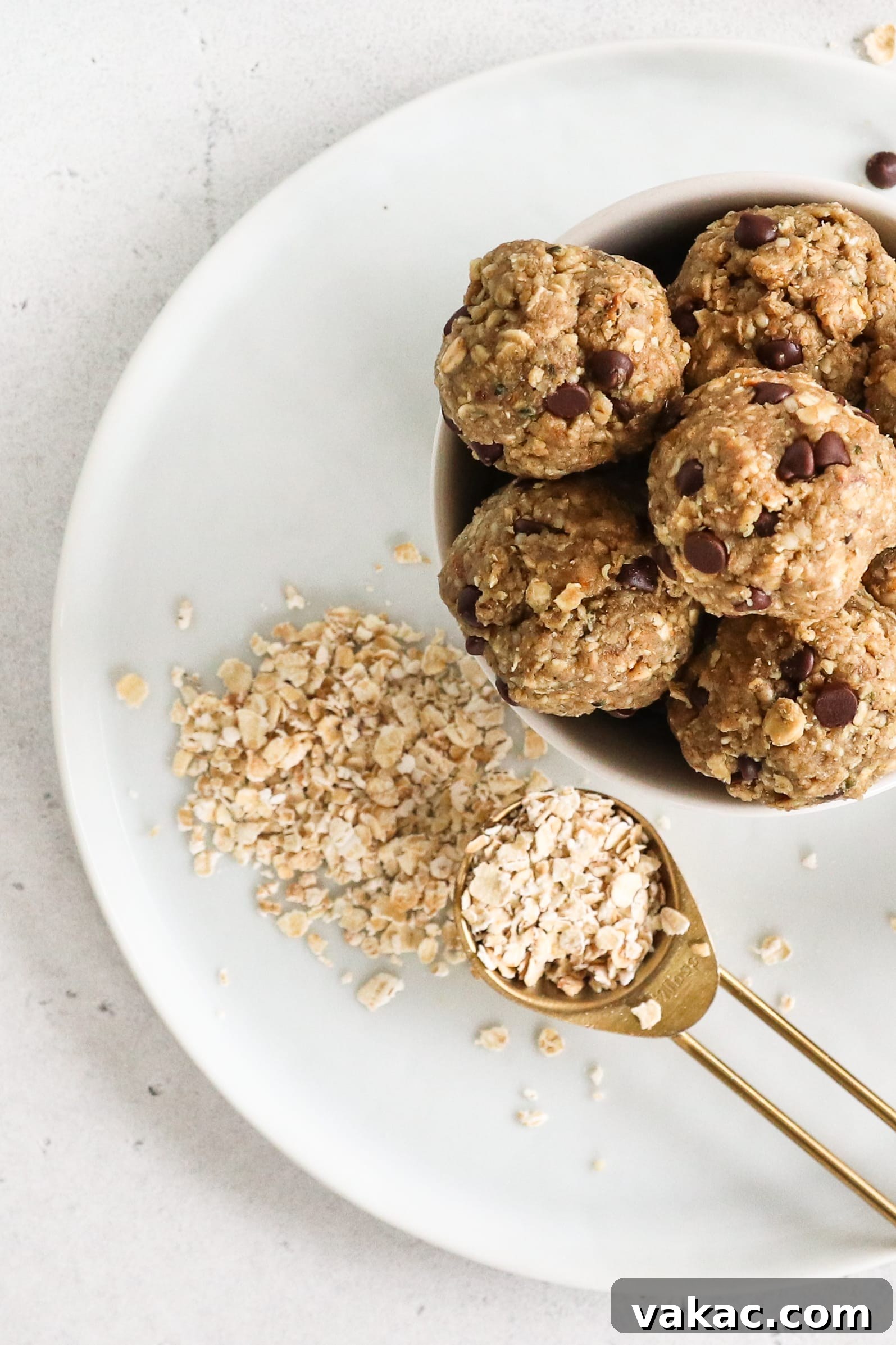
Oats, a humble grain with extraordinary potential, are truly a Registered Dietitian’s dream ingredient. Beyond their comforting warmth and versatile nature, they are an undeniable powerhouse of nutrition, celebrated for their rich content of dietary fiber, essential minerals like magnesium, and potent antioxidants. What makes oats even more remarkable is their natural gluten-free status as a whole grain, opening up a world of culinary possibilities for a diverse range of dietary needs. And when it comes to harnessing these benefits, oat flour stands out as an incredibly convenient and nutrient-dense alternative to traditional flours.
Transforming whole oats into finely ground oat flour doesn’t just retain their impressive nutritional profile; it also makes incorporating these health benefits into your daily cooking and baking incredibly easy. For those navigating gluten sensitivities or simply seeking to amplify the nutritional value of their meals, oat flour offers a seamless and delicious solution. Perhaps the most appealing aspect? The creation process is astonishingly quick. With just a high-powered blender and a bag of rolled oats from your pantry, you can whip up fresh, homemade oat flour in two minutes or less, ready to elevate your culinary creations.
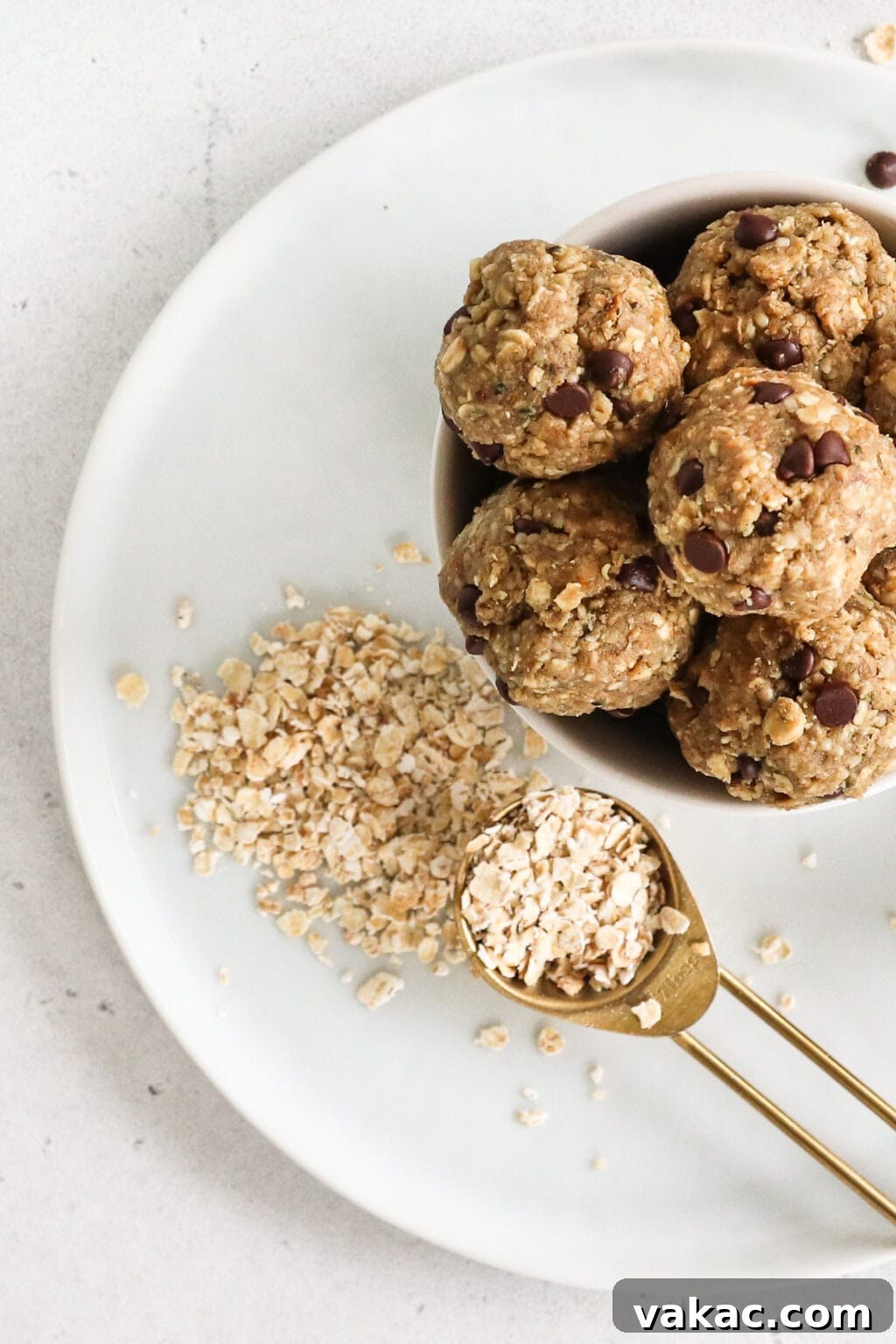
Effortless Homemade Oat Flour: A Step-by-Step Guide
Creating your own oat flour is remarkably straightforward and requires minimal effort. The key to success lies in using the right equipment and technique to achieve a consistently fine texture, essential for smooth baked goods and recipes.
Step-by-Step Instructions:
- Gather Your Ingredients: You’ll need rolled oats (also known as old-fashioned oats) or quick oats. Ensure they are certified gluten-free if you require a strictly gluten-free flour.
- Prepare Your Equipment: Place your chosen oats into a high-powered blender or a robust food processor. The quality of your appliance significantly impacts the final texture of the flour. A high-powered blender, such as a Vitamix or Blendtec, generally yields a finer, silkier flour than most food processors.
- Blend to Perfection: Secure the lid tightly and blend the oats on high for 15-30 seconds. The goal is to transform the oats into a fine, floury powder. Periodically pause and check the consistency. If you notice any larger pieces, gently shake the blender or food processor to redistribute the oats and continue blending for another 5-10 seconds until uniform.
- Storage: Once you’ve achieved the desired fineness, transfer your freshly ground oat flour into an airtight container. Store it in a cool, dark place like your pantry, where it will remain fresh for up to three months. For extended shelf life, you can also store it in the refrigerator for up to six months, or even freeze it for longer periods.
It’s important to note that while most food processors can grind oats, they may not achieve the same ultra-fine consistency as a high-powered blender or commercially produced oat flour. If your homemade oat flour turns out slightly ‘chunkier,’ don’t despair! This texture can actually be desirable in certain recipes. For example, a coarser oat flour works beautifully in rustic muffins, chewy cookies, or crumbles, adding a delightful bite. However, for recipes that demand a very smooth texture, such as delicate pancakes, light waffles, or fine cakes, opt for the flour produced by a high-powered blender or a store-bought variety.
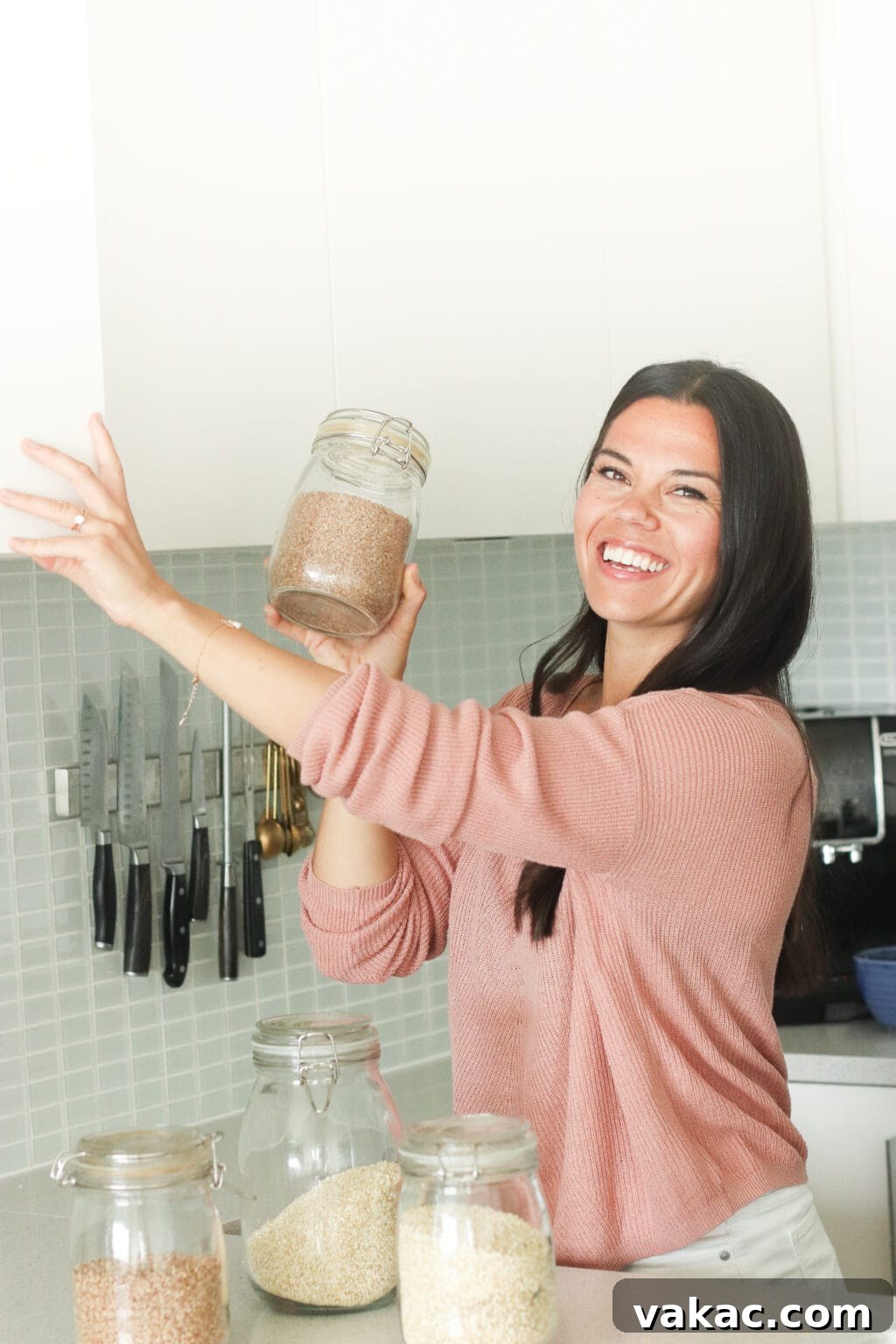
Choosing the Right Oats for Perfect Oat Flour
The type of oats you select plays a significant role in the texture and quality of your homemade oat flour. To achieve the best results—a fine, powdery consistency similar to conventional flour—you’ll want to primarily use rolled oats (often labeled as old-fashioned oats) or quick oats.
Understanding Oat Varieties:
- Rolled Oats (Old-Fashioned Oats): These oats have been steamed and then rolled flat, which helps to partially cook them and increases their surface area. This processing makes them softer and easier to grind into a fine powder, making them an excellent choice for oat flour.
- Quick Oats: Similar to rolled oats, quick oats are even more processed; they are cut into smaller pieces before being steamed and rolled. Their smaller size and pre-processing allow them to grind down very quickly and effectively into a fine flour, often yielding the quickest results in a blender.
- Steel-Cut Oats: Also known as Irish oats, steel-cut oats are whole oat groats that have been cut into two or three smaller pieces, rather than rolled flat. They are less processed than rolled or quick oats and have a much denser, chewier texture. While you can use steel-cut oats to make flour if you’re in a pinch, it will require significantly longer blending time, and it is highly recommended to use a high-powered blender. Most standard food processors will struggle to break down steel-cut oats into a truly fine flour texture, often resulting in a grittier product that might not be suitable for all recipes. For optimal results, stick to rolled or quick oats.
Ensuring Your Oat Flour is Truly Gluten-Free
For individuals with celiac disease or gluten sensitivity, understanding the nuances of “gluten-free” oats is paramount. While oats are naturally gluten-free grains, the journey from field to pantry can introduce gluten through cross-contamination, making it crucial to select the right product for truly gluten-free oat flour.
The Challenge of Cross-Contamination:
Oats are frequently grown in rotation with wheat, barley, or rye, or processed and packaged in facilities that also handle these gluten-containing grains. This proximity can lead to inadvertent mixing, where traces of gluten find their way into oat products. For someone with celiac disease, even minute amounts of gluten can trigger a severe immune response, causing intestinal damage and a range of uncomfortable symptoms.
The Importance of Certification:
To ensure your homemade oat flour is safe for a gluten-free diet, always purchase oats that are explicitly labeled as “certified gluten-free.” This certification means the oats have been processed in dedicated gluten-free facilities and tested to meet strict gluten-free standards (typically less than 20 parts per million of gluten). Simply seeing “gluten-free” on a package without a certification badge may not be sufficient, as some regulations allow for less stringent testing.
What to Look For:
- Certified Gluten-Free Badge: Look for a distinct certification logo from reputable organizations, such as the Gluten-Free Certification Organization (GFCO) in North America, or similar bodies in other regions. These badges provide assurance of rigorous testing and protocols.
- Ingredient Labels: Carefully read the ingredient label and allergen statements. If a product says “may contain wheat” or “processed in a facility that handles wheat,” it is not suitable for a gluten-free diet, even if oats are the only listed ingredient.
Organizations like the Canadian Celiac Association’s Product Finder are excellent resources for identifying verified gluten-free oat products. Brands like Anita’s Organic Milled Gluten Free Rolled Oats are examples of products that adhere to strict gluten-free standards, making them a reliable choice for your homemade oat flour.
The Abundant Health Benefits of Oat Flour
Incorporating oat flour into your diet isn’t just a culinary choice; it’s a step towards enhanced well-being. Derived from whole oats, this flour carries with it a remarkable array of health benefits that make it a superior alternative to many refined flours.
- Rich in Fiber: Oat flour is an excellent source of dietary fiber, particularly beta-glucan, a soluble fiber renowned for its health-promoting properties. Beta-glucan helps to lower cholesterol levels, stabilize blood sugar by slowing glucose absorption, and promotes a feeling of fullness, aiding in weight management. The insoluble fiber in oat flour also supports digestive health by preventing constipation and fostering a healthy gut microbiome.
- Packed with Essential Nutrients: Beyond fiber, oat flour is a treasure trove of vitamins and minerals. It’s a significant source of magnesium, which is crucial for nerve and muscle function, blood glucose control, and blood pressure regulation. Other vital nutrients include phosphorus, manganese, iron, zinc, and B vitamins (B1, B5, B6), all contributing to energy production and overall bodily functions.
- Antioxidant Powerhouse: Oats contain a unique group of antioxidants called avenanthramides, which are almost exclusively found in oats. These powerful compounds have anti-inflammatory and anti-itch properties, and they may also contribute to heart health by increasing nitric oxide production, which helps to dilate blood vessels and improve blood flow.
- Heart Health: Regular consumption of oats and oat flour can significantly contribute to cardiovascular health. The beta-glucan fiber helps reduce LDL (“bad”) cholesterol, and the avenanthramides protect LDL cholesterol from oxidation, a key step in the development of heart disease.
- Blood Sugar Regulation: With its high fiber content, oat flour has a lower glycemic index compared to many other flours. This means it causes a slower, more gradual rise in blood sugar, making it beneficial for individuals managing diabetes or seeking to maintain stable energy levels throughout the day.
By simply swapping out conventional flours for homemade oat flour, you’re not just adding a new texture to your dishes; you’re infusing them with a powerful boost of nutrients that support everything from heart health to digestive wellness.
Versatile Applications: Unleashing Oat Flour in Your Kitchen
The beauty of homemade oat flour lies in its incredible versatility, making it a valuable addition to both your baking and everyday cooking routines. Once you’ve mastered making it, you’ll discover endless ways to incorporate this nutritious grain into your meals.
Baking with Oat Flour:
For recipes specifically calling for oat flour, you can use your homemade version directly without any complicated conversions. This makes it incredibly convenient to try new recipes or revisit old favorites with an added nutritional punch. Here are a few favorite recipes that beautifully showcase the use of oat flour:
- Nourishing Oat Flour Pumpkin Muffins
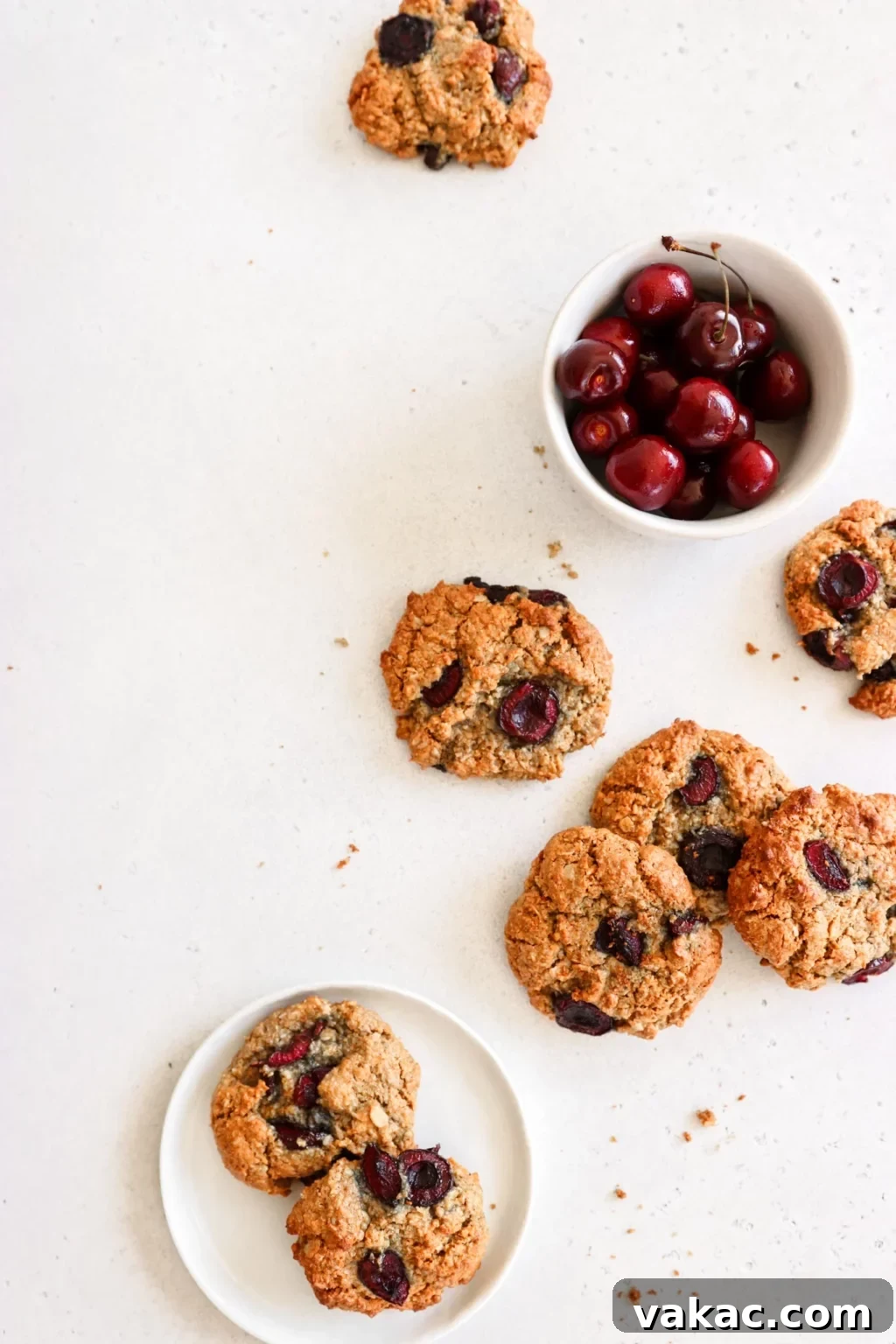
- Soft & Crispy Oatmeal Almond Butter Cookies with Fresh Cherries
- 5 Ingredient Banana Oat Pancakes
- Meal Prep Chocolate Chip Banana Zucchini Muffins
When experimenting with substituting oat flour for other flours (like all-purpose or whole wheat flour) in recipes not originally designed for it, a little culinary adventure and some careful adjustments will be necessary. Remember, oat flour is naturally gluten-free, which means it lacks the elastic proteins that give conventional baked goods their structure and chewiness. As a result, recipes made with a high percentage of oat flour tend to be denser and sometimes more crumbly. It might take a couple of attempts to achieve your desired texture and consistency, so don’t be afraid to experiment!
A good starting point for substitution is to use approximately 1 ⅓ cups of oat flour for every 1 cup of all-purpose or whole wheat flour. However, oat flour also absorbs more liquid than wheat flour, so you might need to increase the liquid content in your recipe slightly or reduce the amount of oat flour. Start by adding a small amount of extra liquid (1-2 tablespoons at a time) until the batter reaches the right consistency. For best results in recipes requiring a lighter texture, consider combining oat flour with other gluten-free flours or a small amount of an elastic binder like xanthan gum (¼-½ teaspoon per cup of oat flour).
Beyond Baking: Everyday Cooking Applications:
Oat flour isn’t just for sweet treats and baked goods; it’s a fantastic ingredient for savory dishes too!
- Thickening Agent: Use oat flour to thicken gravies, sauces, soups, and stews. Whisk a small amount into cold water to create a slurry before adding to hot liquids to prevent lumps.
- Breading and Coating: Its fine texture and subtle flavor make oat flour an excellent choice for breading fish, chicken, or vegetables (like crispy cauliflower bites). It provides a delicate crispness and a healthier alternative to wheat-based breadcrumbs.
- Meatballs and Patties: Incorporate oat flour into meatloaf, meatballs, or veggie patties as a binder instead of breadcrumbs. It adds moisture, nutrients, and helps hold everything together.
- Smoothies: A spoonful of oat flour can add thickness and a boost of fiber to your morning smoothie without altering the flavor significantly.
The options truly are endless, making homemade oat flour a versatile staple for any health-conscious kitchen.
Storing Your Homemade Oat Flour for Optimal Freshness
Proper storage is essential to maintain the freshness, flavor, and nutritional integrity of your homemade oat flour. Unlike store-bought flours that often contain preservatives, homemade versions are purest and thus benefit from careful storage to prevent spoilage.
- Airtight Container is Key: Always transfer your freshly ground oat flour to an airtight container immediately after blending. Exposure to air is one of the primary culprits for oxidation, which can lead to rancidity. Glass jars with tight-fitting lids, food-grade plastic containers, or even heavy-duty freezer bags are excellent choices.
- Cool, Dark, and Dry Place: For short-term storage (up to 3 months), a cool, dark, and dry pantry is ideal. Heat, light, and moisture are enemies of flour. Keep it away from sources of heat like ovens or sunny windows.
- Refrigeration for Extended Freshness: If you plan to use your oat flour over a longer period (up to 6 months), storing it in the refrigerator is a great option. The cooler temperature significantly slows down the oxidation process, preserving its freshness and delicate flavor.
- Freezing for Longest Shelf Life: For maximum shelf life, especially if you make large batches or don’t use oat flour frequently, the freezer is your best friend. Stored in an airtight container or freezer-safe bag, oat flour can remain fresh for up to 1 year. When ready to use, simply scoop out the desired amount—it thaws very quickly and doesn’t require prior defrosting for most baking applications.
- Signs of Spoilage: Always check your oat flour before use, especially if it’s been stored for a while. Fresh oat flour has a mild, slightly nutty aroma. If it smells stale, musty, or has a sour odor, it has likely gone rancid and should be discarded. While not harmful, rancid flour can impart an unpleasant taste to your food.
By following these simple storage guidelines, you can ensure that every batch of your homemade oat flour is as fresh, nutritious, and delicious as possible, ready to enhance your culinary creations.
Frequently Asked Questions About Oat Flour
Embarking on the journey of making and using homemade oat flour often brings up several questions. Here are some of the most common inquiries to help you confidently incorporate this versatile ingredient into your kitchen.
What is oat flour and how does it differ from regular wheat flour?
Oat flour is simply ground whole oats. It differs significantly from regular wheat flour primarily because it’s naturally gluten-free and contains a unique nutritional profile, particularly high in soluble fiber (beta-glucan). Wheat flour contains gluten, which provides elasticity and structure to baked goods, while oat flour does not, leading to denser textures. Oat flour also has a distinct, mildly nutty flavor that can enhance recipes.
Can I use oat flour in all my recipes as a direct substitute for wheat flour?
While oat flour is incredibly versatile, it cannot always be used as a 1:1 substitute for wheat flour, especially in yeast-leavened breads or delicate cakes. Because it lacks gluten, recipes using 100% oat flour will have a denser, more crumbly texture. For best results, especially in gluten-free baking, it’s often combined with other gluten-free flours, or a binder like xanthan gum is added. For muffins, cookies, pancakes, and quick breads, it can often replace a significant portion, or even all, of the wheat flour with some liquid adjustments.
Is oat flour good for you?
Absolutely! Oat flour is a nutritional powerhouse. It’s rich in dietary fiber, particularly beta-glucan, which is known to lower cholesterol and help stabilize blood sugar levels. It also provides essential minerals like magnesium, phosphorus, and manganese, along with antioxidants unique to oats (avenanthramides). These components contribute to heart health, digestive wellness, and overall vitality, making it a highly beneficial addition to a balanced diet.
Does homemade oat flour taste different from store-bought oat flour?
Homemade oat flour often has a fresher, more pronounced oat flavor compared to store-bought versions. This is because it’s freshly ground, and the natural oils in the oats are more vibrant. Store-bought flours can sometimes sit on shelves for longer, potentially losing some of their freshness and flavor. The texture can also differ; homemade flour, especially from a food processor, might be slightly coarser than finely milled commercial brands.
How much does 1 cup of rolled oats yield in oat flour?
Generally, 1 cup of rolled oats yields approximately 1 cup of oat flour. However, this can vary slightly depending on how finely you grind the oats and the specific type of oats used. For recipes, it’s often more accurate to measure oat flour by weight rather than volume, as flour can pack differently.
Can I use oat flour in savory dishes?
Yes, oat flour is fantastic in savory applications! It can be used as a thickening agent for gravies, soups, and stews, providing a healthy, gluten-free alternative to cornstarch or wheat flour. It also works wonderfully as a binder in meatballs, meatloaf, or veggie burgers, and as a light, crisp coating for breading various foods like chicken, fish, or vegetables.
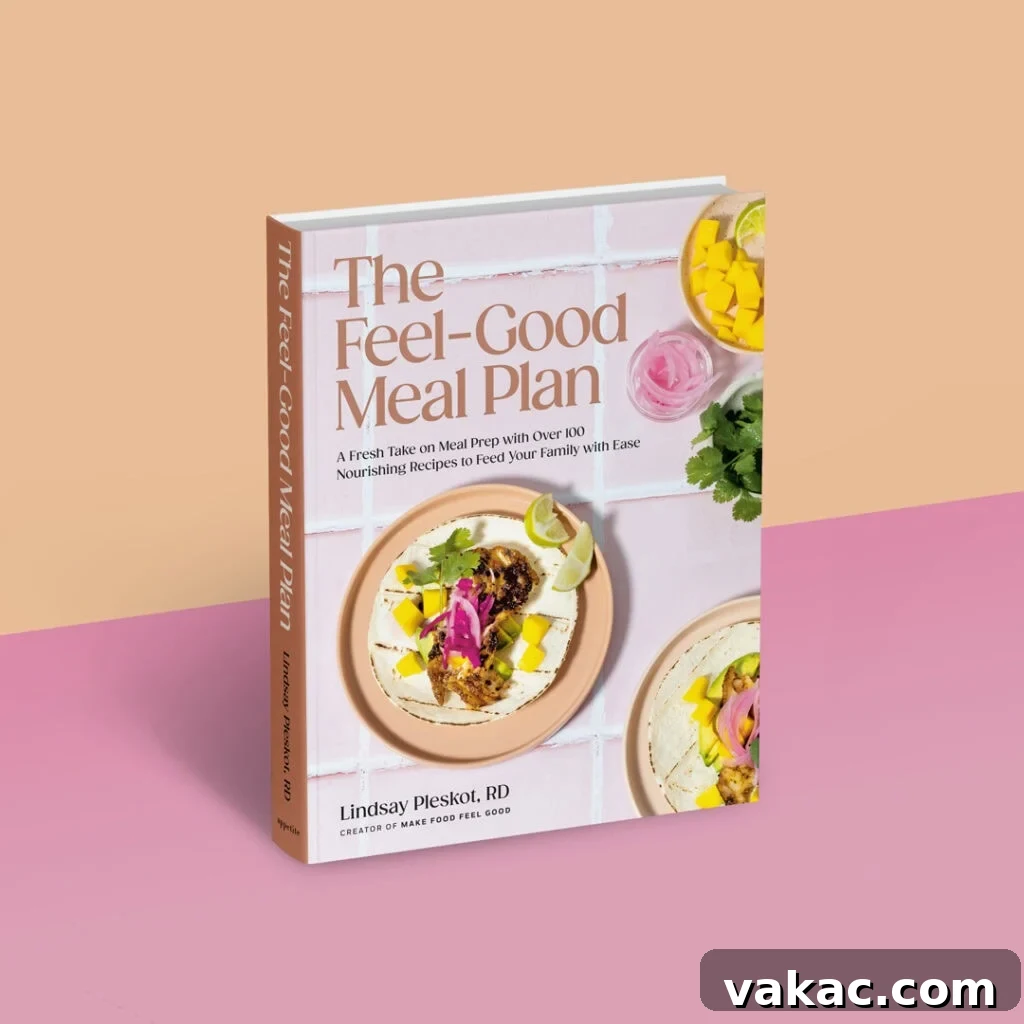
The Feel-Good Meal Plan
My Bestselling Cookbook is Now Available!
A fresh take on meal prep with over 100 nourishing recipes to feed your family with ease.
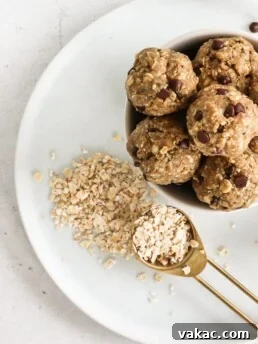
How to Make Oat Flour (In 2 Minutes or Less!)
5 Stars
4 Stars
3 Stars
2 Stars
1 Star
No reviews
- Author: Lindsay Pleskot
Prep Time: 1 minute
Cook Time: 1 minute
Total Time: 2 minutes
Yield: 3 cups
Description
Whip up this homemade oat flour in less than 2 minutes. Packed full of fibre, magnesium, and antioxidants, add to your muffin, cookie, or pancake recipes for an extra boost of nutrition.
Ingredients
- 4 cups rolled oats (certified gluten-free if needed)
Instructions
- Place 4 cups of rolled oats into a high-powered blender or a sturdy food processor.
- Turn on high for 15-30 seconds and blend until the oats are a fine, silky powder. Pause and check consistency, blending for a few more seconds if necessary to achieve a uniform texture.
- Store the freshly made oat flour in an airtight container for up to 3 months in your pantry, or up to 6 months in the refrigerator or freezer for optimal freshness.
Making your own oat flour is a simple yet powerful way to take control of your diet, add a nutritional boost to your meals, and explore new culinary horizons. Whether you’re a seasoned baker or just starting your journey into healthy cooking, the ease and versatility of homemade oat flour make it an indispensable ingredient. With its impressive health benefits and straightforward preparation, it’s time to unleash the potential of this incredible grain in your own kitchen.