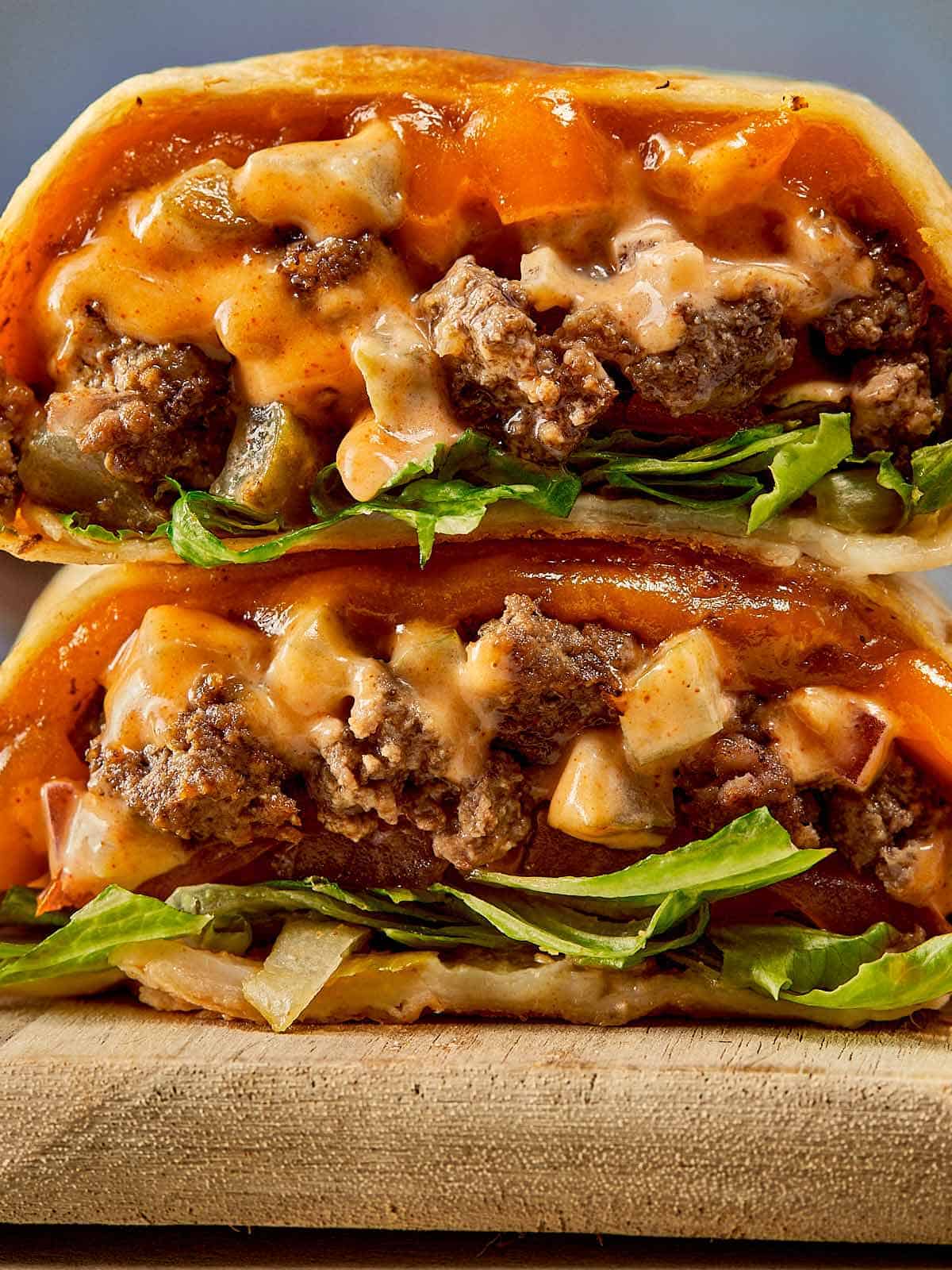
Crispy Beef Parmigiana is one of those recipes we only make when we're craving it, because once it's on our mind, nothing else quite hits the same. We remember the first time we got it right, standing at the stove a little longer than planned, flipping the beef carefully because we didn't want to lose that crust we'd worked so hard for. The kitchen smelled like fried breadcrumbs and warm tomato sauce, and we already knew this wasn't going to be a quiet dinner.
This is the kind of dish that makes people hover. Someone always asks if they can cut into it early, someone else sneaks a piece of cheese off the top before it's served. We've made it on nights when everyone was starving and impatient, and also on weekends when we were all sitting around the table longer than usual, talking with plates still half full because no one wanted to rush through it.
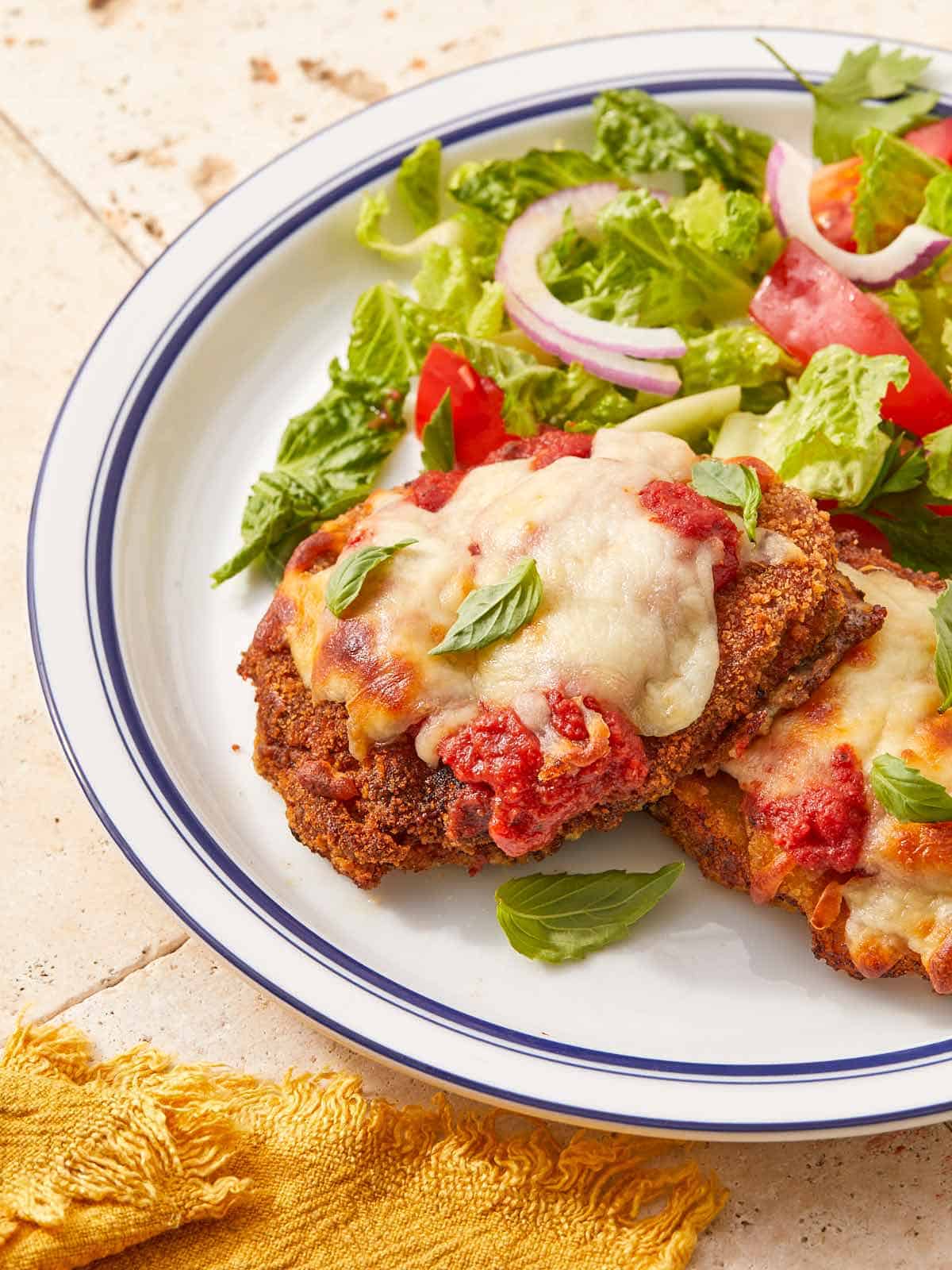
What took us a few tries to learn is that Beef Parmigiana isn't forgiving if you rush it. If the oil isn't right, the coating goes soggy. If the beef is cooked too long, it dries out before the cheese even melts. Once we stopped trying to multitask and just focused on the pan in front of us, everything fell into place.
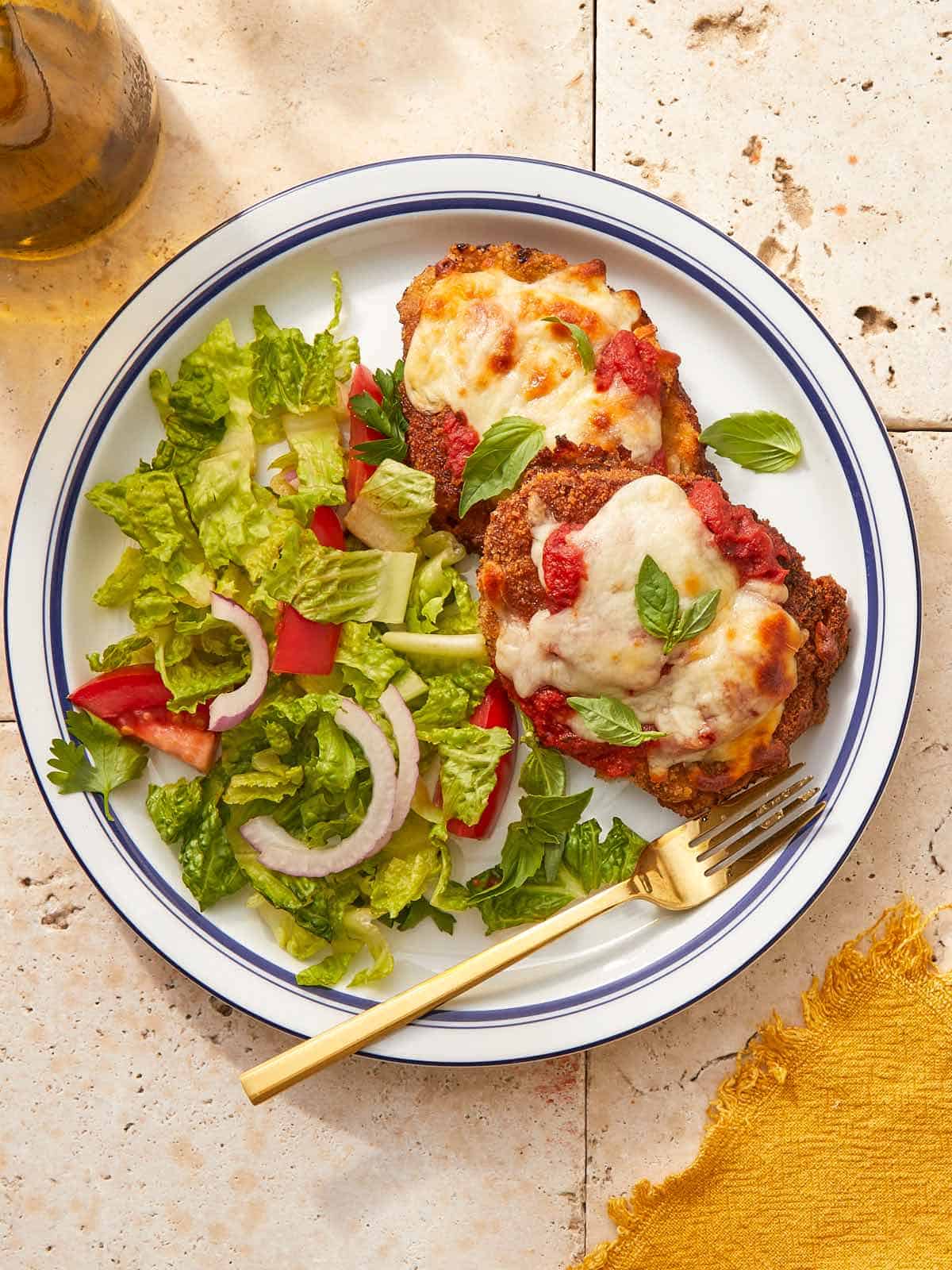
This version is the result of those small adjustments. It's crisp where it should be, tender underneath, and finished with just enough sauce and cheese to bring it together without drowning it. It's not something we throw together often, but when we do, it always feels worth the extra attention.
Why This Recipe Works
It starts with how the beef is treated before it ever hits the pan. Cutting it properly and seasoning it well means it cooks fast without turning dry. We've learned the hard way that once beef tightens up, there's no fixing it later. Getting this step right keeps the meat tender even after frying and finishing with sauce.
The breading process is intentional. Pressing the coating in firmly and letting it set gives you a crust that actually stays put. If you rush it, the coating absorbs oil and softens, which defeats the whole point. That attention to texture is the same reason slow, deliberate cooking works so well in recipes like Braised Lamb Shankswhere patience is what gives you meat that falls apart instead of fighting the fork.
Cooking the beef separately before adding sauce and cheese is what keeps everything in check. The beef gets fully cooked and crisp first, then finished just long enough to melt the cheese and warm the sauce. Piling everything on too early leads to soggy coating and overcooked meat, something we learned after more than one disappointing tray.
Finally, the balance of richness matters. This dish is indulgent, but it's controlled. You want enough sauce and cheese to bring it together, not so much that it overwhelms the beef. That same principle is why recipes like Easy Butter Chicken Recipe work so well. Rich, yes, but structured, so every element still has a role instead of blending into one heavy bite.
That combination of timing, restraint, and texture is what makes this recipe reliable. It's not complicated, but it does ask you to pay attention, and that's what keeps it working every time.
Ingredients
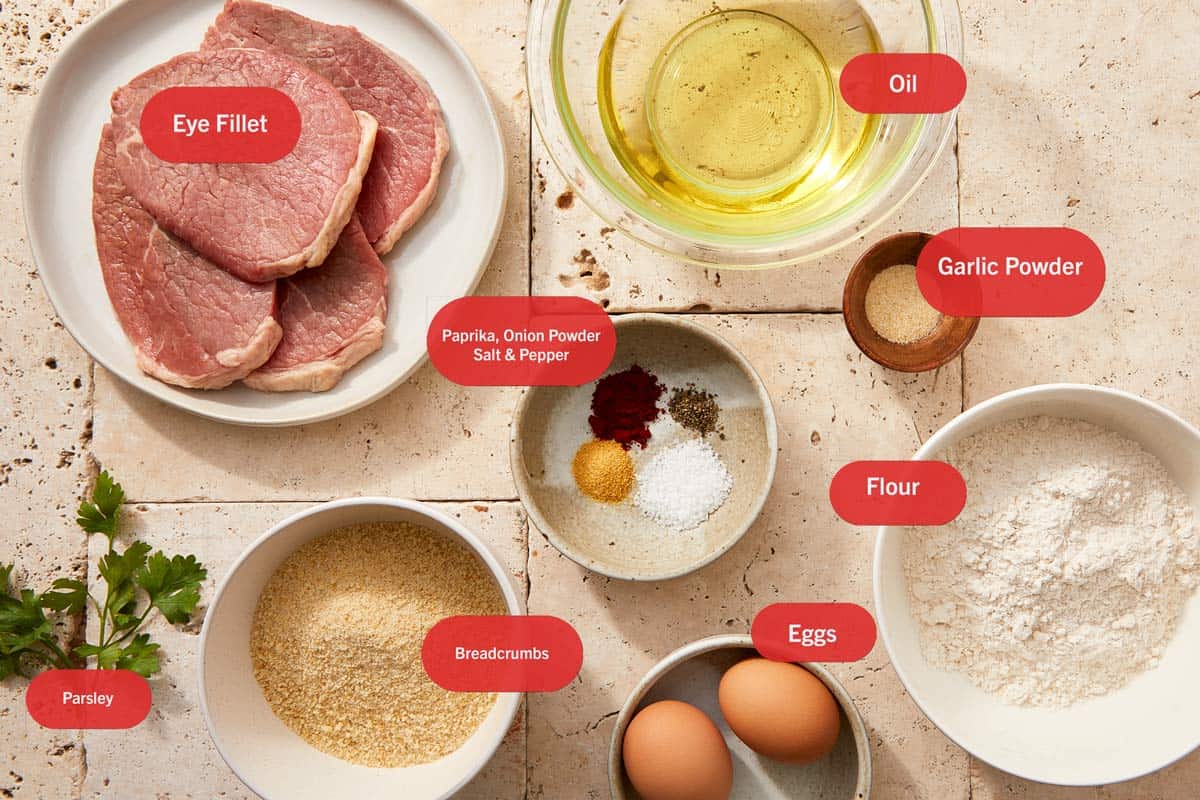
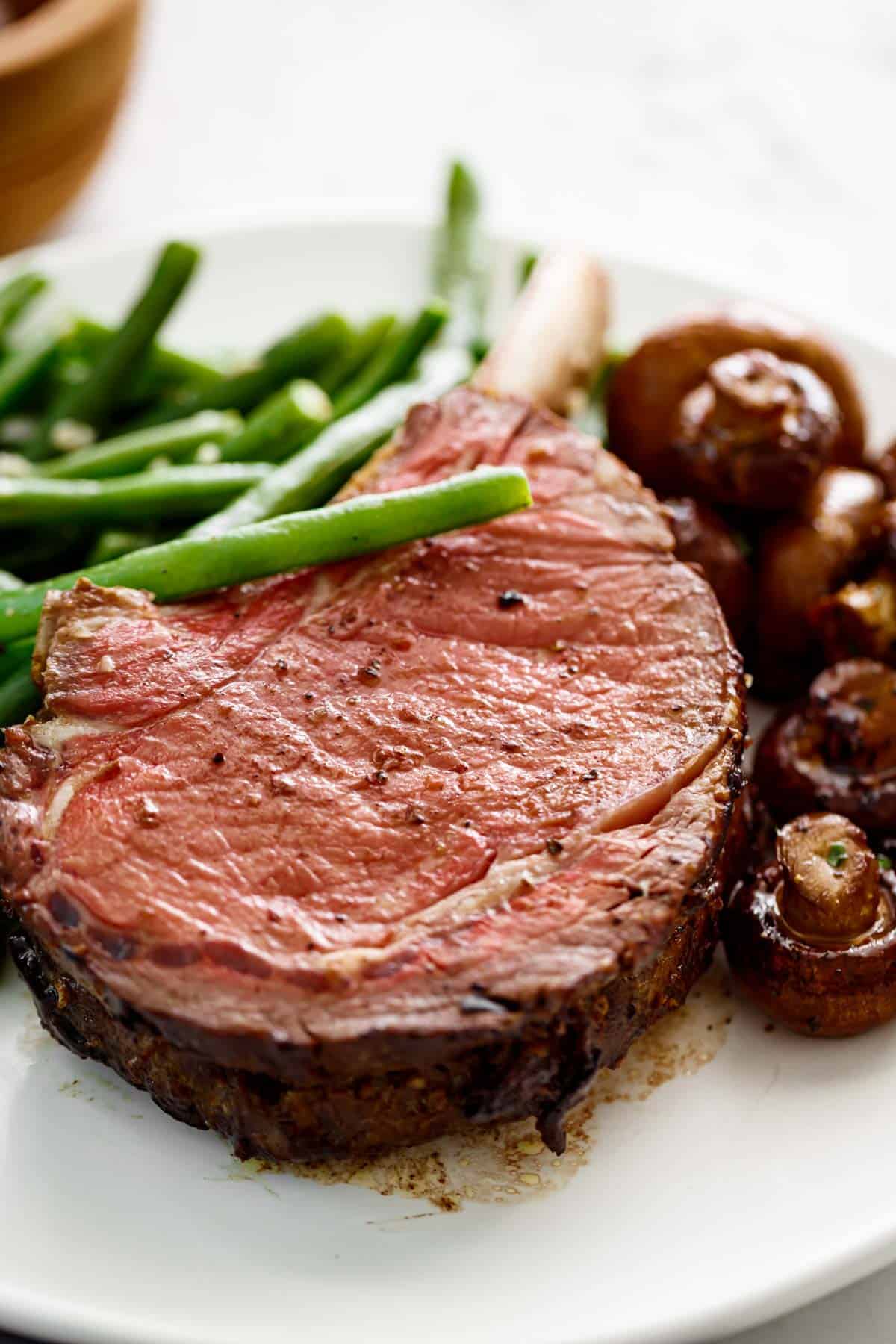
- Eye fillet (beef tenderloin) This cut is the reason the dish works. Eye fillet stays tender even after frying, which is not true for cheaper cuts. We've tested this with rump and sirloin before and they tighten up the moment they hit hot oil. With eye fillet, you get that crisp coating outside and still slice-soft beef inside, which is exactly what you want once it's baked with sauce and cheese.
- Breadcrumbs Breadcrumbs are doing more than adding crunch. They protect the beef from overcooking during frying and again in the oven. Fine breadcrumbs coat more evenly than chunky ones and give you that classic, even golden crust. When the crumbs are too coarse, the coating falls off once the sauce hits.
- Eggs Eggs are the glue. Skipping them or rushing this step is one of the most common mistakes. A proper egg wash helps the crumbs cling and stay put through frying and baking. We've tried shortcuts here, and they always end in soggy patches under the sauce.
- Passata (tomato purée) Passata keeps the sauce smooth and balanced without overpowering the beef. Chunky sauces slide off and pool around the edges, leaving the coating soft. A simple passata gives just enough acidity to cut through the fried crust and melted cheese without stealing the spotlight.
Note: Please see Recipe Card at the bottom for full list of ingredients and measurements.
On the stove
This dish might sound fancy, but it's easy. With just a few simple steps, you'll have golden-crusted beef layered with tomato sauce and bubbly cheese. Here's how to bring it all together:
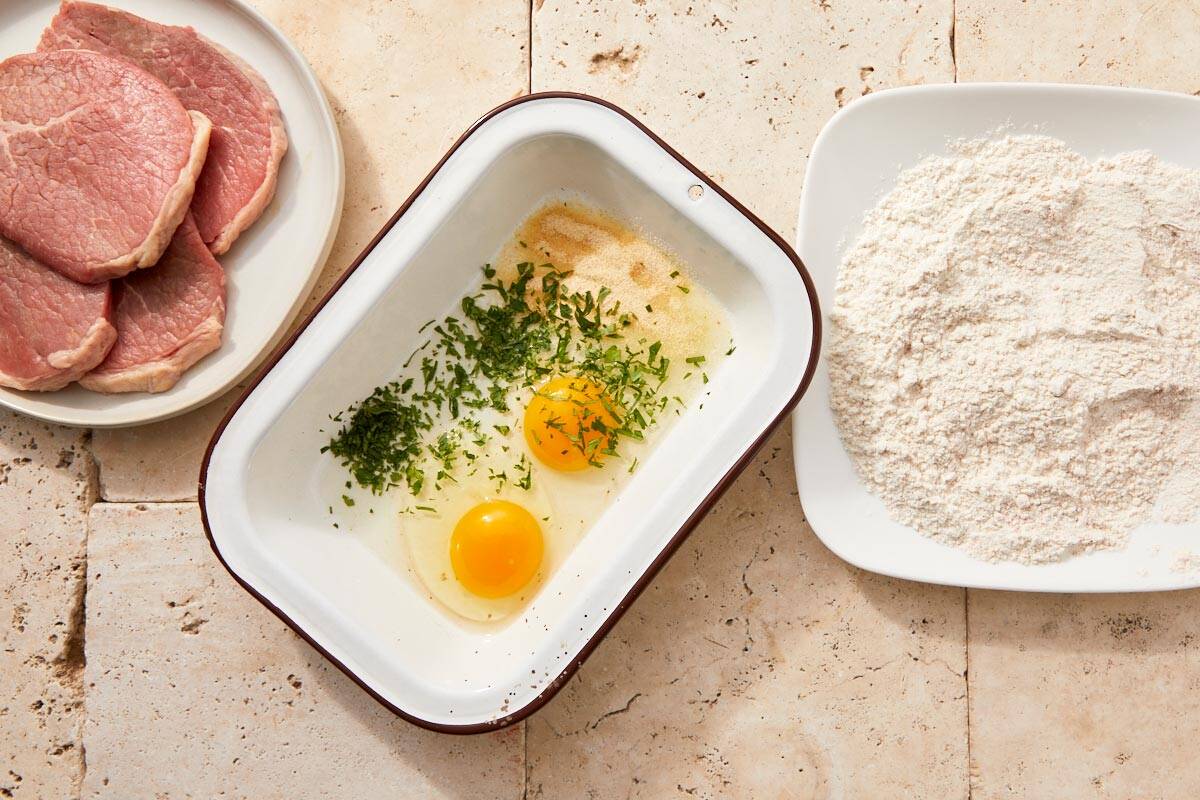
- Set up the breading station. In a bowl, mix flour with salt, pepper, paprika, and garlic powder. In a second bowl, beat the eggs with parsley, onion powder, and a pinch of salt.
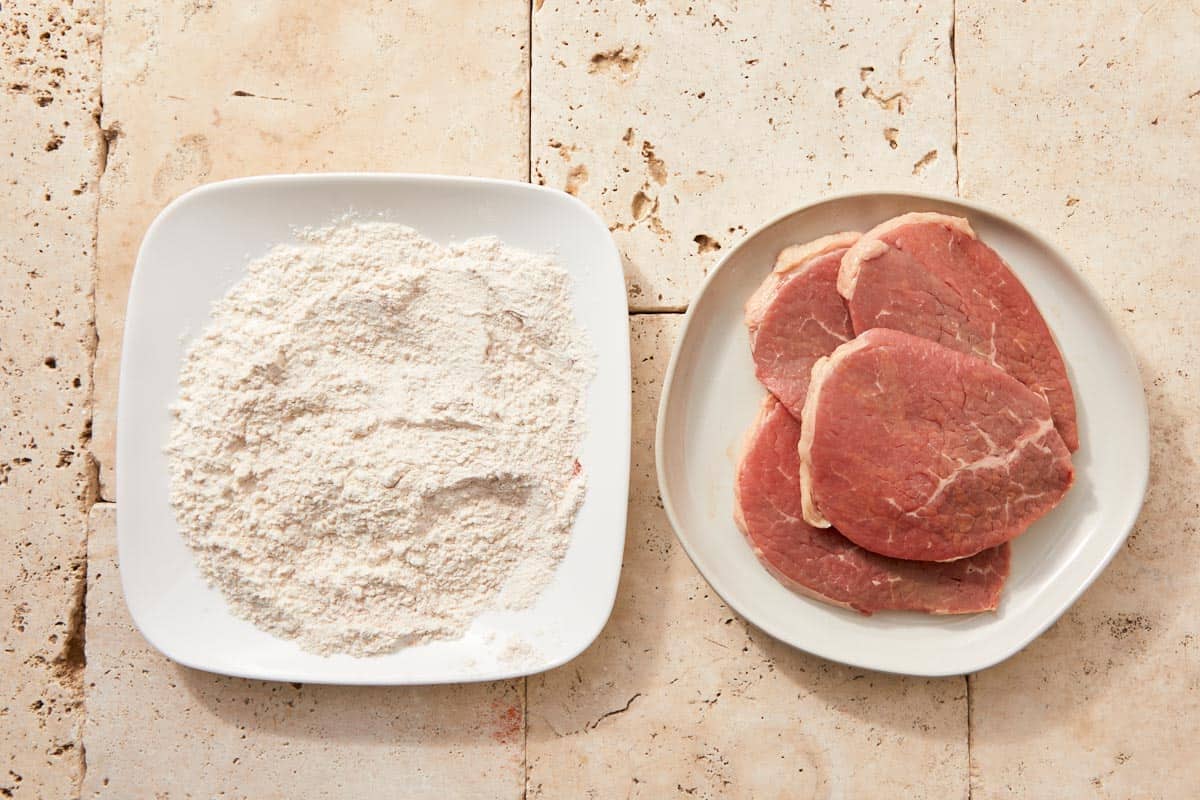
- Prep the beef. Season the beef lightly with salt and pepper. Make sure it's sliced super thin for a reliable tenderness.
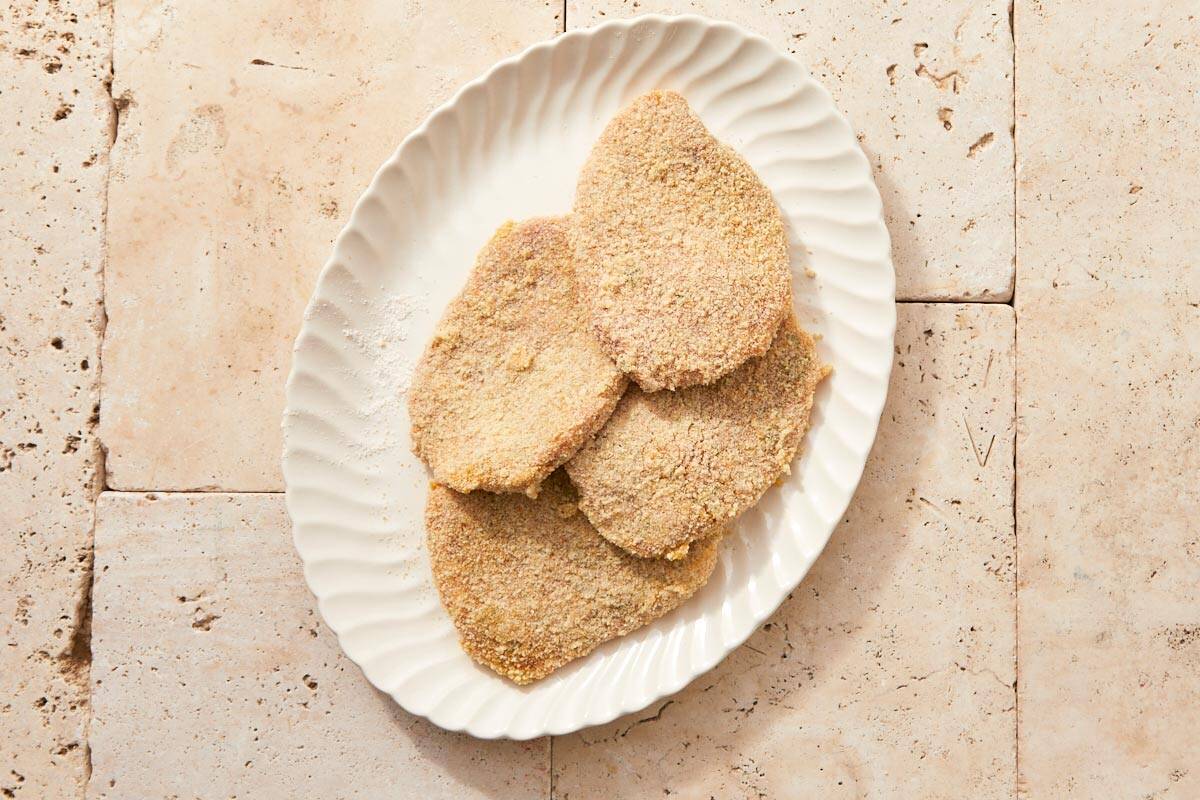
- Bread the schnitzels. Dip each piece of beef in flour, then egg, then breadcrumbs, press gently to help the crumbs stick.
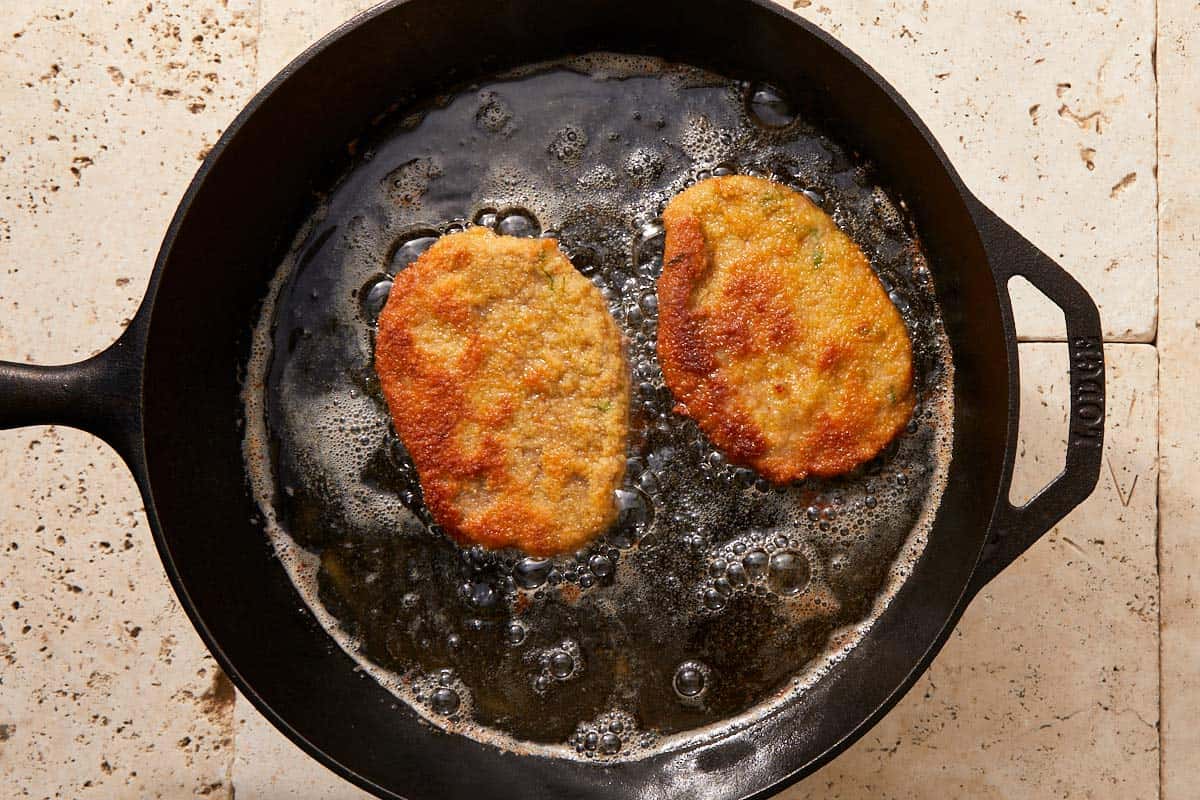
- Fry until golden Heat oil to 300°F (150°C). Fry schnitzels for about 5 minutes per side (or 4 minutes if your beef is super thin), until golden and crispy.
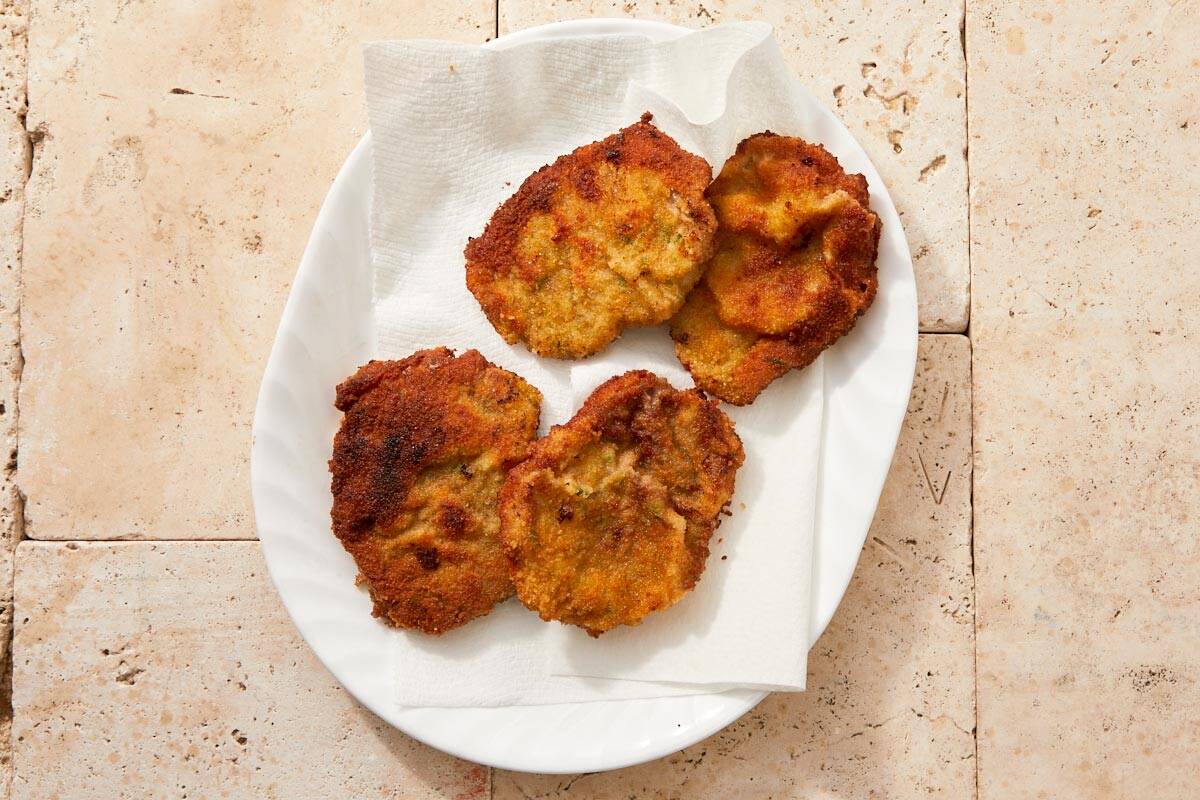
- Drain the schnitzels. Transfer to a plate lined with paper towel and let them rest while you make the sauce.
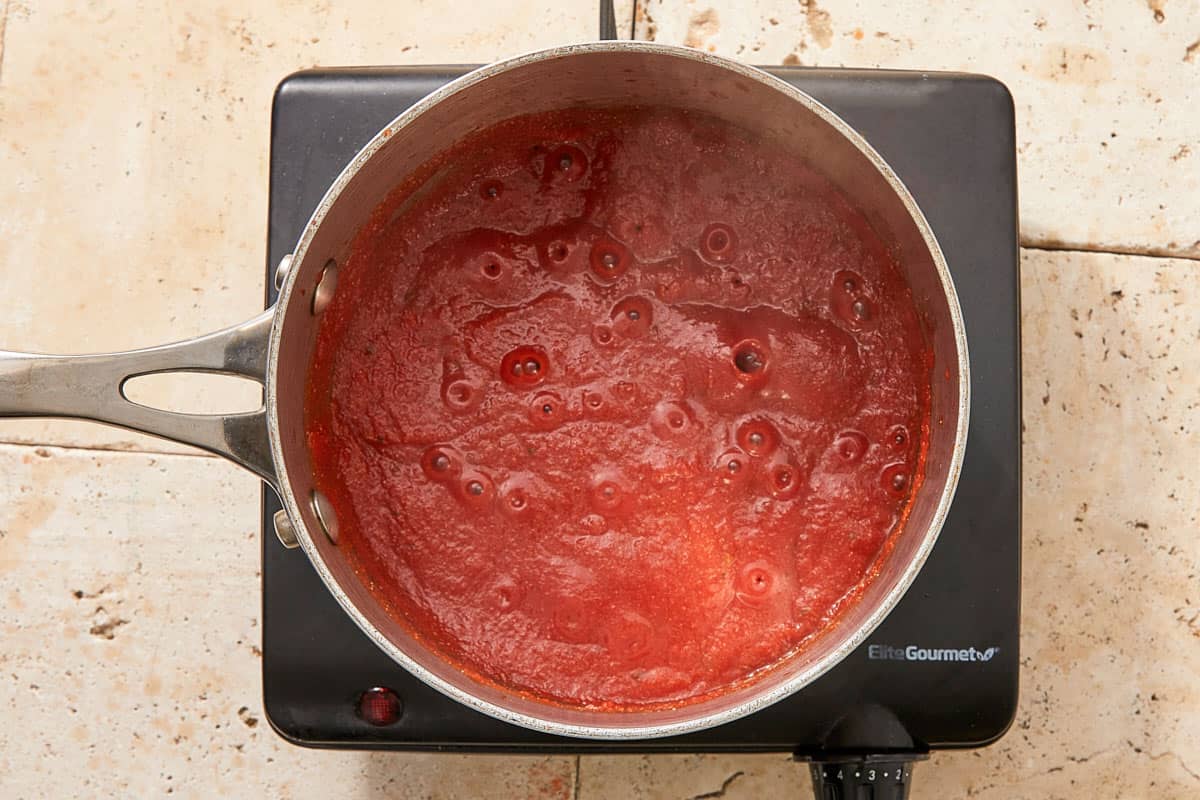
- Make Sauce Heat oil in a medium-sized pot. Fry onion until transparent, add the garlic until fragrant add tomato puree, salt and pepper to taste, Italian herbs and sugar. Cover with lid, simmer until sauce has thickened slightly.
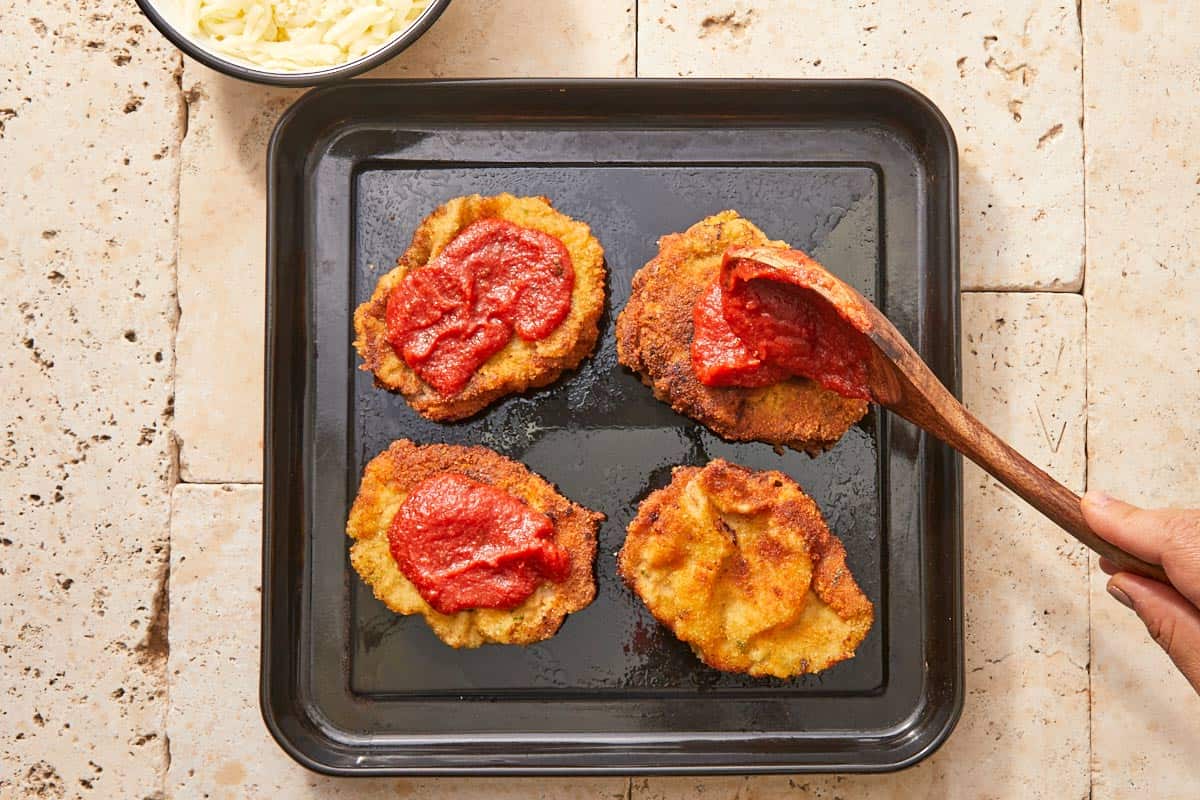
- Assemble and bake. Place schnitzels on a baking tray or dish. Spoon over the sauce and top with shredded mozzarella.
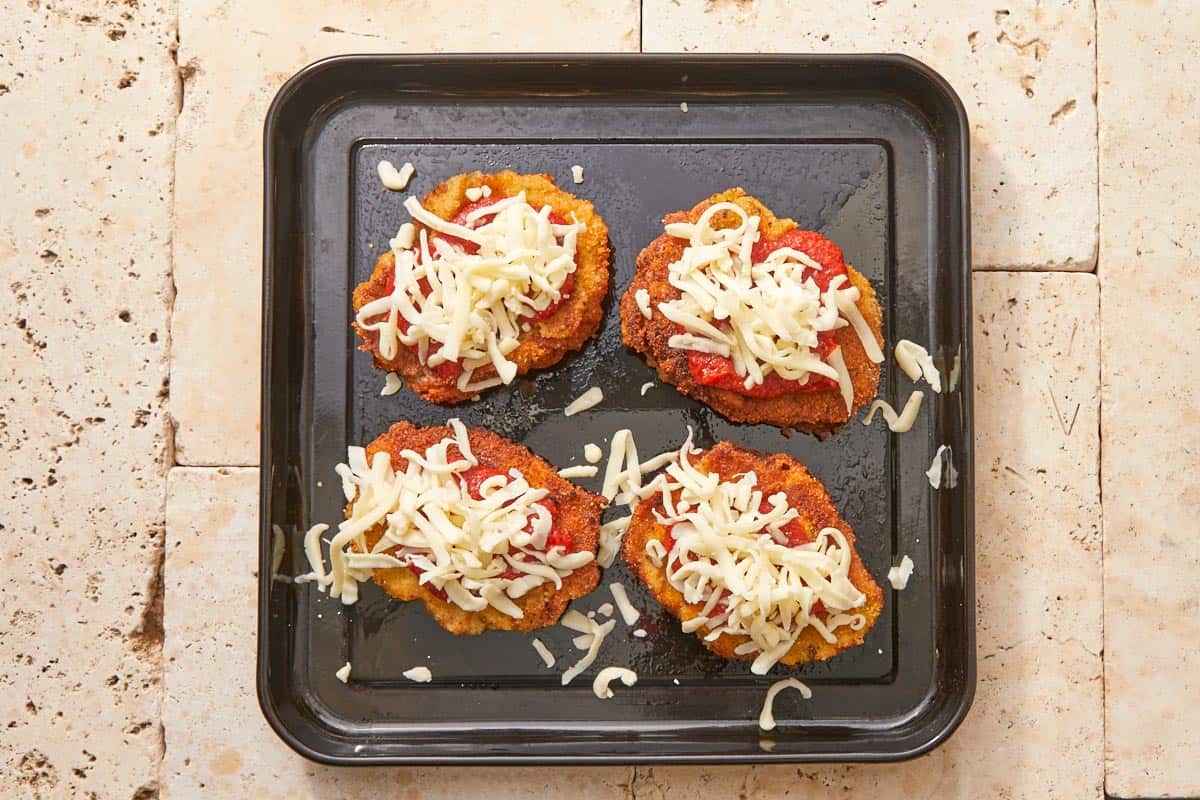
- Bake (or air fry!) to finish. Bake in a 170°C oven for 10 minutes until the cheese melts and starts to brown slightly. For a quick finish, air fry at 240°C for 3 minutes.
Serve it with
As bold and satisfying as this crispy beef is, it deserves sides that hold their own. Here are a few of our favorite pairings:
- Crispy Garlic Butter Parmesan Smashed Potatoes
- Avocado Feta Cucumber Salad
- Creamy Roasted Tomato Basil Soup (No Cream!)
FAQ's
Can we Use Chicken Instead Of Beef?Totally! Thin chicken breast works beautifully here, just reduce the frying time a bit, since it cooks faster.
How Do we Keep The Schnitzels Crispy After Frying?Let them rest on a wire rack instead of paper towels if you want max crunch, no soggy bottoms here!
Can we Air Fry The Schnitzels Instead Of Deep Frying?Yes! Air fry at 200°C (390°F) for about 8–10 minutes, flipping halfway. Spray lightly with oil for extra crispiness.
What you need
- 1.3 lbs whole eye fillet
- ⅔ cup all-purpose flour
- 1 teaspoon salt
- ¼ teaspoon black pepper
- ½ teaspoon paprika
- 2 large eggs
- 1/2 tablespoon parsley chopped
- 1 cup breadcrumbs
- 1 cup oil
- 1 teaspoon onion powder
- 1 teaspoon garlic powder
- 1 teaspoon sugar
- ½ teaspoons oregano
- 9 oz mozzarella cheese
- 1 teaspoon fresh basil
- 1 tablespoon olive oil
- 1 large onion chopped
- 2 teaspoons garlic minced
- 14 ounces tomato puree Passata
- 1/4 teaspoon salt to taste
- 1/4 teaspoon black pepper to taste
- 1 teaspoon dried Italian herb
- 1 teaspoon sugar optional
Method
- Set up your breading station. In a wide bowl, mix the flour with salt, black pepper, paprika, garlic powder, and onion powder. In another bowl, beat the eggs with parsley and a pinch of salt. Pour the breadcrumbs into a third bowl or shallow dish.
- Season the beef. Pat the beef dry and season lightly with salt and pepper. For best results, slice it thin so it stays tender after frying.
- Bread the schnitzels. Coat each slice of beef in the flour mixture, then dip into the egg mix, and finally press into the breadcrumbs to coat well on both sides.
- Fry until golden. Heat oil to 300°F (150°C) in a large skillet. Fry schnitzels for 4–5 minutes per side, or until crispy and golden brown. If your beef is extra thin, reduce frying time to 3–4 minutes per side.
- Drain the schnitzels. Transfer fried schnitzels to a plate lined with paper towel and let rest while preparing the sauce.
- Make the sauce heat oil in a medium-sized pot. Fry onion until transparent (about 3 minutes), then add the garlic until fragrant (about 30 seconds).
- Add the tomato puree, salt and pepper to taste, Italian herbs and sugar (If using). Cover with lid to simmer for about 8 minutes, or until sauce has thickened slightly. Taste test and adjust salt and pepper, if needed.
- Assemble and top. Place schnitzels on a baking tray or dish lightly sprayed with oil. Spoon over the sauce, and top with shredded mozzarella.
- Bake (or air fry!) to finish. Bake in a 170°C (340°F) oven for 10 minutes until the cheese melts and starts to brown. Air fryer option: Cook at 240°C (460°F) for 3 minutes for a quick, melty finish.