

Have you ever found yourself in that all-too-familiar scenario? You’ve just savored a meal or a snack, perhaps indulging in something you truly enjoyed, only to be hit by a wave of immediate regret, guilt, or even self-reproach. In our contemporary culture, where the pervasive narrative relentlessly labels foods as “good” or “bad” and relentlessly champions “clean eating” as the ultimate virtue, it’s hardly surprising that these heavy feelings of regret surface when we perceive ourselves to have made the “wrong” food choice. But what if we told you that this black-and-white thinking about food is fundamentally flawed? What if all foods are, in fact, morally neutral?
Today, we embark on an essential journey to dissect the phenomenon of food regret. We’ll explore its origins, understand why it takes such a firm hold on us, and, most importantly, equip you with four powerful steps to permanently release yourself from this debilitating emotional burden. Join us as we uncover the path to true food freedom and a more peaceful relationship with eating.

If you’ve ever experienced a sinking feeling of sadness, remorse, or profound disappointment concerning what or how much you’ve eaten, rest assured, you are far from alone. That familiar pit in your stomach, or the sense of despair that washes over you, is undoubtedly the emotion of regret. This feeling often manifests when we genuinely believe we have made an “eating mistake” or chosen the “wrong” food. Feeling regret around food is a deeply ingrained response, particularly when we are relentlessly exposed to media messages – often influencing us subconsciously – that perpetuate an extreme, all-or-nothing perspective. In this rigid worldview, every single food choice is categorized as either good or bad, clean or unclean, perfect or imperfect, leaving absolutely no room for nuance or a healthy middle ground.
In this insightful article, we are privileged to host guest author and intuitive eating dietitian, Ally Choo. Ally will expertly guide us through the process of permanently shedding this restrictive all-or-nothing mindset, embracing the richness of the gray areas in our relationship with food, and ultimately cultivating genuine peace with eating. We will delve into a comprehensive exploration of what food regret truly is, uncover the underlying reasons why we might experience it, and provide you with four actionable strategies to implement the next time you find yourself grappling with this challenging emotion.
Understanding Food Regret: A Deeper Dive
Regret is a universally recognized human emotion, an intricate part of our psychological landscape, and like all emotions, it serves a distinct purpose. At its core, regret is our brain’s sophisticated mechanism for prompting us to pause, reflect, and evaluate our choices, especially when our actions might be leading to undesirable consequences. Typically, regret emerges when we find ourselves acting out of alignment with our fundamental core values, such as honesty, respect, or loyalty. For instance, this profound emotion might surface if we’ve knowingly misled a loved one, betrayed the trust of a close friend, or behaved in a manner that was disrespectful to ourselves or others, causing us to question our integrity.
While genuine regret serves as a vital signal prompting us to re-evaluate our ethical actions, food regret, ironically, is often less about moral failings and more of an unfortunate by-product of diet culture. This particular brand of regret might plague you after what you perceive as an “uncontrollable” bout of nighttime snacking, perhaps indulging in an extra slice of pizza, or finishing an entire pint of ice cream. It can also rear its head if you’ve eaten to the point of physical discomfort, if you feel you’ve “blown” your diet by straying from a strict eating plan, or if you’ve consumed a food that diet culture has deemed “forbidden.” The key distinction here is that food regret, unlike true regret, is often a manufactured emotion, born from external pressures rather than an internal moral compass.
The insidious nature of diet culture, and the colossal diet industry it fuels, thrives precisely by perpetuating the deeply flawed and false narrative that there exists a singular “right” way to eat and an equally distinct “wrong” way. This narrative deceptively links the “right” way of eating to an idealized vision of thinness, success, optimal health, and unwavering happiness. Conversely, the “wrong” way of eating is painted as a direct path to fatness, personal failure, illness, and utter despair. This dichotomous framework is not only misleading but actively harmful, creating a constant state of anxiety and self-judgment around food.
And what, you might ask, does diet culture gain from this emotionally manipulative strategy? The answer is staggering: literally BILLIONS of dollars. The diet industry is a formidable economic powerhouse, generating over $70 billion annually. This immense financial success is built upon a foundation of shame and regret regarding our food choices. If we are convinced that we are inherently “broken” and require “fixing,” then, of course, we will be eager to purchase the myriad products, programs, and promises offered by an industry that profits from our insecurity. It’s a vicious cycle where our self-doubt is monetized, creating a constant demand for solutions to problems that are often externally imposed.
Ready to Transform Your Relationship with Food?
Move beyond restrictive rules and embrace a journey of self-discovery. Explore not just the ‘what’ of your eating, but the ‘why’ and ‘how.’ Understand your feelings surrounding food, identify patterns that influence your choices, and embark on your personalized path to food freedom and lasting well-being today!
Why Does Food Regret Happen? Unpacking the Underlying Causes
If you’re grappling with the persistent question of why you experience food regret, it’s crucial to acknowledge that much of this sentiment is deeply rooted in the pervasive influence of fatphobia within our society. Fatphobia, at its core, is the irrational fear and aversion towards fat bodies, underpinned by the erroneous belief that individuals of higher weights are morally, aesthetically, and physically inferior to their thinner counterparts. The historical and societal roots of fatphobia are complex, intertwining with religion, racism, and the patriarchy, as eloquently detailed by Christy Harrison, RD, in her seminal work, ‘Anti-Diet.’ In a diet culture that elevates thinness to an almost sacred status, equating it with moral virtue, higher social standing, and superior health, it becomes entirely comprehensible why we might fear any eating decision that could lead to the opposite outcome – and feel compelled to atone for it.
Another significant factor contributing to food regret is the deeply instilled belief that our dietary actions will invariably have a negative impact on our health. This apprehension often manifests as an intense fear of weight gain or, more broadly, a pervasive fear of food itself. Our learned apprehension of certain foods and the enforced hypervigilance surrounding our eating choices are frequently exacerbated by the way medical nutrition research is presented in the media. All too often, complex scientific findings are stripped of their context, reduced to sensationalist, click-bait headlines designed to grab attention rather than inform accurately. When we combine this with the reality that many consumers lack the fundamental education to properly understand concepts such as risks versus benefits, statistical probability, and the crucial distinction between causation and association, it’s no wonder that a widespread impression exists that food is either a potent elixir that will heal us or a dangerous poison that will kill us, with no middle ground.
The fear of weight gain, in particular, is a multifaceted issue deserving of deeper examination. While a substantial portion of the research surrounding “obesity” attributes negative health outcomes – including elevated cortisol levels, increased blood pressure, systemic inflammation, and metabolic risk – directly to having “too much” body fat, there is a burgeoning and compelling body of research that challenges this conventional wisdom. These studies increasingly suggest that these negative health outcomes may, in fact, be primarily due to weight stigma – that is, the systemic discrimination, prejudice, and marginalization imposed upon individuals because of their weight and size. Furthermore, groundbreaking studies have demonstrated that these adverse health effects often occur regardless of an individual’s Body Mass Index (BMI), meaning they can be observed even in those falling within “normal” or “underweight” BMI categories. This crucial finding strongly implies that the sheer amount of body fat itself is unlikely to be the sole, or even primary, causal factor. Instead, the psychological and physiological stress of living in a fatphobic society, subjected to constant judgment and discrimination, plays a significant role in health disparities.
For a more comprehensive understanding of the profound harms inflicted by these critical social justice issues, we encourage you to explore our in-depth blog post, How to Spot Diet Culture here, which provides further insights into dismantling these harmful narratives.
4 Empowering Steps to Release Food Regret and Embrace Peace with Eating
Having thoroughly unpacked the complexities of what food regret entails and deciphered the psychological and societal reasons behind its pervasive presence, it’s time to shift our focus towards actionable strategies. Let’s delve into practical steps you can implement to effectively diminish this lingering disappointment and permanently liberate yourself from feeling guilty after eating, paving the way for a more harmonious relationship with food.
1 – Reframe Your Concept of ‘Health’ for a Holistic Perspective
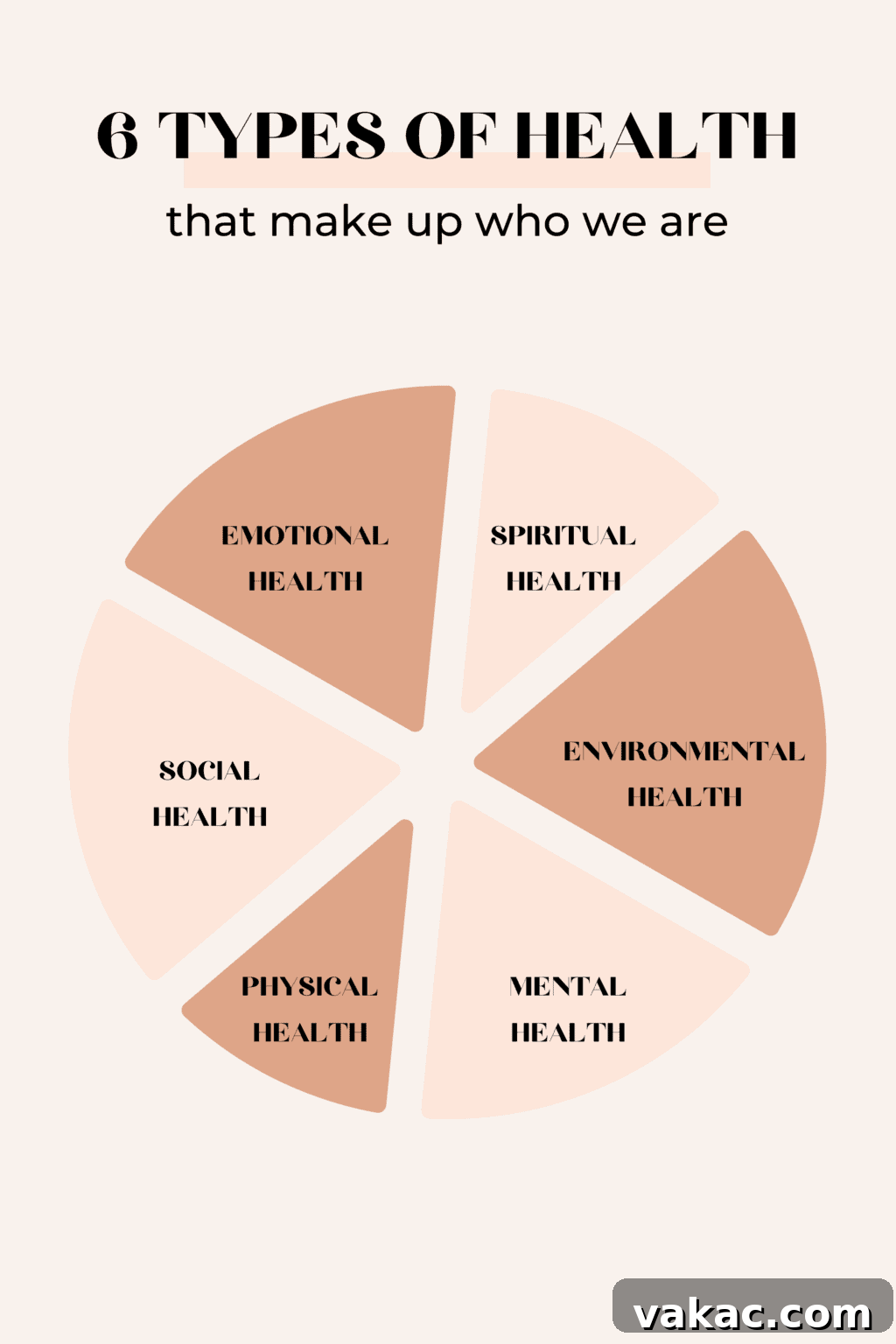
Too often, when we consider the concept of “health,” our minds default exclusively to physical health – diet, exercise, and medical check-ups. However, true well-being is a multifaceted construct, encompassing a far broader spectrum of dimensions. Health is a rich tapestry woven from emotional, spiritual, environmental, mental, and social threads, all existing alongside physical well-being. Neglecting any one of these dimensions can significantly impact our overall vitality and sense of fulfillment. To truly reframe your understanding of health, consider these powerful questions I often pose to my clients:
- If your singular focus remains fixed on achieving physical health, while every other crucial area of your life – your emotional stability, mental clarity, social connections, spiritual growth, and environmental harmony – suffers dramatically, can this truly be classified as genuine health?
- Is the relentless obsession with every morsel of food, the compulsive over-exercising to the point of complete exhaustion or injury, or the deliberate self-isolation driven by an overwhelming fear of losing control around food, genuinely leading you towards your optimized and desired goal of comprehensive health?
By engaging with these questions and consciously understanding and reframing what health authentically means to you, you can cultivate profound self-compassion. This expanded perspective allows you to step decisively out of the detrimental all-or-nothing mentality, recognizing that true health is about balance, integration, and kindness towards yourself, not rigid perfection.
2 – Recognize Nutrition’s Important, Yet Limited, Role
As a registered dietitian, I possess a deep passion for discussing food and firmly believe in the undeniable importance nutrition plays in both the prevention of chronic diseases and the comprehensive support of our overall well-being. However, it’s crucial to understand that when our approach to nutrition is steeped in feelings of shame, driven by deprivation, or overshadowed by regret, its potential utility is drastically warped. In such contexts, nutrition often transforms from being a powerful tool for genuine self-care into a weapon of self-control, used to punish or restrict rather than nourish and support.
One fundamental truth we consistently emphasize to our clients is this: a single meal, a solitary snack, even an entire day, or frankly, even a whole weekend of eating, will not singularly make or break your overall health. Our bodies are incredibly resilient and adaptive, and a holistic view of health acknowledges that isolated dietary choices rarely dictate long-term outcomes. Food, after all, is profoundly more than just mere fuel. It serves as a vibrant conduit for socializing, a powerful catalyst for creating cherished memories, and an essential component in fostering deep and meaningful human connections. We know, from compelling research, that these social bonds are incredibly vital for our mental and physical health. For instance, studies, including significant research conducted at Brigham Young University, have compellingly found that social isolation can be more lethal than smoking fifteen cigarettes a day. This underscores the profound interplay between our social experiences, which food often facilitates, and our longevity and well-being. Embracing food for its social and emotional richness, rather than solely its nutritional profile, is a liberating step towards balance.
3 – Cultivate Mindfulness: Observing Thoughts Without Judgment
For those who have journeyed with us for a while, our unwavering commitment to mindfulness and the practice of neutrally observing our internal experiences, entirely free from judgment, comes as no surprise. If you find yourself noticing a barrage of critical thoughts or being overwhelmed by intense feelings of regret after eating, it’s absolutely paramount to recognize that these reactions are both normal and completely okay. The very first, and arguably most crucial, step towards initiating any meaningful change is the development of self-awareness. Once you truly see these patterns and feelings, you cannot unsee them; they become part of your conscious understanding. Therefore, hold compassionate space for some of these thoughts and beliefs that are emerging, and consciously pause to reflect on some illuminating questions:
- Where did these specific beliefs about food, eating, or your body originate? Were they inherited from family, influenced by media, or shaped by past experiences?
- Are these beliefs 100% true, without any room for doubt or alternative perspectives? Challenge their absolute validity.
- Why do I continue to hold onto this particular belief, even if it causes distress? What perceived benefit or comfort does it offer, however fleeting?
- Is this belief system actively moving me closer to or further away from how I authentically desire to feel in my life on a day-to-day basis? Does it foster peace or anxiety?
The practice of mindfulness extends beyond these reflective questions. It involves bringing full, non-judgmental attention to the present moment while eating. Notice the textures, aromas, and tastes of your food. Pay attention to your body’s signals of hunger and fullness. If your mind wanders to regret or guilt, gently acknowledge the thought without judgment and bring your focus back to the sensory experience of eating. This practice gradually reclaims the act of eating from a source of anxiety to one of conscious engagement and pleasure.
Need some additional guidance to embark on or deepen your mindfulness journey? Explore these valuable blog posts and resources:
- Mindful Eating: A Beginner’s Guide to Cultivating Presence
- Why Am I Eating? Understanding the 3 Types of Hunger
- 5 Practical Steps to Stop Eating Snacks When Bored
- Effectively Shutting Down Food Shamers and Protecting Your Peace
- 10 Core Principles of Intuitive Eating – What It Is and If It’s Right for You
- Exploring the paradigm of Health At Every Size (HAES) for true body acceptance.
4 – Seek Support and Embrace Community on Your Journey
Challenging the deeply entrenched narratives of diet culture and actively combating the pervasive “good” versus “bad” dichotomy surrounding food and eating can often feel like an overwhelming, solitary battle. It’s important to acknowledge that dismantling years of societal conditioning and personal beliefs is an immensely difficult undertaking, and it’s perfectly understandable if it feels too arduous to navigate entirely on your own. If you find yourself longing for a safe, empathetic, and judgment-free space to systematically unpack and unlearn many of these outdated, harmful beliefs, while simultaneously integrating feel-good nutrition practices and fostering a truly peaceful relationship with food, then seeking professional guidance can be transformative.
Working with a qualified counselor or a registered dietitian who is specifically trained in the principles of Intuitive Eating can provide invaluable support. These professionals are equipped to guide you through the complexities of healing your relationship with food, offering personalized strategies, evidence-based insights, and compassionate accountability. They can help you identify the specific triggers for food regret, challenge deeply ingrained diet mentality thoughts, and empower you to reconnect with your body’s innate wisdom and hunger cues. Furthermore, finding a community – whether through support groups, online forums focused on body positivity and intuitive eating, or simply connecting with like-minded individuals – can provide a powerful sense of validation and belonging. Knowing you are not alone in your struggles and successes can reinforce your commitment to food freedom and help sustain your journey towards lasting peace with eating.
Now Over To You: Share Your Insights and Experiences
- Reflecting on your own experiences, when was the most recent occasion you genuinely felt food regret?
- Are there specific types of foods, or particular eating situations, that consistently seem to trigger this challenging feeling for you?
- Are there any other questions or facets of food regret and emotional eating that you feel we might have overlooked in our discussion?
We deeply value your thoughts and experiences. Please feel free to share them with us in the comments section below, fostering a supportive dialogue. Alternatively, you can take a screenshot of your favorite part of this post and share it with your community over on Instagram, making sure to tag @lindsaypleskot.rd! And if you found this insightful post helpful and believe it could benefit someone you know, please don’t hesitate to pass it along to a friend or family member who might also be grappling with food regret and searching for peace.