
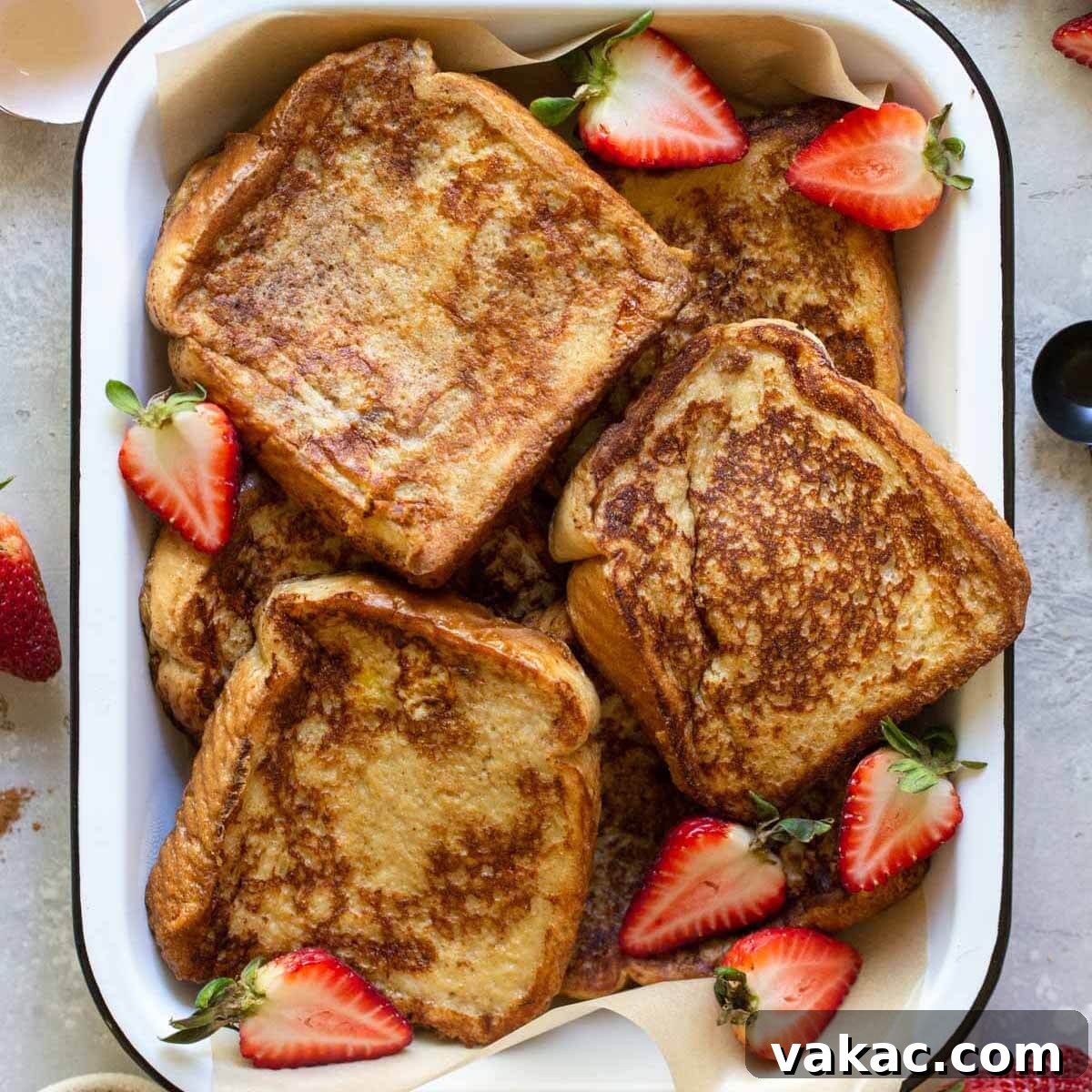
The Ultimate Easy French Toast Recipe: Perfect Every Time
Imagine waking up to the irresistible aroma of warm vanilla and cinnamon, followed by a plate of golden-brown, perfectly fluffy French Toast. This isn’t just a delicious fantasy – it’s an achievable reality with our ultimate easy French Toast recipe. Designed for home cooks of all skill levels, this guide guarantees a flawless outcome every single time, transforming humble bread into a breakfast masterpiece. Whether you’re planning a special weekend brunch, a cozy family breakfast, or a quick, comforting weekday treat, this recipe will walk you through creating French Toast that’s rich in flavor, wonderfully tender, and never soggy. Prepare to impress your taste buds and loved ones with a classic dish that’s truly effortless to prepare and delivers consistent perfection.
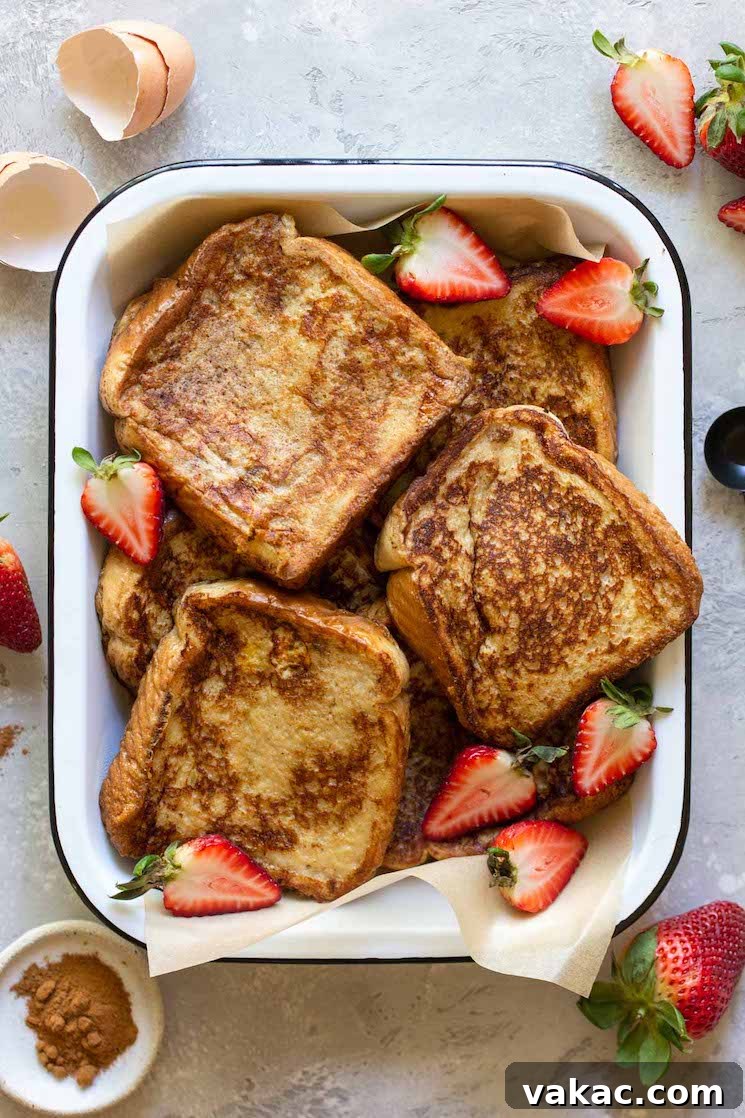
Why This Is The BEST Easy French Toast Recipe
Are you more of a savory or a sweet person when it comes to breakfast? While I deeply appreciate the hearty satisfaction of a savory option, like a flaky buttermilk biscuit, my heart often leans towards the sweeter side, frequently indulging in delights such as banana muffins or delicate scones. However, this French Toast recipe unequivocally stands out as my all-time favorite sweet breakfast option. It’s more than just a recipe; it’s a promise of simplicity, rich flavor, and consistent perfection that will make your mornings brighter.
What elevates this French Toast to such a high standard? Primarily, its incredible ease of preparation. You don’t need advanced culinary skills, obscure ingredients, or specialized equipment to achieve outstanding results. The recipe utilizes simple ingredients that you likely already have stocked in your pantry and refrigerator, making it an incredibly convenient choice for any morning. This eliminates the stress often associated with elaborate breakfast preparations, allowing you to enjoy the cooking process as much as the meal itself. Moreover, this recipe offers remarkable flexibility. It can be effortlessly scaled down to create a cozy breakfast for just two people, or easily scaled up to produce a larger batch, perfect for feeding a hungry crowd during a festive brunch or family gathering, all without compromising on quality or taste.
Beyond its convenience, this recipe serves as a brilliant solution for utilizing day-old or slightly stale bread. Instead of letting those drier slices go to waste, French Toast provides an ideal second life. Stale bread excels at soaking up the rich, creamy custard mixture beautifully, ensuring that the French Toast remains intact and achieves that coveted creamy interior and golden, crisp exterior – the undeniable hallmark of truly great French Toast. This clever trick prevents sogginess, a common pitfall in many French Toast recipes, ensuring a perfectly textured bite every single time. Get ready to transform your ordinary mornings into extraordinary culinary experiences with this universally loved, perfectly simple, and utterly delicious dish.
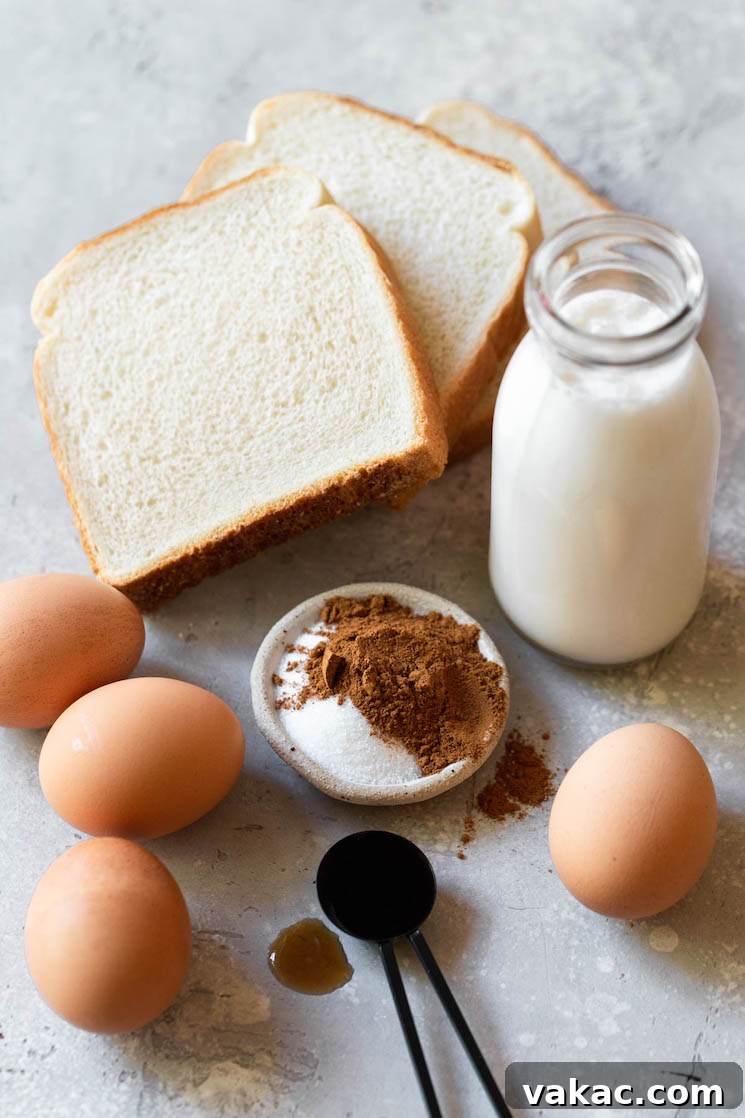
Key Ingredients for Fluffy French Toast Perfection
Crafting the perfect French Toast begins with a clear understanding of the role each ingredient plays. This recipe relies on a harmonious blend of simple, accessible components to achieve its signature rich flavor and irresistible texture. Here’s a detailed breakdown of what you’ll need and why each element is crucial for achieving French Toast perfection:
- Stale Bread (8-10 slices, e.g., Texas Toast): This is arguably the most critical component for superior French Toast. While nearly any kind of bread can be used, its staleness is absolutely non-negotiable. Day-old or even two-day-old bread that’s slightly dried out behaves like a sponge, allowing it to absorb the creamy egg mixture deeply without becoming mushy or falling apart. Thick slices of bread, such as Texas toast, Challah, or Brioche, are particularly excellent choices. Their substantial structure provides a robust base that soaks up the custard wonderfully, resulting in a delightfully rich and custardy center. If your bread isn’t stale, a quick and gentle toast in a low oven (around 250°F / 120°C) for 5-10 minutes can help dry it out effectively.
- Large Eggs (4 large, lightly beaten): As the fundamental building block of our custard, eggs provide essential structure and contribute significantly to the overall richness. Using large eggs ensures there’s ample binding power for the bread and helps create that desirable custardy texture. Lightly beating them before mixing ensures a smooth, lump-free mixture for even coating.
- Heavy Whipping Cream & Whole Milk (½ cup / 120 ml each): This powerful combination is the undisputed secret to achieving incredibly rich, moist, and luxurious French Toast. While using only milk is an option, the strategic addition of heavy cream profoundly elevates the flavor and mouthfeel, delivering a decadent creaminess that truly sets this recipe apart. The higher fat content from the cream enriches the custard, preventing the French Toast from tasting bland or dry, and ensures a truly indulgent and satisfying experience.
- Granulated Sugar (2 tablespoons / 25 grams): Just a subtle touch of granulated sugar is incorporated to enhance the natural sweetness of the bread and perfectly balance the richness of the dairy. Only two tablespoons are used in this recipe, providing a delicate sweetness that can be further complemented by various toppings like pure maple syrup or a dusting of powdered sugar.
- Pure Vanilla Extract (2 teaspoons): Vanilla extract acts as a pivotal flavor enhancer, infusing the French Toast with a warm, aromatic depth that is absolutely quintessential to classic preparations. Always choose pure vanilla extract for the most authentic and robust flavor profile.
- Ground Cinnamon (1 teaspoon): This warm, fragrant spice beautifully complements the vanilla and sugar, adding a comforting and inviting aroma. Cinnamon is a traditional and beloved French Toast enhancer, elevating the overall sensory experience and creating that familiar, nostalgic scent of homemade breakfast.
By thoughtfully understanding and appreciating the individual contribution of each of these simple yet powerful ingredients, you are well-equipped to make French Toast that is not just good, but truly unforgettable and perfectly executed every time.
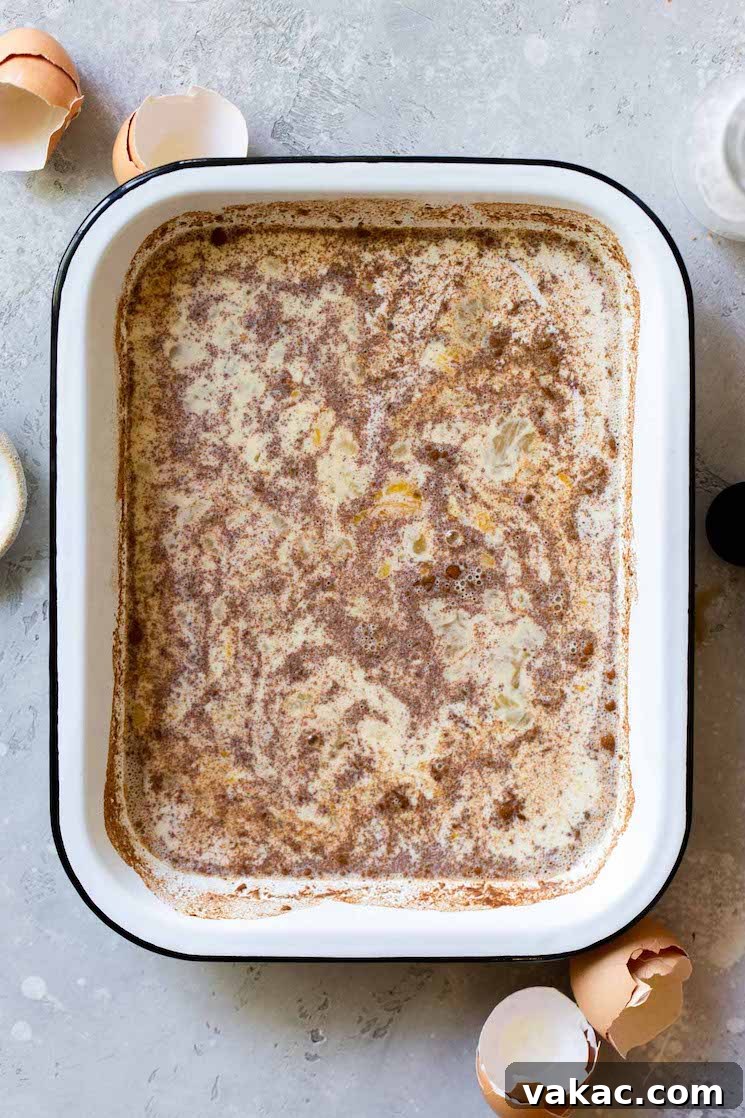
Step-by-Step Guide: How to Make the Best French Toast
Making delicious French Toast is a remarkably straightforward process, but adhering to a few key steps and invaluable tips will ensure a truly spectacular and perfectly cooked result every single time. Follow these detailed instructions carefully to achieve golden-brown, custardy slices:
- Prepare Your Cooking Surface: Begin by placing your griddle or a large, heavy-bottomed skillet over medium heat. Maintaining a consistent medium heat is absolutely crucial for even cooking and achieving that coveted golden, slightly crisp crust without any risk of burning. Lightly grease the surface with butter or a high-quality nonstick cooking spray. This initial preparation step ensures that your French Toast won’t stick and will brown beautifully and evenly.
- The Stale Bread Advantage: As emphasized earlier, utilizing stale bread is your ultimate secret weapon against soggy French Toast. I highly recommend taking your bread out of its packaging the night before and leaving it uncovered on the kitchen counter. This simple act allows it to dry out sufficiently, creating a firmer, more absorbent texture that can readily soak up the creamy egg mixture without disintegrating or becoming waterlogged. If you find yourself short on time, a quick and gentle toast in a low oven (approximately 250°F / 120°C) for 5-10 minutes can effectively help to dry it out.
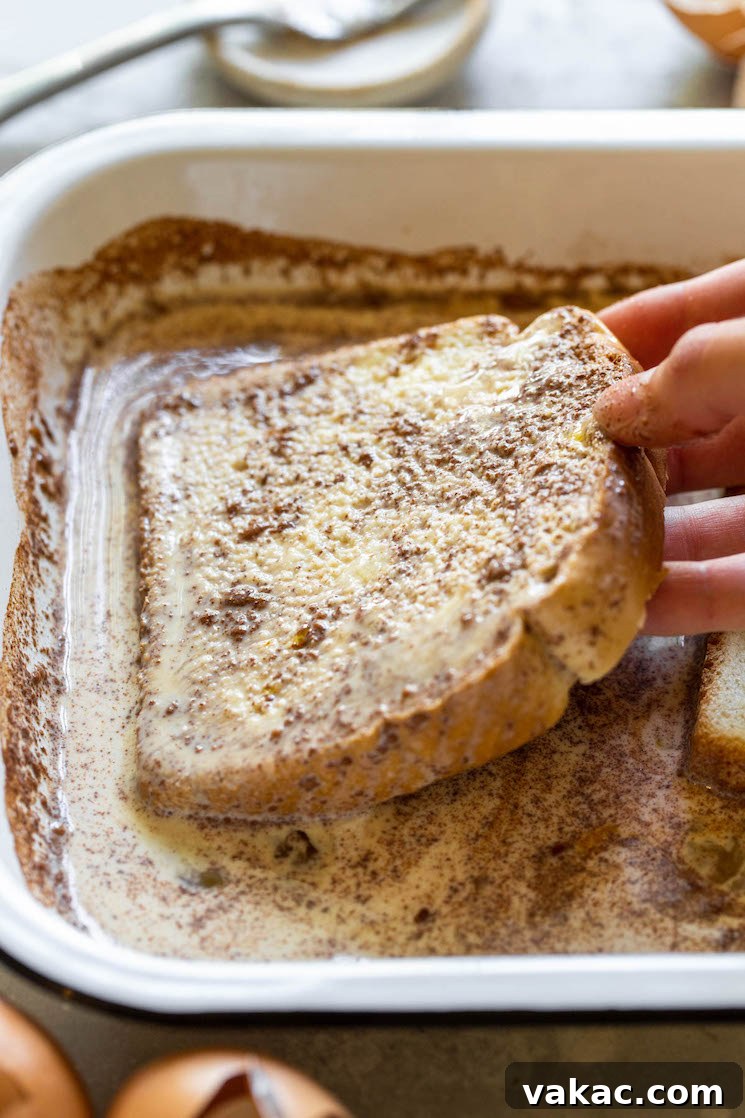
- Craft the Creamy Custard Base: In a large, shallow dish – a baking dish or a pie plate works perfectly for this purpose – vigorously whisk together the eggs, heavy whipping cream, whole milk, and pure vanilla extract. Continue whisking until all ingredients are thoroughly combined and there are no visible streaks of egg yolk remaining. The shallow nature of the dish is purposefully designed to make dipping the bread much easier and significantly more efficient, allowing for full saturation with minimal effort.
- Sweeten and Spice the Custard: In a separate, smaller mixing bowl, whisk together the granulated sugar and ground cinnamon until they are well blended. This seemingly small but crucial step prevents the cinnamon from clumping in the liquid mixture, ensuring a smooth and evenly flavored custard. Once combined, add this cinnamon-sugar blend to your egg mixture and whisk vigorously once more until it is fully incorporated. This ensures an even and consistent distribution of delightful flavor throughout every bite of your French Toast.
- Perfectly Soak Your Bread: Gently submerge each slice of bread into the perfectly prepared egg custard. Allow each side to soak for approximately 30 seconds. This duration is meticulously chosen to be ideal for most medium-thick breads, allowing the bread to fully absorb the rich liquid, which is key to achieving that wonderfully creamy, custardy center. For thicker or denser breads like Texas toast, challah, or brioche, you might consider extending the soaking time slightly to 45 seconds per side to ensure deep saturation. Conversely, thinner sandwich bread may only require a shorter soaking time of 15-20 seconds per side to prevent it from becoming overly soggy. The ultimate goal is thorough saturation without any compromise on texture.
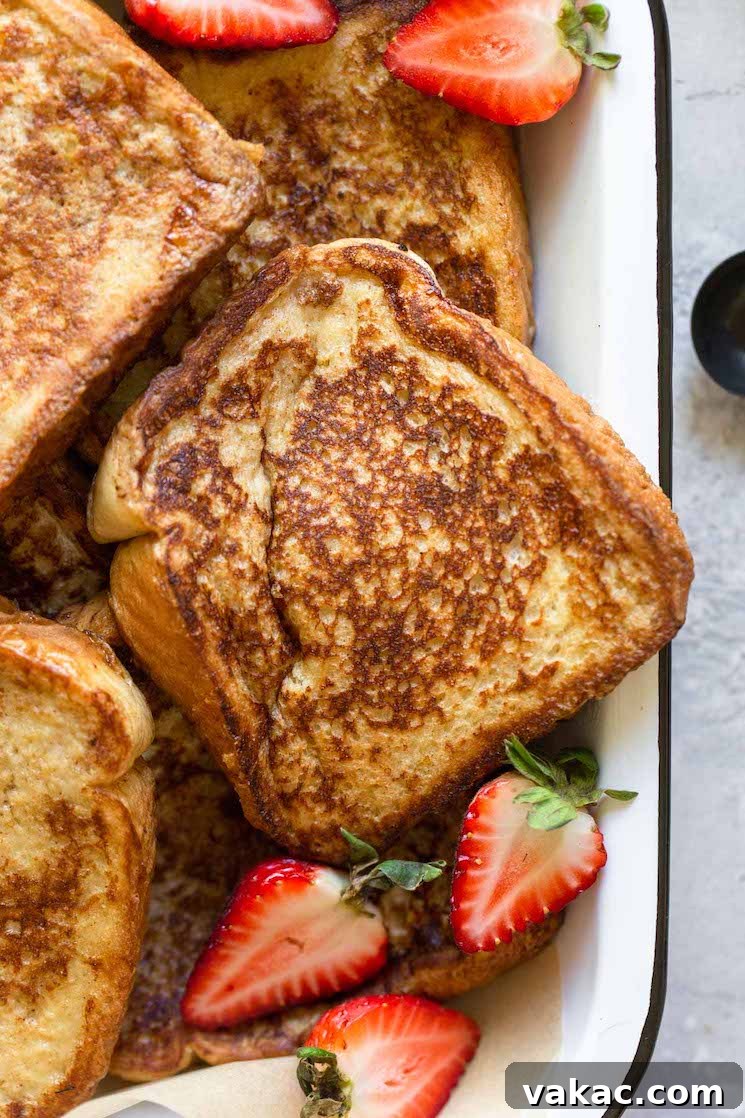
- Cook to Golden Perfection: Carefully place the thoroughly soaked bread slices onto your preheated griddle or skillet. Cook for about 2-4 minutes per side, or until each side develops a beautiful, appetizing golden-brown hue and is cooked through to the center. The precise cooking time will vary slightly depending on your griddle’s exact temperature and the thickness of your bread. Look for a lovely, slightly crisp crust on the outside, indicating perfect caramelization, and a soft, tender interior.
- Serve Immediately for Best Results: French Toast is unequivocally at its peak when served piping hot, fresh off the griddle. Have all your favorite toppings ready and perhaps even warm your plates beforehand to ensure the most delightful and enjoyable experience. Enjoy this classic breakfast staple at its absolute best!
Expert Tips for the Best French Toast
- Always Use Stale Bread: This is the golden rule for French Toast perfection. Stale or day-old bread is essential to prevent the slices from disintegrating into a soggy mess and ensures proper absorption of the custard, leading to that coveted soft, custardy center. If you forget to set your bread out overnight, a quick 5-10 minutes in a low oven (around 250°F / 120°C) can effectively dry it out.
- Choose the Right Soaking Dish: A wide, shallow baking dish or pie plate is a game-changer for preparing the egg mixture. Its design makes dipping the bread incredibly easy and allows you to soak several slices at once, significantly streamlining the cooking process and ensuring even coating.
- Master the Soak Time for Optimal Texture: The duration of your bread’s soak is absolutely crucial for the final texture. For thick breads like Texas toast, challah, or brioche, aim for approximately 30-45 seconds per side to ensure deep saturation and a truly custardy interior. If you’re using thinner, regular sandwich bread, reduce the soaking time to about 15-20 seconds per side to prevent it from becoming overly soggy. A perfectly soaked slice will feel heavy but remain firm.
- Avoid Overcrowding the Griddle: Resist the temptation to overcrowd your griddle or skillet. Cook your French Toast in batches if necessary. Overcrowding significantly lowers the cooking surface temperature, which can lead to uneven cooking, steaming instead of browning, and a less desirable crust. Give each slice ample space to cook evenly and achieve that beautiful golden hue.
- Maintain Consistent Medium Heat: Keep your griddle or skillet at a consistent medium heat throughout the cooking process. Too high, and the exterior will burn before the interior is thoroughly cooked; too low, and the French Toast will absorb too much oil, become greasy, or simply dry out and turn tough. A gentle sizzle when the bread hits the pan is a good indicator of the correct temperature.
- Serve Immediately: French Toast is truly at its peak of deliciousness when served hot off the griddle. Have your chosen toppings ready and even consider warming your serving plates to ensure every bite is enjoyed at its absolute best. The contrasting textures of a warm, slightly crisp exterior and a soft, custardy interior are paramount to the experience.
Delicious Serving Suggestions & Creative Variations
While classic French Toast served with pure maple syrup is undeniably delicious, don’t hesitate to unleash your creativity with a myriad of toppings and exciting variations! Here are some fantastic ideas to elevate your French Toast experience and cater to every craving:
Irresistible Topping Ideas:
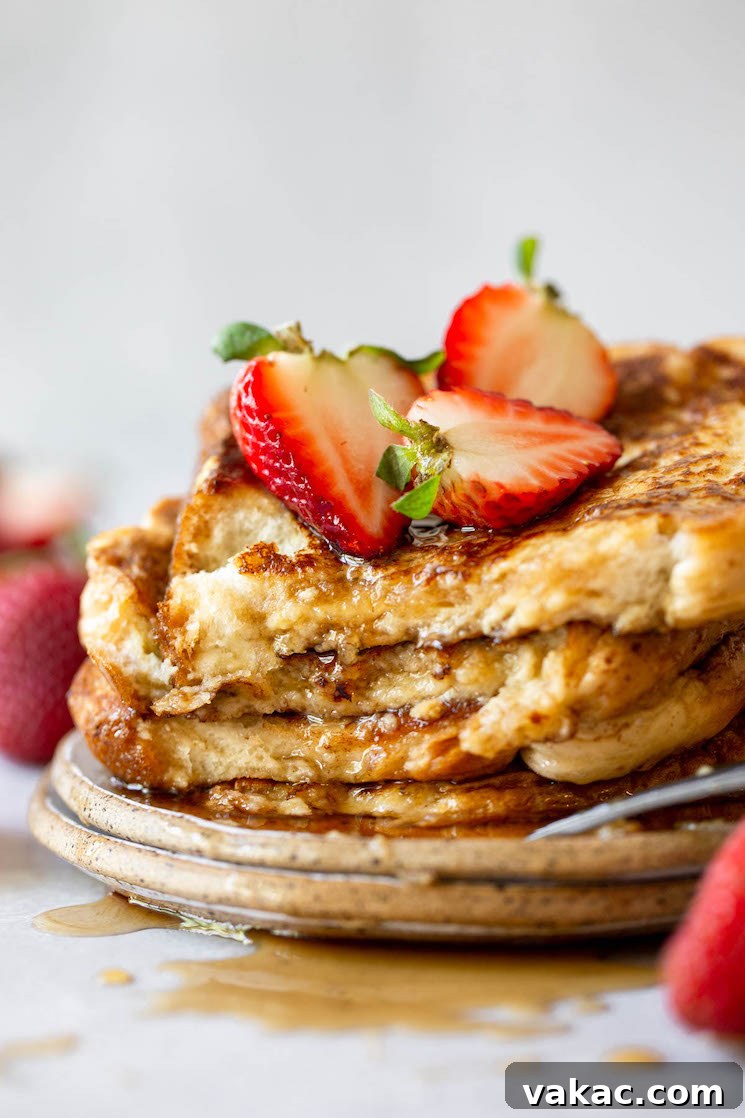
- Pure Maple Syrup: The quintessential and timeless choice. Always opt for high-quality pure maple syrup for the most authentic and rich flavor.
- Fresh Fruit: A vibrant array of berries (strawberries, blueberries, raspberries), perfectly sliced bananas, ripe peaches, or even warm roasted apples add a burst of freshness, natural sweetness, and beautiful color.
- Powdered Sugar: A simple, elegant dusting of powdered sugar provides a refined touch and a subtle layer of sweetness that melts delicately on the warm toast.
- Whipped Cream or Ice Cream: For an utterly indulgent treat, especially perfect for a decadent brunch or a dessert-style French Toast, a dollop of fresh whipped cream or a scoop of vanilla bean ice cream is divine.
- Fruit Compotes or Sauces: Homemade berry compote, a luscious cherry sauce, or warm apple butter can introduce a complex burst of concentrated fruit flavor and offer a sophisticated presentation.
- Toasted Nuts: A sprinkle of toasted pecans, walnuts, or almonds provides a delightful textural contrast and a rich, nutty flavor.
- Chocolate Enhancements: A drizzle of rich chocolate syrup, a sprinkle of mini chocolate chips, or even a shaving of dark chocolate can transform your French Toast into a truly decadent dessert.
- Caramel or Dulce de Leche: For an extra layer of opulent richness and deep sweetness, a generous swirl of warm caramel or velvety dulce de leche is simply heavenly.
Creative French Toast Variations:
- Citrus Infusion: Add a teaspoon of finely grated orange zest or lemon zest to the egg mixture for a wonderfully bright, fresh, and aromatic flavor profile.
- Spiced Twist: Experiment with different warm spices beyond just cinnamon. A pinch of nutmeg, allspice, or even a touch of cardamom can create a unique and intriguing flavor.
- Extract Swaps: Replace some of the vanilla extract with almond extract for a delicate nutty note, or a splash of rum extract for a more complex and sophisticated flavor.
- Stuffed French Toast: For an extra special treat, carefully create a pocket in thicker slices of bread and fill them with sweetened cream cheese, your favorite fruit preserves, or a decadent chocolate hazelnut spread before soaking and cooking.
- Savory French Toast: For a delightful twist, reduce the sugar in the custard to just a pinch, add a dash of salt and freshly ground black pepper. Serve this savory version with crispy bacon, perfectly fried eggs, and a sprinkle of fresh chives for a unique savory-sweet balance.
- Tropical Coconut French Toast: Replace half of the whole milk with an equal amount of full-fat coconut milk and sprinkle the cooked French Toast with toasted coconut flakes for an exotic, tropical flair.
No matter how you choose to serve it, this easy French Toast recipe provides a versatile and robust foundation for countless delicious possibilities, ensuring every breakfast or brunch is a memorable one!
Frequently Asked Questions About French Toast
What’s the best kind of bread to use for French Toast?
For the absolute best French Toast, we wholeheartedly recommend using thick-cut, day-old bread. Our top choices consistently include Texas toast, Challah, or Brioche. These breads possess a wonderful density, a hint of natural sweetness, and a sturdy structure that allows them to absorb the egg custard beautifully without becoming overly soggy. Their thicker slices are key to achieving a luxurious, custardy interior that is the hallmark of truly great French Toast. However, feel free to experiment with other varieties! High-quality French bread, sourdough, or even a good quality sandwich bread can work exceptionally well, especially if they are slightly stale, allowing for proper absorption.
How can I prevent my French Toast from becoming soggy?
This is undeniably the most common concern when making French Toast, and the solution is remarkably simple: always use stale bread! Fresh bread contains an excessive amount of moisture and will quickly turn to an unappealing mush when soaked in the liquid custard. By allowing your bread to sit out uncovered overnight (or even for a full day), it dries out significantly, creating an ideal texture that acts precisely like a sponge for the egg mixture. This crucial step enables the bread to absorb all the delicious flavor and richness without breaking down. Additionally, ensure your cooking surface is consistently at the right medium heat – too low, and the bread will simply sit and absorb moisture; too high, and it will burn on the exterior before the interior has a chance to cook through.
What can I use in place of heavy whipping cream and whole milk?
If you’re seeking alternatives for the dairy components, you can effectively substitute the combined amount of heavy whipping cream and whole milk with an equal total amount (1 cup or 240 ml) of half-and-half. This will still yield a wonderfully rich French Toast, though it might be slightly less decadent than when using the full cream. Another option is to use solely whole milk for the entire liquid portion, but please keep in mind that the resulting French Toast will not possess quite the same level of richness or creamy texture that the cream provides.
Can I make French Toast ahead of time?
French Toast is truly at its peak when enjoyed immediately after it’s cooked, where its texture is at its finest – gloriously crispy on the outside and wonderfully custardy on the inside. However, if you need to prepare it in advance, you can cook it fully and then arrange the slices in a single layer on a baking sheet. Reheat them gently in a toaster oven or a regular oven at around 300°F (150°C) until they are warmed through and regain some crispness. Microwaving is generally not recommended for reheating French Toast, as it tends to make the texture rubbery and less appealing.
How do I store leftover French Toast?
To store leftover French Toast, wrap the cooled slices tightly in plastic wrap or aluminum foil, or place them in an airtight container. They will keep well in the refrigerator for 1-2 days. For longer-term storage, cooked French Toast can be successfully frozen for up to 1 month. To freeze, first arrange the cooled slices in a single layer on a baking sheet and freeze until solid. Once frozen, transfer them to a freezer-safe bag, placing sheets of parchment paper between slices to prevent them from sticking together. Reheat from frozen in a toaster oven or a conventional oven until thoroughly warm and slightly crispy.
More Delicious Homemade Breakfast Recipes
- Easy Blueberry Muffins: Light, fluffy, and bursting with fresh blueberries – a perfect morning treat.
- Homemade Cinnamon Rolls: Discover my grandmother’s cherished recipe for tender, gooey, and utterly irresistible cinnamon rolls.
- Blueberry Banana Baked Oatmeal: A wholesome, comforting, and convenient make-ahead breakfast option.
- Lemon Poppy Seed Muffins: Zesty, moist, and delightfully flavored muffins, ideal for any morning.
Recipe Card: The BEST French Toast
The BEST French Toast
5 from 3 ratings
Prep Time: 20 mins
Cook Time: 15 mins
This French Toast is incredibly easy to make with just a few ingredients and turns out perfect every single time. Serve it with some pure maple syrup or fresh fruit for a simple breakfast or brunch!
Pin Recipe
Leave a Review
Ingredients
Servings: 4 servings
- 4 large eggs, lightly beaten
- ½ cup (120 ml) whole milk
- ½ cup (120 ml) heavy whipping cream
- 2 teaspoons pure vanilla extract
- 2 tablespoons (25 grams) granulated sugar
- 1 teaspoon ground cinnamon
- 8-10 slices day-old Texas toast (or other thick bread like Challah or Brioche)
Instructions
- Preheat a griddle or a large skillet to medium heat and lightly spray with nonstick cooking spray or brush with butter.
- In a shallow baking dish, whisk together the 4 large eggs, ½ cup whole milk, ½ cup heavy whipping cream, and 2 teaspoons pure vanilla extract until fully combined and smooth.
- In a separate small mixing bowl, whisk together the 2 tablespoons granulated sugar and 1 teaspoon ground cinnamon. Add this cinnamon-sugar mixture to the egg mixture and whisk again until thoroughly combined.
- Soak each slice of day-old bread in the egg mixture for approximately 30 seconds on each side, allowing any excess liquid to drip off back into the dish.
- Place the soaked bread on the preheated griddle or skillet and cook for about 2-4 minutes per side, or until each side is beautifully golden brown and cooked through.
- Serve immediately with pure maple syrup, fresh fruit, a dusting of powdered sugar, or your preferred toppings.
Notes
This French Toast is truly best served right after it’s prepared to enjoy its optimal texture and warmth. Leftovers can be wrapped tightly and stored in the refrigerator for 1-2 days, then gently reheated before serving. For best reheating results, use a toaster oven or a conventional oven.
Heavy Whipping Cream & Whole Milk Substitution: You may replace both of these dairy components with a total of 1 cup (240 ml) of half-and-half for a slightly less rich but still wonderfully delicious result.
Bread Selection: While Texas toast is highly recommended for its thickness and ability to soak up the custard, feel free to use other thick, day-old breads such as French bread, Challah, or Brioche. If you opt for thinner regular sandwich bread, reduce the soaking time to approximately 15-20 seconds per side to prevent it from becoming overly soggy.
Cuisine: American
Course: Breakfast
Author: Danielle Rye
Did you make this recipe?
Mention @livewellbakeoften on Instagram or tag #livewellbakeoften.