
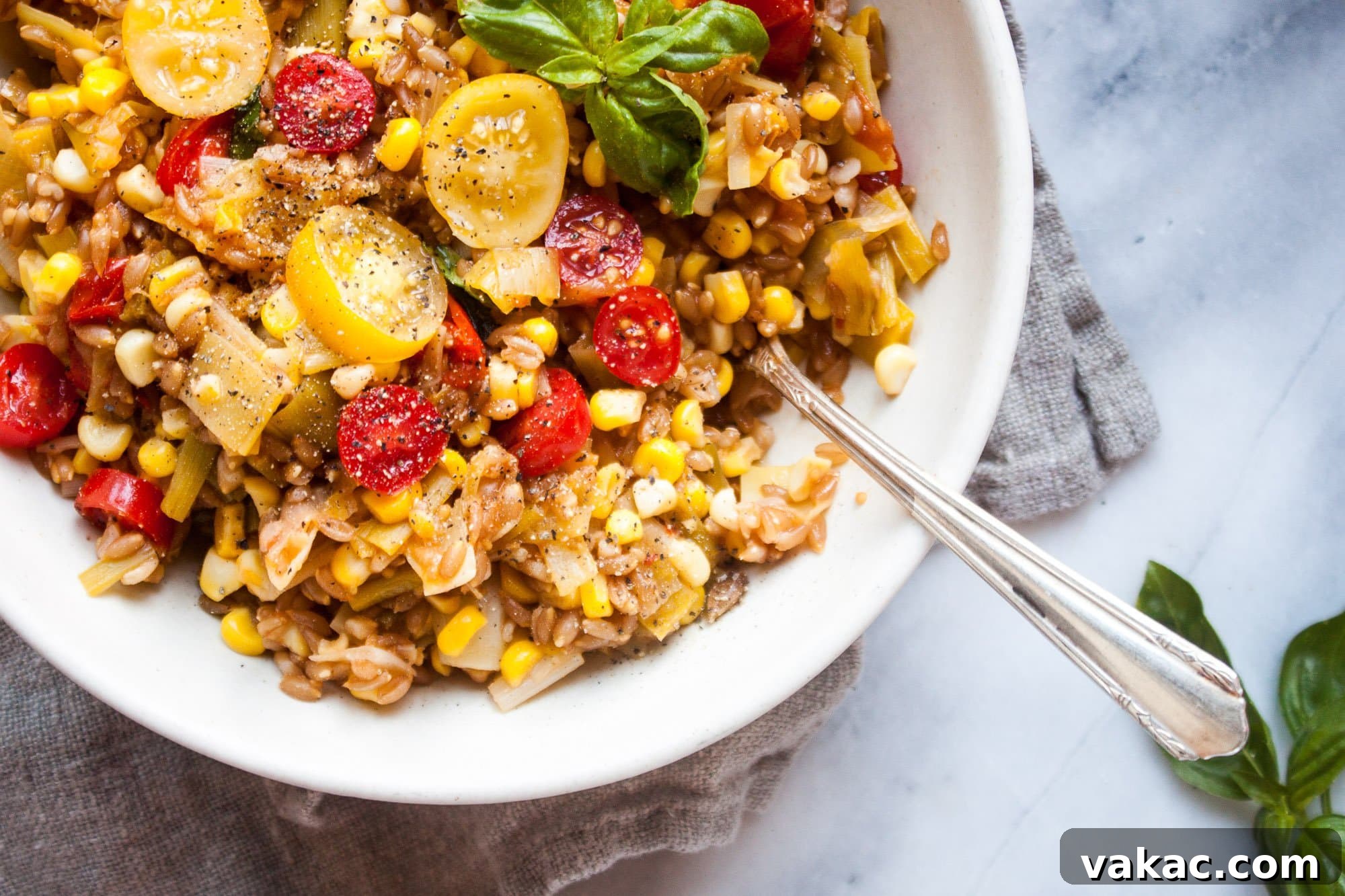
Recipe and Photo by GRAIN
Beyond Trends: Embracing Mindful and Local Eating for a Healthier Future
Every now and then, an experience comes along that profoundly shifts your perspective, especially when it concerns something as fundamental as food. This post delves into one such transformative experience: my recent attendance at the EAT! Vancouver Food + Cooking Festival, where I had the privilege of joining the insightful Food Trends and Tasting Panel. It was more than just an event; it was a journey into the heart of our food system, offering a fresh lens through which to view what we eat and why.
My passion for culinary exploration means I’m constantly seeking fresh inspiration—new ideas, unique ingredients, and innovative products to elevate my kitchen creations. So, when an invitation arrived for an evening dedicated to connecting with incredible local producers, complete with an abundance of delectable samples, I knew it would be an extraordinary night. The spread was nothing short of spectacular, a testament to the vibrant local food scene. Imagine indulging in the distinct flavor of Terra Breads’ Turmeric Pistachio Granola, savoring succulent Turkey Sliders from Rossdown Farms, experiencing the rich complexity of raw vegan chocolate from Zimt Chocolates, and enjoying the creamy texture of Coconut Lime Yogurt from Tree Island Yogurt. And for a true cheese enthusiast like myself, the farm-fresh selections from Farm House Natural Cheeses were simply the key to my heart. It was a curated collection of local excellence that I couldn’t have improved upon myself.
Beyond the delightful mingling and sampling, which were undoubtedly highlights, the evening offered a deeper dive into the dynamic world of food. The panel discussion that commenced the night was brimming with captivating insights, providing an exclusive peek behind the curtain of current happenings in the food industry. This valuable exchange laid the groundwork for understanding not just what’s popular, but what truly matters in our plates.
And speaking of what matters, I know many of you share my love for discovering new, inspiring recipes. That’s why I’m thrilled that GRAIN generously shared one of their most beloved recipes: the One Pan Farro with Tomatoes, Leeks & Corn (featured in the image above). This wholesome and easy-to-prepare dish perfectly embodies the principles of delicious, real food we explored during the festival. Make sure to check it out below!
Deconstructing Food Trends: Beyond Buzzwords
The event, as its name suggests, was centered around food trends. However, it presented a remarkably different approach from the usual superficial discussions of “what buzzwords will sell products this year?” or “what’s the next superfood sensation?” While the panel acknowledged successful products and dishes from the previous year and anticipated future culinary directions, a significant portion of the conversation focused on the deeper mechanics of trends: what makes them emerge, what causes them to fade, and crucially, their profound positive and negative impacts on our health and society. It was a refreshing departure, moving beyond fleeting fads to examine the underlying currents that shape our food landscape.
Among the many fascinating topics discussed, one particular trend captivated everyone, leaving foodies everywhere buzzing with excitement:
The Local Food Movement: A Lasting Shift
EATING LOCAL.
The term “trend” often carries a somewhat negative connotation, implying something ephemeral, driven by fleeting popularity or even misguided reasons. So, should we truly consider “eating local” just another trend? Sarah Stewart of Juniper Kitchen & Bar offered a compelling perspective, explaining that many trends are, in fact, reactions to past failures. This nuanced view allowed us to appreciate the current emphasis on local food as something potentially more enduring.
We are all too familiar with the **disastrous** consequences of the “fat-free” and “low-calorie” craze that swept through the food industry decades ago. This well-intentioned but misguided movement instilled in us an unnecessary fear of fats—even those nourishing, delicious, and now scientifically recognized as health-promoting, such as avocados, olive oil, nuts, and seeds. Our supermarket shelves became inundated with an endless array of overly-processed, refined foods, marketed with deceptive health claims. This widespread shift propelled us further away from real, whole foods, leaving our bodies confused, often unhealthy, and certainly not thriving.
Sarah eloquently argued that the current movement towards eating whole, local, and high-quality foods is a direct, positive reaction to that past dietary disaster. She prefers to refer to it as a “movement” rather than a mere “trend,” underscoring its potential for long-term, systemic change. This distinction is vital because a movement implies deeper roots, a fundamental shift in values, and a more sustainable trajectory. We can only hope that this is indeed the start of something truly good and lasting.
The Enduring Power of Local: Health, Economy, Environment
So, is this “trend” of embracing whole, local foods one that will genuinely endure? The resounding answer from panelists, local producers, and the audience alike was a hopeful and enthusiastic “yes!” The benefits of eating local are multi-faceted and compelling, extending far beyond personal health:
- Fresher, More Nutrient-Dense Foods: When food travels shorter distances from farm to table, it retains more of its essential vitamins, minerals, and antioxidants. Produce picked at peak ripeness, rather than prematurely for shipping, offers superior nutritional value.
- Enhanced Flavor: Locally grown produce is often chosen for its taste and quality, not just its ability to withstand long-distance transport. This means you get to enjoy fruits and vegetables that are bursting with natural flavor, making every meal a more delightful experience.
- Support for the Local Economy: Buying local keeps money within the community, supporting small farms and businesses. This fosters economic growth, creates jobs, and helps maintain the unique character of our regions.
- Environmental Stewardship: Reduced transportation distances mean a smaller carbon footprint. Additionally, many local farms prioritize sustainable and organic farming practices, which protect soil health, water resources, and biodiversity.
- Increased Transparency and Trust: Eating local often means knowing your farmer and understanding the methods used to grow your food. This direct connection builds trust and provides peace of mind about the quality and ethics behind your purchases.
- Seasonal Eating: Embracing local foods encourages seasonal eating, which reconnects us with the natural cycles of agriculture and offers a broader variety of foods throughout the year, challenging us to be more creative in the kitchen.
These collective benefits represent a holistic win for individuals, communities, and the planet. While challenges like availability and cost can arise, the growth of farmers’ markets, community-supported agriculture (CSAs), and local food initiatives is making it increasingly accessible for everyone to participate in this vital movement.
Transparency and Education: Empowering Informed Choices
Beyond the local food movement, Denise Breyley, the chief forager at Whole Foods Market, shared her hopes for a future where consumers are empowered by clear labeling laws, greater transparency, and comprehensive education. She envisions a world where we no longer need to rely on flashy, often misleading health claims to decipher what is truly healthy. With a combination of honest, transparent information readily available and an abundance of whole foods that require minimal (or no) labeling, we would be equipped to make genuinely informed decisions about what we choose to nourish our bodies with.
I must confess, I’m quite envious of Denise’s incredible role. She isn’t the type of forager who rummages through forests for wild mushrooms—though that would be equally fascinating! Instead, Denise dedicates her time to discovering and testing the products of individuals and businesses doing truly innovative and impactful things with food. Her mission is to share the compelling stories behind our food: where it originates, how it reaches our plates, and most importantly, to champion the local producers who pour so much love, care, and meticulous attention into cultivating and sharing their exceptional, high-quality goods. Her work underscores the profound connection between producer and consumer, a bridge built on integrity and passion.
Key Takeaways for Mindful Eating
I left the evening feeling deeply inspired about the positive direction our food system is headed and reinforced with several crucial reminders for a more conscious approach to eating:
- Eat Consciously: This means truly listening to your body and understanding its authentic needs. It involves slowing down, savoring each bite, and making time to fully enjoy the sensory experience of food. Instead of mindlessly rushing through a meal, like stuffing down half a box of cereal in your car on the way to work, imagine craving a fresh, flaky croissant. The conscious approach is to sit down at a cozy café, appreciate its aroma, texture, and taste, and fully immerse yourself in the moment. It’s about being present with your food, not just consuming it.
- Eat in Moderation: Embrace and appreciate good quality food rather than consuming mass quantities of something merely satisfactory. The difference is profound. I guarantee that a small, exquisite piece of high-quality Brie cheese, savored slowly, will offer far more satisfaction and nourishment than half a package of processed, plasticky cheese eaten without thought. Moderation, in this sense, isn’t about deprivation, but about maximizing enjoyment and nutritional value through quality choices.
- Eat Food, Not Nutrients or Health Claims: Learn to evaluate a product in its entirety, looking beyond the flashy marketing words or isolated ingredients that promise miraculous results, like “guaranteed weight loss.” Focus on whole, unprocessed foods that don’t need extensive labels or health claims. Understand that food is complex, and its benefits come from the synergy of all its components, not just a single “super” ingredient or a cleverly worded advertisement.
This entire experience at the EAT! Vancouver Food + Cooking Festival undeniably prompted me to slow down and invest more thought into the origins of my food, the producers I support, and, ultimately, what I introduce into my body. It served as another powerful lesson in Mindful Eating, reinforcing the profound truth that food transcends its role as mere fuel. It is a vibrant medium through which we engage with and share our culture, celebrate cherished traditions, and revel in the profound love, comfort, and vital nourishment that good, wholesome foods consistently provide. By embracing these principles, we don’t just eat; we connect, we thrive, and we truly live.
Recipe from eatgrain.ca
The Feel-Good Meal Plan My Bestselling Cookbook is Now Available!
A fresh take on meal prep with over 100 nourishing recipes to feed your family with ease.

One Pan Farro with Tomatoes, Leeks & Corn
- Author: Lindsay Pleskot
- Prep Time: 5 minutes
- Cook Time: 55 minutes
- Total Time: 1 hour
- Yield: 4–6 servings 1x
- Category: Lunch
- Method: Stove Top
- Cuisine: Mediterranean
- Diet: Vegetarian
Description
Hearty farro provides a delicious base for this grain salad. Serve with your favorite protein for dinner or bring as is to your next potluck! Also great as a batch prep salad for a week day lunch you’ll look forward to all week! Vegetarian, can be made vegan by subbing the parmesan cheese for nutritional yeast.
Ingredients
- 4 cups water
- 1 cup GRAIN Farro
- 2 cobs corn, kernels removed (or 2 cups frozen corn)
- 2 chopped leeks, whites only
- 2 cloves garlic, minced
- 9 ounces cherry tomatoes, halved or quartered
- 1 1/4 teaspoons kosher or coarse sea salt
- Up to 1/4 teaspoon red pepper flakes (to taste)
- 1 tablespoon olive oil, plus extra for drizzling
- Fresh basil leaves, cut into thin ribbons
- Grated parmesan cheese, for serving (optional)
Instructions
- Place water and GRAIN Farro in a medium saucepan and bring to a boil. Once boiling, bring to a simmer and cook, covered, until beginning to get tender, about 25 minutes.
- While the Farro pre-cooks, prepare the other ingredients and set aside. At the 25 minute mark, remove the lid and add the leeks, corn, garlic, tomatoes, olive oil, salt, and red pepper flakes. Set a timer for 30 minutes and bring the uncovered pan (no lid necessary) up to a boil, then reduce to a gentle simmer, stirring occasionally.
- When the timer rings, the Farro should be perfectly cooked (tender but with a meaty chew), seasoned and the cooking water should be almost completely absorbed. If needed, cook it for 5 or so additional minutes, until the Farro is more tender and all of the water is absorbed.
- Transfer to a wide serving bowl. If there’s enough leftover cooking liquid to be bothersome, simply use a slotted spoon to leave the amount you wish to behind. Drizzle Farro lightly with additional olive oil, scatter with basil and parmesan. Eat immediately. (Repeat tomorrow).
Notes
- Make it vegan by subbing nutritional yeast for the parmesan cheese
- Alternative vegetables to add or swap in: zucchini, bell peppers or patty pan squash
We hope you enjoy preparing and savoring this delightful dish as much as we do!
LIKE IT? SHARE IT!