
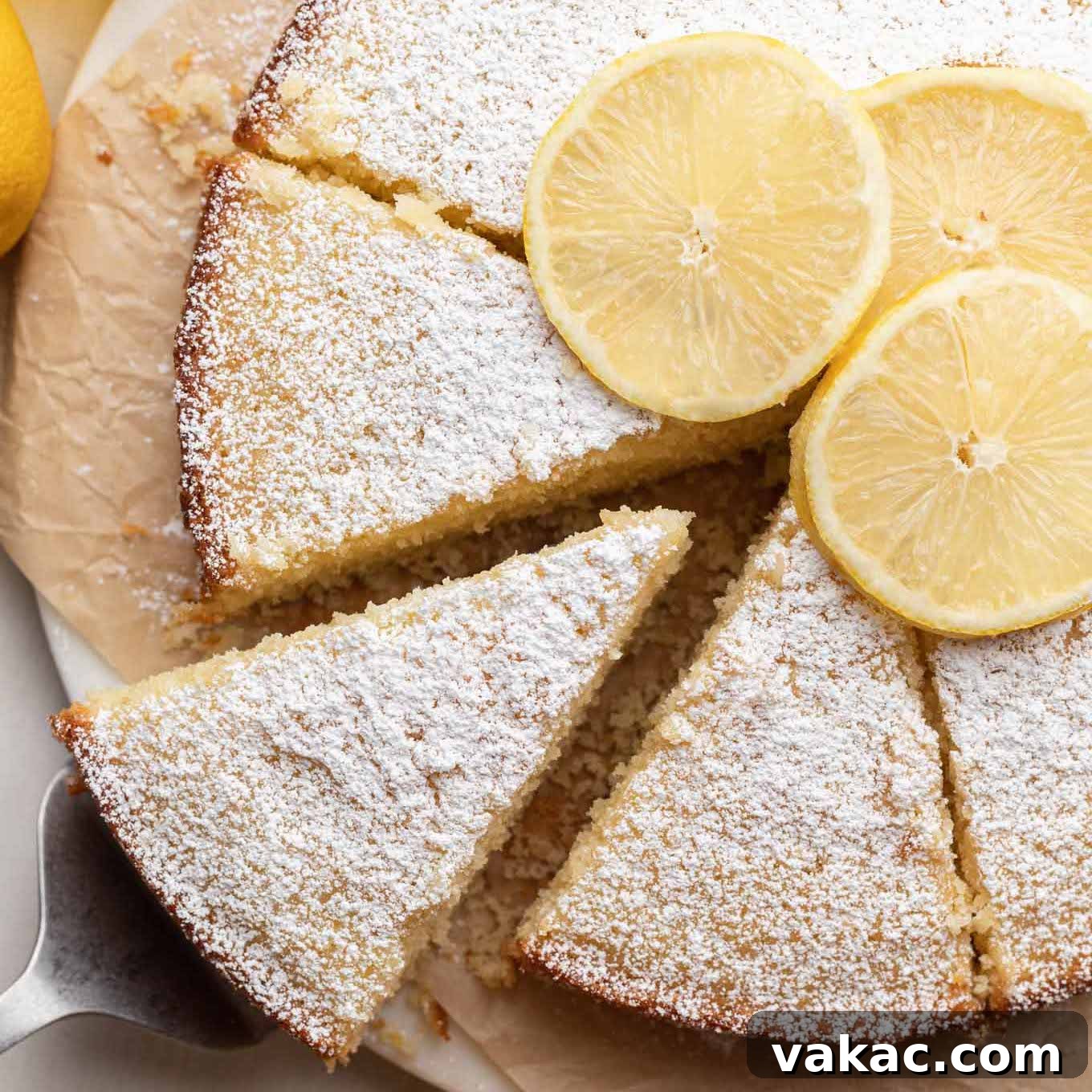
Delightfully Moist Lemon Olive Oil Cake: A Taste of the Mediterranean
Prepare to be enchanted by this incredibly moist and flavorful Lemon Olive Oil Cake. Infused with the richness of high-quality olive oil and the tangy tenderness of buttermilk, each slice boasts a bright, bold lemon flavor derived from fresh juice and aromatic zest. This versatile cake is exquisite enough for a special dessert, yet wonderfully simple for an everyday treat alongside your morning coffee or afternoon tea, offering a delightful culinary escape to the Mediterranean.
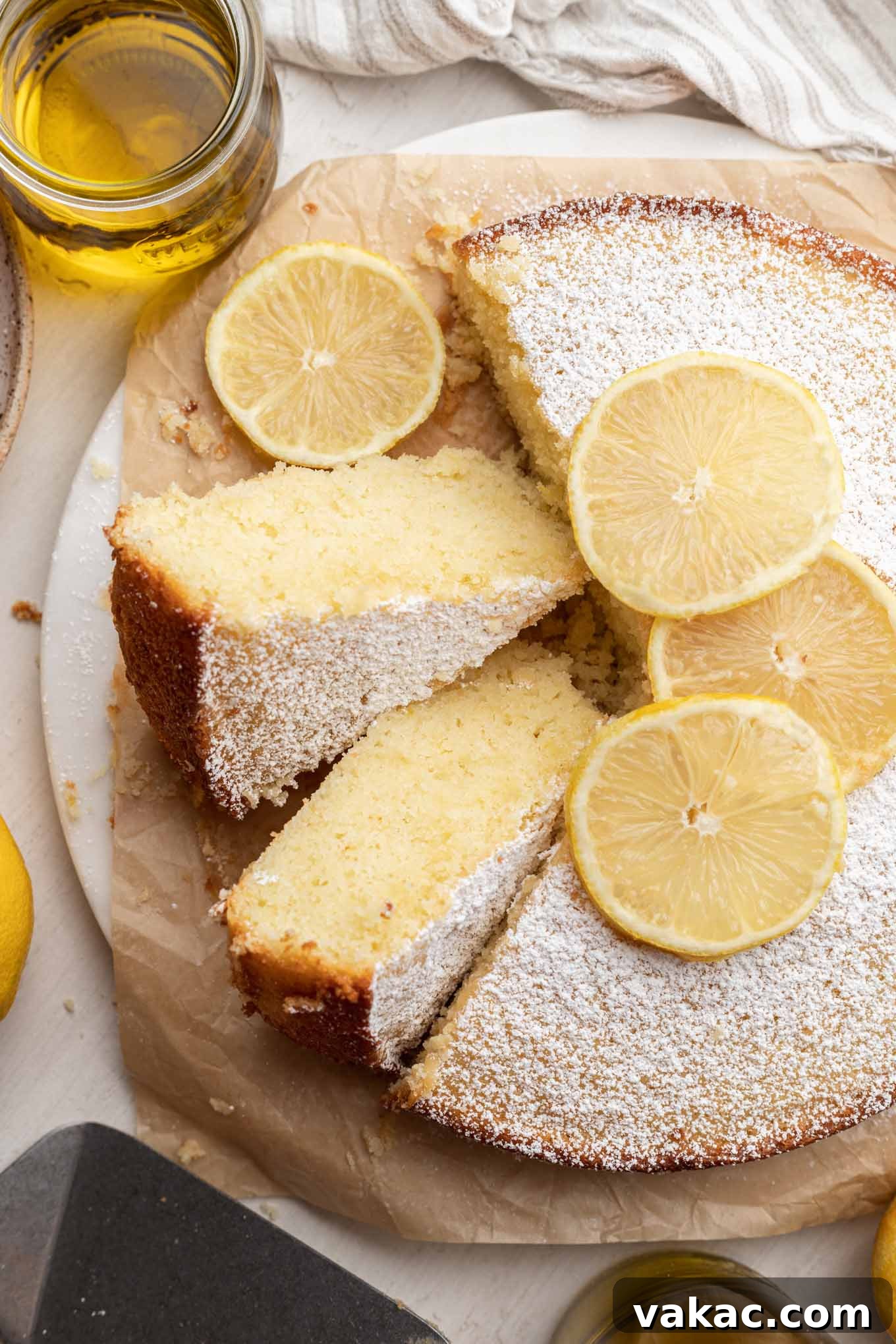
Why Bake with Olive Oil? Unlocking Superior Moisture and Flavor
The notion of incorporating olive oil into cake batter might initially surprise those accustomed to butter or vegetable oil in baking. However, using olive oil is a time-honored tradition in Mediterranean cuisine, and for compelling reasons! Olive oil is a true game-changer in baked goods, offering several distinct advantages that elevate a simple cake into an extraordinary dessert:
- Unparalleled Moisture and Extended Freshness: Olive oil keeps cakes supremely moist, ensuring a tender, delicate crumb that remains fresh and delightful for days longer than cakes made with butter or other oils. Its liquid nature helps prevent gluten development, contributing to a softer texture.
- Complex and Nuanced Flavor Profile: Unlike neutral vegetable oils, a good quality extra virgin olive oil contributes a subtle, yet sophisticated, flavor. It introduces notes that can range from fruity and grassy to slightly peppery, adding an incredible depth that complements the bright lemon perfectly. This natural complexity automatically makes simple desserts like this lemon olive oil cake taste more interesting and nuanced, providing a gourmet touch without extra effort.
- A Lighter Texture: Olive oil cakes often have a distinctly lighter and airier crumb compared to butter-based cakes, which can sometimes feel heavier. This delicate texture allows the flavors to shine through beautifully.
This Lemon Olive Oil Cake recipe effortlessly blends the rustic charm of Mediterranean flavors with the comforting familiarity of a classic lemon cake. It’s an accessible recipe, relying on just a few basic ingredients that are likely already staples in your pantry and refrigerator, making it a perfect choice for bakers of all skill levels.
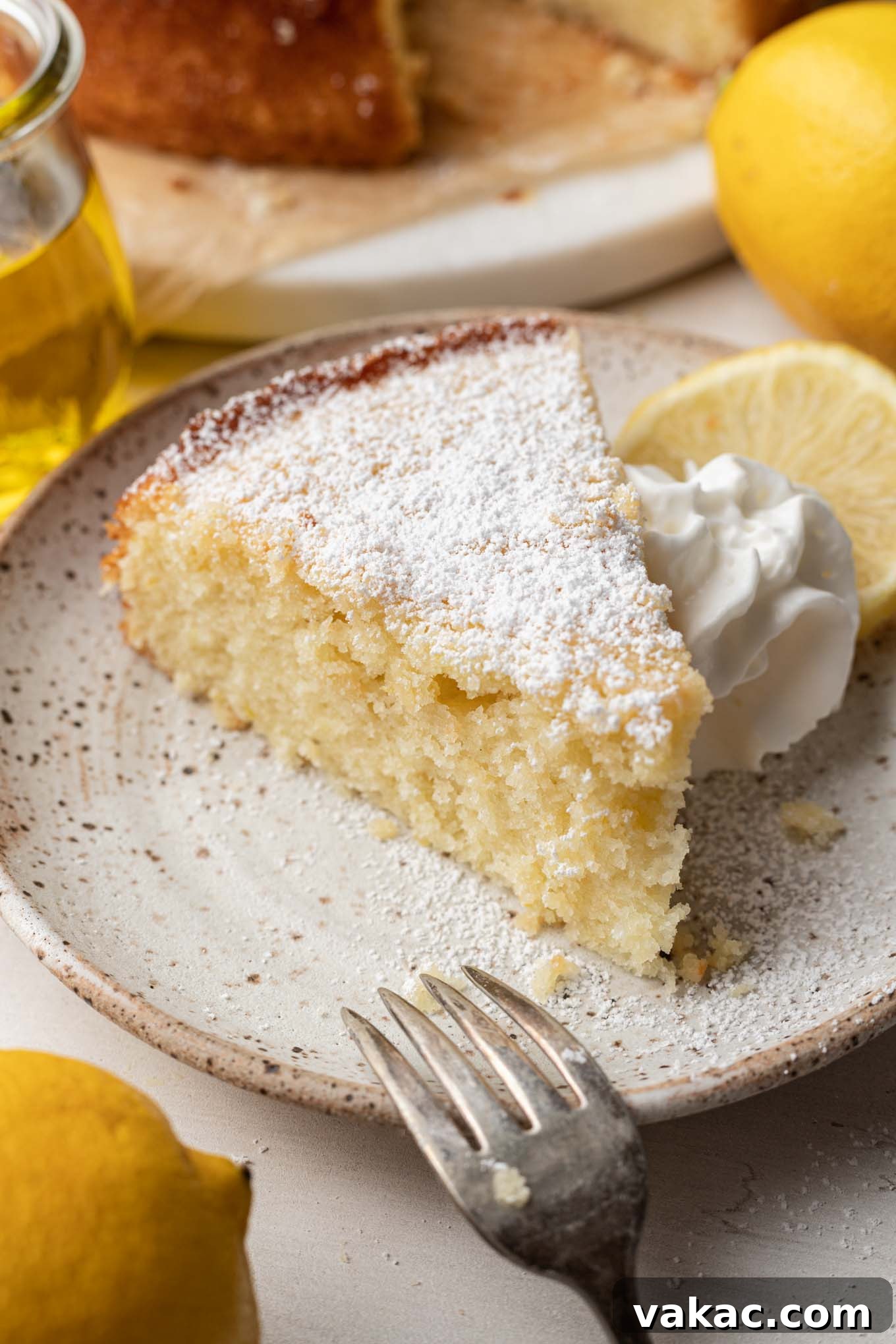
Since this exquisite cake is traditionally served without a heavy frosting, its natural beauty and balanced flavors shine. This makes it wonderfully versatile – ideal for a sophisticated dessert following a meal, yet perfectly fitting for a more casual indulgence with your morning cup of coffee or an afternoon herbal tea. If you’re presenting it for dessert, I highly recommend elevating each slice with a generous dollop of freshly whipped cream, perhaps lightly sweetened with vanilla, and a colorful scattering of fresh seasonal berries like raspberries, blueberries, or sliced strawberries. These additions provide a lovely contrast in texture and a burst of complementary flavors, making every bite a memorable experience.
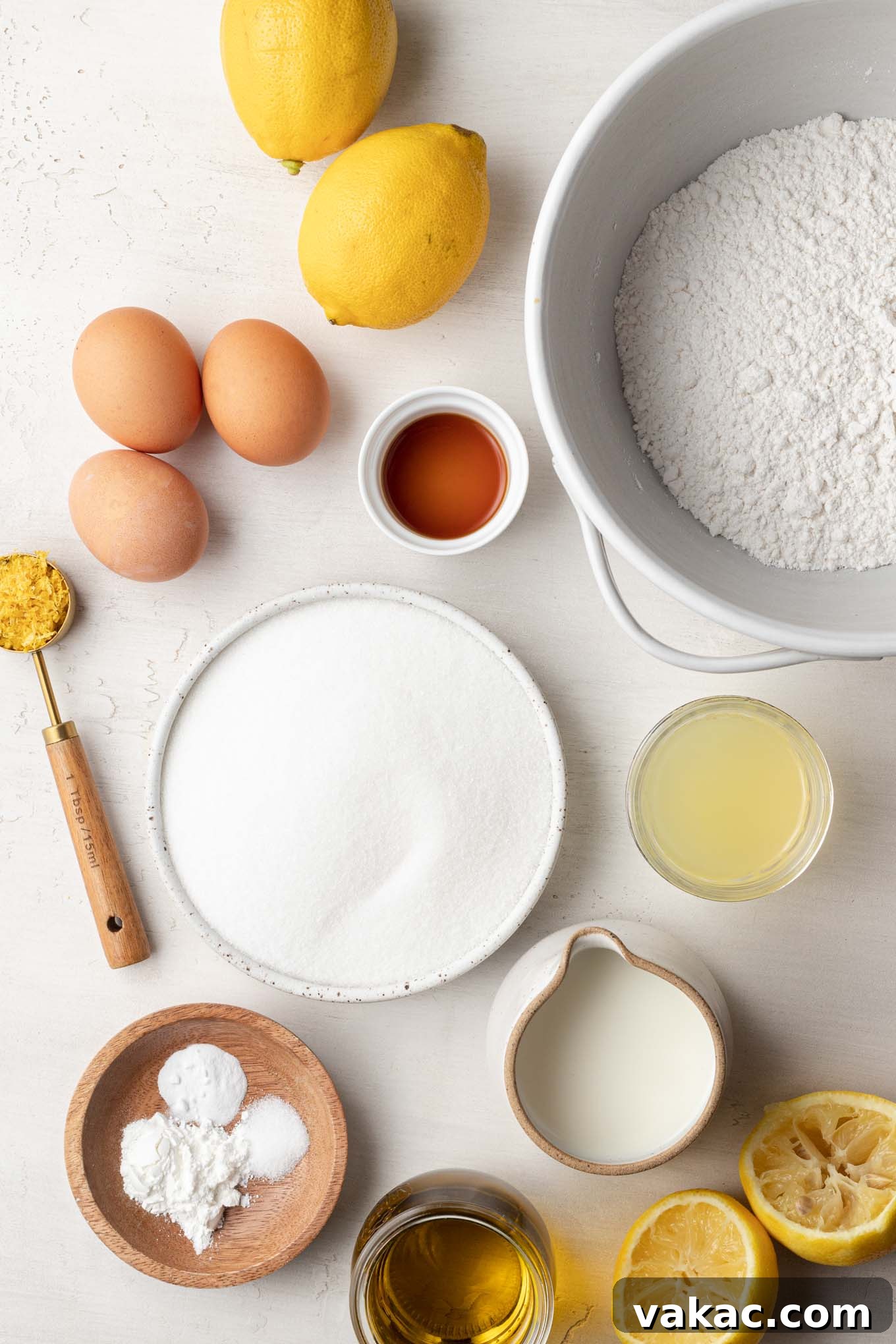
Essential Ingredients for Your Perfectly Moist Lemon Olive Oil Cake
Crafting this delightful, whisk-together lemon cake involves a thoughtful selection of components, each playing a vital role in achieving its signature moist texture and vibrant, refreshing lemon flavor. While the full, precise ingredient list can be found in the dedicated recipe card below, let’s delve deeper into the key elements that truly make this olive oil cake exceptional:
- Extra Virgin Olive Oil (EVOO): This is undeniably the star of our show! I wholeheartedly recommend using a high-quality extra virgin olive oil. Its inherent robust, fruity notes and often subtle peppery finish impart an incredible depth of flavor that simply cannot be replicated by a neutral oil. Don’t let the idea of olive oil in a sweet treat deter you; the generous amount of fresh lemon zest and juice in this recipe provides a perfect counterpoint, creating a harmonious and balanced flavor profile where neither element overpowers the other. For those new to baking with EVOO and feeling a bit hesitant about a strong olive presence, a milder regular olive oil or even a “light” olive oil can be used, though be aware that you’ll sacrifice some of that desirable complex flavor.
- Fresh Lemons: You’ll typically need approximately 2 to 3 medium-sized, bright yellow lemons to yield both the required fresh lemon juice and a full tablespoon of intensely aromatic lemon zest. The zest is particularly crucial here, as it contains the concentrated essential oils of the lemon, imparting a much more intense, bright, and authentic citrus flavor than juice alone. Always remember to zest your lemons before cutting them for juice to ensure maximum yield and ease.
- Cake Flour: The secret weapon for an exceptionally tender and soft cake crumb. Cake flour boasts a lower protein content compared to all-purpose flour, which helps to minimize gluten development during mixing. The result is a finer, more delicate, and melt-in-your-mouth texture that is characteristic of premium cakes. If cake flour isn’t a staple in your pantry, you can easily create a reliable homemade substitute by combining all-purpose flour with a small amount of cornstarch.
- Buttermilk: Another champion of moisture and tenderness in this recipe! Buttermilk’s natural acidity reacts beautifully with the baking soda, creating tiny air pockets that contribute to a light, airy, and incredibly tender crumb. Furthermore, its inherent fats contribute significantly to the cake’s overall moistness. It also adds a subtle, pleasant tang that perfectly complements the vibrant lemon notes. For the best possible results, I highly recommend using genuine buttermilk. However, in a pinch, a quick homemade substitute can be made in about 10 minutes by adding a tablespoon of lemon juice or white vinegar to regular milk and allowing it to sit until it visibly curdles.
- Large Eggs: Eggs serve multiple vital functions in baking, providing essential structure to the cake, binding all the ingredients together, and contributing crucial moisture. For a smooth, lump-free, and well-emulsified batter that bakes evenly, it’s absolutely crucial to use room temperature eggs, as they incorporate much more easily and uniformly with other ingredients.
- Granulated Sugar: Beyond its primary role of providing sweetness, granulated sugar also plays a significant part in retaining moisture within the cake, ensuring it remains wonderfully soft and tender throughout.
- Baking Powder & Baking Soda: These two powerful leavening agents work in perfect harmony with the buttermilk and lemon juice. Their chemical reaction is responsible for giving the cake its beautiful lift, airy texture, and light crumb.
- Salt: A small but mighty ingredient, a pinch of salt is essential for balancing the sweetness and enhancing all the other flavors in the cake, making them pop and preventing the cake from tasting flat.
- Pure Vanilla Extract: A classic flavor enhancer that adds a touch of warmth, richness, and depth, effectively rounding out the bright citrus notes without ever overpowering them.
Mastering the Art of Lemon Olive Oil Cake: Your Step-by-Step Guide
This recipe is designed for both speed and simplicity, coming together quickly with minimal fuss. While you won’t need any highly specialized ingredients, having a springform pan on hand is highly recommended for its ease of release and beautiful presentation. Here’s a detailed overview of the baking process to ensure your success:
- Prepare Your Pan and Preheat Oven: Begin by preheating your oven to 350ºF (175°C). Proper pan preparation is absolutely crucial for a cake that releases cleanly and looks professional. Thoroughly grease a 9-inch springform pan with non-stick cooking spray, ensuring every corner and crevice is coated. For an extra layer of non-stick assurance, I also recommend lining the bottom of the pan with a circle of parchment paper. This simple step will make removing the cake from the pan incredibly easy once it’s baked and fully cooled.
- Whisk Together the Dry Ingredients: In a medium-sized mixing bowl, combine your measured cake flour, baking powder, baking soda, and salt. Whisk these dry ingredients together thoroughly until they are uniformly combined and free of any lumps. This ensures that the leavening agents are evenly distributed throughout the batter, leading to an even rise.
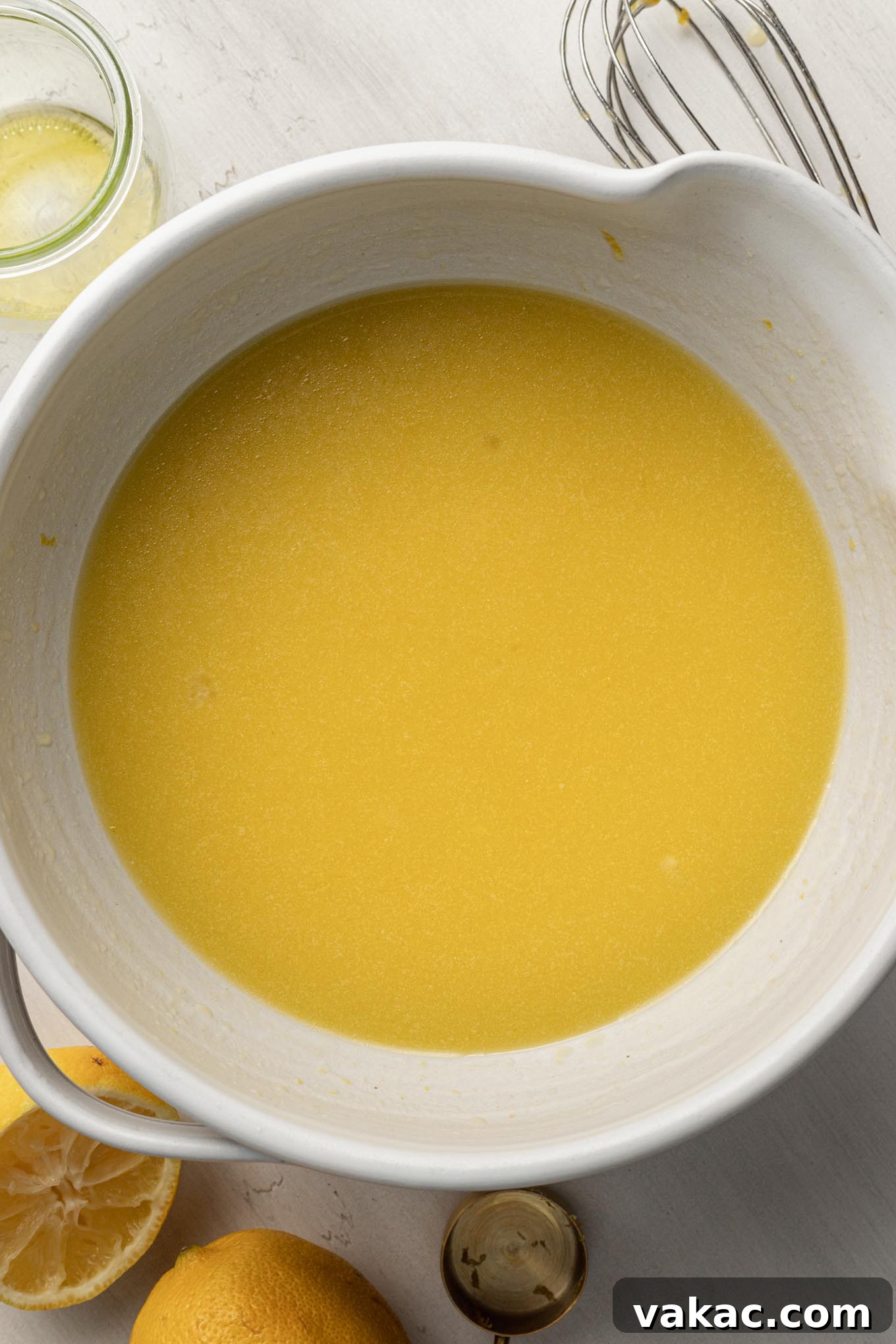
- Combine the Wet Ingredients: In a separate, larger mixing bowl, add the granulated sugar, extra virgin olive oil, room temperature buttermilk, room temperature eggs, fresh lemon juice, lemon zest, and pure vanilla extract. Whisk vigorously and continuously until all these wet ingredients are completely combined and the mixture appears smooth and well-emulsified. The sugar should be mostly dissolved at this point, creating a unified liquid base.
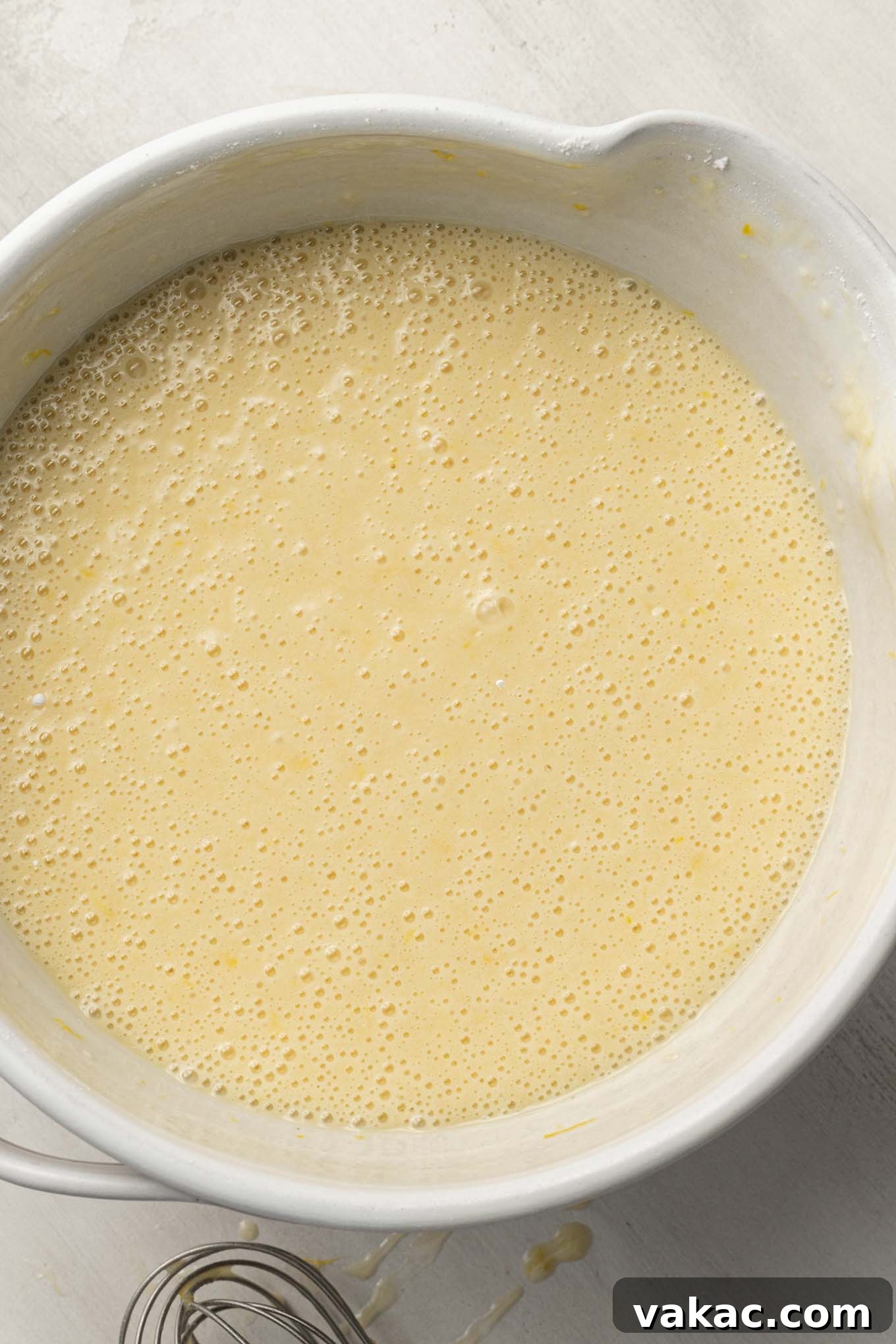
- Gently Fold Dry into Wet Ingredients: Gradually add the whisked dry ingredient mixture into the bowl of wet ingredients. Using either a whisk or a rubber spatula, mix until the ingredients are *just* combined. It is absolutely crucial not to overmix the batter; overmixing can lead to excessive gluten development, which can result in a tough, dense cake rather than the desired tender crumb. Don’t worry if you see a few small lumps; that’s perfectly acceptable. Important Note: You will notice that the cake batter is quite thin in consistency – this is completely normal for olive oil cakes and is precisely what contributes to their signature moistness and delicate texture once baked!
- Bake to Golden Perfection: Carefully pour the thin batter evenly into your prepared springform pan. Transfer the pan to the preheated oven and bake for approximately 45 to 50 minutes. The cake is ready when a wooden skewer or toothpick inserted into the very center comes out completely clean, with no wet batter or moist crumbs attached. The top of the cake should be beautifully golden brown and spring back lightly when gently touched.
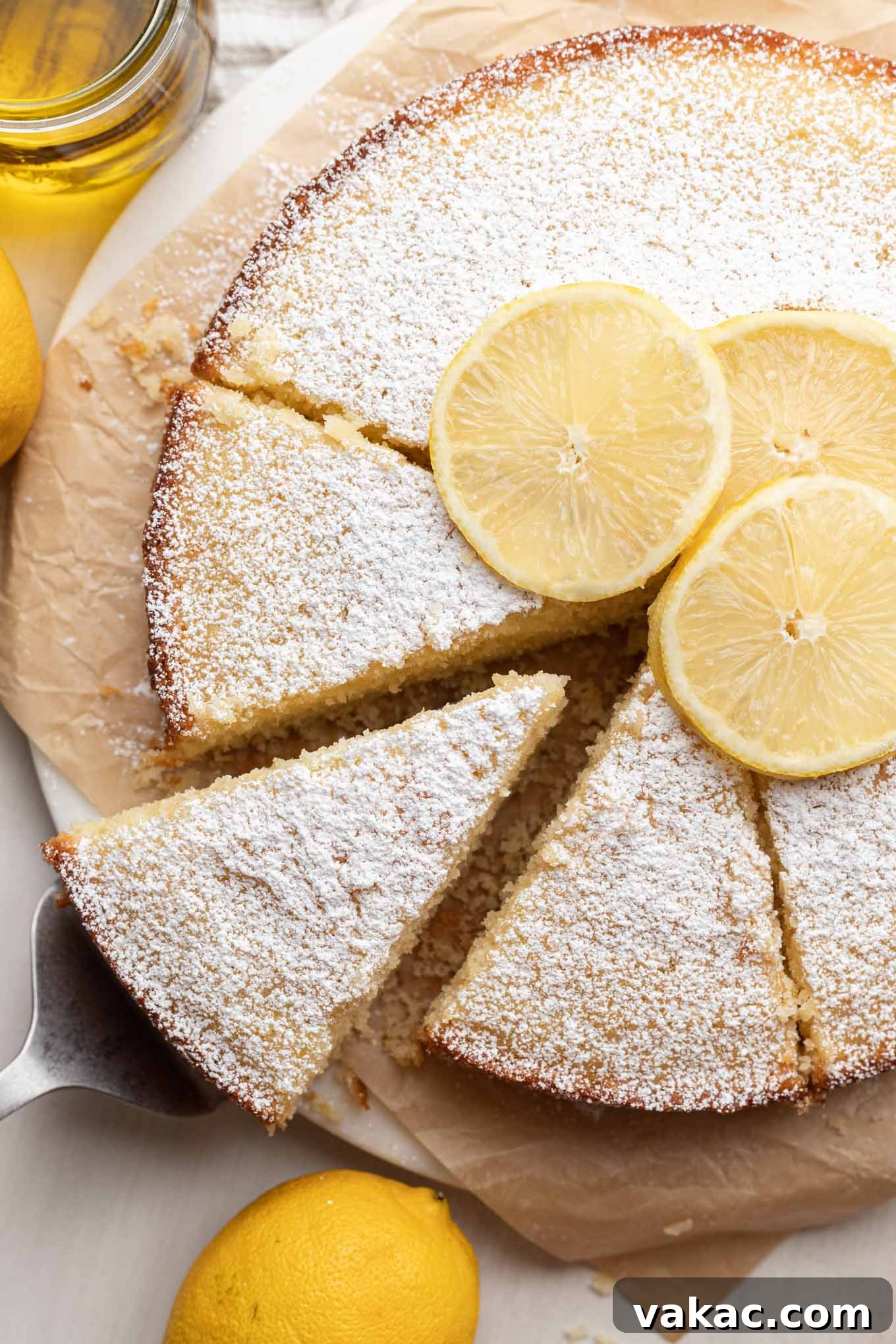
- Cool Completely for Best Results: Once the cake is finished baking, immediately remove it from the oven and place the springform pan on a wire rack to cool for at least one hour. This initial cooling period in the pan is vital; it allows the cake to firm up its structure and settle, preventing it from crumbling or breaking apart when you attempt to remove it. After an hour, carefully run a thin, sharp knife around the inside edges of the pan to loosen the cake, then gently release the springform sides. Allow the cake to cool *completely* on the wire rack before attempting to slice it. Just before serving, a light dusting of powdered sugar adds an elegant visual touch and a subtle additional layer of sweetness that perfectly complements the lemon and olive oil flavors.
Choosing the Right Olive Oil for Your Cake: A Deeper Dive into Flavor
The type of olive oil you select is a critical decision that can profoundly influence the final flavor profile of your Lemon Olive Oil Cake. While any olive oil will contribute essential moisture, achieving that signature Mediterranean complexity and enhancing the cake’s overall character requires a bit more thoughtful consideration:
- Extra Virgin Olive Oil (EVOO): The Expert’s Recommendation. For the most vibrant, authentic, and truly delicious flavor, extra virgin olive oil is, without a doubt, the superior choice. EVOO is the freshest and least processed grade of olive oil, meaning it retains its full spectrum of natural fruitiness, herbaceous notes, and often a pleasant peppery or slightly bitter finish. You will indeed taste the olive oil in the finished cake, but let go of any apprehension—it absolutely will not be overwhelming. Instead, its robust, aromatic character wonderfully complements the bright, acidic notes from the ¼ cup of fresh lemon juice and the intensely fragrant tablespoon of lemon zest. A high-quality EVOO will enhance the cake’s depth, adding a sophisticated warmth and richness that truly sets it apart from cakes made with other fats. Don’t hesitate to experiment with different varieties; a fruity Italian EVOO might offer a different nuance than a grassy Greek or peppery Spanish one.
- Regular Olive Oil: A Milder, More Subtle Alternative. If you’re new to baking with olive oil, or perhaps you’re slightly hesitant about the distinct flavor profile of extra virgin olive oil, regular olive oil (which is sometimes simply labeled as “pure” olive oil) is a perfectly suitable alternative. It possesses a significantly milder flavor compared to EVOO, offering a less pronounced olive taste while still contributing excellent moisture and a tender texture to the cake. However, do bear in mind that while it will produce a very delicious cake, it may lack some of the nuanced complexity and unique character that makes an EVOO cake truly special and memorable.
- Light Olive Oil: For the Truly Undecided or Ultra-Subtle Palate. For those who genuinely prefer an almost imperceptible olive note in their baked goods, “light” olive oil is an option. It’s important to understand that “light” in this context refers to its lighter color and significantly milder flavor, not a reduced calorie content. This grade is the most refined type of olive oil, with the majority of its characteristic olive flavor removed. While it will still provide the desired moisture and textural benefits, the “olive oil” aspect will be almost entirely unnoticeable, essentially yielding a very moist lemon cake with a neutral oil base.
Ultimately, the best olive oil for your cake is one whose flavor you personally enjoy. A quick taste test of your olive oil before you begin baking can give you a good indication of its potential contribution to the cake’s overall flavor profile.
Can I Substitute the Olive Oil? Understanding the Flavor Impact
While you could technically use other types of oil in this recipe, it’s crucial to understand that doing so will fundamentally alter the very essence and character of this “Lemon Olive Oil Cake.” The olive oil isn’t merely a source of fat here; it is a vital flavor component that imbues the cake with its distinctive Mediterranean identity and adds a unique depth that other oils cannot replicate.
- Neutral Oils (Canola, Vegetable, Grapeseed Oil): If you opt for neutral-flavored oils like canola, vegetable, or grapeseed oil, they will certainly provide the necessary moisture and contribute to a tender crumb without imparting any distinct flavor of their own. If you use them, you will undoubtedly end up with a very good, moist lemon cake. However, it will lack the sophisticated, nuanced, and subtly complex notes that olive oil brings to the table. The resulting cake would essentially be a delicious traditional lemon cake, rather than an authentic olive oil cake with its unique personality.
- Melted Coconut Oil: Coconut oil would also provide excellent moisture and a tender texture. However, it would introduce its own very distinct tropical flavor profile, which might clash with the bright lemon and Mediterranean theme intended for this recipe. While it could be an interesting variation for a different type of cake, it is not a direct substitute if you are aiming for the classic olive oil experience.
Therefore, if you find yourself without olive oil or simply prefer a lemon cake without its distinct presence, I would strongly recommend seeking out a dedicated traditional lemon cake recipe that has been specifically formulated for use with butter or other neutral oils. This approach ensures that you achieve a cake designed for that particular flavor profile, rather than a modified version that might inadvertently lose its intended charm and unique appeal.
Exploring Pan Alternatives for Your Versatile Olive Oil Cake
While a 9-inch springform pan is highly recommended for its ease of release and the beautiful presentation it offers, the versatile batter for this lemon olive oil cake can certainly be adapted to a variety of other baking pans, with slight adjustments to baking time:
- 9×13 Inch Baking Pan: This is arguably the most straightforward and common alternative. Simply pour the prepared batter into a greased 9×13 inch baking pan. Since the cake will be thinner in this larger pan, you will need to adjust your baking time. Expect it to bake for approximately 30 to 35 minutes, or until a toothpick inserted into the center comes out clean.
- Bundt Pan: For a more elegant and decorative presentation, a well-greased 10-12 cup Bundt pan can be used. The baking time will likely be similar to that of the springform pan, roughly 45-55 minutes, but always keep a close eye on it as ovens vary. It’s crucial to ensure all the intricate nooks and crannies of the Bundt pan are thoroughly greased and floured (or coated with a baking spray containing flour) to guarantee a clean release.
- Loaf Pans: You could easily divide the cake batter between two standard 9×5 inch loaf pans. These smaller loaves will bake more quickly, likely in 35-45 minutes. Loaf cakes are perfect for gifting, smaller servings, or easy freezing.
- Muffin Tins (Cupcakes): For delightful individual portions, line a standard muffin tin with paper liners and fill each cup about two-thirds full with batter. Bake these smaller treats for approximately 20-25 minutes, or until they are golden brown and a toothpick inserted into the center of a muffin comes out clean.
Regardless of the pan you choose, always remember the importance of thorough greasing and flouring (or using parchment paper, where applicable) to prevent any sticking. Additionally, carefully monitor your baking times, as they can vary significantly with different pan sizes, materials, and oven calibrations.
Pro Baking Tips for a Perfect Lemon Olive Oil Cake Every Time
Achieving a consistently perfect Lemon Olive Oil Cake is remarkably easy when you keep a few expert baking tips in mind. These simple practices can make all the difference in the final texture and flavor of your homemade treat:
- Room Temperature Ingredients are Non-Negotiable: This is arguably the most crucial tip for almost any baking project. Ensure your eggs, buttermilk, and even olive oil (if it’s been stored in a very cold pantry) are at room temperature before you begin. Room temperature ingredients emulsify more smoothly and evenly, leading to a homogeneous batter that bakes uniformly and results in a cake with a superior, consistent texture. If you forget to take your eggs out ahead of time, a quick trick is to place them in a bowl of warm (not hot) water for 5 to 10 minutes. For cold buttermilk, a brief 15 to 20-second zap in the microwave will bring it to the ideal temperature.
- Maximize Lemon Yield and Flavor: To extract the absolute most juice from your lemons, roll them firmly on your counter with the palm of your hand for about 10-15 seconds before slicing and juicing. This simple action helps to break down the internal membranes, releasing significantly more juice. A related tip: always zest the lemon before you cut it for juice; it’s much easier and more efficient to zest a firm, whole lemon.
- Don’t Fear the Thin Batter: As previously mentioned, you will notice that this cake batter has a rather thin, almost liquid-like consistency. Do not be alarmed or tempted to add more flour! This specific consistency is entirely normal for olive oil cakes and is precisely what contributes to their signature moistness and wonderfully delicate crumb once baked. Trust the process; the cake will rise beautifully and set perfectly in the oven.
- Patience is a Virtue During Cooling: Resist the urge to immediately remove the freshly baked cake from its pan. Allow it to cool in the springform pan, placed on a wire rack, for at least one full hour. This critical cooling period allows the cake’s structure to firm up and set properly, preventing it from collapsing, cracking, or breaking apart when you eventually release the sides of the springform pan. A fully cooled cake also slices much more cleanly and maintains its pristine appearance.
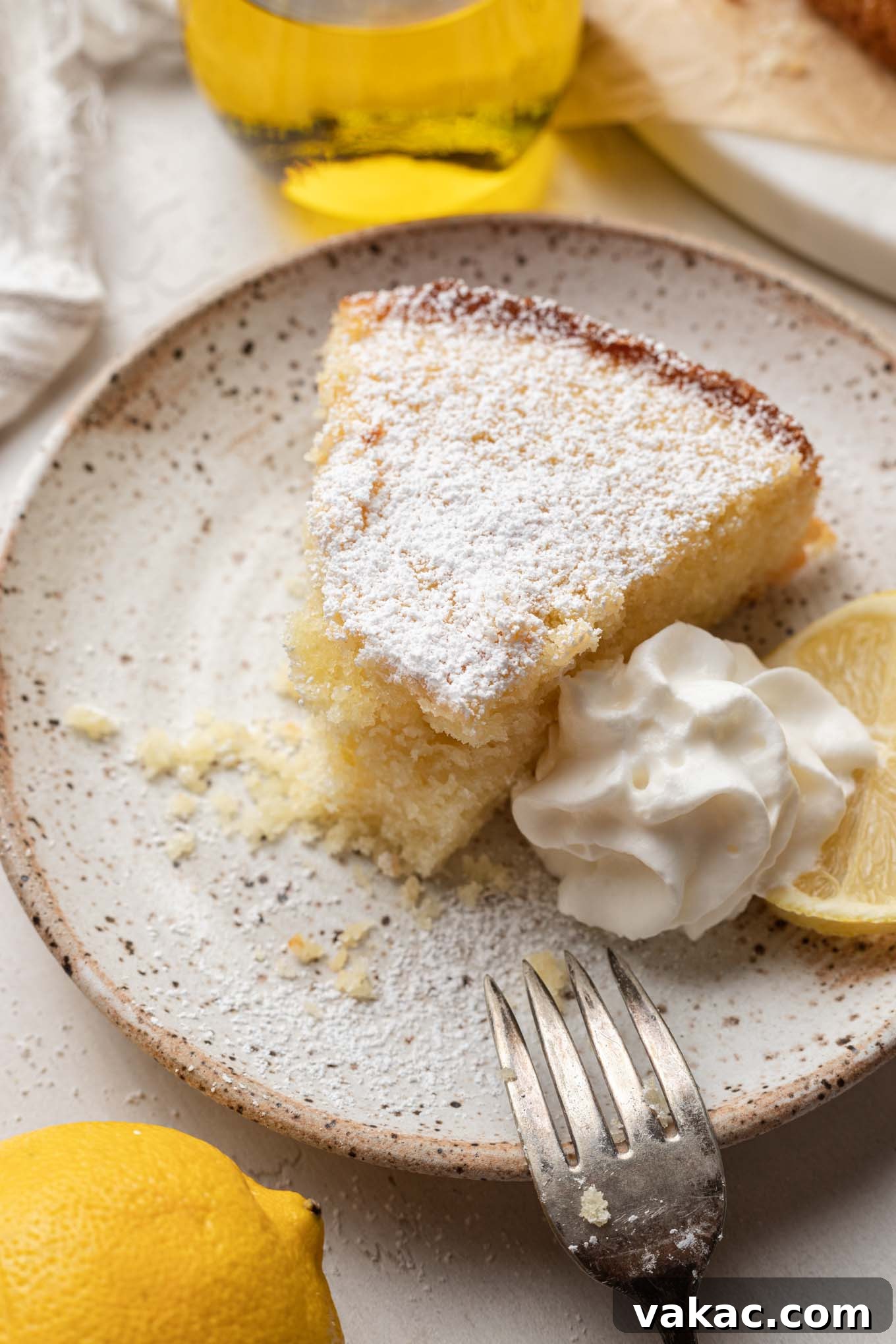
- Simple is Often Best for Serving: This exquisite cake truly shines with minimal adornment. A simple dusting of powdered sugar adds a delicate sweetness, a touch of elegance, and a beautiful visual contrast. For a more indulgent and celebratory experience, serving it with a generous dollop of homemade whipped cream, perhaps lightly sweetened with a hint of vanilla, and a medley of fresh seasonal berries will create a truly memorable dessert.
- Accurate Measurement is Key: Especially when measuring flour, ensure you are spooning the flour into your measuring cup and then leveling it off with a straight edge, rather than scooping directly from the bag. Scooping can compact the flour, leading to an excess amount that can result in a dry, dense cake.
- Avoid Overmixing: Once you’ve combined the wet and dry ingredients, mix only until they are just barely combined. Overmixing develops gluten, which is the enemy of a tender cake, leading instead to a tough and chewy texture. Stop mixing as soon as no streaks of dry flour remain.
More Irresistible Lemon Desserts to Explore!
If you’ve fallen completely in love with the vibrant and refreshing flavor of lemon in this olive oil cake, you’ll be thrilled to discover these other equally delightful lemon-infused treats from our collection:
- Lemon Pound Cake – A dense, rich, and wonderfully buttery cake bursting with intense lemon flavor, perfect for any occasion.
- Lemon Blueberry Bread – A moist and flavorful quick bread, studded with juicy blueberries and brightened with lemon, ideal for breakfast, brunch, or an afternoon snack.
- Lemon Cookies – Chewy, soft, and bursting with zesty lemon goodness, these cookies are a citrusy dream come true.
- Lemon Bars – A timeless classic featuring a perfectly tangy lemon curd filling atop a buttery shortbread crust, an absolute crowd-pleaser.
- Lemon Cheesecake – A creamy, rich, and utterly luxurious cheesecake that is bursting with bright, zesty lemon flavor, offering a decadent indulgence.
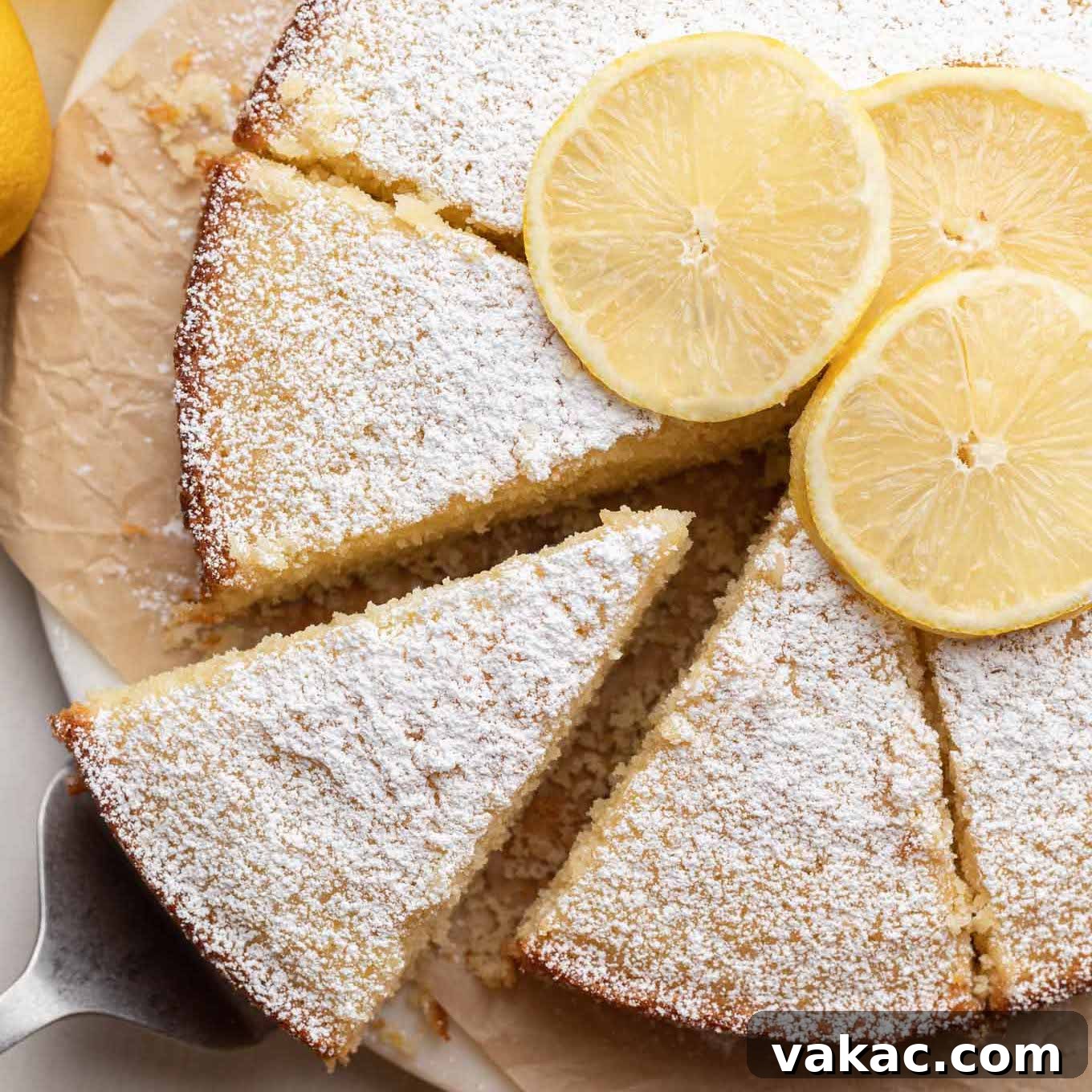
Lemon Olive Oil Cake
Buttermilk and olive oil join forces to create a supremely moist cake, while fresh lemon juice and zest impart an unforgettable, bold lemon flavor. Perfect for dessert or as a sophisticated accompaniment to your morning coffee!
Prep Time: 25 mins
Cook Time: 50 mins
Total Time: 1 hr 15 mins
Servings: 8 slices
Print Recipe | Pin Recipe
Ingredients
- 2 cups cake flour, spooned & leveled (230 grams)
- 1 teaspoon baking powder
- ¼ teaspoon baking soda
- ¼ teaspoon salt
- 1 ½ cups granulated sugar (300 grams)
- ⅔ cup extra virgin olive oil (160 ml)
- ⅔ cup buttermilk at room temperature (160 ml)
- 3 large eggs at room temperature
- ¼ cup fresh lemon juice (60 ml)
- 1 tablespoon lemon zest
- 1 teaspoon pure vanilla extract
Instructions
- Preheat the oven to 350°F (180°C). Grease a 9-inch springform pan with nonstick cooking spray and line the bottom with parchment paper. Set aside.
- In a medium mixing bowl, whisk together the flour, baking powder, baking soda, and salt.
- In a separate large mixing bowl, whisk together the granulated sugar, extra virgin olive oil, buttermilk, eggs, lemon juice, lemon zest, and vanilla extract until fully combined.
- Mix the dry ingredients into the wet ingredients until just combined. The batter will look very thin, this is normal! Pour the batter into the prepared pan.
- Bake for 45 to 50 minutes or until a toothpick inserted in the center comes out clean.
- Remove from the oven and cool in the pan for at least one hour on a wire rack. Slide a knife around the outside of the cake and release it from the springform pan.
- Allow to cool completely before slicing and serving. Dust with powdered sugar or top with homemade whipped cream right before serving.
Notes
Storage Instructions: This Lemon Olive Oil Cake may be stored in an airtight container at room temperature for up to 4 days, retaining its delightful moisture and flavor.
Freezing Instructions: To freeze, wrap individual slices or the entire cooled cake tightly with plastic wrap, then place in a large freezer bag or airtight container. It can be stored for up to 3 months. Thaw to room temperature before serving for optimal taste and texture.
Cuisine: Mediterranean
Course: Dessert
Author: Danielle Rye
This recipe was inspired by and adapted from the classic Lemon Bundt Cake featured in the Spice & Spirit Cookbook.
Did you make this recipe?
We’d love to see your delicious creation! Mention @livewellbakeoften on Instagram or tag your photo with #livewellbakeoften to share your baking success with our community.