
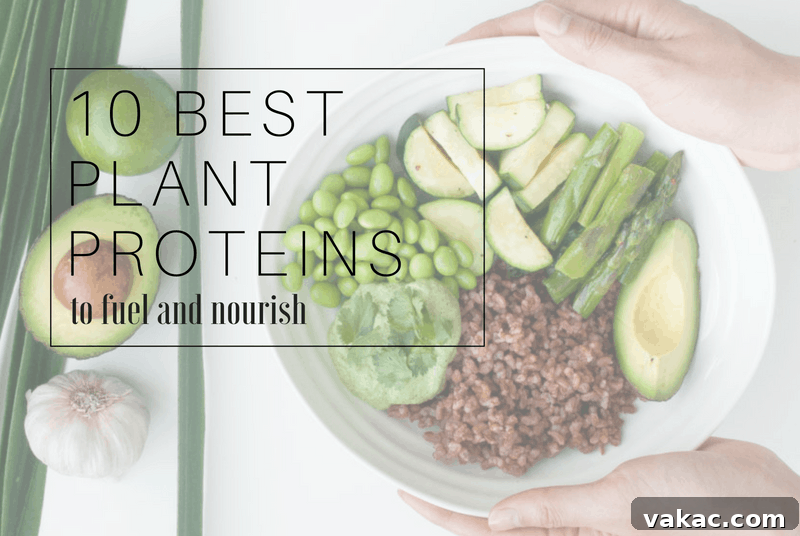
Unlock Your Potential: Top 10 Plant-Based Protein Powerhouses for Optimal Health
In today’s evolving world of nutrition, one question I frequently encounter is about my personal dietary approach. Am I a devoted vegan? A committed vegetarian? Or do I embrace the omnivore lifestyle? As we delve into the world of plant-based nutrition with this comprehensive guide to the 10 best plant proteins, you might find yourself pondering the same.
The truth is, I don’t adhere to any strict labels. My philosophy revolves around a balanced and intuitive approach to eating, incorporating a diverse range of foods that make me feel good and energized. I prioritize listening to my body’s unique signals, understanding that what resonates with me may not necessarily be the perfect fit for you. Nutritional journeys are deeply personal, and there’s no one-size-fits-all answer.
That said, over the past year or so, I’ve naturally gravitated towards a more plant-forward eating style. The benefits of integrating more vibrant plant foods into our daily meals are simply undeniable, not just for our individual well-being but also for the health of our planet. From a nutritional perspective, plants are veritable treasure troves of essential vitamins, minerals, powerful antioxidants, and unique phytonutrients. These compounds work synergistically to protect our bodies from the effects of aging and chronic diseases, promote radiant skin and healthy hair, boost our energy levels, and even elevate our moods. Environmentally, plant-based foods generally boast a significantly lower ecological footprint. For many, the choice is also deeply rooted in ethical considerations.
Whether your exploration into plant-based eating means consciously adding more colorful fruits and vegetables to your plate, experimenting with one or two meatless meals each week, or fully embracing a vegetarian or vegan lifestyle, the journey is incredibly rewarding. If you’ve been curious about harnessing the power of plants, you’re in the right place. Below, I’ve curated a list of my absolute favorite plant-based proteins, detailing their nutritional prowess and sharing my preferred methods for incorporating them into delicious meals. This guide will help you understand how these plant powerhouses stack up and inspire you to try new things!
Embracing Your Unique Nutritional Path
It’s important to acknowledge that a purely plant-based diet might not be suitable for everyone right away. I’ve worked with clients who face challenges absorbing iron from plant sources, experience digestive discomfort, or simply don’t feel adequately full or satisfied without animal products. Ultimately, the goal is to discover what feels right for you, holistically. This decision involves considering various factors, including individual health needs, lifestyle, and personal preferences.
If you’re eager to explore the concept of integrating more plants into your diet, you might wonder where to begin. A common question I hear is whether it’s truly possible to meet all your nutritional requirements solely through plant-based foods. The resounding answer is a definite YES! However, if this dietary shift is new to you, there are a few key considerations. A primary focus is identifying reliable sources for essential nutrients like protein, zinc, and iron, which are often abundant in animal products. To simplify your transition, I’ve compiled a list of 10 incredible plant-based proteins to jumpstart your culinary adventure!
Your Go-To Guide: Top 10 Plant Proteins to Fuel and Nourish
Tempeh: The Fermented Powerhouse
Tempeh has swiftly ascended to become one of my absolute favorite proteins, plant-based or otherwise. Its distinct hearty texture and rich, nutty flavor bring a substantial and satisfying element to any dish, along with an impressive nutritional bounty. Originating in Indonesia, tempeh is a unique product made from fermented whole soybeans. The fermentation process is a game-changer; it not only enhances tempeh’s digestibility by breaking down anti-nutrients but also makes its wide array of nutrients more bioavailable for your body to absorb and utilize. Beyond protein, tempeh is an excellent source of dietary fiber, contributing to robust digestive health and sustained satiety. Regular consumption has also been associated with potential benefits like lowering cholesterol and supporting healthy blood pressure – a true win-win for your overall health!
Protein Content: Approximately 16 grams per 85-gram serving.
Creative Culinary Uses for Tempeh:
Tempeh’s firm texture and ability to absorb flavors make it incredibly versatile:
- Versatile Crumbles: Crumble and sauté tempeh as a fantastic replacement for ground meat in tacos, pasta sauces (like tempeh sausage rotini), or chili.
- Hearty Bowls: Add marinated and pan-fried tempeh strips or cubes to vibrant salads, buddha bowls, or grain bowls for a satisfying protein boost.
- Stir-Fries & Curries: Its robust structure holds up beautifully in stir-fries and rich curries, soaking up all the aromatic flavors.
- Sandwich & Wrap Filler: Slice, marinate, and bake or fry tempeh to create delicious, protein-packed fillings for sandwiches and wraps.
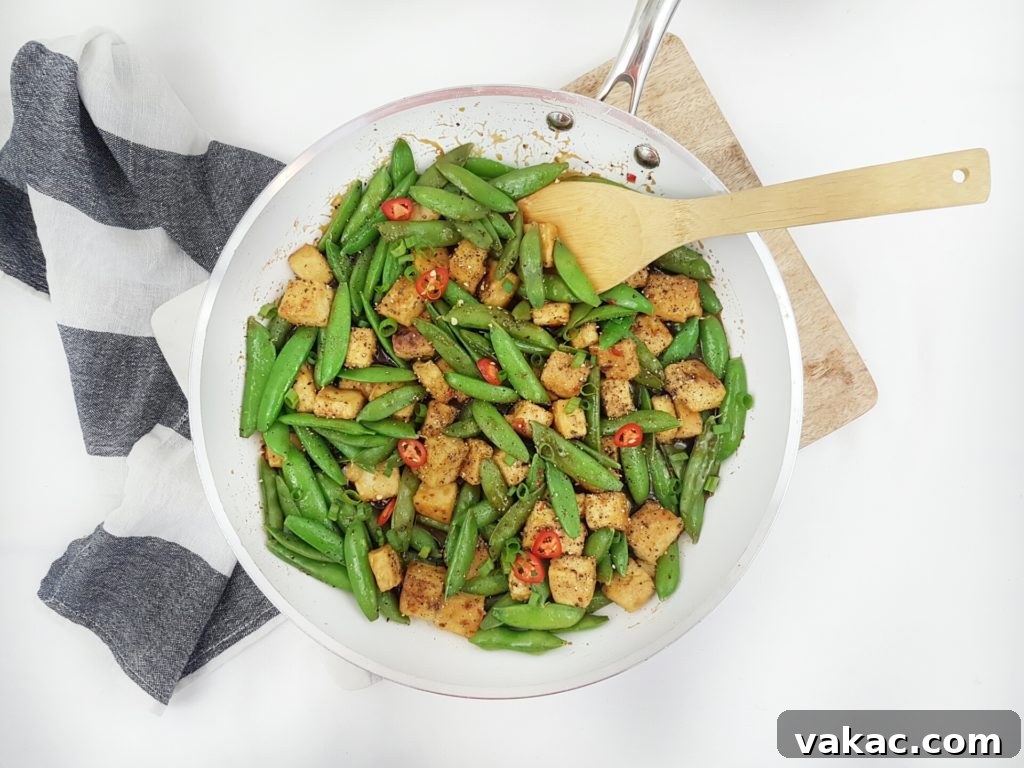
Tofu: The Culinary Chameleon
Another steadfast favorite in my kitchen is tofu. Beyond its stellar reputation as a complete plant-based protein, tofu delivers a bounty of essential micronutrients, including iron, magnesium, and calcium. This versatile soy-based food has been linked to various health benefits, such as supporting cardiovascular health by potentially lowering cholesterol levels, reducing inflammation throughout the body, and offering protective effects against certain types of cancers. Its mild flavor profile makes it a true culinary chameleon, capable of adapting to almost any cuisine or dish.
With an ever-expanding market, you’ll find an array of tofu products. When possible, opt for organic varieties to avoid GMOs. Furthermore, I generally recommend choosing whole blocks of tofu over highly processed “meat alternatives” that may contain numerous additives. The firmer the tofu, the denser its protein content and the better it holds its shape in cooking.
Protein Content: Approximately 13 grams per 85-gram serving (for extra-firm tofu). Note: Firmer tofu varieties generally offer more protein per serving.
Transforming Tofu in Your Kitchen:
Tofu’s adaptability allows for endless culinary creations:
- Flavorful Wraps & Salads: Create dynamic dishes like buffalo tofu for wraps and salads by seasoning and baking or pan-frying.
- Stir-Fry Star: Its ability to soak up sauces makes it a perfect addition to vibrant stir-fries, offering a satisfying texture.
- Smoothie & Sauce Booster: Blend silken tofu into smoothies or creamy sauces for an undetectable protein and thickness boost without altering the flavor.
- Scrambles: Crumble firm tofu and sauté with turmeric and black salt for a convincing and delicious vegan “egg” scramble.
Edamame: The Vibrant Green Gem
I adore the bright, inviting pop of color that edamame adds to any meal! A crucial aspect of nourishing our bodies holistically involves truly connecting with our food and eating mindfully. The visual appeal, vibrant colors, and diverse textures of different foods play a significant role in enhancing this experience. Beyond its aesthetic charm, edamame is a nutritional powerhouse. These young soybeans are exceptionally high in complete protein, providing all nine essential amino acids. They are also rich in folate, crucial for cell growth and function, and contain healthy fats, including beneficial omega-3 fatty acids, which are vital for brain health and reducing inflammation.
Protein Content: Approximately 8.5 grams per ½ cup serving (shelled).
Delightful Ways to Enjoy Edamame:
Edamame is not just a snack; it’s a versatile ingredient:
- Bowl Enhancement: Add edamame to poke bowls, grain bowls, and salads for a burst of color, texture, and protein.
- Quick & Healthy Snack: Simply steam them, sprinkle with sea salt, and a dash of soy sauce or tamari, along with chili flakes for a quick, high-fiber, high-protein treat.
- Stir-Fry & Soup Addition: Toss into stir-fries or soups during the last few minutes of cooking for added nutrition and vibrant color.
- Purees & Dips: Blend shelled edamame into dips, spreads, or even pesto for a unique flavor and nutrient boost.
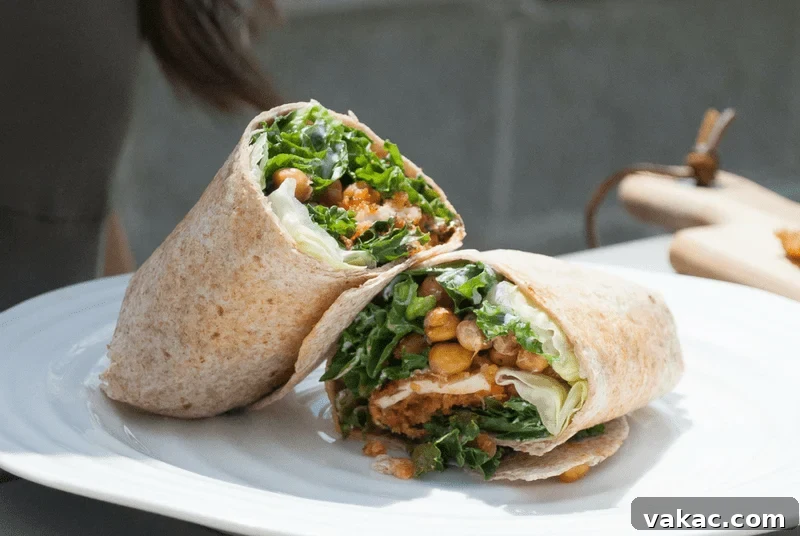
Chickpeas: The Humble Hero
Chickpeas, also known as garbanzo beans, are not just an exceptional source of plant-based protein; they are also remarkably high in dietary fiber. This dynamic duo of protein and fiber creates a powerful combination that promotes slower digestion, leading to sustained energy levels, enhanced feelings of fullness, and more stable blood sugar regulation. This makes them an invaluable component of any balanced diet.
For many, the introduction to chickpeas often begins with hummus – a creamy, savory spread. Hummus is incredibly versatile: use it as a dip for fresh vegetables, spread it generously on wraps or sandwiches, or add a dollop to salads and bowls to significantly boost their protein content. Its inherent creaminess also contributes a delightful contrasting texture, which is a key element in creating truly satisfying meals.
Protein Content: Approximately 8 grams per ½ cup serving (cooked).
Exciting Ways to Savor Chickpeas:
These nutritious legumes can be enjoyed in countless ways:
- Crispy Snacking: Roast them with your favorite spices for a crunchy, healthy snack alternative to chips.
- Salad Toppers: Replace traditional croutons with roasted chickpeas in your salads for an extra crunch and protein.
- Wraps & Bowls: Integrate them into wraps, tacos, or grain bowls for added substance and nutrition.
- Pasta Perfection: Toss cooked chickpeas into pasta dishes for a protein-rich meal that’s both hearty and delicious.
Beans: The Versatile Legume Family
Sharing the “legume” family tree with chickpeas, beans encompass a wide variety—black beans, kidney beans, cannellini beans, and more—each offering a slightly different flavor profile but consistent nutritional benefits. They are renowned for their high protein and fiber content, making them cornerstones of a healthy diet. Beyond these, beans are also an excellent source of B vitamins, crucial for energy metabolism, as well as iron and magnesium, vital for blood health and muscle function. Thanks to their rich soluble fiber content, legumes like beans are powerful allies in maintaining heart health by helping to lower cholesterol, stabilizing blood sugar levels, and ensuring you feel fuller and more satisfied for longer after meals.
Protein Content: Approximately 8 grams per ½ cup serving (cooked).
Diverse Applications for Beans:
From savory to unexpectedly sweet, beans are incredibly adaptable:
- Creamy Dips: Use white beans as a creamy, high-protein base for delicious dips and spreads.
- Hearty Breakfasts: Incorporate black beans into breakfast dishes like huevos rancheros or breakfast burritos for a filling start to your day.
- Unexpected Smoothies: Don’t knock it ’til you try it! A small amount of white beans can add creaminess and protein to smoothies without altering the flavor significantly.
- Soups & Stews: Their robust nature makes them perfect for enriching soups, stews, and chilis, adding body and nutrition.
Pro Tip: If using dried beans, remember to soak them overnight and cook thoroughly to improve digestibility.
Lentils: The Speedy & Nutritious Legume
Also members of the versatile legume family, lentils boast their own unique qualities, often with a slightly higher protein content compared to many beans and chickpeas. They deliver the same incredible fiber benefits that keep your digestive system running smoothly and efficiently. Lentils are also a fantastic source of potassium, an essential mineral critical for maintaining healthy blood pressure, fluid balance, and proper nerve and muscle function. Their quick cooking time and various types (green, brown, red, black) make them an incredibly convenient and nutritious choice for any meal.
Protein Content: Approximately 9 grams per ½ cup serving (cooked).
Ways to Master Lentils in Your Meals:
Lentils are incredibly versatile and cook much faster than most other legumes:
- Salad Staples: Green and brown lentils tend to hold their shape well, making them perfect for tossing into salads and grain bowls.
- Ground Meat Alternative: With their similar shape and texture when cooked, lentils are an excellent substitute for ground meat in dishes like tacos, pasta sauces, shepherd’s pie, or lettuce wraps.
- Classic Soups: Of course, you can’t forget the timeless lentil soup! It’s one of my favorites to batch prep during colder months, offering comforting warmth and nourishment.
- Curries & Dals: Red lentils break down beautifully, perfect for creamy Indian dals and other curries.
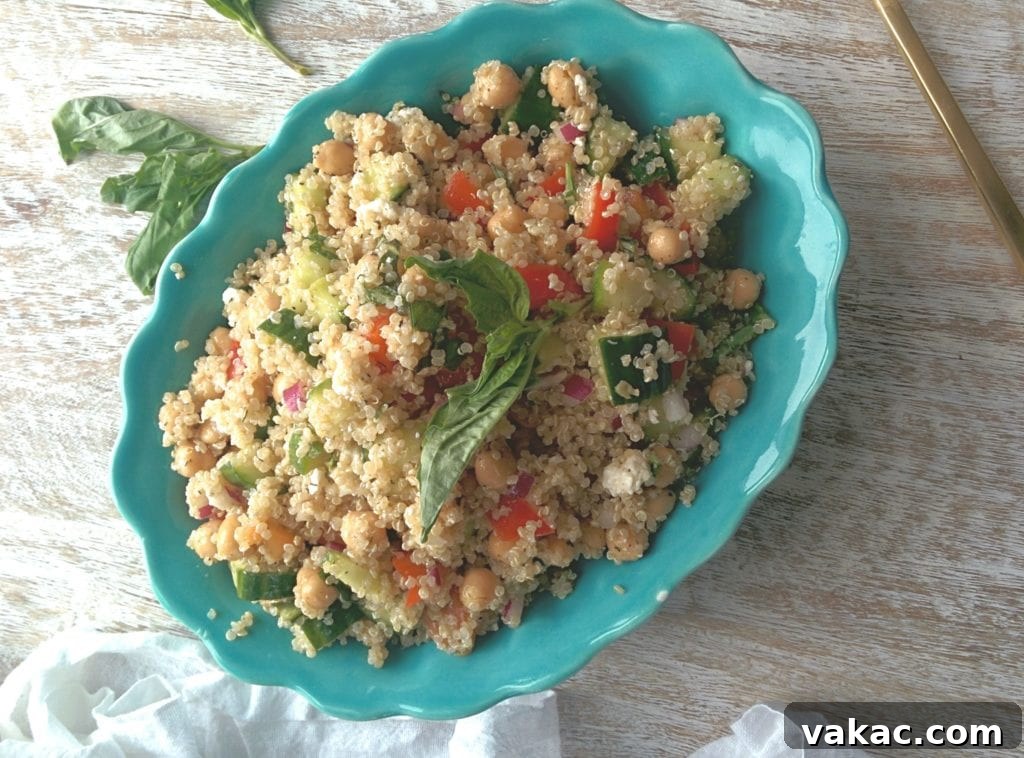
Quinoa: The Ancient Grain with a Protein Edge
Alright, let’s clarify something important about quinoa. While it’s often mistaken for a protein, it is, in fact, botanically a seed that functions as a whole grain in culinary terms. I’ve included it on this list because I frequently get asked if quinoa is a complete protein! While it won’t single-handedly replace the primary protein source in a meal, it serves as an exceptional way to boost your overall protein intake, boasting a higher protein content than most other grains. More impressively, quinoa is one of the few plant foods considered a complete protein, meaning it contains all nine essential amino acids necessary for human health. Beyond protein, quinoa is packed with antioxidants and vital minerals, including manganese, iron, and zinc, making it a nutritional powerhouse among grains.
Protein Content: Approximately 4 grams per ½ cup serving (cooked).
Integrating Quinoa into Your Daily Diet:
Quinoa’s fluffy texture and mild flavor make it incredibly versatile:
- Grain Bowl Base: It makes an excellent base for elaborate grain salads and hearty bowls, absorbing dressings and flavors beautifully.
- Salad Enhancer: Add cooked quinoa to green salads to increase their nutritional density and create a more substantial meal.
- Breakfast Alternative: Prepare it as a warm breakfast cereal, much like oatmeal or porridge. A quick search on Pinterest or Google will reveal countless delicious recipes for sweet and savory breakfast quinoa.
- Thickener & Binder: Use it to thicken soups, stews, or even as a binder in veggie burgers.
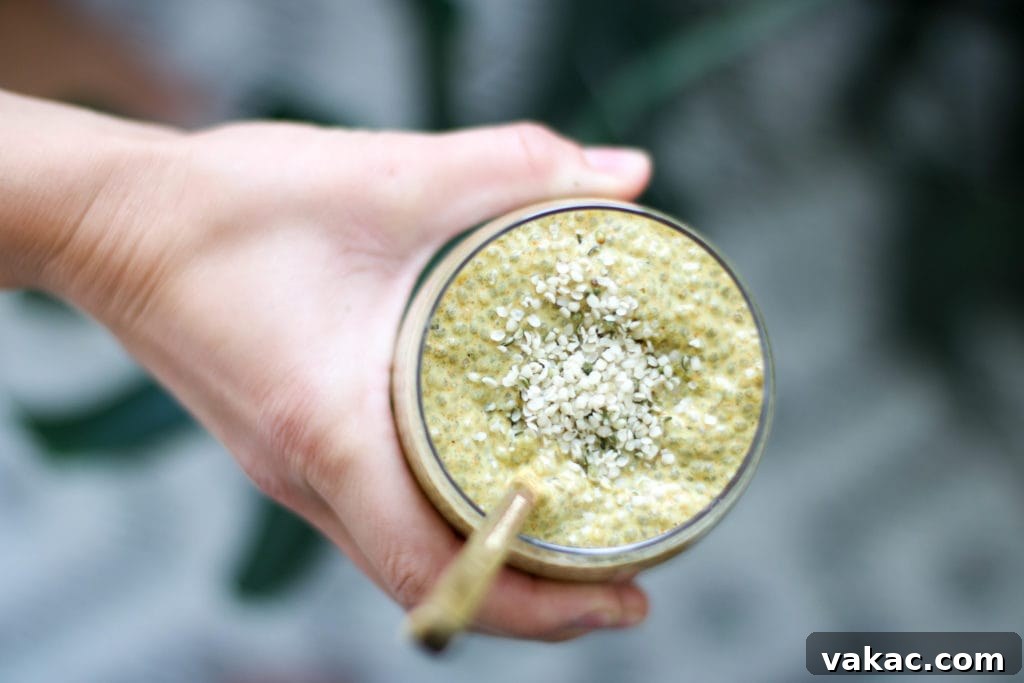
Hemp Hearts: Tiny Seeds, Mighty Nutrition
Don’t let their small size fool you; hemp hearts are truly nutrition powerhouses! These tiny seeds are an outstanding source of complete protein, packing all essential amino acids. They are also rich in antioxidant vitamin E, which protects cells from damage, and a spectrum of vital minerals such as phosphorus and potassium, crucial for bone health and electrolyte balance. What truly sets hemp hearts apart is their impressive profile of omega-3 fatty acids, particularly alpha-linolenic acid (ALA), known for supporting cognitive function, promoting heart health, and effectively keeping inflammation at bay throughout the body. With their mild, slightly nutty flavor, hemp hearts can be enjoyed raw, cooked into dishes, or lightly roasted to enhance their crunch.
Protein Content: Approximately 14 grams per ¼ cup serving (I typically use 2-3 tablespoons at a time for a boost).
Simple Ways to Incorporate Hemp Hearts:
Hemp hearts are incredibly easy to integrate into your daily diet:
- Smoothie Booster: Blend them into your morning smoothies for an undetectable protein and omega-3 kick.
- Salad Topping: Sprinkle generously onto salads for added crunch, healthy fats, and protein.
- Breakfast Bowls: Stir them into oatmeal, yogurt, or fruit bowls.
- Creative Desserts: Try them in unique recipes like this Matcha Protein Banana Ice Cream for a healthy treat!
- Baking & Cooking: Add them to energy bites, homemade granola, or even bread recipes.
Nutritional Yeast: The Cheesy Umami Bomb
I’m taking a slight detour from pure protein sources here, but for an incredibly important reason. I’ve included nutritional yeast not primarily for its protein content (though it does have some) but for its exceptionally high vitamin B12 content. Vitamin B12 is a critical nutrient that plays a vital role in converting the calories we consume into usable energy, supporting nervous system function, and contributing to healthy red blood cell formation. This particular vitamin is naturally found almost exclusively in animal-derived foods like meat, eggs, and dairy. Therefore, if you are adopting a fully plant-based diet, paying extra attention to your B12 intake is essential. Many plant-based foods are fortified with B12, but it’s crucial to check labels and consider supplementation.
Nutritional yeast is an inactive yeast, distinct from baking yeast, widely used as a condiment due to its distinctly savory, nutty, and famously cheesy flavor. You’ve likely encountered it in vegan cheese sauces, plant-based pestos, or as a staple replacement for Parmesan cheese in recipes found on many plant-based food blogs. Beyond its bold flavor, it’s a powerhouse of B vitamins, including thiamin, folate, riboflavin, and niacin, and as mentioned, is almost always fortified with cobalamin (B12).
B12 Content: Approximately 2.4mcg (meeting daily needs) per 3-tablespoon serving (this can vary by brand, e.g., Bob’s Red Mill).
Flavor-Boosting with Nutritional Yeast:
Its cheesy, savory flavor makes it a versatile seasoning:
- Popcorn Perfection: Sprinkle it liberally on popcorn for a cheesy, dairy-free snack.
- Savory Enhancer: Dust over pastas, salads, roasted vegetables, or scrambled tofu for an umami kick.
- Creamy Sauces: Mix into dips, pestos, dressings, or vegan cheese sauces to create a rich, cheesy flavor.
- Soup Thickener: Stir into soups or broths to add depth of flavor and a slight thickening.
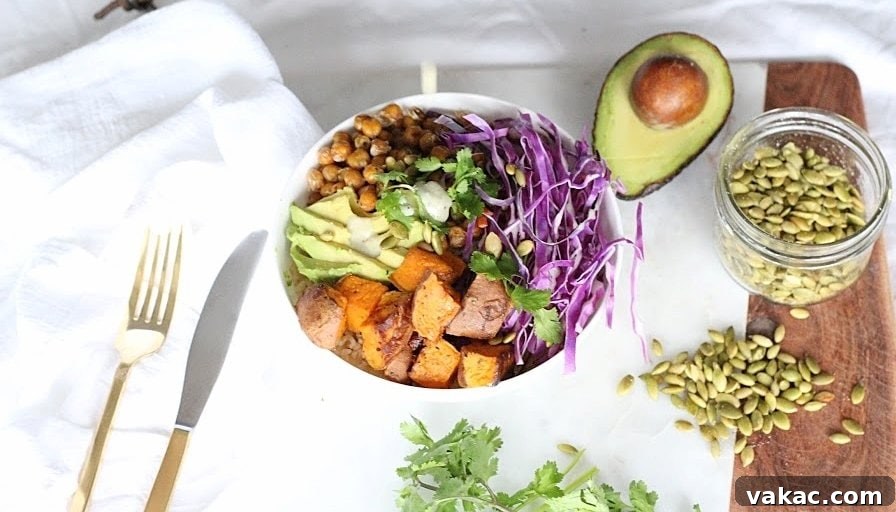
Pumpkin Seeds: The Iron-Rich Kernel
Pumpkin seeds, often overlooked, are true nutritional marvels, especially beneficial for those following a plant-based diet. Beyond their respectable protein content, they are an excellent source of magnesium, critical for muscle and nerve function, and zinc, vital for immune health. However, their standout feature is their iron content; pumpkin seeds provide about three times the amount of iron found in most other nuts and seeds. Iron is essential for oxygen transport in the blood and energy production. To maximize the absorption of plant-based iron, a general rule is to pair it with foods rich in Vitamin C, such as oranges, strawberries, broccoli, bell peppers, or tomatoes. This simple trick can significantly enhance your body’s ability to utilize this crucial mineral.
Protein Content: Approximately 3 grams per ¼ cup serving.
Iron Content: Approximately 1.4-4.7 mg per ¼ cup serving.
Delicious Ways to Enjoy Pumpkin Seeds:
These versatile seeds can be enjoyed in numerous ways:
- Quick Snack: Roast them with a pinch of salt for a crunchy, on-the-go snack.
- Granola & Baking: Add them to homemade granolas, energy bars, or healthy treats like these salted pumpkin caramels.
- Topping Extraordinaire: Sprinkle over soups, breakfast bowls (yogurt or oatmeal), salads, or avocado toast for added texture and nutrients.
- Pesto & Spreads: Blend them into pestos or spreads for a unique flavor and nutritional boost.
Embracing Your Plant-Powered Journey
Exploring the world of plant-based proteins is an exciting journey of discovery, offering immense benefits for your health and the planet. Remember, the key is to experiment, find what makes you feel best, and enjoy the process of nourishing your body with diverse and wholesome foods. Whether you’re making a full transition or simply adding more plants to your plate, every step counts.
What are some of your favorite plant-based foods or creative ways to incorporate them into your diet? Share your insights and culinary inspirations with us in the comments below – I’d love to try them out! And don’t forget to tag me on Instagram @lindsaypleskot with #makefoodfeelgood, so I can see your delicious plant-powered creations!