
Exploring the World of Juicing: Health Hype or Nutritional Hit?
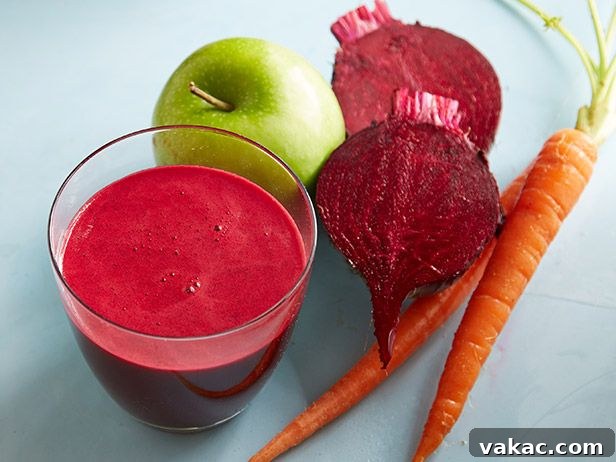
Image credit: foodnetwork.com
In recent years, the humble glass of juice has transformed into a global phenomenon. From artisanal cold-pressed juice bars seemingly on every corner to supermarket shelves overflowing with a dizzying array of bottled concoctions, the juicing trend has captivated health enthusiasts and casual consumers alike. The allure is undeniable: a quick, convenient way to supposedly flood your body with a concentrated dose of vitamins and minerals, often touted as a shortcut to weight loss or a powerful detoxifier. The idea of simply sipping your way to better health, bypassing the need to chew a mountain of vegetables, holds immense appeal and has fueled the popularity of everything from daily juice consumption to full-blown juice cleanses.
However, beneath the shiny marketing and pervasive health claims, a critical question emerges: Is juicing truly the health panacea it’s often made out to be? And is the premium price tag associated with many of these trendy beverages genuinely justified? This comprehensive guide will delve into the multifaceted world of juicing, exploring its genuine benefits, shedding light on its potential drawbacks, and debunking common myths to help you make informed choices for your well-being. We’ll examine the science, discuss practical considerations, and compare juicing to other popular healthy beverage options like smoothies.
Understanding the Juicing Process: What Exactly Are You Drinking?
At its core, juicing involves extracting the liquid content from fruits and vegetables, separating it from the solid pulp. Whether you’re using a high-speed centrifugal juicer at home, buying a carton from the grocery store, or investing in a premium cold-pressed variety, the fundamental principle remains the same: the fibrous material is largely discarded, leaving behind a liquid rich in natural sugars, vitamins, and minerals. This extraction process is key to understanding both the perceived advantages and the nutritional compromises of juicing.
Cold-pressed juicing, often marketed as superior, uses a hydraulic press to extract juice, which proponents claim minimizes oxidation and preserves more nutrients by avoiding heat generated by high-speed blades. While this method can yield a nutrient-dense liquid, the core issue of fiber removal persists across all juicing techniques.
Juicing: Weighing the Health Benefits Against the Drawbacks
The discussion around juicing is often polarized, with passionate advocates and equally fervent critics. To navigate this complexity, let’s explore the scientifically-backed pros and cons, separating fact from fiction to provide a balanced perspective.
| Potential Disadvantages of Juicing | Potential Advantages of Juicing |
|---|---|
Significant Loss of Dietary Fiber
|
Gateway to Healthier Eating Habits
|
Lack of Satiety and Essential Macronutrients
|
Refreshing Alternative and Accessibility for Specific Needs
|
Misconceptions About “Detoxification”
|
|
Potential Health Risks for Specific Populations
|
|
The Verdict: Juicing as Part of a Holistic Healthy Lifestyle
After weighing the extensive evidence, it becomes clear that juice is not the ‘miracle worker’ it’s often portrayed to be. While it offers certain advantages, particularly for specific situations or as a refreshing treat, it cannot replace the comprehensive nutritional benefits of whole fruits and vegetables. The intact fiber, along with the complementary healthy fats and proteins found in whole, unprocessed produce, are crucial for sustained satiety, stable blood sugar, and overall digestive and metabolic health.
However, this doesn’t mean juice should be entirely banished from your diet. When consumed mindfully and in moderation, it can certainly be a healthy addition. The key lies in understanding its limitations and integrating it intelligently into a broader, balanced nutritional strategy. For optimal health and well-being, prioritizing a diet rich in whole, unprocessed foods – including the recommended 7-10 servings of fruits and vegetables daily – remains your best bet. View juice as an occasional supplement or treat, rather than a foundational element of your daily nutrition.
Making Smart Choices: What to Look for in Your Juice
If you choose to incorporate juice into your diet, being discerning about your selections is paramount to maximizing potential benefits and minimizing drawbacks. Not all juices are created equal, and smart choices can make a significant difference:
- Prioritize Vegetables Over Fruit: To mitigate the impact on blood sugar, always opt for juices predominantly made from vegetables. Think leafy greens like spinach and kale, celery, cucumber, and root vegetables such as beets and carrots. Limit fruit content to a small portion, perhaps ½ to 1 cup per serving. This approach significantly reduces the overall sugar load while still providing a wealth of vitamins, minerals, and phytonutrients.
- Scrutinize Nutrition Labels: Don’t be swayed by marketing claims like ‘no added sugar’ or ‘all natural’ – these can be misleading. Always turn the bottle around and check the nutrition label, specifically the sugar content per serving. A helpful rule of thumb is that 1 teaspoon of sugar equals approximately 4 grams. So, if a serving contains 28 grams of sugar, your body is processing the equivalent of 7 teaspoons of sugar in one go. Choose juices with the lowest sugar content possible and avoid those with added sweeteners or artificial ingredients.
- Consider Organic Options: If your budget allows, opting for organic produce for juicing can reduce exposure to pesticides and herbicides, making your juice even cleaner and potentially more beneficial for your health.
- Freshly Made is Best: If possible, prepare juices at home immediately before consumption, or choose cold-pressed options that have been recently made. Nutrient content, particularly of delicate vitamins and enzymes, can degrade over time and with exposure to light and air.
- Mix and Match: Don’t hesitate to experiment with different vegetable combinations to find flavors you enjoy, and remember that even a small amount of ginger, lemon, or a few berries can significantly enhance taste without adding excessive sugar.
Beyond Juice: Flavorful and Healthy Beverage Alternatives
For those looking to enjoy refreshing, flavorful drinks without the high sugar concentration or fiber loss of traditional juices, several excellent alternatives can jazz up your hydration routine:
- Infused Water: Elevate plain water by adding fresh herbs (mint, basil, rosemary), sliced fruits (lemon, lime, berries, oranges, cucumber), or vegetables. For extra flair, freeze these combinations into ice cubes for a beautiful and flavorful addition to any glass of water.
- Sparkling Water with a Twist: Combine plain carbonated or sparkling water with a small splash of 100% fruit juice for a hint of natural sweetness and flavor, or opt for unsweetened flavored sparkling waters. This provides the satisfying effervescence without excessive sugar or artificial ingredients.
- Herbal Teas: Hot or iced, herbal teas offer a wide range of natural flavors and potential health benefits without calories or added sugar. Options like peppermint, chamomile, ginger, or hibiscus tea can be incredibly refreshing and soothing.
- DIY Fruit & Veggie Spritzers: Gently mash or purée a small amount of fresh fruit (e.g., berries, peaches) and mix it with sparkling water for a refreshing and slightly fiber-rich beverage.
Smoothies: The Fiber-Rich Alternative to Juices for Balanced Nutrition
When comparing juices to smoothies, smoothies often emerge as a more nutritionally complete and beneficial option, especially if intended as a meal replacement or substantial snack. The fundamental difference lies in the retention of dietary fiber.
- Fiber Retention for Better Digestion: Unlike juicing, smoothie preparation involves blending the entire fruit or vegetable, including the pulp, skin (where applicable), and seeds. This means all the beneficial dietary fiber remains intact. The presence of fiber significantly slows down the digestion and absorption of sugars, leading to a more gradual rise in blood glucose levels and sustained energy, preventing the sharp spikes associated with juice.
- Enhanced Satiety and Hunger Control: The fiber content, combined with the ease of adding other macronutrients, makes smoothies far more satisfying. They contribute to a feeling of fullness that lasts much longer than juice, making them an excellent choice for a quick, on-the-go meal, a substantial post-workout refuel, or a healthy breakfast that keeps hunger at bay until lunch.
- Nutrient Customization for a Complete Meal: Smoothies offer incredible flexibility to create a truly balanced nutritional profile tailored to your needs. You can easily incorporate a wide array of ingredients to ensure you’re getting a full spectrum of macronutrients and micronutrients:
- Protein Sources: Add Greek yogurt, protein powder (whey, plant-based), nut butters (almond, peanut, cashew), spirulina, or even cottage cheese.
- Healthy Fats: Include ingredients like avocado, chia seeds, flax seeds, hemp seeds, or a drizzle of olive oil or coconut oil to aid in the absorption of fat-soluble vitamins and further enhance satiety.
- Additional Fiber Boost: Rolled oats, psyllium husk, or more leafy greens can further increase the fiber content.
- Liquid Bases: Use water, milk (dairy or various non-dairy alternatives like almond, soy, oat milk), or coconut water as your liquid foundation.
- A Truly Balanced Meal Option: By strategically combining these ingredients, a smoothie can become a truly balanced and nutrient-dense meal, providing carbohydrates, protein, fats, and a wide array of vitamins and minerals. This makes smoothies a far more appropriate choice than pure juice when you need a quick, nutritious, and satisfying meal on the go. For inspiring ideas on crafting your perfect blend, explore resources on building well-balanced smoothies, such as Satisfying Smoothies: How to Build the Perfect Blend.