We used to think pie crust was one of those things you either had a natural gift for or you didn't. Mine usually fell into the “why is this cracking and sticking to everything” category, which was deeply humbling. After plenty of testing, swearing quietly to myself, and a lot of butter, this buttery pie crust became the one we kept coming back to because it actually works without drama.
This is the kind of homemade pie crust that makes you feel way more confident than you should. It is simple, reliable, and doesn't ask you to babysit it or use fancy ingredients. Whether you are making a sweet pie, a quiche, or something savoury for dinner, this crust shows up every single time.
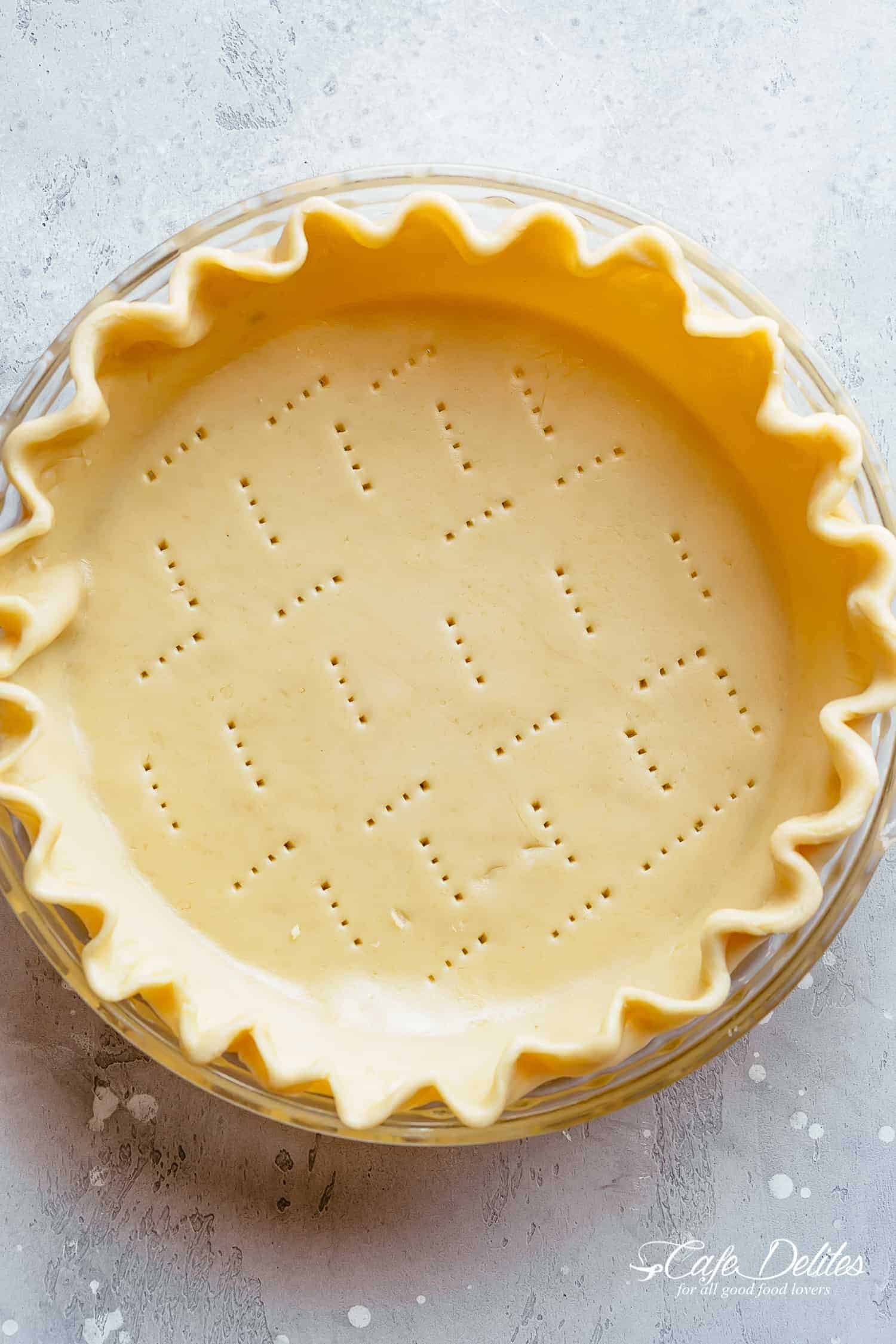
Why This Crust Always Delivers
This Buttery Pie Crust works because it sticks to the basics and does them well. Cold butter, minimal handling, and just enough liquid to bring the dough together are what give you a flaky pie crust without making things complicated.
It is also a forgiving easy pie crust recipe, which is exactly what you want when pastry is involved. Even if your dough looks a little rough at first, a short chill and gentle rolling bring it right back into line.
What You'll Need And Why It Matters
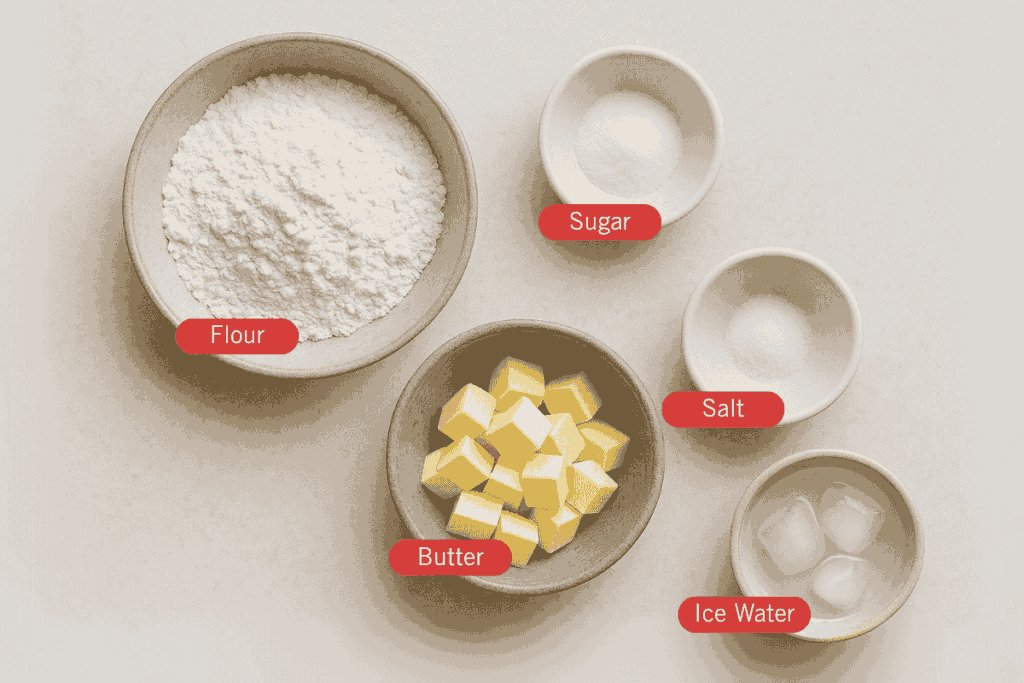
This recipe is built around simple pantry staples, which means no last-minute supermarket runs or specialty ingredients.
- All Purpose Flour: This provides structure while still allowing the crust to stay tender, as long as you measure lightly and avoid packing it down.
- Unsalted Butter: Cold butter is essential here because it creates those flaky layers as it melts in the oven, giving the crust its signature texture.
- Ice Water: Keeping the dough cold helps control the butter and makes the dough easier to work with once it is rolled out.
- Salt and Sugar: A small amount of each balances the flavour so the crust works just as well with sweet fillings as it does with savoury ones.
Note: Please see recipe card at the bottom for list of full ingredients and measurements.
Optional Tweaks If You're Feeling Fancy
These additions are completely optional, but they are useful if you want to adjust the dough slightly depending on the filling or your comfort level with pastry.
- Vinegar or Vodka: A small splash can help limit gluten development, which keeps the crust tender without affecting flavour.
- Egg Yolk: Adds richness and helps bind the dough if it feels a little crumbly when coming together.
- Butter and Lard Combo: Replacing part of the butter with lard can make the dough easier to roll while still keeping that classic homemade pie crust feel.
On the stove
Making your own flaky pie crust is easier than it looks. With just a few simple steps and a light touch, you'll have a tender, buttery base ready for any filling you love.
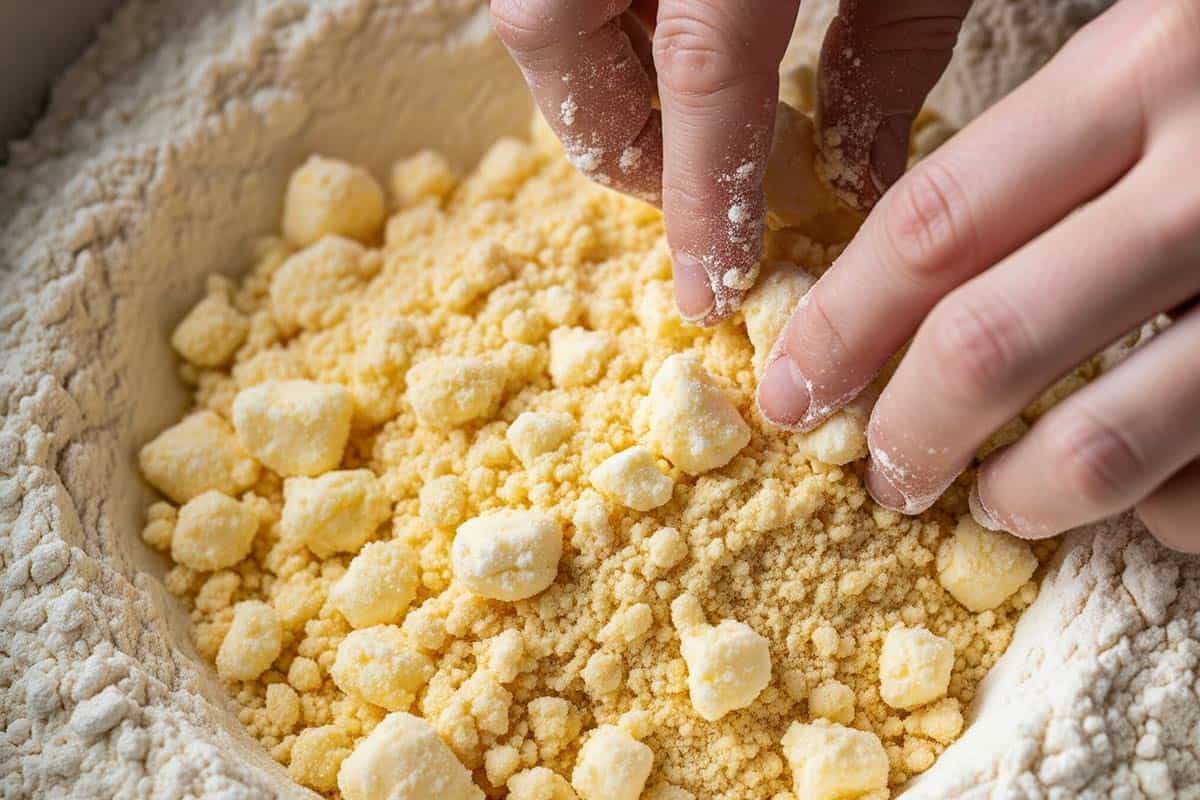
- Prepare Dish: Lightly grease a 9-inch (23 cm) pie dish with butter and set it aside. In a large bowl, sift together the flour, sugar, and salt. Add the butter and rub it into the flour until the mixture looks like breadcrumbs.
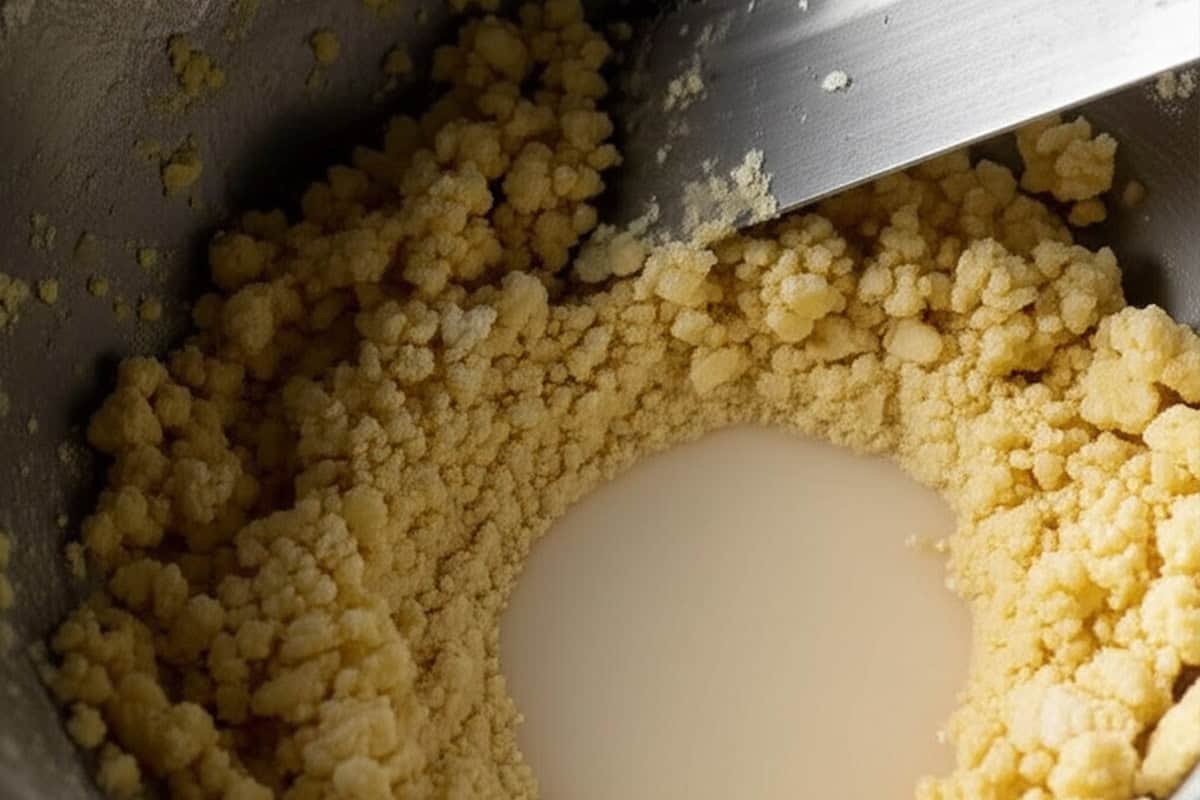
- Add Water: Make a well in the center and add 4 tablespoons of ice-cold water. Use a blunt knife in a cutting motion to mix until small beads of dough start to form. Add a little extra water if needed until the dough just comes together.
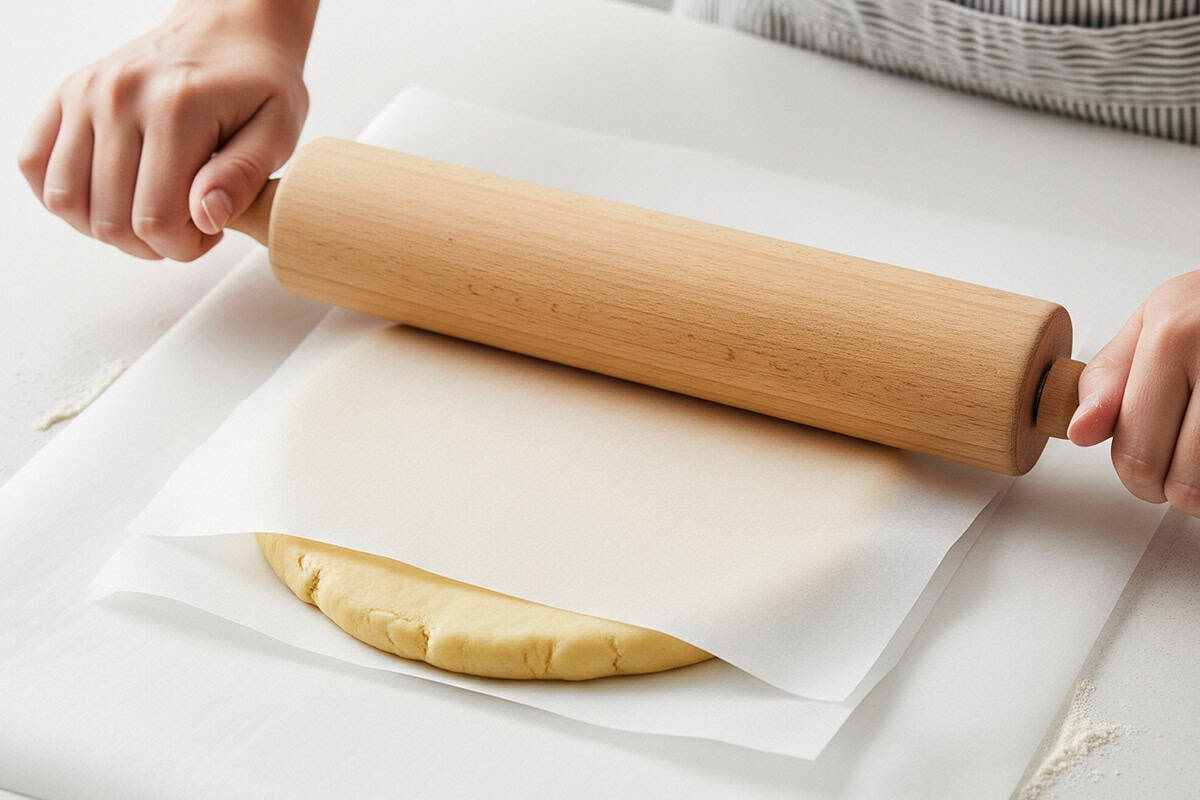
- Roll Dough: Place a sheet of parchment paper on a clean surface. Gather the dough into a ball and place it on the paper. Cover with another sheet and roll it out until it can fit a 9-inch pie dish, about 12 inches across.
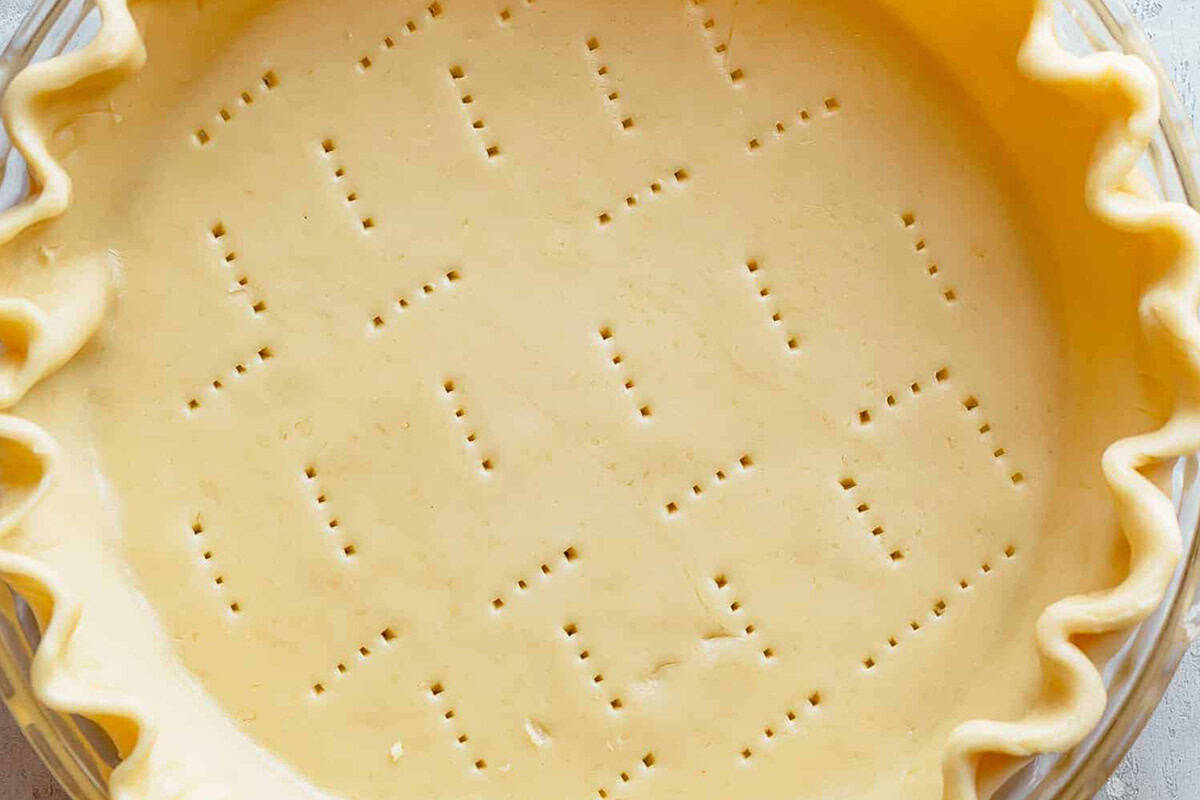
- Shape Crust: Remove the top sheet, then flip the pastry into the dish with the parchment side up. Peel the paper, trim the edges, and leave about 1 inch of overhang. Chill the crust in the fridge for 20 minutes before baking.
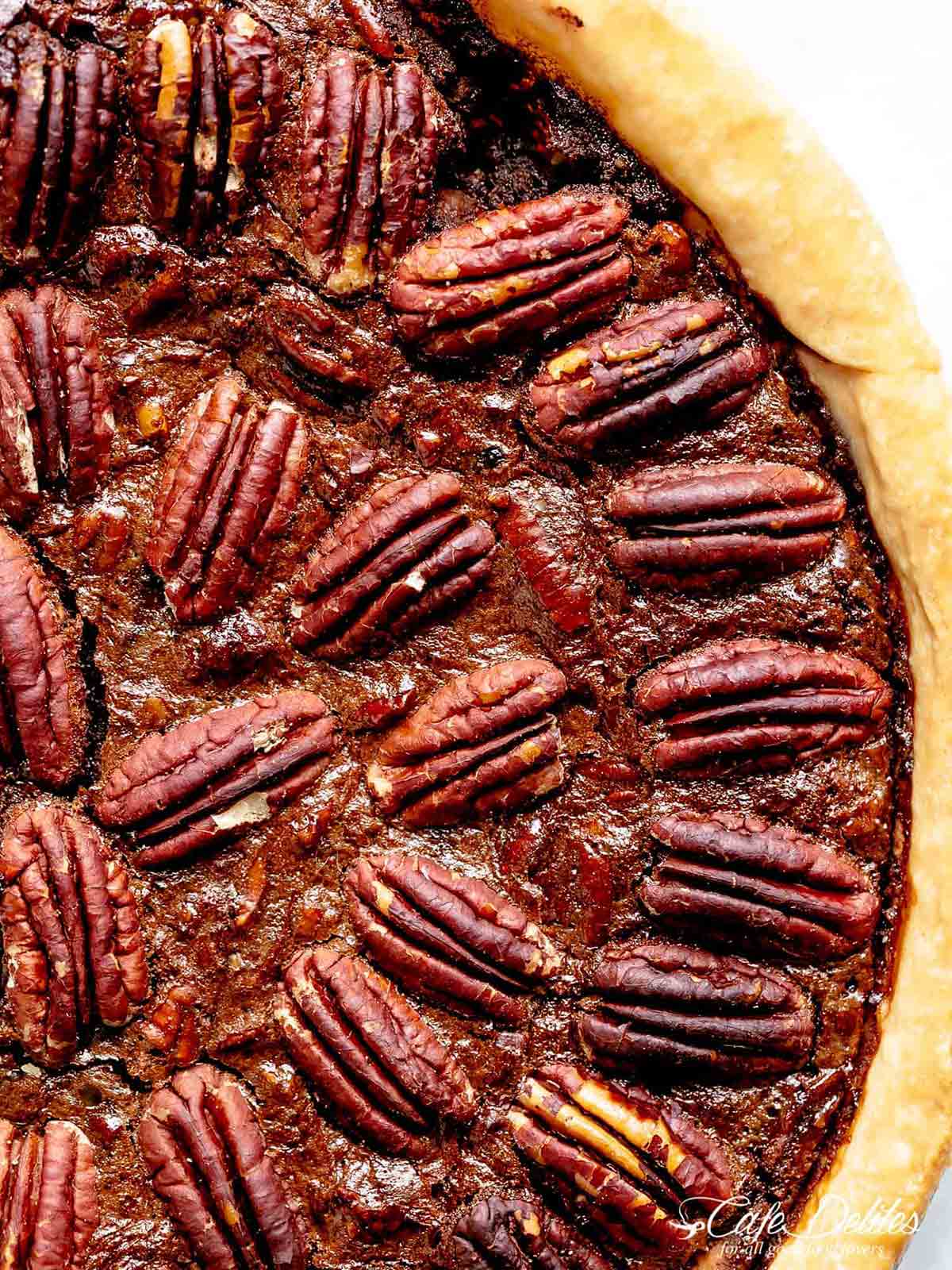
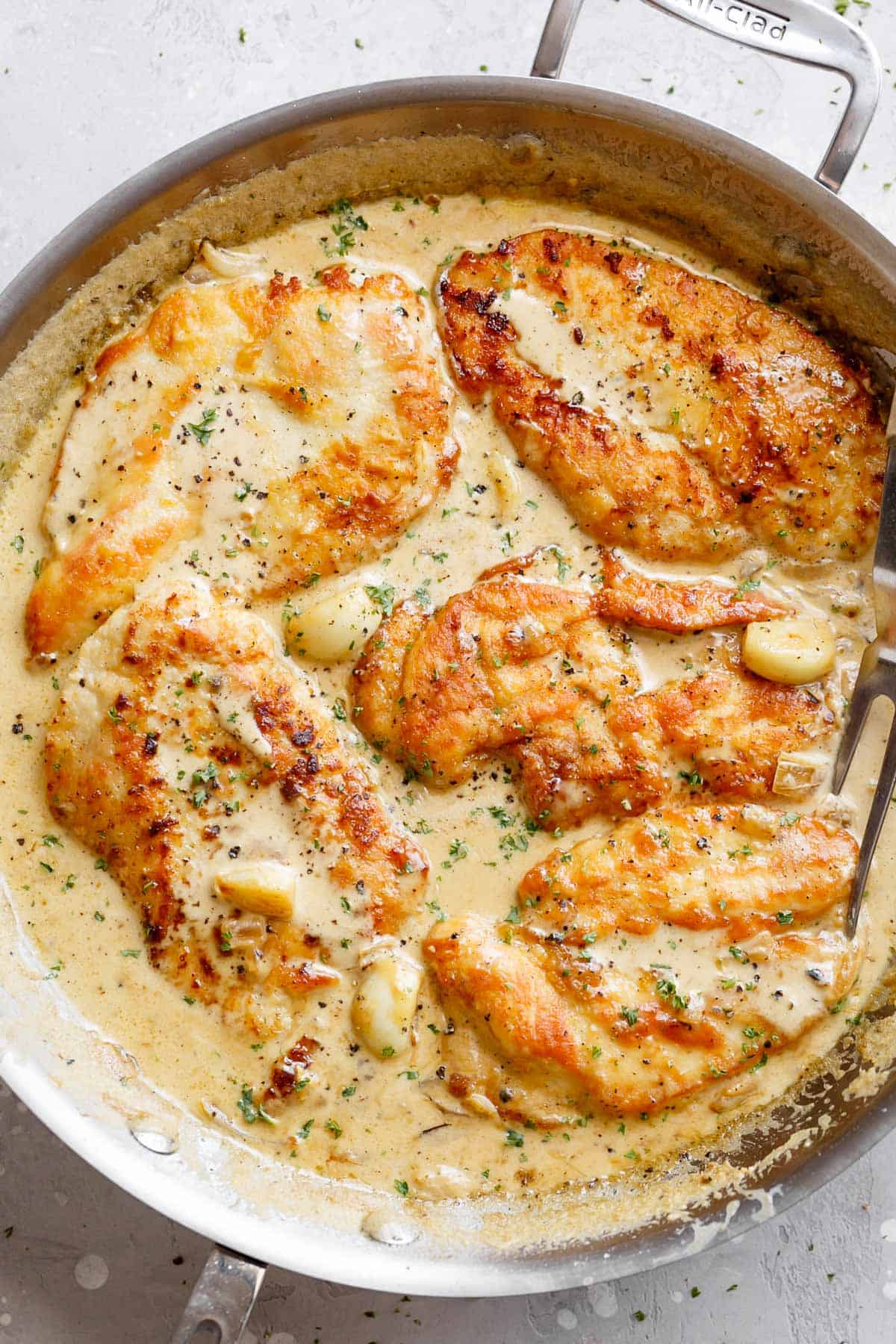
This buttery pie crust works beautifully with all kinds of fillings. It's good for sweet pies or something indulgent like our Easy Chocolate Pecan Piegiving each one a flaky, golden base. It also holds up well in savory dishes, from quiche Lorraine to classic chicken pot pie. No matter the filling, this crust delivers every time.
Pastry Pro Tips
- Keep everything as cold as possible from start to finish, especially the butter, because warmth is the quickest way to lose flakiness.
- Stop mixing as soon as the dough holds together, since overworking it leads to a tough crust instead of a tender one.
- Roll the dough between sheets of baking paper to keep it cool, reduce sticking, and make transferring it to the pie dish much easier.
- Chill the shaped crust before baking so it holds its shape and does not shrink once it hits the oven.
Recipe FAQ's
How Do we Keep The Dough From Sticking To My Fingers?We like to rub a little oil on our hands when bringing the dough together. It adds a touch of moisture and helps keep the dough from sticking to your fingers.
Why Is My Pie Crust Tough Instead Of Flaky?This usually means the dough was overworked or the butter softened too much. Keeping everything cold and handling the dough gently makes a huge difference.
How Long To Blind Bake A Pie Crust?Blind baking means pre-baking the crust without filling so it stays crisp and doesn't get soggy once filled. For a partially baked crust, bake at 375°F (190°C) for about 15 minutes, then remove the weights and bake another 5 minutes. For a fully baked crust, continue baking an additional 15–20 minutes until golden.
What you need
- 1 ¼ cups all-purpose flour spooned and levelled
- 1 tablespoon sugar
- ¼ teaspoon salt
- 3 ½ ounces unsalted butter cold, cubed, plus extra to butter your pie dish
- 4-6 tablespoons ice water
Method
- Lightly grease a 9-inch (23cm) pie dish with butter. Set aside.
- Sift flour, sugar and salt in a large bowl. Add butter and rub butter into flour with your fingertips until it resembles fine breadcrumbs.
- Make a well in the centre. Add 4 tablespoons of ice cold water and mix with a blunt knife in a cutting action until the mixture comes together to form small beads. (You can also use a pastry cutter.) Use a little extra water if you need it.
- Place a sheet of parchment paper onto a clean work surface. Gently gather the pastry together into a ball and transfer onto parchment paper. Place another piece of parchment paper over the top of the pastry.
- Roll pastry out between the 2 sheets of parchment paper unit large enough to fit a 9-inch (23 cm) pie dish (about 12 inches in diameter).
- Remove the top sheet of parchment paper. Gently place hands underneath the pastry and carefully roll the pastry into pie dish, parchment paper side up. Remove paper.
- Trim the edges leaving about 1 inch of overhang to pinch or flute the edges. Refrigerate for 20 minutes.