
Navigating the bustling pasta aisle at your local grocery store can feel overwhelming, with an endless array of noodle types promising different textures, flavors, and nutritional benefits. What was once a simple decision about choosing a shape has transformed into a quest for the “healthiest” option. From classic white pasta to innovative chickpea varieties, understanding the distinctions is key to making an informed choice that aligns with your dietary needs and culinary preferences. This comprehensive guide aims to demystify the world of pasta noodles, exploring their ingredients, nutritional profiles, and ideal culinary applications, so you can confidently select the perfect pasta for any meal.
Pasta noodles are undeniably a fantastic pantry staple. They boast an impressive shelf life, are incredibly budget-friendly, and with just a few additional ingredients, can transform into a satisfying meal in mere minutes. Yet, the sheer volume of options can make the selection process feel more complicated than it needs to be. Fret not! We’re here to break down everything you need to know, comparing popular choices like traditional white pasta, nutrient-rich whole wheat, gluten-free alternatives, and protein-packed legume-based pastas.
White Pasta: The Classic Choice
What is it: Traditional white pasta is crafted from refined wheat flour. This means that during processing, the wheat grain’s outer layers—the bran and germ—are removed. These parts are where the majority of the fiber, B vitamins, iron, and other essential micronutrients reside. The result is primarily the endosperm, which is rich in carbohydrates, offering a lighter texture and more neutral flavor profile compared to its whole grain counterparts.
Nutrition Information for White Pasta (85g serving):
- Approximately 2 to 2.5g of fiber
- 9-10g of protein
When to use it: Often, the purest joy in food comes from honoring your cravings and intentions. There are times when only classic white pasta will do. Its delicate texture and neutral taste make it an ideal canvas for robust sauces, allowing the rich flavors of your marinara, pesto, or Alfredo to truly shine. It’s the go-to for many beloved family recipes where tradition and authentic flavor are paramount. While it may not offer the same fiber boost as other options, it still provides a good source of energy and protein, and its undeniable comfort factor holds significant value in a balanced diet.
Smart Pasta: The Fiber-Enhanced Option
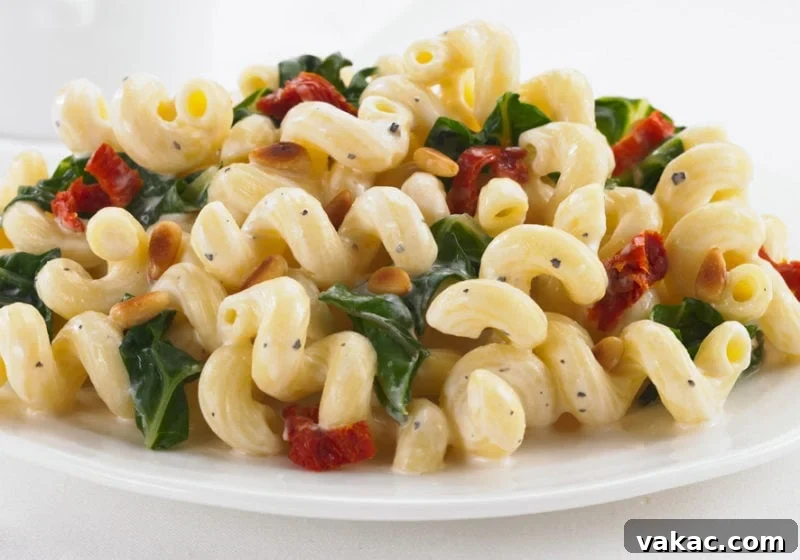
What is it: “Smart Pasta,” such as Catelli’s innovative offering, represents a clever fusion of tradition and enhanced nutrition. It’s essentially refined white pasta that has been fortified with added fiber, typically oat-hull fiber derived from the outer casing of oats. This ingenious modification allows it to closely mimic the taste and texture of conventional white pasta while significantly boosting its fiber content, bringing it closer to that of whole wheat varieties.
Nutrition Information for Smart Pasta (85g serving):
- Approximately 8g of fiber
- 11g of protein
When to use it: If you or your family are accustomed to the familiar taste and consistency of white pasta but wish to increase your daily fiber intake without a noticeable change in flavor or texture, Smart Pasta is an excellent bridge. It provides the perfect vehicle for delicate sauces where an overbearing grain flavor might be undesirable. This makes it a fantastic choice for parents introducing more fiber to children’s diets or anyone seeking a simple nutritional upgrade without compromising on the classic pasta experience. While the added fiber offers clear benefits, it’s worth noting that it might not provide the full spectrum of micronutrients found in naturally intact whole grains.
Whole Wheat Pasta: For Sustained Energy
What is it: Unlike its refined counterpart, whole wheat pasta is produced using the entire wheat kernel – including the bran, germ, and endosperm. This commitment to the whole grain ensures that you receive a richer nutritional profile. The bran contributes a significant amount of dietary fiber, the germ is packed with essential fatty acids, B vitamins, and vitamin E, while the endosperm provides carbohydrates and protein. This complete package delivers a powerhouse of nutrients, including iron, magnesium, zinc, and various antioxidants that are often stripped away in refined grains.
Nutrition Information for Whole Wheat Pasta (85g serving):
- Approximately 6.6g of fiber
- 13g of protein
When to use it: Whole wheat pasta is an exceptional choice when you need a meal that offers lasting satisfaction and sustained energy. The potent combination of fiber and protein works synergistically to slow down digestion, helping to stabilize blood sugar levels and prevent those post-meal energy crashes. This makes it an ideal option for lunch before a busy afternoon, dinner after an intense workout, or simply whenever you desire a truly nourishing and filling meal. Its slightly nuttier flavor and firmer, chewier texture pair beautifully with hearty sauces, roasted vegetables, and lean protein sources, creating a robust and wholesome dish.
Quinoa Pasta: Gluten-Free & Nutrient-Dense
What is it: As its name suggests, quinoa pasta is primarily made from quinoa, a pseudo-cereal grain celebrated for its exceptional nutritional value. Originating in the Andes Mountains of South America, where it has been a staple food for centuries, quinoa has gained global recognition as a superfood. Botanically a seed from a plant related to beets and spinach, quinoa is unique for being a complete protein, meaning it contains all nine essential amino acids necessary for human health. This makes it a rare plant-based source of complete protein, alongside a generous amount of fiber, B vitamins, magnesium, iron, and manganese. Quinoa pasta typically offers a slight nutty flavor and a firm, pleasant texture.
Nutrition Information for Quinoa Pasta (85g serving):
- Approximately 2.5g of fiber
- 4g of protein
When to use it: Quinoa pasta is an excellent choice for individuals following a gluten-free diet, whether due to celiac disease, gluten sensitivity, or simply a preference to reduce gluten intake. Its natural gluten-free status makes it a safe and delicious alternative to wheat-based pastas. Beyond its gluten-free advantage, it’s also a fantastic option for anyone seeking an extra boost of protein and essential micronutrients from a plant-based source. Its subtle nutty flavor complements lighter, fresh sauces, vegetable-focused dishes, and makes for an interesting culinary adventure. When exploring gluten-free options, remember to check labels carefully to ensure that the pasta is truly 100% gluten-free and hasn’t been cross-contaminated or mixed with other grains, especially if strict dietary adherence is required. Brown rice pasta is another popular gluten-free alternative worth exploring for its mild flavor and familiar texture.
Chickpea Pasta: A Plant-Based Protein Powerhouse
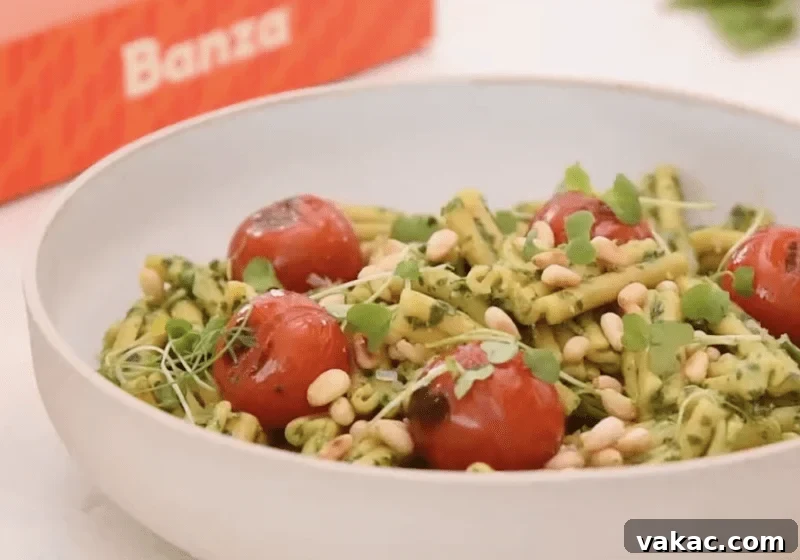
What is it: Chickpea pasta is a prime example of an innovative legume-based pasta, a category that also includes varieties made from lentils, edamame, and black beans. These pastas are revolutionizing the way we think about pasta, offering substantial nutritional advantages by replacing traditional grains with nutrient-dense legumes. For this guide, we’ll focus on chickpea pasta, which stands out for its impressive nutrient profile and versatility, although the nutritional information for other legume pastas will be quite similar. Made from ground chickpeas, this pasta brings a slightly denser texture and a mild, earthy flavor that beautifully complements a wide range of sauces.
Nutrition Information for Chickpea Pasta (85g serving):
- Approximately 7g of fiber
- 13g of protein
When to use it: As these noodles are crafted entirely from legumes and contain no wheat, they are naturally gluten-free, making them another excellent choice for those with celiac disease or gluten sensitivities (always double-check packaging for certification). Beyond being gluten-free, chickpea pasta excels in providing a significant boost of both fiber and protein, often rivaling or surpassing traditional wheat-based pastas. This makes it an optimal choice for blood sugar management, promoting long-lasting satiety, and providing sustained energy throughout the day. It’s particularly beneficial for vegetarians, vegans, or anyone looking to increase their plant-based protein intake. The robust texture holds up well with hearty sauces, vegetable-packed preparations, or as a base for cold pasta salads, adding a wholesome and satisfying dimension to your meals.
Making the Best Pasta Choice for You
With all the nutritional information laid out, it’s crucial to remember that the “healthiest” pasta choice isn’t solely defined by numbers on a label. It’s also about how a food makes you feel, your personal preferences, and the specific context of your meal. We can often get so focused on macronutrients and fiber counts that we overlook the joy and satisfaction that food brings.
- Craving Comfort and Tradition? If you’re longing for your favorite family recipe that just wouldn’t be the same without the classic taste and texture, don’t hesitate to reach for those fresh white pasta noodles. Food is meant to be enjoyed, and sometimes, the best choice is the one that brings the most pleasure and nostalgia.
- Need Sustained Energy and Satiety? If you have a long, demanding day ahead and need your lunch to keep you fueled and focused well into the afternoon, then whole wheat or chickpea pasta might be your best bet. Their higher fiber and protein content will provide lasting fullness and stable energy levels.
- Looking for an Extra Nutrient Boost or Gluten-Free Option? If you’re managing a gluten intolerance or simply want to explore nutrient-dense alternatives, quinoa or legume-based pastas like edamame or lentil pasta offer fantastic benefits. They introduce diverse flavors and textures while packing in extra protein, fiber, and micronutrients.
Ultimately, the best pasta noodle for you is the one that fits your lifestyle, satisfies your taste buds, and meets your dietary goals. Don’t be afraid to experiment with different types and discover new favorites. Each variety brings its unique qualities to the table, offering endless culinary possibilities.
How to Store Pasta Properly
Proper storage ensures your pasta remains fresh, delicious, and ready for your next meal. We recommend storing cooked pasta and sauce separately when possible. This strategy offers greater flexibility, allowing you to mix and match different sauce options throughout the week, preventing meal boredom, and accommodating varied sauce-to-noodle preferences.
Fridge Storage for Cooked Pasta
Cooked pasta can be safely stored in an airtight container in the refrigerator for 4-5 days. If you find the noodles have clumped together when reheating leftovers, simply run a little warm water over them or gently stir them into your sauce as it heats, and they will separate easily.
Freezer Storage for Cooked Pasta
Yes, you absolutely can freeze cooked pasta! This is a fantastic time-saver and a staple in many households, especially for quick toddler meals or last-minute dinners. Here’s how:
- Cook and Cool: Cook your pasta al dente according to package directions, then drain and rinse with cold water to stop the cooking process. Allow it to cool completely.
- Prepare for Freezing: For best results, lightly toss the cooled pasta with a small amount of olive oil to prevent sticking.
- Freeze Flat: Place the pasta in freezer-safe bags (ziplock bags are great for this; consider washing and reusing or opting for eco-friendly reusable options) or shallow airtight containers. Spread the pasta in a single layer to freeze flat. This makes it easier to break off portions later.
- Portion and Use: Once frozen solid, you can break off some or all of the noodles as needed.
- Reheat and Enjoy: Simply add your desired portion to your favorite pesto or sauce and gently reheat on the stovetop or in the microwave. Voila! Dinner in minutes.
Storing Dry Pasta Noodles
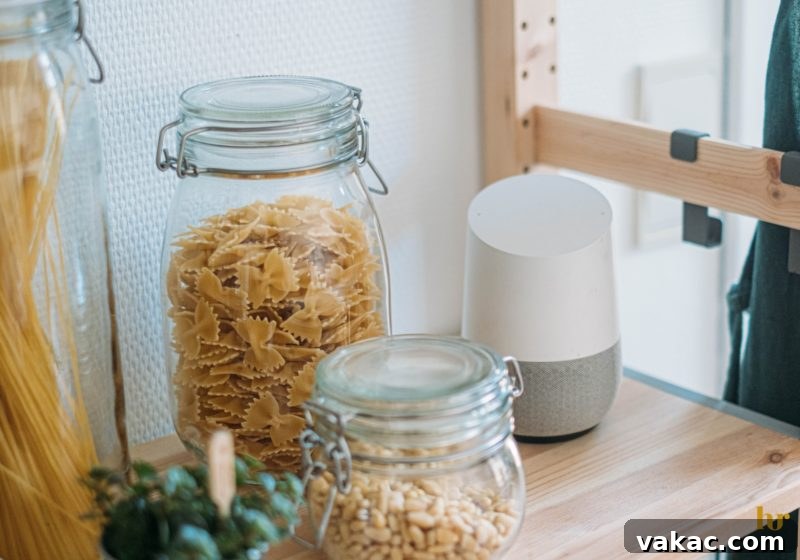
Uncooked dry pasta has an incredibly long shelf life. For optimal freshness and to prevent spoilage, store it in an airtight container in a cool, dry place away from direct sunlight. It can last for up to a year, or even longer if stored correctly. Clear glass jars or airtight plastic storage containers are ideal for easy identification and maintaining an organized pantry. Always practice FIFO (First-In, First-Out) by using older pasta before opening newer packages to ensure maximum freshness.
How to Meal Prep Pasta Efficiently
Pasta is a true superstar when it comes to quick and easy weeknight meals and efficient meal prepping. It cooks quickly, makes excellent leftovers, and is incredibly versatile. Here are a few tips to maximize your meal prep efforts:
- Double Your Recipe: When cooking pasta for a meal, consider doubling the quantity. This immediately provides planned leftovers for lunches or dinners later in the week, saving you precious time and effort on busy days.
- Freeze Extra Portions: Don’t let excess pasta go to waste. Freeze extra portions of cooked pasta (with or without sauce) for instant, healthy freezer meals. This is a game-changer for those evenings when you have no time to cook from scratch.
- Label Clearly Before Freezing: Always label your frozen pasta containers or bags with the date and contents. Food has a funny way of all starting to look the same once frozen, and clear labeling helps you identify meals quickly and ensure proper food rotation.
- Cook Pasta Al Dente: When meal prepping pasta, cook it slightly al dente. This prevents it from becoming mushy when reheated, ensuring a better texture for your leftovers.
Pasta Recipes You Might Want to Try!
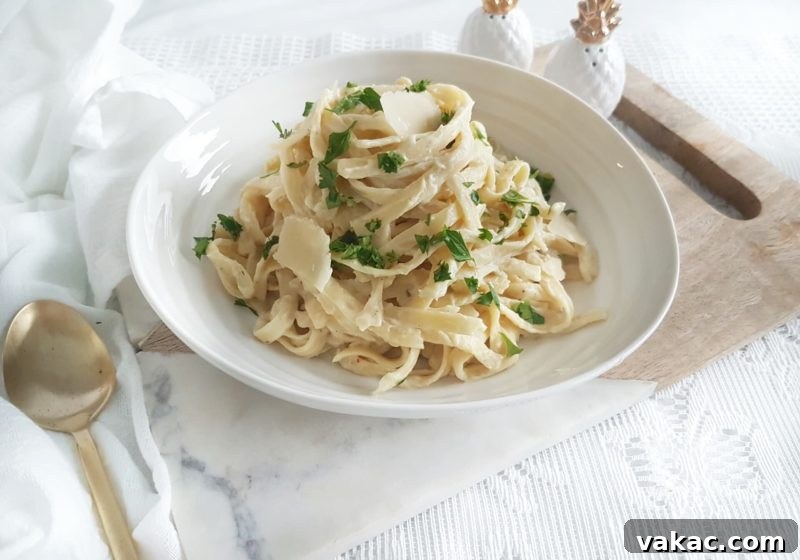
Best Ever Cauliflower Fettuccini Alfredo – Experience a surprisingly harmonious pairing of creamy cauliflower and classic fettuccini Alfredo for a lighter, yet equally indulgent dish!
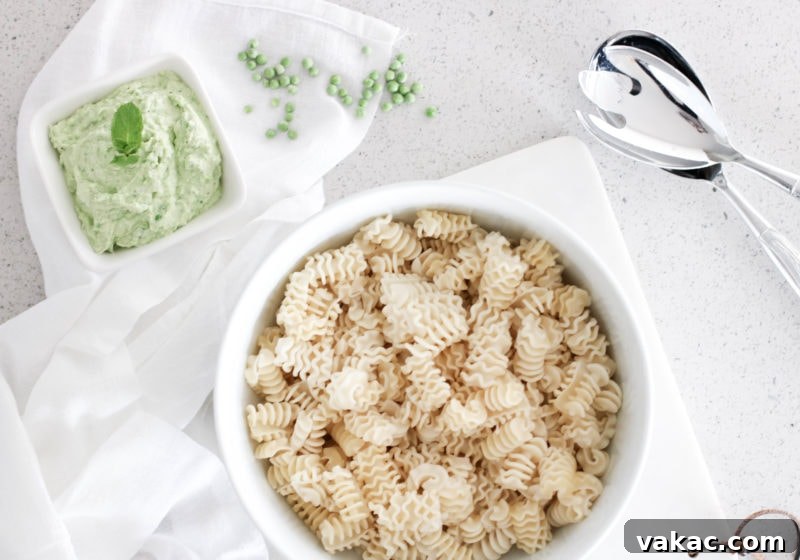
Sourdough Pasta with Ricotta, Mint, and Spring Pea Pesto – This gorgeous dish is a feast for the senses, satisfying both your eyes and soul as much as your body and taste buds with its vibrant flavors.
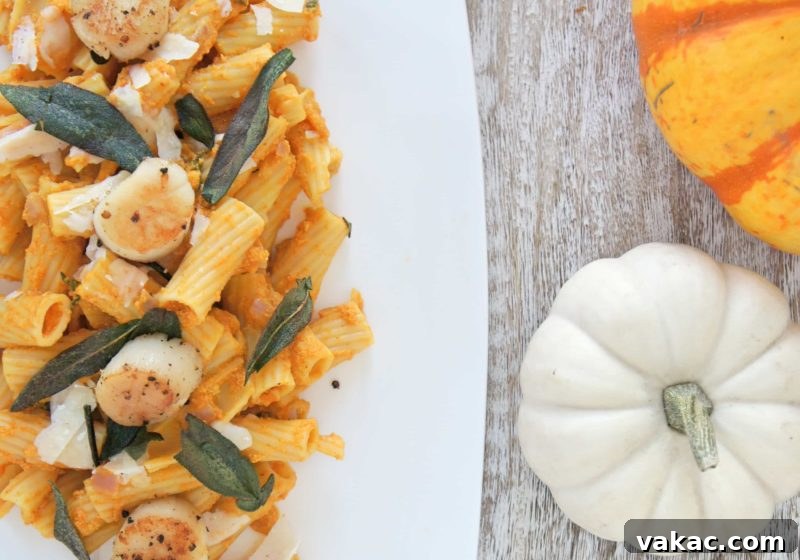
Healthy Creamy Pumpkin Sage Pasta with Seared Scallops – A highly nutritious and incredibly versatile dish combining the earthy sweetness of pumpkin with succulent seared scallops and your chosen pasta.
Happy Eating!