
Unlock Optimal Wellness: A Comprehensive Guide to Nurturing Your Gut Health
In the evolving landscape of health and wellness, gut health has rightfully emerged as a cornerstone of overall well-being. Far from being a passing trend, prioritizing a healthy gut offers profound benefits that extend beyond digestion, influencing everything from our mood and immunity to energy levels and nutrient absorption. Our gut, often referred to as our “second brain,” is an intricate ecosystem teeming with trillions of microorganisms that play a pivotal role in our physical and mental health. Supporting this vital system through mindful eating, hydration, physical activity, and stress management is an investment that yields significant returns. This comprehensive guide explores simple yet powerful practices you can integrate into your daily life to cultivate a thriving gut and prevent common digestive discomforts like sluggish digestion.
By understanding the critical interplay between our lifestyle choices and our gut microbiome, we can empower ourselves to make informed decisions that foster long-term health. The journey to a healthier gut doesn’t require drastic overhauls; rather, it’s about incorporating sustainable habits that nourish our internal environment. Let’s delve into actionable strategies that promise to revolutionize your digestive health and elevate your overall vitality.
Fuel Your Microbiome: The Power of Gut-Friendly Foods
The foods we choose are perhaps the most direct way to influence our gut health. A diverse and balanced diet rich in specific nutrients can significantly enhance the beneficial bacteria in our digestive tract, leading to improved function and resilience.
The Role of Prebiotics: Feeding Your Good Bacteria
Prebiotics are specialized plant fibers that act as “food” for the beneficial bacteria (probiotics) residing in your gut. Just like any living organism, these good bacteria need proper nutrition to thrive and perform their essential functions. Incorporating prebiotic-rich foods into your diet is crucial for fostering a robust and diverse gut microbiome. Among the best prebiotic foods available are California Prunes.
California Prunes are an exceptional source of gut-healthy fiber, providing approximately 3 grams per serving. This fiber is not just any fiber; it’s a unique blend that supports regular bowel movements and acts as a potent prebiotic, encouraging the growth of beneficial gut flora. Beyond their fiber content, prunes are packed with powerful antioxidants that combat oxidative stress and inflammation throughout the body, including the gut. Emerging research also highlights their significant role in supporting bone health, with studies indicating their ability to slow bone loss, particularly in post-menopausal women. Their natural sweetness and chewy texture make them an incredibly versatile and convenient snack.
Here’s a simple, delicious, and convenient way to enjoy them:
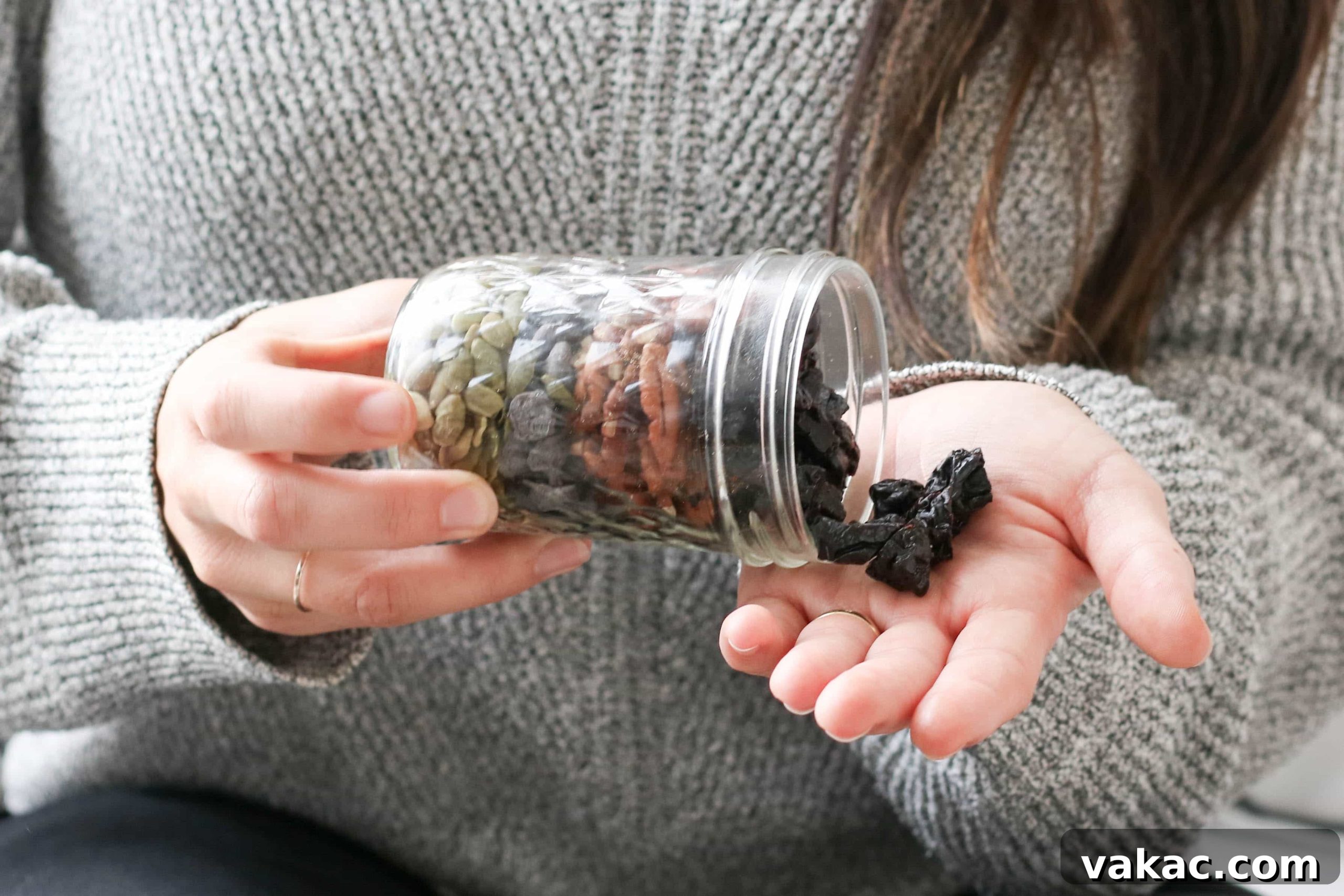
Sweet & Salty Prune Trail Mix
- 3-5 California Prunes, whole or chopped
- 2 Tbsp pumpkin seeds
- 1-2 Tbsp dark chocolate chips
- 2 Tbsp pecans or walnuts (for an extra flavor boost, toast them lightly with a pinch of cinnamon, nutmeg, and cayenne pepper – it’s a game changer!)
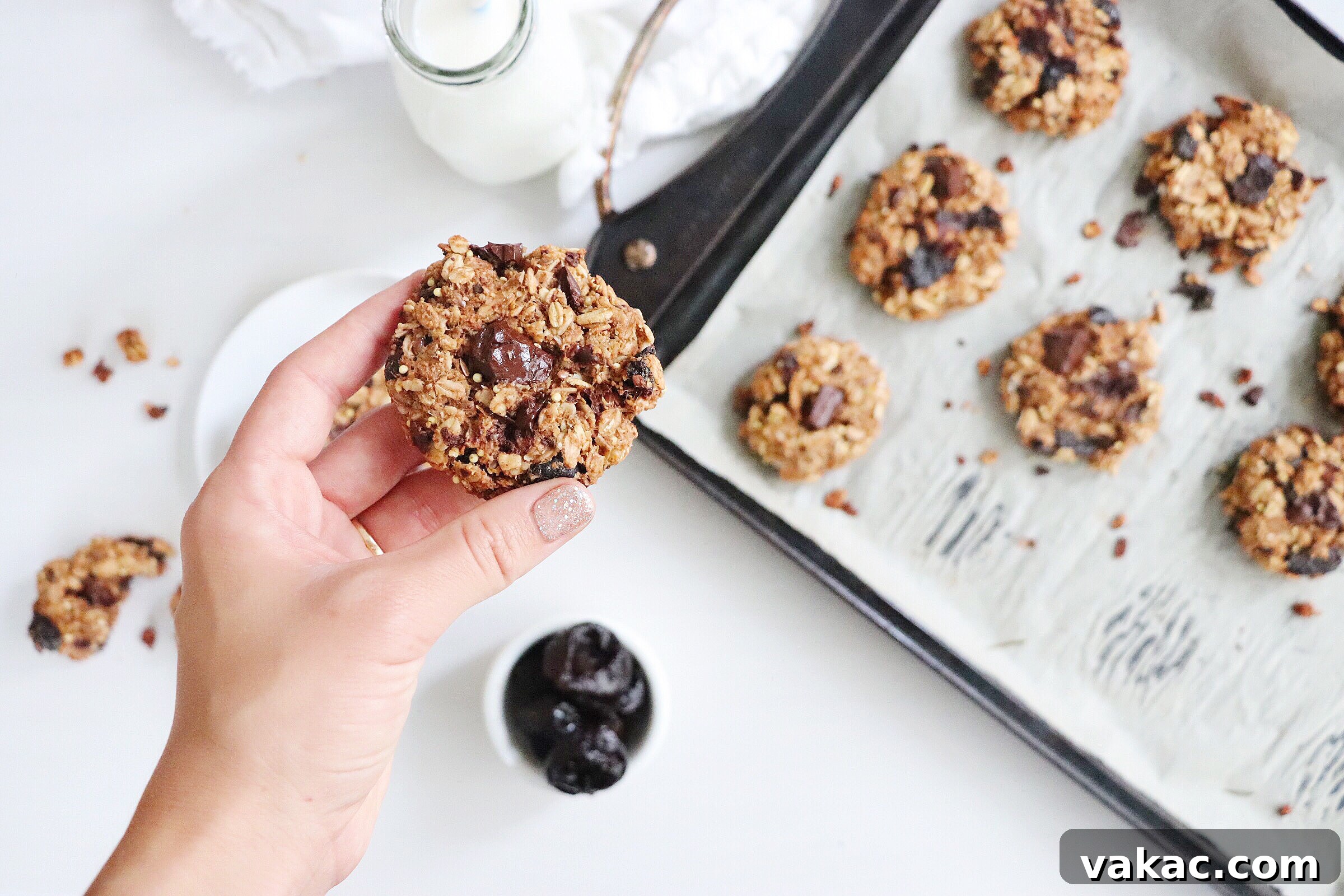
This trail mix is not only a fantastic gut-friendly snack but also serves as an excellent post-workout fuel, helping you replenish energy and nutrients effectively. For more digestive-friendly recipes featuring prunes, consider trying these One Bowl Breakfast Power Cookies or the decadent Deconstructed Pumpkin Pie with Pecan Prune Crumble.
Other excellent sources of prebiotics include garlic, onions, leeks, asparagus, bananas, apples, oats, and barley. Aim to include a variety of these foods in your daily meals to provide a diverse diet for your gut bacteria.
Embracing Probiotics: Boosting Your Gut’s Good Guys
Probiotics are live microorganisms, primarily bacteria and yeasts, that provide numerous health benefits when consumed. These “good bacteria” naturally inhabit your intestines, contributing to a balanced gut flora that is essential for various bodily functions. The benefits of a healthy probiotic population are vast and well-researched, encompassing improved digestion and nutrient absorption, enhanced immune function, decreased inflammation, and even positive impacts on mood and brain health. Many studies highlight the strong connection between gut bacteria and the gut-brain axis, underscoring the importance of a flourishing microbiome for mental well-being.
Adopting a “foods first” approach is an excellent starting point for increasing your probiotic intake. Fermented foods are natural powerhouses of probiotics, created through a process where microorganisms convert carbohydrates into other compounds, often enhancing their nutritional profile and preserving them. Here are some fantastic probiotic-rich foods to add to your diet:
- Kefir: A fermented milk drink with a tart, refreshing taste, packed with a wider variety of beneficial bacteria and yeasts than yogurt.
- Kimchi, Sauerkraut, and other Fermented Vegetables: These fermented cabbage dishes (and other vegetables) are rich in lactobacilli and other probiotic strains. Their pungent flavors can add an exciting kick to meals.
- Miso: A traditional Japanese seasoning made from fermented soybeans, miso is not only a source of probiotics but also essential amino acids and minerals.
- Tempeh: Another fermented soybean product, tempeh has a firm, nutty texture and is an excellent plant-based protein source, also contributing beneficial bacteria.
- Kombucha: A fizzy, fermented tea drink that offers a refreshing way to consume probiotics, along with antioxidants.
While a diet rich in probiotic foods is highly beneficial, in certain cases, especially when managing specific health conditions or seeking targeted support, a probiotic dietary supplement may be considered. When choosing a supplement, it’s vital to be discerning:
- Look for supplements that provide at least 10 billion CFUs (Colony Forming Units) per dose, as this indicates a significant concentration of live bacteria.
- Research the specific strains of bacteria included in the supplement, as different strains offer different benefits. A valuable resource like probioticchart.ca can help you verify if a supplement has scientific research to back its claims. Remember, not all probiotic supplements are created equal; efficacy depends heavily on the presence of live, viable cultures and appropriate strains for your needs.
Hydration is Key: Essential for Smooth Digestion
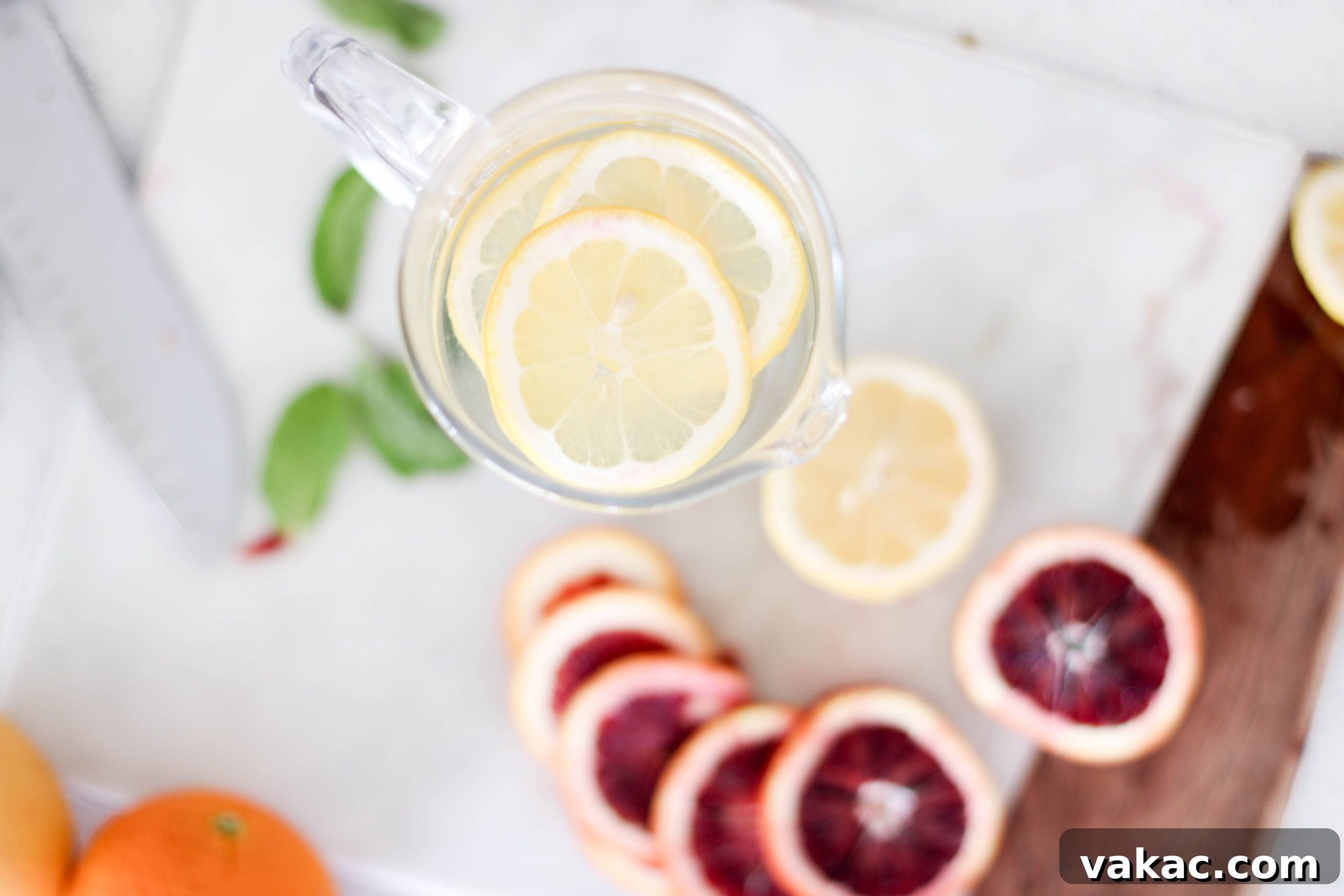
We often emphasize the importance of fiber for digestive health, and rightly so. Fiber adds bulk to stool and helps it move through the digestive tract. However, fiber cannot perform its duties effectively without adequate fluid intake. Paradoxically, consuming plenty of fiber without sufficient hydration can lead to constipation and discomfort, effectively “plugging you up.” Therefore, staying well-hydrated is a fundamental component of the digestive health equation.
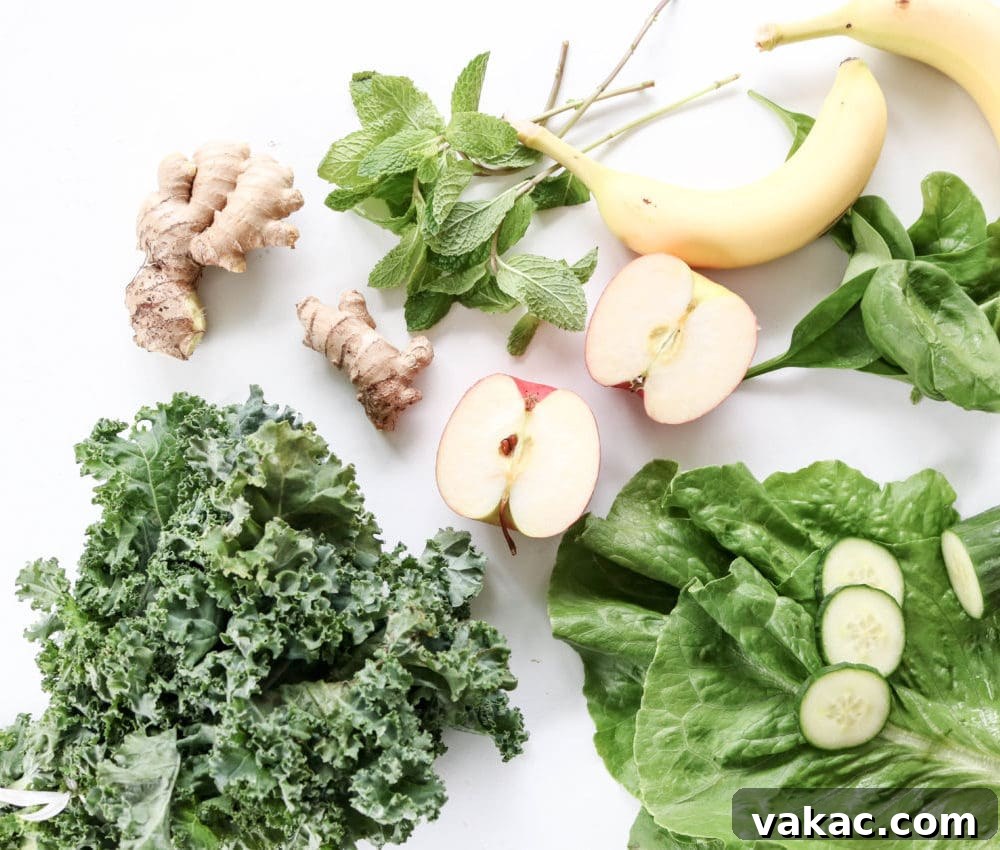
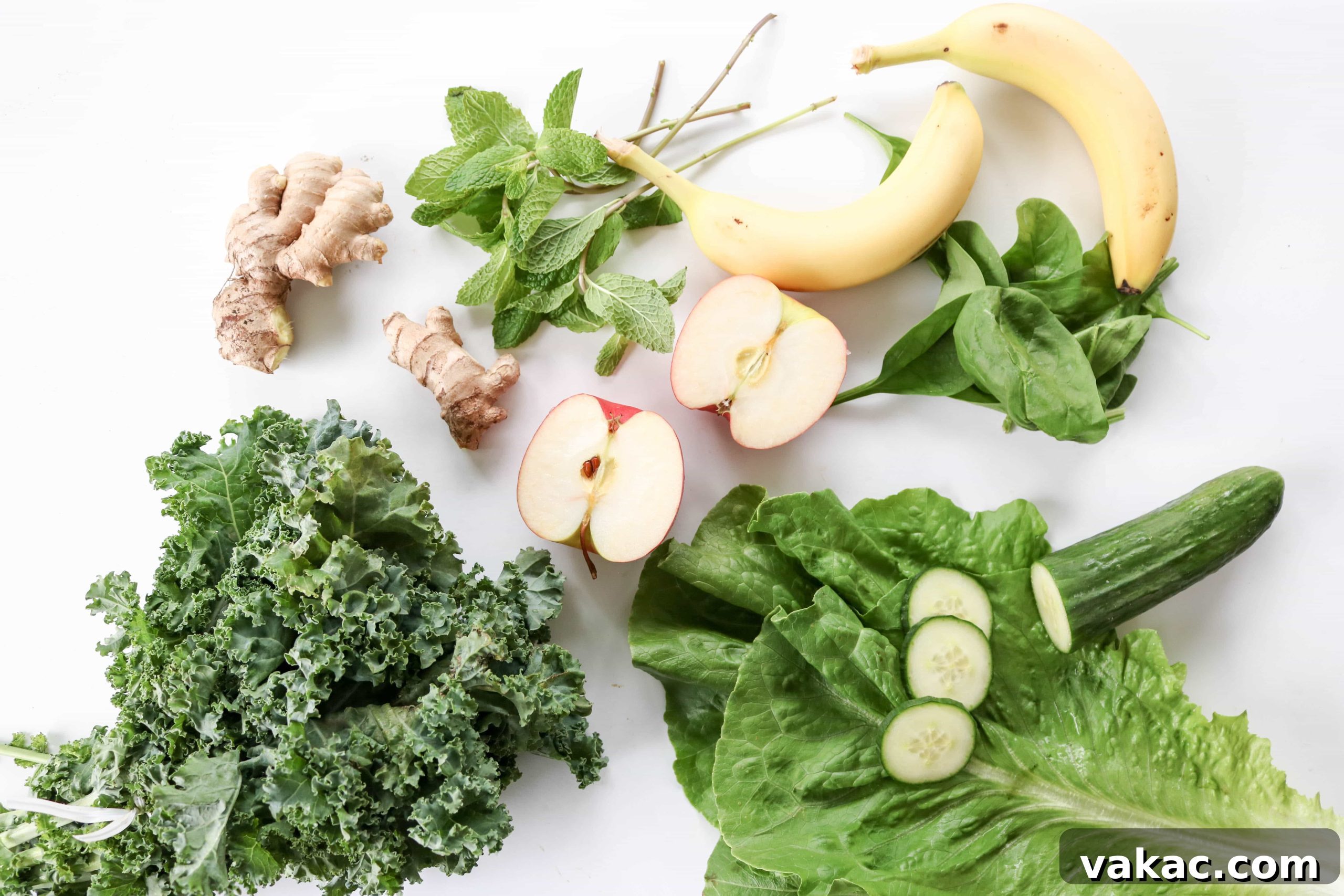
Water is, of course, the best choice for hydration. However, to keep things interesting and ensure you meet your daily fluid requirements, you can explore other delicious options. Sipping on a refreshing green juice, herbal teas, or enjoying a gut-loving smoothie can contribute significantly to your hydration goals and provide additional nutrients. Remember, your body loses water constantly through breathing, sweating, and urination, so regular replenishment is essential.
Here’s a fantastic recipe for a gut-friendly smoothie that not only hydrates but also packs a nutritional punch:

The Feel-Good Meal Plan
My Bestselling Cookbook is Now Available!
A fresh take on meal prep with over 100 nourishing recipes to feed your family with ease.
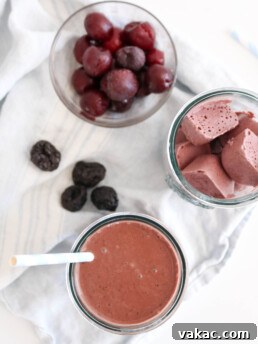
Dark Chocolate Cherry Smoothie
- Author: Lindsay Pleskot
Prep Time: 3 min
Cook Time: 60 seconds
Total Time: 4 min
Yield: 1 serving
Category: Beverages
Method: Blended
Cuisine: American
Description
This smoothie is the perfect quick & easy breakfast or snack. Packed with fiber and protein it is great for digestion, energy, blood sugar balance, and it tastes delicious!
Ingredients
- ¾ cup dark cherries, frozen
- 5 California Prunes
- ½ cup unsweetened vanilla almond or cashew milk (creamy cashew is highly recommended!)
- ½ cup 0-2% plain Greek yogurt
- 2 tsp cacao powder
- Pinch of coarse salt
Instructions
- Combine all ingredients in a blender and blend until completely smooth, typically 30-60 seconds.
- For convenient future use, pour the smoothie mixture into ice cube trays (approximately one ice cube tray per smoothie serving).
- Freeze overnight until solid. Once frozen, remove the smoothie cubes from the trays and store them in a freezer-safe ziplock bag. This allows you to easily pull out cubes as needed for a quick smoothie.
Notes
Muffin tins are another excellent option for freezing larger batches of smoothie mix into convenient pucks. This method can be more efficient for bulk preparation. When choosing between cubes and pucks, consider your preferred drinking vessel: cubes easily fit into water bottles, while pucks are better suited for cups or bowls.
Nutrition
- Serving Size: 1
Pro Tip: “Chew” Your Liquids. Even smoothies benefit from a moment of mindfulness. Swishing your smoothie around in your mouth slightly before swallowing can activate digestive enzymes in your saliva, signaling to your stomach that food is on its way and preparing it for optimal absorption. This simple practice enhances the entire digestive process.
Move Your Body, Move Your Gut: The Digestive Benefits of Exercise
The myriad benefits of physical activity are well-documented, and improved digestion is certainly among them. Regular movement plays a crucial role in maintaining gut health, extending beyond just calorie burning and muscle strengthening. Physical activity is a powerful tool for managing stress, a known disruptor of digestive harmony. Furthermore, it directly aids the digestive process through several mechanisms.
Firstly, gravity naturally assists the movement of food through your digestive tract when you are upright and active. Secondly, the physical movements involved in exercise, particularly those that engage your core, can gently massage your internal organs. This “twisting and moving” action helps stimulate peristalsis, the wave-like muscular contractions that propel food and waste through your intestines, preventing stagnation and promoting regular bowel movements. Increased blood flow during exercise also supports the digestive organs, enhancing their efficiency.
The key to consistent physical activity is finding something you genuinely enjoy. This enjoyment fosters adherence, making it much more likely that you’ll stick to your routine and reap its multifaceted rewards. Consider exploring different activities until you find your perfect fit:
- Yoga: Offers a blend of physical movement, breathing exercises, and mindfulness that can significantly improve gut motility and reduce stress. Specific poses are known to aid digestion.
- Running or Hiking: Excellent cardiovascular exercises that boost circulation and stimulate intestinal activity. Getting outdoors also offers the added benefit of fresh air and nature exposure.
- Barre or Spin Class: These high-energy classes provide a structured workout that can be both challenging and fun, promoting overall fitness and digestive regularity.
- Pilates: Focuses on core strength and flexibility, which can support abdominal muscles crucial for bowel function.
- Brisk Walking: Even a simple daily walk can make a huge difference, especially after meals, to kickstart digestion.
The more you enjoy your chosen activity, the more consistent you’ll be, and the more profound the benefits will be for both your physical and mental health, including a happier gut.

Find Your Calm: The Profound Link Between Stress and Gut Health
Have you ever experienced butterflies in your stomach before a big presentation, or lost your appetite when feeling anxious? These common sensations are not merely psychological; they are tangible manifestations of the profound connection between your brain and your gut. This intricate communication system, known as the gut-brain axis, involves a constant dialogue via nerves (like the vagus nerve), hormones, and the immune system. This bidirectional highway means that not only can your gut health significantly impact your mood and cognitive function, but your thoughts and emotions—especially stress, anxiety, and depression—can directly influence your digestive process.
Chronic stress, in particular, can wreak havoc on your digestive system. It can alter gut motility, increase gut permeability (leading to “leaky gut” syndrome), change the composition of your gut microbiota, and exacerbate conditions like Irritable Bowel Syndrome (IBS). Understanding this “chicken or the egg” dynamic—where gut issues can cause stress and stress can cause gut issues—underscores the vital importance of holistic self-care that addresses both mental and digestive well-being.
Cultivating peace and calm is not just beneficial for your mind; it’s essential for a harmonious gut. Incorporating stress-reduction techniques into your daily routine can significantly improve digestive function and overall health. Here are some effective ways to calm your nervous system and support your gut:
- Meditate Daily: Even a few minutes of focused breathing and mindfulness can reduce cortisol levels, the primary stress hormone, and promote a state of relaxation conducive to good digestion. Apps like Headspace or Calm can guide you.
- Practice Mindfulness: Be present in your daily activities. This could mean savoring each bite of your meal, truly listening during a conversation, or simply noticing your breath throughout the day. Mindfulness helps to detach from anxious thoughts.
- Take a Warm Bath or Shower: The soothing warmth can relax tense muscles and calm your mind, signaling to your body that it’s time to rest and digest. Add Epsom salts for an extra therapeutic effect.
- Establish a Digital Detox Before Bed: Avoid screens (phones, tablets, computers, TV) for at least 1-2 hours before sleep. The blue light emitted by devices can interfere with melatonin production, disrupting your sleep and subsequently your gut rhythm.
- Mindful Mornings: Resist the urge to check your phone or dive into emails immediately upon waking. Dedicate the first hour of your day to peaceful activities like reading, stretching, or enjoying a quiet cup of tea. Starting your day with calm sets a positive tone for both your mind and gut.
- Deep Breathing Exercises: Simple diaphragmatic breathing can activate your parasympathetic nervous system (the “rest and digest” system), helping to slow your heart rate and promote relaxation.
- Spend Time in Nature: Exposure to natural environments has been shown to reduce stress, lower blood pressure, and improve mood, all of which indirectly benefit gut health.
Conclusion: A Holistic Path to Digestive Harmony
Nurturing your gut health is a multifaceted journey that integrates dietary choices, hydration, physical activity, and stress management. By consciously incorporating prebiotic and probiotic-rich foods like California Prunes and fermented vegetables, ensuring adequate hydration, staying physically active, and proactively managing stress, you can create an optimal environment for your gut microbiome to flourish. This holistic approach not only alleviates digestive discomforts but also unlocks a cascade of benefits, from enhanced immunity and nutrient absorption to improved mood and energy levels.
Remember, consistency is key, and even small, incremental changes can lead to significant improvements over time. Listen to your body, experiment with these practices, and discover what truly makes your gut—and you—feel good. I sincerely hope you found these insights helpful on your path to optimal wellness. I’d love to hear your favorite strategies for supporting good digestion and a healthy gut! Please share your thoughts in the comments below. And if you try out any of these recipes or tips, be sure to tag me @lindsaypleskot over on Instagram with #makefoodfeelgood!
A heartfelt thank you to the California Prune Board for sponsoring this healthy post! I am committed to partnering only with brands I genuinely love and integrate into my daily life. Their support is invaluable in keeping lindsaypleskot.com running and providing valuable content to you.