
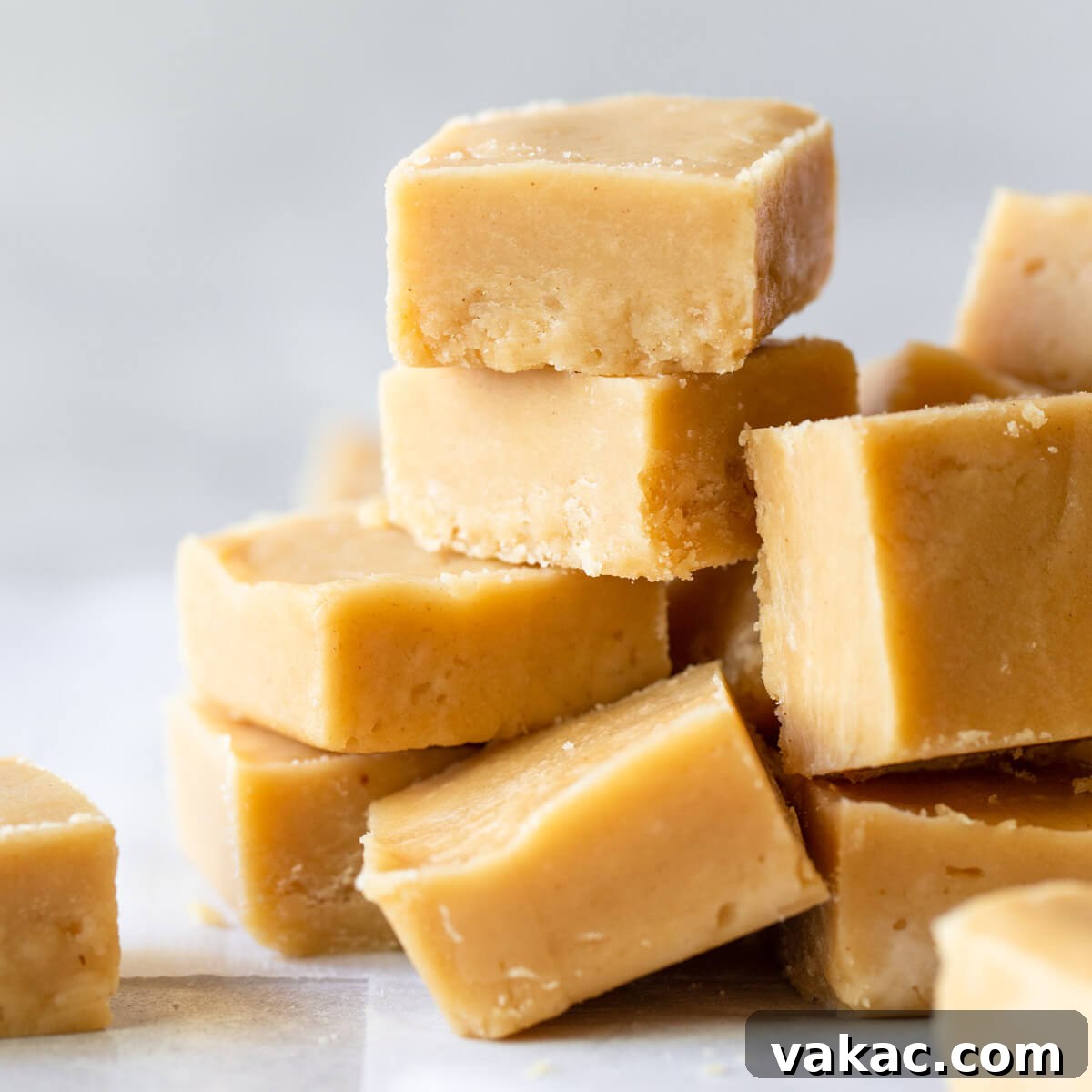
Irresistibly Easy Peanut Butter Fudge: Your New Go-To Dessert
Indulge in the rich, creamy delight of homemade peanut butter fudge, a recipe so simple it requires only a handful of ingredients and absolutely no candy thermometer. Perfect for satisfying sweet cravings or sharing a delightful treat, this fuss-free recipe is set to become your favorite!
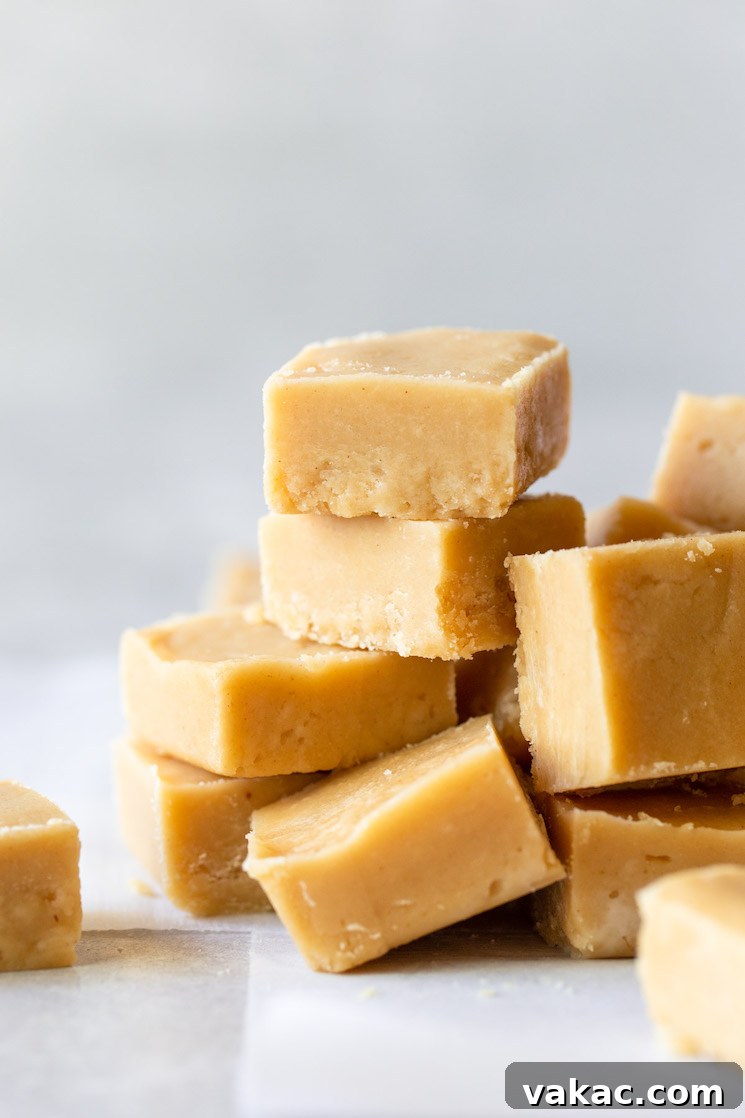
The Allure of Homemade Peanut Butter Fudge
If you’re anything like me, the mere mention of peanut butter desserts sends your taste buds into a frenzy! The classic combination of sweet and savory in peanut butter is simply irresistible, making it a perfect base for countless treats. A while back, I shared an easy chocolate fudge recipe that quickly became a fan favorite. Building on that success, I’m thrilled to bring you a peanut butter version that’s just as decadent, smooth, and utterly delicious – but with that distinctive nutty flavor we all adore.
What makes this peanut butter fudge recipe truly special is its incredible simplicity. Forget about complicated techniques, endless lists of ingredients, or the need for specialized equipment like a candy thermometer. This recipe calls for just five basic ingredients – most of which you likely already have in your pantry – plus a touch of vanilla extract and a tiny pinch of salt to enhance the flavor. It’s entirely no-bake, which means less time hovering over a hot oven and more time enjoying your creation. While I prefer the stovetop method for its consistent heat, it’s also incredibly adaptable and can be made just as easily using a microwave, offering ultimate flexibility for your busy schedule.
One of the aspects I cherish most about this particular recipe is its accessibility. You rarely need to make a special trip to the grocery store, as the core ingredients are kitchen staples. This makes it an ideal last-minute dessert option or a spontaneous treat. Furthermore, the recipe is incredibly versatile in terms of quantity. Whether you’re making a small batch for yourself or scaling it up to feed a crowd at a party, it can be effortlessly halved or doubled without compromising on taste or texture. This adaptability ensures perfect results every time, no matter the occasion.
Understanding Your Ingredients: The Key to Perfect Fudge
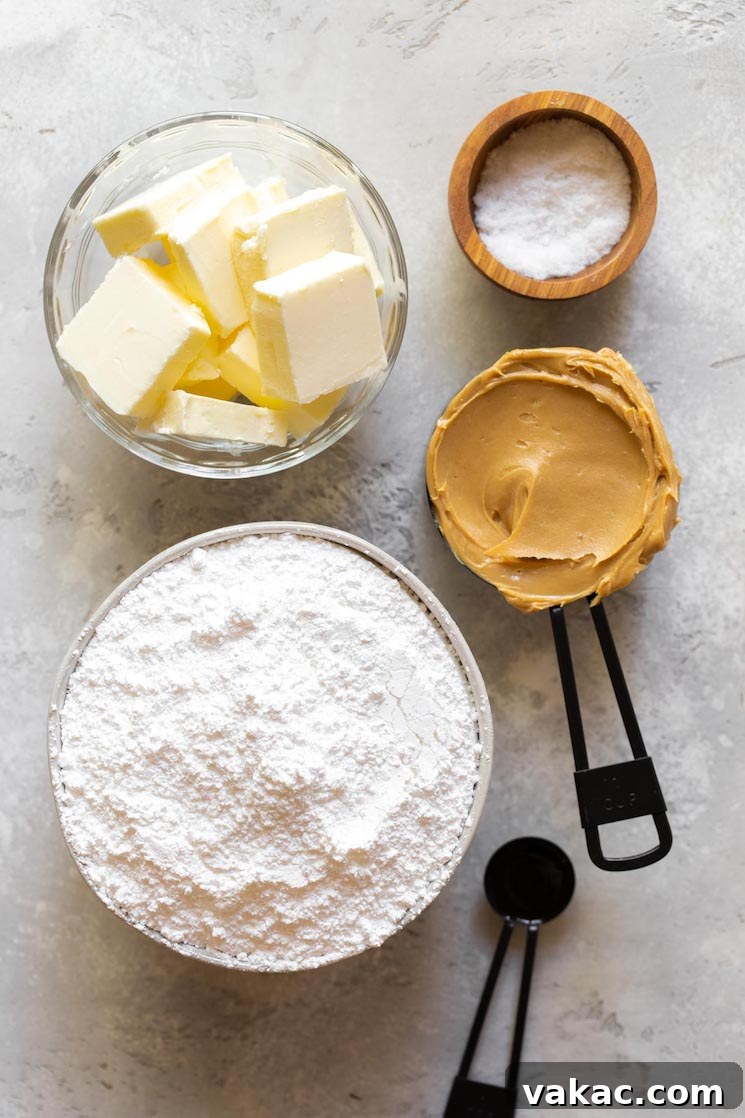
Crafting this delightful peanut butter fudge requires only five essential ingredients. Each plays a crucial role in achieving that perfect creamy texture and rich flavor. Let’s explore each one in detail to understand its contribution to this irresistible treat:
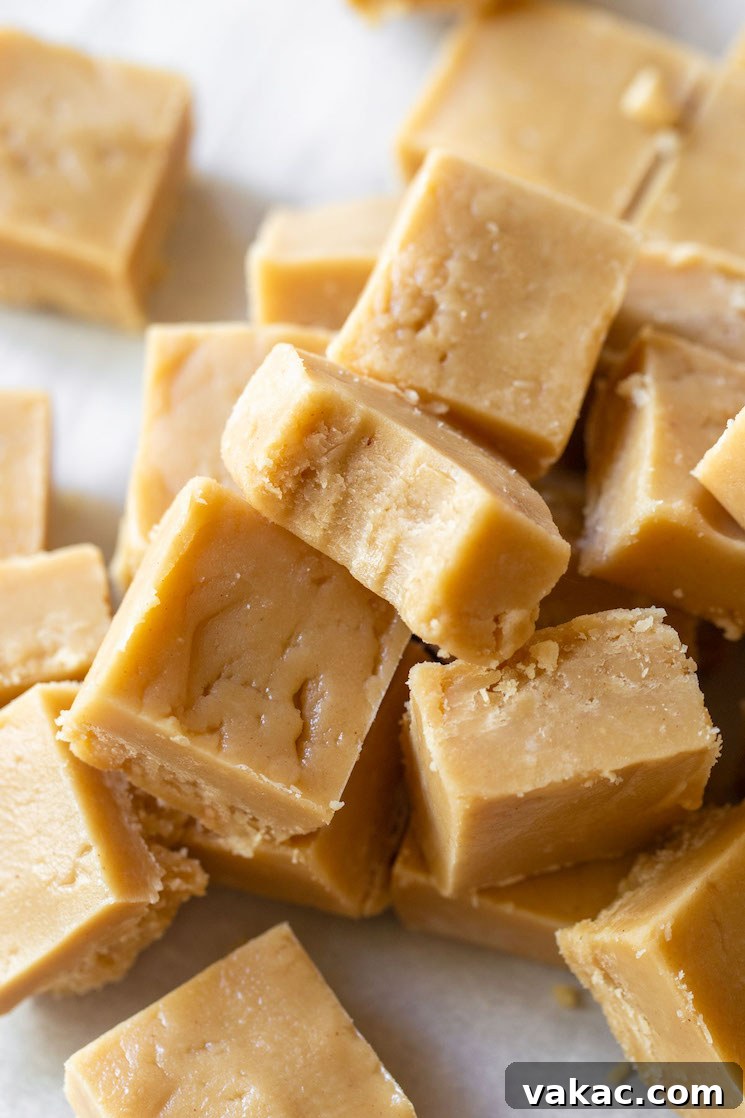
- Peanut Butter: The star of our show! For optimal results, it’s paramount to use a thick, creamy peanut butter. Brands like Jif or Skippy are excellent choices. Avoid using natural peanut butter where the oil tends to separate at the top of the jar. The varying oil content and consistency of natural peanut butter can prevent the fudge from setting properly, leading to a softer, potentially greasy texture that doesn’t hold its shape as well. The uniform texture of conventional creamy peanut butter is vital for a smooth, well-structured fudge. Crunchy peanut butter can also work if you enjoy a little texture, but ensure it’s a stable, non-separating variety.
- Unsalted Butter: Butter provides richness and helps to create the smooth, melt-in-your-mouth texture characteristic of fudge. I strongly recommend sticking with unsalted butter for this recipe. The primary reason is control: the amount of salt in different brands of salted butter can vary significantly, which can throw off the delicate balance of flavors in your fudge. Using unsalted butter allows you to add a precise amount of salt later, ensuring consistent results and preventing your fudge from becoming overly salty. If you only have salted butter on hand, you can use it, but omit or significantly reduce the additional salt in the recipe.
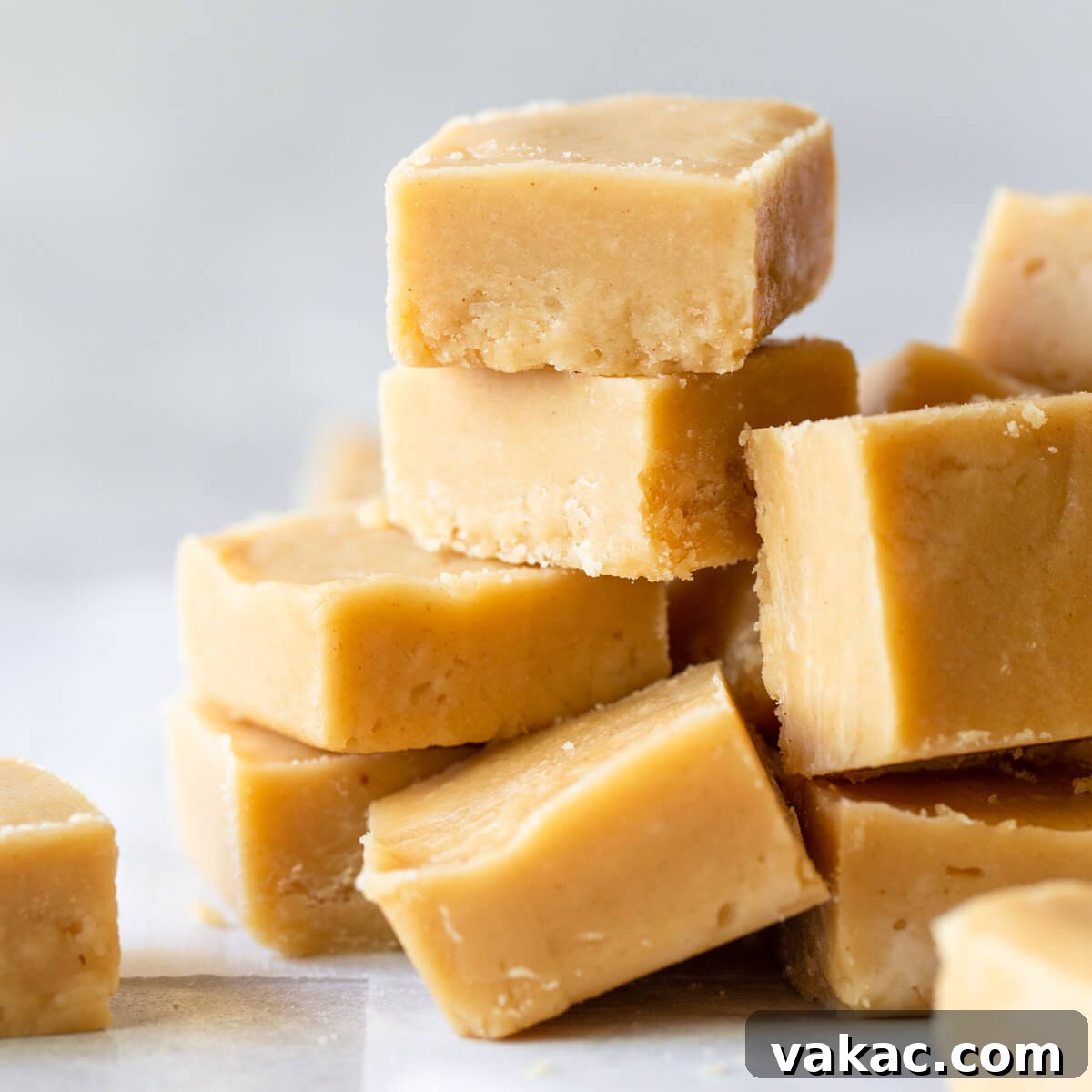
- Powdered Sugar: Also widely known as confectioners’ sugar or icing sugar, this finely milled sugar is indispensable for both sweetening and thickening the fudge. Its delicate texture dissolves easily, contributing to the exceptionally smooth consistency without any grittiness. Unlike granulated sugar, which can create a coarser texture, powdered sugar ensures your fudge has that desirable velvety mouthfeel. It also acts as a primary binding agent, giving the fudge its solid form once chilled.
- Pure Vanilla Extract: A splash of pure vanilla extract elevates the overall flavor profile of the fudge, adding a layer of warmth and complexity that complements the peanut butter beautifully. While it might seem like a minor addition, vanilla plays a significant role in enhancing the richness and rounding out the sweetness, making the fudge taste more gourmet. Always opt for pure vanilla extract over imitation vanilla for the best flavor.
- Salt: A tiny pinch of salt is crucial for balancing the sweetness of the powdered sugar and enhancing the natural savory notes of the peanut butter. It doesn’t make the fudge taste salty, but rather acts as a flavor enhancer, preventing the dessert from being overwhelmingly sweet and bringing out the depth of the other ingredients. This small addition makes a remarkable difference in the overall enjoyment of the fudge.
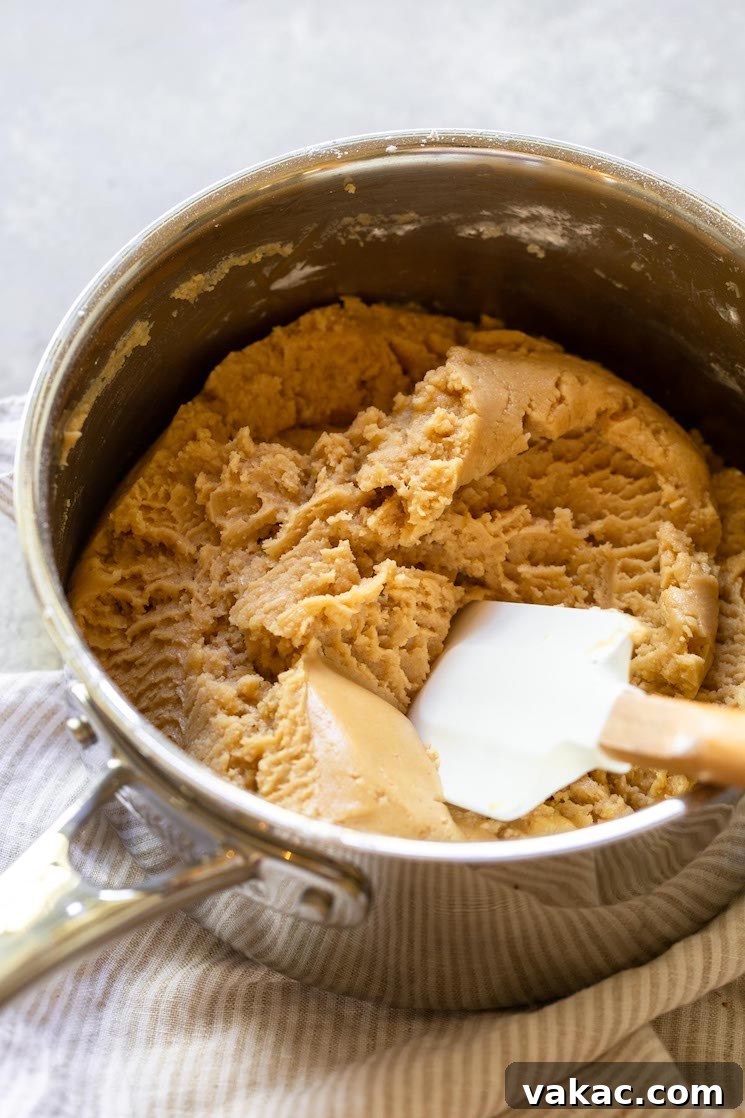
Crafting Your Fudge: Step-by-Step Instructions
With all your ingredients measured and ready, it’s time to bring this delicious peanut butter fudge to life. The process is straightforward, ensuring success even for novice bakers.
- Prepare Your Pan: First, prepare an 8-inch square baking pan by lining it with parchment paper or aluminum foil. Make sure to leave an overhang on the sides; this creates “handles” that will make it incredibly easy to lift the chilled fudge out of the pan later. Set the prepared pan aside.
- Melt Together: In a large saucepan, combine the sliced unsalted butter and creamy peanut butter. Place the saucepan over medium heat. Slicing the butter into tablespoon-sized pieces beforehand helps it melt more quickly and evenly, ensuring a smoother initial mixture. Stir the mixture occasionally as it heats to prevent scorching and to encourage uniform melting. Continue this process until both the butter and peanut butter are completely melted and the mixture is smooth and well combined, with no visible lumps of butter. This usually takes only a few minutes.
- Incorporate Flavor & Sweetness: Once the butter and peanut butter mixture is smooth, remove the saucepan from the heat. Immediately stir in the pure vanilla extract and the pinch of salt. These liquid and fine ingredients will disperse easily into the warm base. Next, begin incorporating the powdered sugar. This is a critical step for achieving the right texture. Whisk in the powdered sugar one cup at a time, ensuring each addition is fully combined before adding the next. Initially, the mixture will be loose, but as you add more sugar, it will progressively thicken. After the third cup, the mixture will be quite dense and stiff. At this point, switch from a whisk to a sturdy spoon or spatula to stir in the remaining half cup of powdered sugar. Continue stirring vigorously until the mixture is fully combined, smooth, and no streaks of dry sugar remain. While some recipes suggest sifting powdered sugar, I find it unnecessary for this fudge, as thorough whisking and stirring prevents lumps effectively.
- Shape and Chill: Carefully scoop the thick peanut butter fudge mixture into your prepared 8-inch square baking pan. Using an offset spatula or the back of a spoon, firmly press the mixture down into an even layer, ensuring it fills the pan from edge to edge. Smooth out the top surface of the fudge for a neat finish. Once shaped, transfer the pan to the refrigerator. The chilling process is essential for the fudge to firm up properly, allowing it to be sliced cleanly. Allow it to chill for a minimum of 2 hours, or until it is completely firm to the touch.
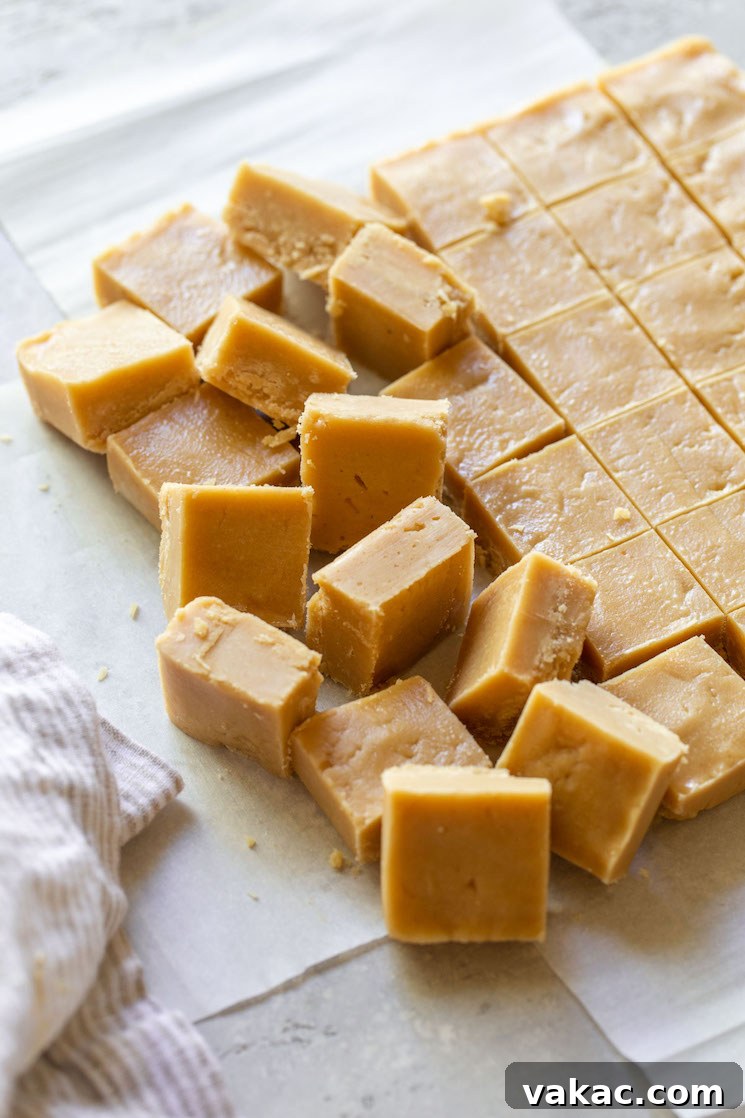
- Slice and Serve: Once the peanut butter fudge is thoroughly chilled and firm, use the parchment paper or foil overhangs to lift the entire block of fudge out of the pan and place it on a cutting board. If the fudge feels very hard directly from the fridge, let it sit at room temperature for about 10-15 minutes to soften slightly; this will make it much easier to slice without crumbling. Using a sharp knife, slice the fudge into your desired size pieces. I typically cut mine into 36 square pieces, but feel free to cut them larger for a more generous treat, or smaller for bite-sized delights. Now, your homemade peanut butter fudge is ready to be enjoyed!
Expert Tips for Fudge Perfection
Achieving perfect peanut butter fudge is simple with these additional tips and tricks:
- Butter Preparation: Always remember to slice your butter into small, tablespoon-sized pieces. This significantly speeds up the melting process and ensures that it combines smoothly with the peanut butter, preventing any uneven heating or lumps.
- Microwave Method for Melting: For an even quicker start, you can melt the butter and peanut butter together in the microwave. Place them in a large microwave-safe bowl and microwave in 20-30 second increments. Stir well after each interval until the mixture is completely melted and smooth. Be careful not to overheat.
- Firmly Pressing the Fudge: After transferring the mixture to the pan, ensure you firmly press it down into an even layer. This eliminates air pockets and creates a dense, uniform fudge that holds its shape beautifully once chilled. Don’t just spread it; actively press it.
- Slicing Technique: If your fudge is very cold, letting it sit at room temperature for about 10-20 minutes before slicing can make a world of difference. This slight softening will allow for cleaner cuts, preventing the fudge from cracking or crumbling as you slice it. Use a sharp knife for best results.
- Enhancing Flavor: For an extra special touch, consider sprinkling a tiny bit of flaky sea salt over the top of the fudge before chilling. The subtle crunch and burst of saltiness beautifully contrast the rich sweetness of the peanut butter fudge.
Frequently Asked Questions About Peanut Butter Fudge
Got questions? We’ve got answers to help you master this delicious peanut butter fudge recipe!
Does this fudge need to be refrigerated?
Initially, refrigeration is necessary to quickly firm up the fudge after it’s pressed into the pan, allowing it to set properly. Once chilled and firm, you have options! You can either store the fudge at room temperature in an airtight container for up to a week, or you can keep it in the refrigerator for extended freshness. Storing it at room temperature will result in a slightly softer, creamier texture, while refrigeration will keep it firmer.
What’s the best kind of peanut butter to use for fudge?
For the best results and a consistently smooth texture, I highly recommend using a conventional creamy peanut butter, such as Jif or Skippy. These brands have a stable consistency that helps the fudge set perfectly. While crunchy peanut butter can be used if you prefer some added texture, avoid natural peanut butter varieties where the oil separates. The inconsistency of natural peanut butter can lead to a fudge that doesn’t set properly or has an oily finish.
Can you freeze peanut butter fudge?
Absolutely! This peanut butter fudge freezes exceptionally well, making it a fantastic make-ahead treat. To freeze, simply place the sliced fudge pieces in a single layer in an airtight freezer-safe bag or container, separating layers with parchment paper to prevent sticking. It can be stored in the freezer for up to 3 months. When you’re ready to enjoy it, thaw the fudge overnight in the refrigerator, or let it come to room temperature for a softer bite.
How do I know if my fudge is cooked enough?
Since this is a no-bake fudge and doesn’t rely on precise temperature, the “cooking” is really about melting the butter and peanut butter thoroughly and then fully incorporating the powdered sugar. The key is to ensure the initial butter and peanut butter mixture is completely smooth before removing it from the heat. Then, mix in the powdered sugar until there are no lumps and the mixture is uniformly thick and smooth. There’s no specific “doneness” beyond this stage.
My fudge is too soft/crumbly, what went wrong?
If your fudge is too soft, it likely didn’t have enough powdered sugar, or the peanut butter used was too oily (like some natural varieties). Ensure you measure the powdered sugar accurately. If it’s too crumbly, it might have had too much powdered sugar, or wasn’t pressed firmly enough into the pan. Make sure to pack it down tightly when chilling.
Peanut Butter Fudge Recipe
This incredibly easy peanut butter fudge is a true delight, made with minimal ingredients and no fuss. Perfect for a quick dessert or a thoughtful gift, it’s a testament to how simple homemade treats can be.
Overall Rating: 5 out of 5 stars (Based on 2 ratings)
Prep Time: 20 mins
Chilling time: 2 hrs
This Peanut Butter Fudge is made with just a few simple ingredients and doesn’t even require a candy thermometer. Perfect for an easy dessert!
Ingredients
Servings: 36 pieces
- 1 cup (230 grams) unsalted butter, sliced into tablespoon-sized pieces
- 1 cup (250 grams) creamy peanut butter (like Jif or Skippy)
- 1 teaspoon pure vanilla extract
- ⅛ teaspoon salt
- 3 and ½ cups (420 grams) powdered sugar
Instructions
- Line an 8-inch square baking pan with parchment paper or aluminum foil, leaving an overhang on the sides for easy removal. Set aside.
- Combine the sliced unsalted butter and creamy peanut butter in a large saucepan. Place it over medium heat, stirring occasionally, until both the butter and peanut butter are fully melted and the mixture is completely smooth.
- Remove the saucepan from the heat. Stir in the pure vanilla extract and salt until well combined. Gradually whisk in 1 cup (120 grams) of powdered sugar at a time until fully incorporated. Once the mixture becomes very thick after the third cup, switch to a sturdy spoon or spatula to stir in the final ½ cup (60 grams) of powdered sugar until the fudge mixture is smooth and uniform.
- Scoop the prepared fudge mixture into the lined baking pan. Using an offset spatula or the back of a spoon, firmly press the mixture down into an even layer, ensuring the top is smooth. Transfer the pan to the refrigerator to chill for at least 2 hours, or until the fudge is completely firm.
- Once the fudge is firm, use the parchment paper or foil overhangs to lift it out of the pan. Place it on a cutting board and slice into your desired size pieces. Enjoy your homemade peanut butter fudge!
Notes
- Store leftover fudge in an airtight container at room temperature or in the refrigerator for up to one week.
- Freezing Instructions: For longer storage, place fudge pieces in a freezer-safe bag or container for up to 3 months. Thaw overnight in the refrigerator before serving.
- Peanut Butter: For the best consistency, I recommend using a creamy, stable peanut butter like Jif or Skippy. Avoid natural peanut butter that separates.
Cuisine: American
Course: Dessert
Author: Danielle Rye